





Staffordshire Enamel Patch Box
These eighteenth-century staffordshire enamel patch box examples are tiny, brilliantly painted treasures from the Georgian period that collectors prize for their intricate miniature scenes.
Staffordshire Enamel Patch Box
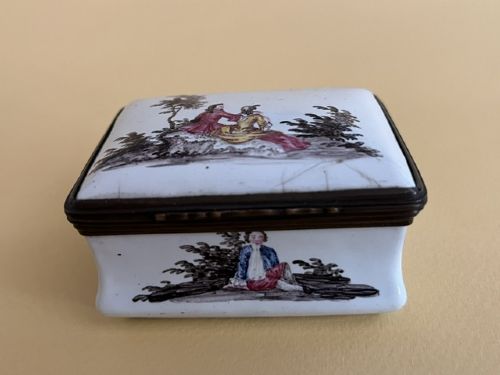
A staffordshire enamel patch box is a small Georgian container historically used to hold beauty patches, snuff, or trinkets. These pocket-sized pieces date from the eighteenth century and originate primarily from production centres such as Bilston.
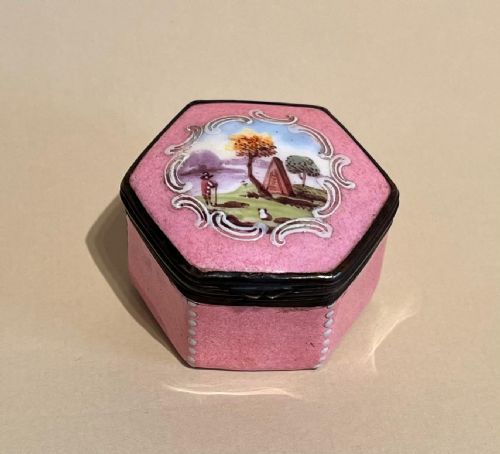
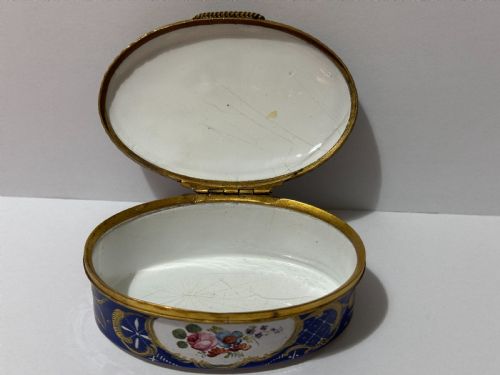
Most examples found here take rectangular or oval forms, often featuring hinged lids decorated with hand-painted landscapes, birds, or affectionate inscriptions. They serve as charming desk accessories and portable keepsakes from the late eighteenth century.
How they were made
Craftsmen shaped copper or copper alloy into small boxes before coating them in white or coloured enamel. The metal components often received a gilt finish to frame the delicate painted surfaces.
Painters applied enamel colours by hand, firing the pieces multiple times to achieve the glossy finish and detailed pictorial scenes seen on Georgian patch boxes.
Staffordshire Enamel Patch Box Retail Price Guide 2026
Typical asking prices for staffordshire enamel patch box among the pieces listed under this phrase on Sellingantiques today, from the lower quarter to the upper quarter. They describe what is for sale here now, not the wider market.
Recorded forms include oval and rectangular patch boxes, snuff boxes, and novelty trinket containers featuring hand-painted motifs.
What varies in quality
The fineness of the hand-painted decoration determines the distinction between standard and exceptional pieces. Human figures, architectural details, and naturalistic bird motifs require considerable miniature painting skill.
The preservation of the enamel surface and the integrity of the original copper mounts and hinges dictate desirability among collectors. Ground colours, such as powder pink or patterned gingham, also influence the visual appeal of a piece.
The Staffordshire Enamel Patch Box Glossary
- Bilston enamel
- Enamelware produced in the town of Bilston, Staffordshire, known for specialised box production during the eighteenth century.
- Patch box
- A small pocket container originally designed to hold cosmetic silk patches used by Georgian society.
- Gilt metal
- Metal overlaid with a thin layer of gold, frequently utilised for the mounts and bezels on eighteenth-century boxes.
- Bonbonniere
- A small ornamental box intended to hold sweets or sugarplums, sharing similar construction techniques with patch boxes.
- Snuff box
- A small container built to hold ground tobacco, often interchangeable in form and decoration with patch boxes.
Staffordshire Enamel Patch Box: Frequently Asked Questions
How do I date an enamel box?
Dating relies on stylistic clues, including the shape of the copper mount, the weight of the metal, and the palette of the enamel colours. Pieces from the eighteenth century often display specific pastel or powder pink grounds alongside handwritten inscriptions.
Examining the hinge mechanism and the brushwork of the painted scenes provides further context for the period of manufacture. Most surviving examples date from the Georgian era between seventeen-seventy and eighteen-hundred.
Where were these boxes made?
The primary production centres for these enamels were in Staffordshire, particularly the town of Bilston and surrounding workshops. These English manufactories specialised in copper and enamel luxury goods during the eighteenth century.
While South Staffordshire is the broad regional attribution, individual makers rarely signed their work. Surviving pieces represent the height of Georgian enamel craftsmanship in England.
How should I clean my enamel box?
Enamel surfaces require gentle care using a soft, dry cloth to remove dust and fingerprints. Avoid using harsh chemical cleaners, abrasives, or excessive moisture, which can damage the delicate metal mounts and painted decoration.
Displaying the box away from direct sunlight and extreme temperature fluctuations helps preserve the colours of the enamel. Proper environmental control ensures the copper and gilt components remain stable.