





Sporting Folk Art
Sporting folk art captures the character of rural pastimes through vernacular wood carving and naive painting.
Sporting Folk Art
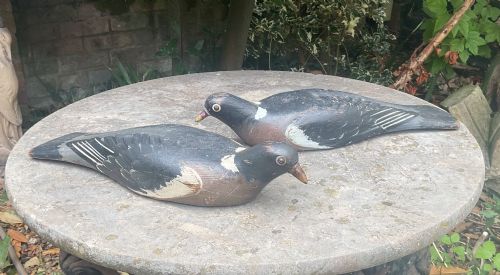
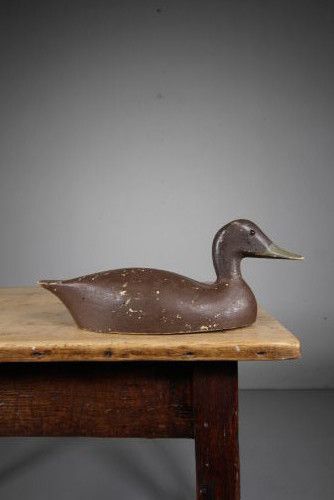
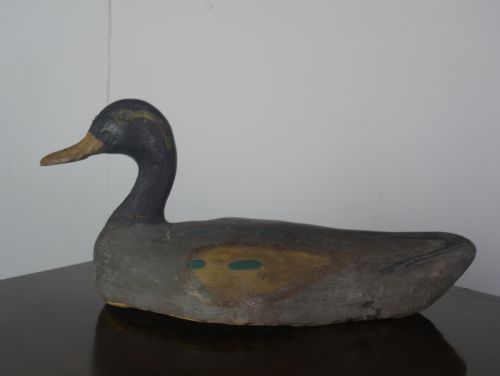
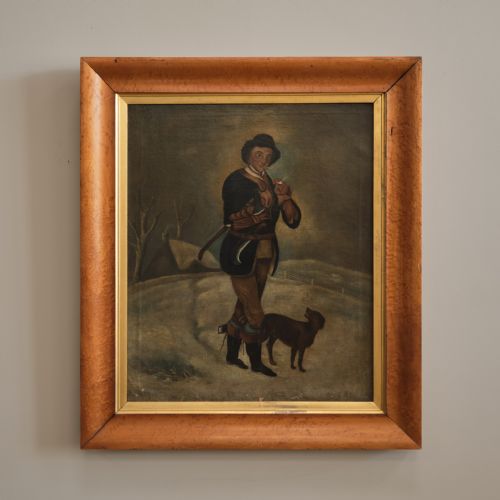
Sporting folk art encompasses vernacular objects and paintings created to record outdoor pursuits, shooting, racing, and games. When exploring sporting folk art, buyers encounter items ranging from carved decoy ducks and pigeons to framed oil paintings of snooker scenes and cricket figures.
The pieces represented here predominantly originate from the nineteenth and twentieth centuries, spanning periods such as the Edwardian era and the nineteen-thirties. Wooden decoys and naive canvases dominate the selection, reflecting domestic rural traditions rather than formal academic training.
Forms include decorative sculptures, cribbage boards, and pétanque sets alongside canvas works. Each object carries the practical utility of country pursuits combined with the distinct hand of local makers.
Materials and construction
Makers utilised timber and wood as the primary medium for carved sculptures, shaping blocks into decoy pigeons and life-size cricketers. These wooden pieces frequently received layers of paint to simulate plumage or clothing detail.
Painters applied oil and oil paint onto canvas and panels, often incorporating gold leaf or gesso within decorative frames. The surviving surfaces show direct brushwork and hand-carved tool marks left by the maker.
Among the carved ducks and racing pigeons rests a full life-size wooden cricketer, ready to take his stance indoors.
Assessing quality and character
Quality rests in the vigour of the carving and the directness of the naive perspective, where expressive forms outweigh strict anatomical accuracy. Strong surface patination and original painted finishes distinguish superior survivals from later alterations.
Objects displaying clear tool work and unaltered paint layers hold greater visual integrity. The balance between utilitarian function and decorative presence dictates the standing of each piece.
Holley Bros·J Brown·Gertrude Halsband
The Sporting Folk Art Glossary
- Decoy
- A carved or painted bird used to attract wildfowl or pigeons during shoots. These working objects form a core part of rural collections.
- Naive art
- Artwork produced by an artist without formal academic training, characterised by a simplified perspective and direct interpretation.
- Gesso
- A plaster-like mixture applied to canvas or wood as a base for painting or gilding. It provides a smooth foundation for decorative surfaces.
- Cribbage board
- A counting board used to keep score in the card game cribbage, often carved from materials such as stag horn or timber.
- Patina
- The surface sheen and wear developed on wood and paint through age and handling. This visual depth indicates genuine historical use.
Sporting Folk Art: Frequently Asked Questions
What defines sporting folk art?
Sporting folk art consists of handmade objects and naive paintings that record traditional rural pastimes, games, and country pursuits. These items were made outside formal academic traditions by local craftsmen and amateur artists.
Pieces range from carved wooden decoy ducks and pigeons to painted canvases depicting cricket matches or snooker scenes.
How were decoy ducks used?
Decoy ducks and pigeons served as practical tools for hunters, placed on water or in fields to attract live birds within range. Makers carved them from timber and painted them to resemble wildfowl.
Over decades of use in the field, many acquired multiple layers of working paint and characteristic weathering.
How do I date naive paintings?
Dating naive paintings relies on examining the canvas preparation, stretcher construction, framing style, and the pigments used in the oil paint. Clothing styles and depicted equipment also offer clues to the period.
Without signatures, stylistic comparison with dated works from the same era provides the primary guide.
Where should I display these pieces?
These objects suit interiors that value natural materials, timber textures, and historic character. Their informal origins allow them to sit comfortably alongside both period antiques and modern furnishings.
Keeping wooden carvings and canvases away from direct heat sources and strong sunlight preserves their original painted surfaces.