


Splat Back Armchair
A splat back armchair provides sturdy support through its central vertical wooden slat, combining everyday utility with enduring craftsmanship.
Splat Back Armchair
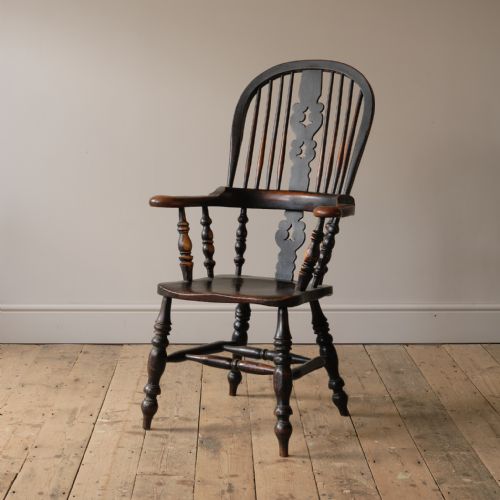
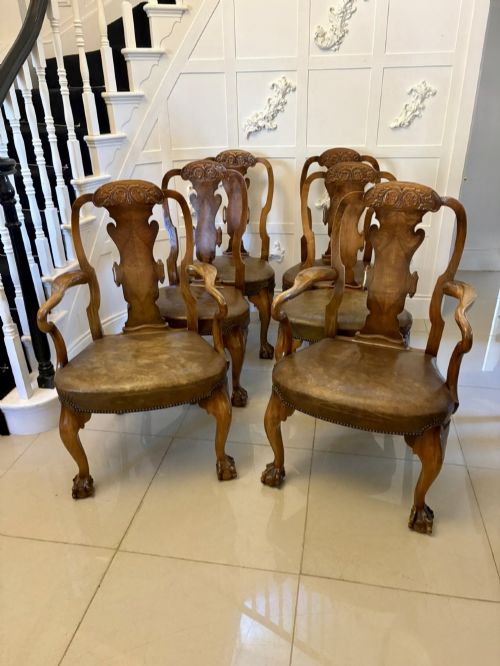
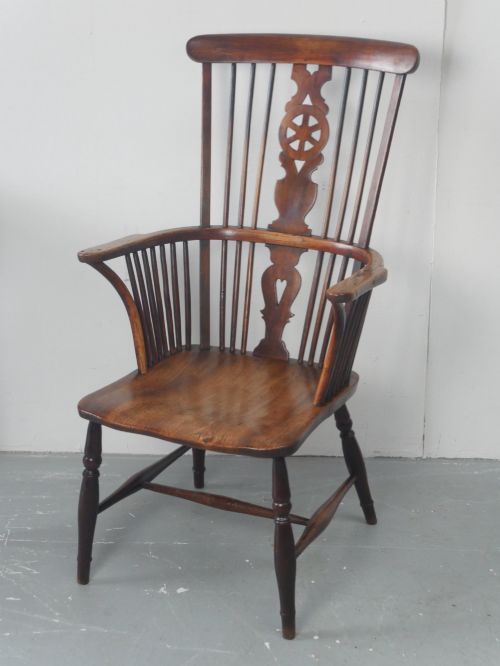
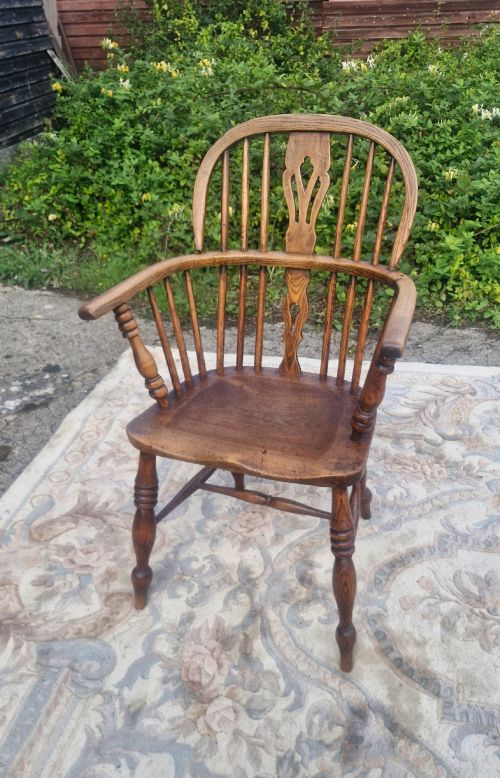
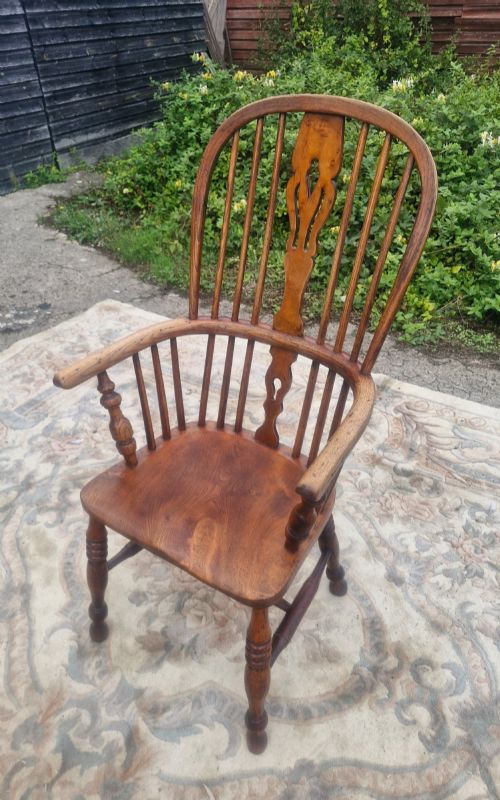
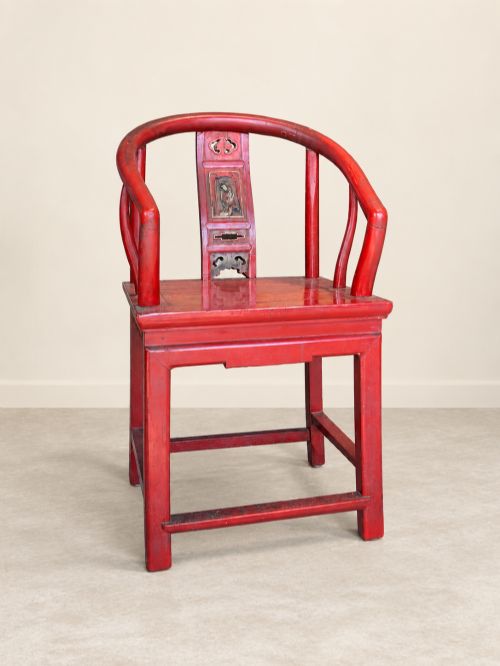
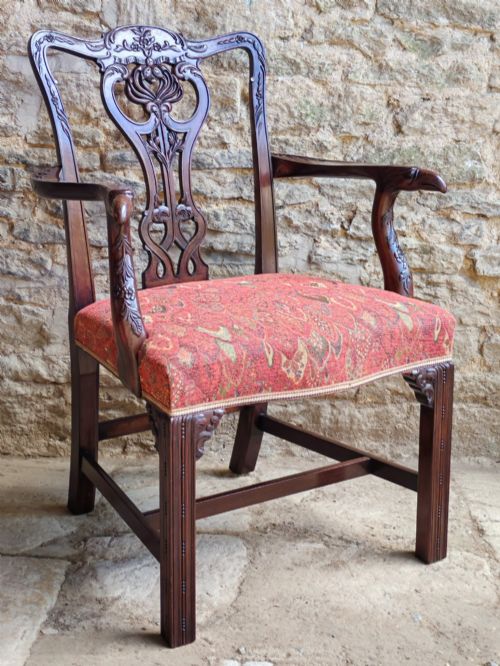
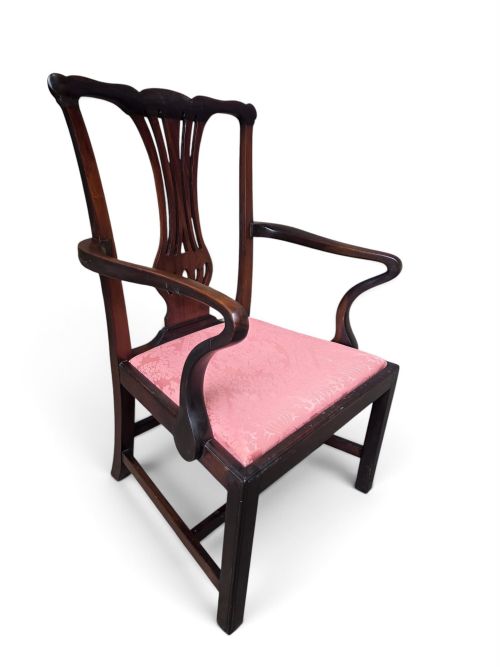
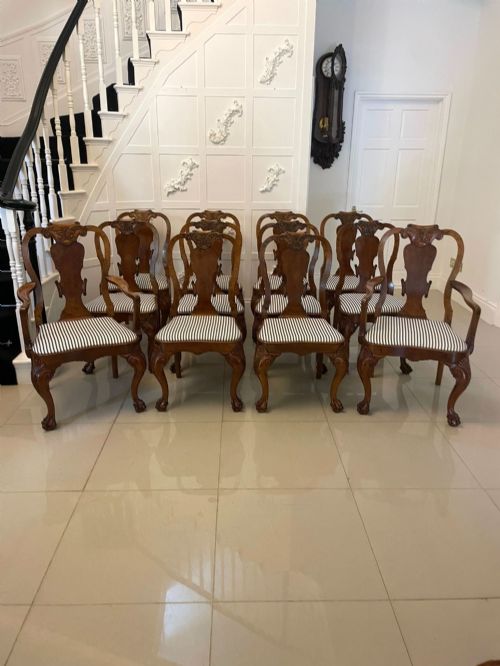
When you search for a splat back armchair, you encounter seating built around a central vertical wooden slat, known as the splat, set into the backrest. The pieces appearing here span the eighteenth and nineteenth centuries, taking the form of traditional country armchairs, Windsor variations, and formal dining or desk carvers.
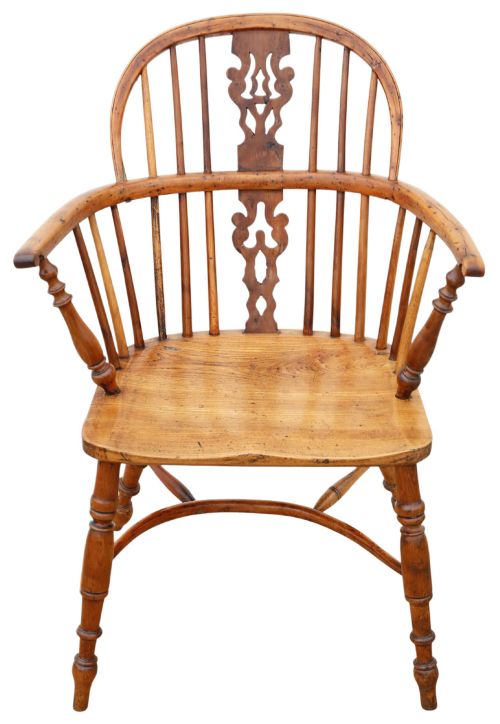
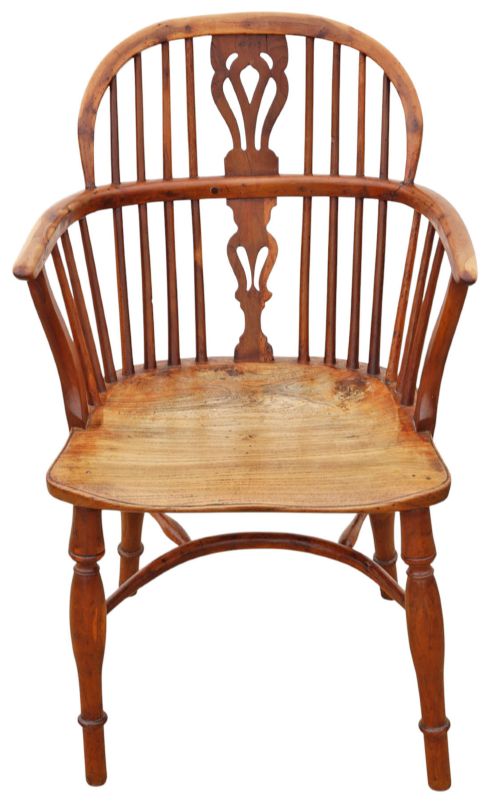
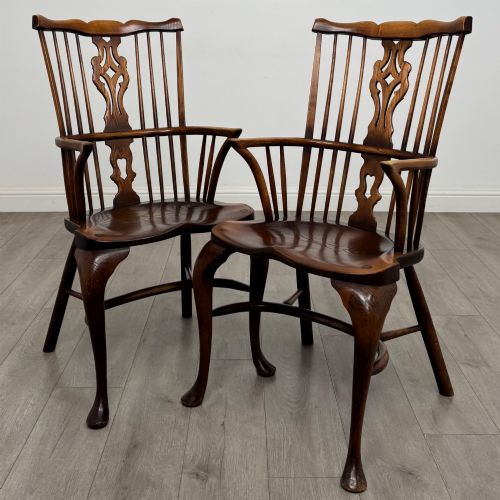
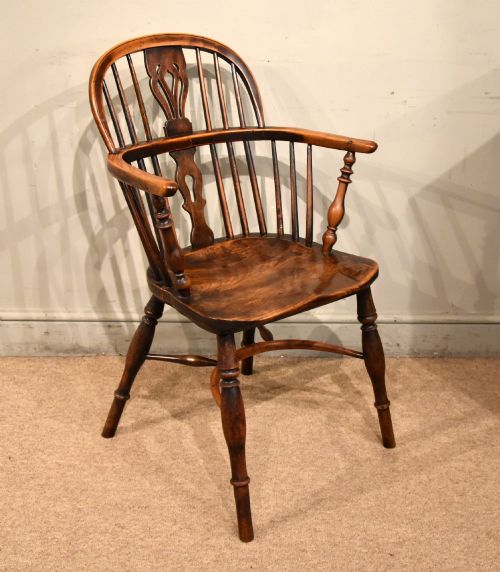
The version you are most likely to meet on this page is a nineteenth century regional Windsor chair constructed from native timbers, often featuring a shaped splat flanked by spindles. Formal mahogany and walnut styles with carved splats also appear regularly alongside these vernacular English country designs.
How They Were Made
Cabinet makers and bodgers utilised native hardwoods such as elm, ash, and yew for country Windsor frames, turning legs on lathes and steaming timber to create bentwood hoops and arms. Joinery relied on traditional pegged mortise and tenon joints to secure the components under heavy daily use.
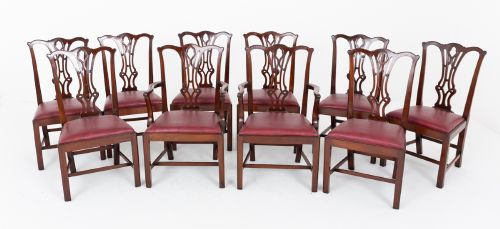
Formal seating from the Georgian and Victorian periods employed dense imported timbers like mahogany and walnut, allowing artisans to carve intricate openwork splats and apply polished finishes. Seats were frequently shaped from solid wood planks or fitted with cane and upholstered inserts.
What Varies in Quality
The distinction between ordinary and exceptional seating lies in the selection of timber and the confidence of the carving. Yew wood examples with striking grain patterns and richly figured elm seats command attention through their organic warmth, while formal chairs depend on crisp, deep relief work along the splat and arm terminals.
Proportion and structural integrity dictate the overall presence of the piece, separating heavily restored items from those retaining their original members and patination. A well-balanced frame with harmonious turns and untouched surface wear demonstrates superior original workshop execution.
Gabbitass Worksop maker·Howard and Sons
The Splat Back Armchair Glossary
- Splat
- The central vertical slat of wood positioned in the middle of a chair back. It often takes a vase, fiddle, or pierced shape.
- Windsor
- A chair built with a solid wooden seat into which the legs, back spindles, and bow are joined directly. Regional variations include comb backs and wheel backs.
- Carver
- An armchair designed to match a set of dining chairs, traditionally placed at the head of the table. These seats feature supportive arms for added comfort.
- Patination
- The deep surface sheen and colour developed by wood over centuries of handling and exposure to light. It serves as an indicator of age and careful preservation.
- Stretcher
- The horizontal wooden rod connecting the legs of a chair to provide structural stability. Box stretchers run between all four legs in a rectangular arrangement.
Splat Back Armchair: Frequently Asked Questions
What is a splat back armchair?
A splat back armchair is a seat featuring a central vertical wooden slat integrated into the backrest for structural support and ornamentation. These chairs encompass both formal mahogany dining carvers and rustic country Windsor forms.
The central splat design evolved across centuries, shifting from simple solid shapes in vernacular furniture to intricate pierced carvings in formal seating styles.
How do I identify a Windsor chair?
A Windsor chair is characterised by a thick solid wooden seat into which the undercarriage legs and upper back components are bored and wedged. They frequently combine multiple timber species, such as an elm seat paired with ash or yew spindles.
Unlike standard framed chairs, the structural strength of a Windsor relies on this direct socket construction rather than corner blocks or rails.
Where were these chairs used?
These armchairs served multiple domestic functions, operating as fireside seating, desk chairs, and master chairs at dining tables. Sturdier country versions suited busy kitchens and morning rooms, while polished mahogany models belonged in formal parlours.
Their robust construction allowed them to withstand generations of daily sitting in active households.
How should I care for antique wood?
Preserving antique wood requires placing chairs away from direct heat sources and rapid humidity fluctuations to prevent timber splitting and glue shrinkage. Regular dusting with a soft dry cloth maintains the surface without stripping the historic finish.
Applying occasional microcrystalline wax helps protect the wood and enhances the natural patination built up over centuries.