



Light Wood Armchair
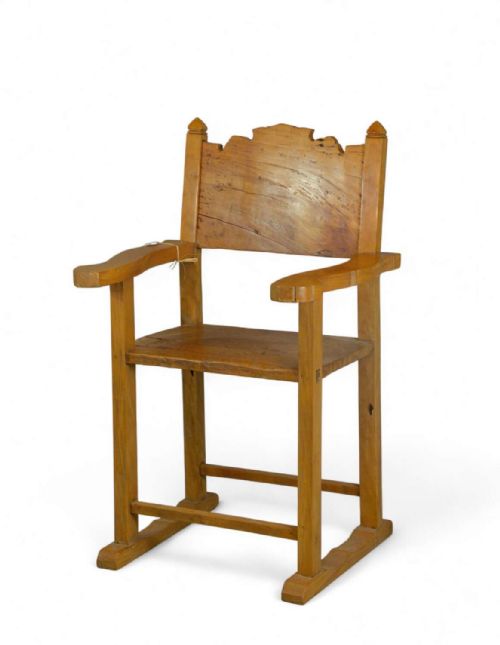
A light wood armchair brings warmth and grain to a room, offering practical seating shaped from pale timbers like elm, ash and satin birch.
Light Wood Armchair
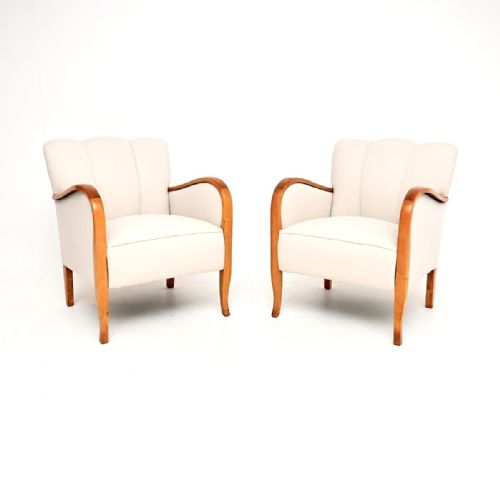
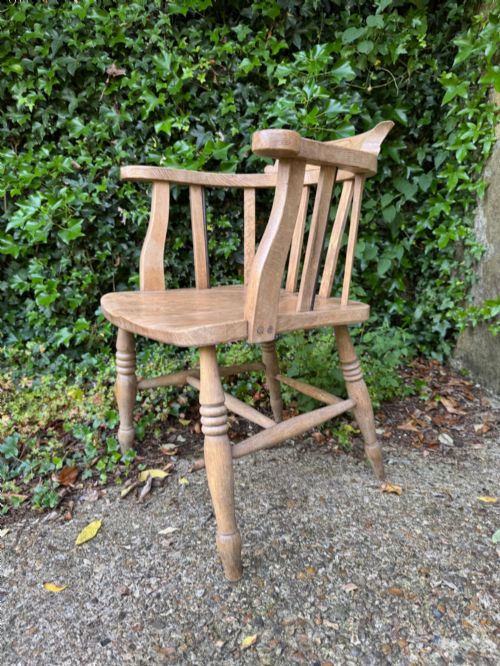
When you search for a light wood armchair, you encounter seating fashioned from pale timbers across several centuries and traditions. The selection spans utilitarian desk chairs, country vernacular seating and polished Swedish Art Deco designs.
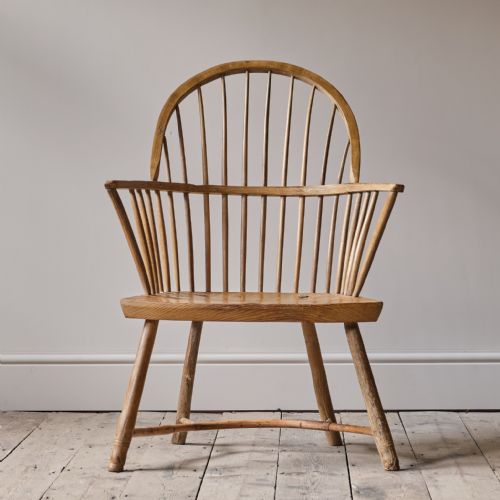
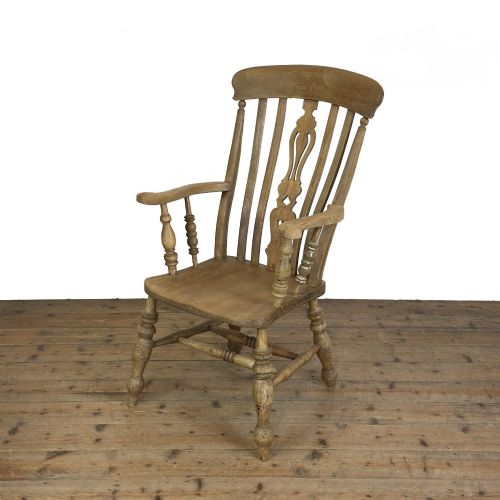
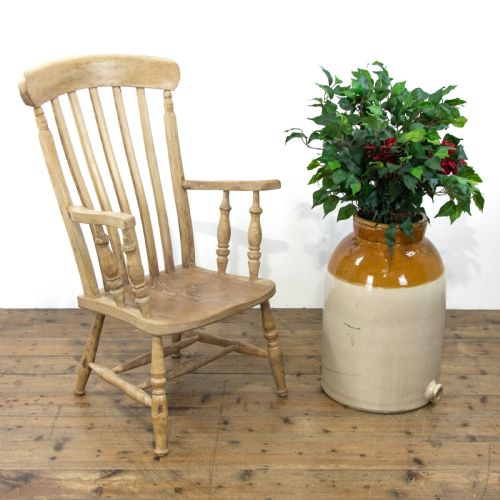
You are most likely to meet traditional Windsor forms in ash and elm, alongside Victorian swivel desk chairs and occasional armchairs in satin birch. These pieces lean on exposed timber grain and honest joinery rather than heavy upholstery to define their character.
Origins vary widely, encompassing English country workshops, Swedish studios and colonial or Chinese production. Each regional maker approaches the light wood armchair through local forestry and domestic seating habits.
How they were made
Makers shaped these armchairs using native hardwoods like ash, elm and oak, often turning spindles on a lathe or steaming timber to achieve curved components such as hoop backs and horseshoe arms.
Construction relies on traditional joinery techniques, including mortise and tenon joints, wedge-secured spindles and saddle seats scooped by hand adze. Satin Birch examples demonstrate fine cabinetmaking, while rush or fabric upholstery occasionally softens the wooden frame.
Listings feature timbers including ash, elm, oak, satin birch and pickled elm across the nineteenth and twentieth centuries.
What varies in quality
Quality rests primarily in the selection of the timber and the crispness of the turning. Superior examples display striking grain patterns, well-matched wood sections and tight, enduring joinery that withstands daily use.
Proportion and comfort also distinguish finer pieces, where seats are deeply dished and armbows shaped with care. Later alterations, replacement stretchers or heavy sanding detract from the integrity of an antique wooden frame.
The Light Wood Armchair Glossary
- Windsor chair
- A chair built with a solid wooden seat into which the legs and back spindles are bored directly. This form relies on the strength of turned wooden components.
- Hoop back
- A continuous bentwood bow forming the back and armrests of a chair. It provides structural rigidity and ergonomic support.
- Satin Birch
- A pale, lustrous timber utilised in cabinetmaking for its fine texture and chatoyant grain. It appears frequently in twentieth-century Scandinavian design.
- Vernacular furniture
- Domestic objects made by local tradesmen using regional materials and traditional methods rather than following metropolitan high-style fashions.
- Horseshoe armchair
- A traditional Chinese seating form featuring a curved, continuous backrest and armrail shaped like a horseshoe. It often employs elm timber and joined framing.
Light Wood Armchair: Frequently Asked Questions
What is a Windsor armchair?
A Windsor armchair is a seat constructed with a thick wooden saddle seat that holds inserted legs below and spindles above. This clever method creates a sturdy, lightweight chair without needing a bulky frame.
These chairs became staples in English country houses and farmhouses for their durability and comfort. They rely entirely on exposed wood rather than upholstery for their appeal.
How do I date a wooden armchair?
Dating a wooden armchair involves examining the tool marks, joinery methods and timber species used in its construction. Hand-turned spindles and pit-sawn components usually point towards nineteenth-century craftsmanship.
Stylistic clues also help, such as the streamlined geometry of Art Deco pieces compared to the turned members of Victorian Windsor chairs. Comparing the wear patterns on the seat helps confirm age.
Are these chairs comfortable for daily use?
Many light wood armchairs are surprisingly comfortable because their wooden seats are traditionally scooped and carved to fit the body. Desk chairs and horseshoe armchairs offer supportive backrests designed for extended sitting.
While they lack deep padding, adding a loose cushion provides extra softness without hiding the timber grain. Their sturdy construction ensures they withstand everyday domestic life.
Where should I place a pale timber chair?
A pale timber chair brightens dark corners, reading nooks and home offices when paired with a simple desk. Its neutral tones complement both modern minimalist interiors and rustic country settings.
Positioning the chair away from direct heat sources protects the timber and finish from drying out over time. Allowing space around the piece highlights its turned spindles and grain.