
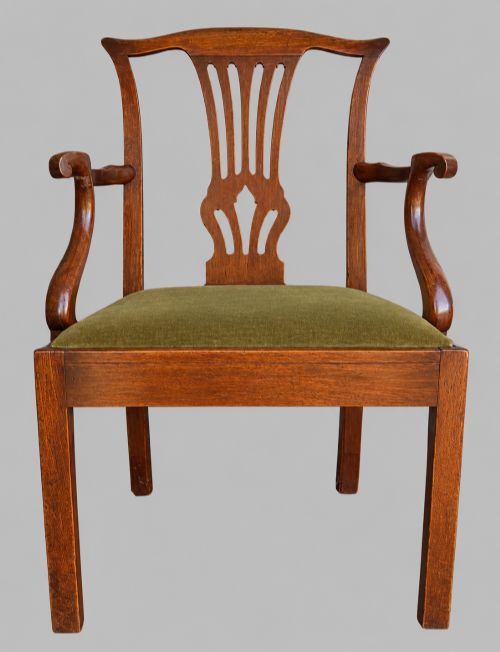
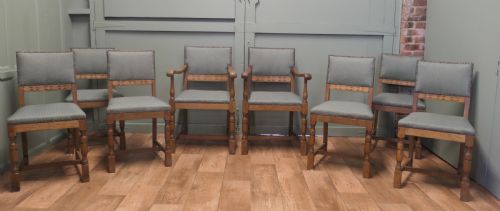
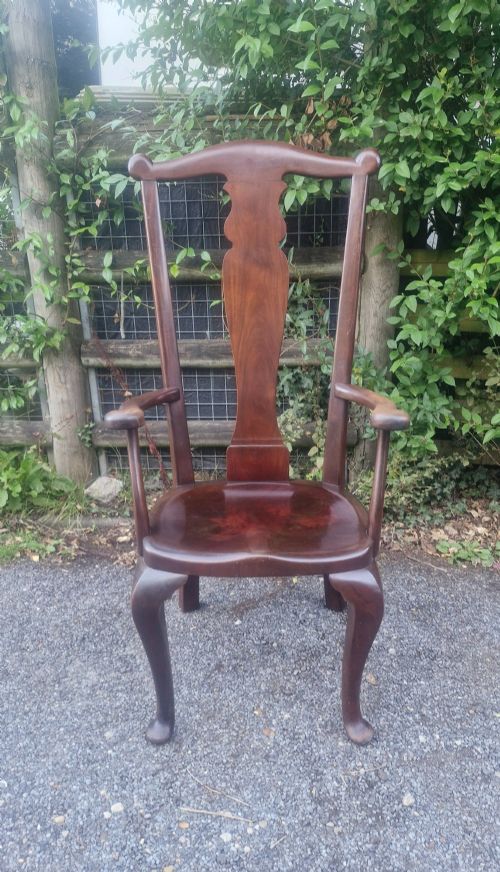
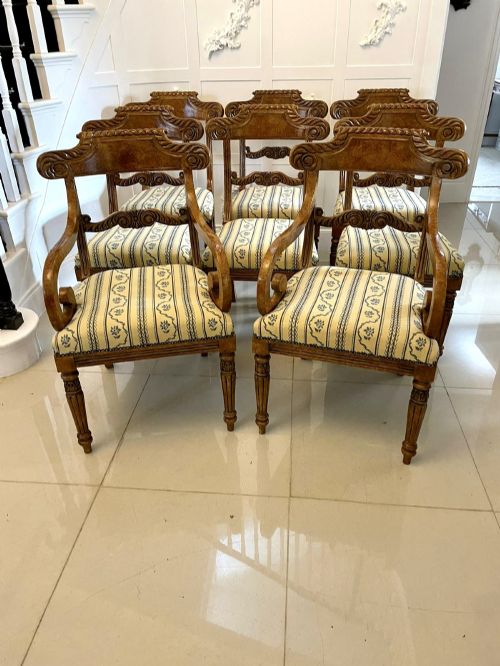
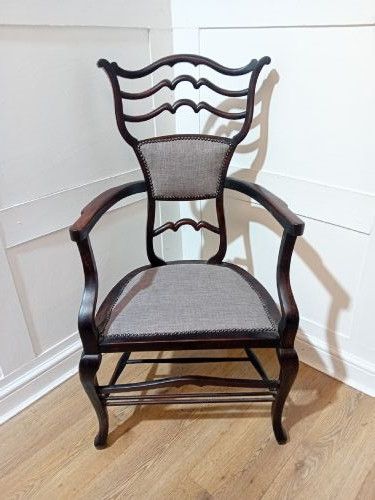
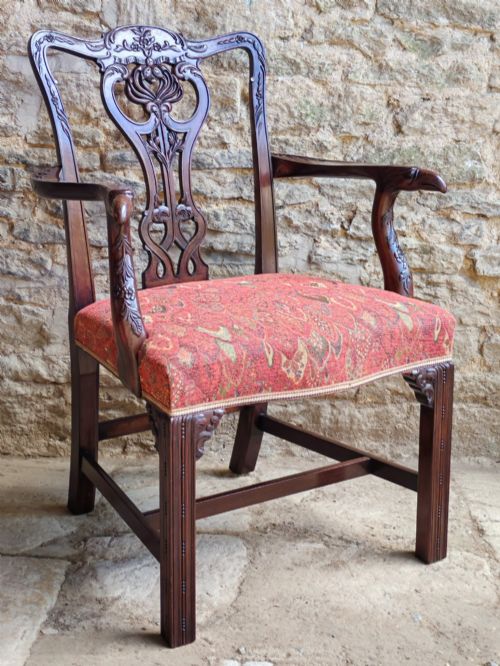
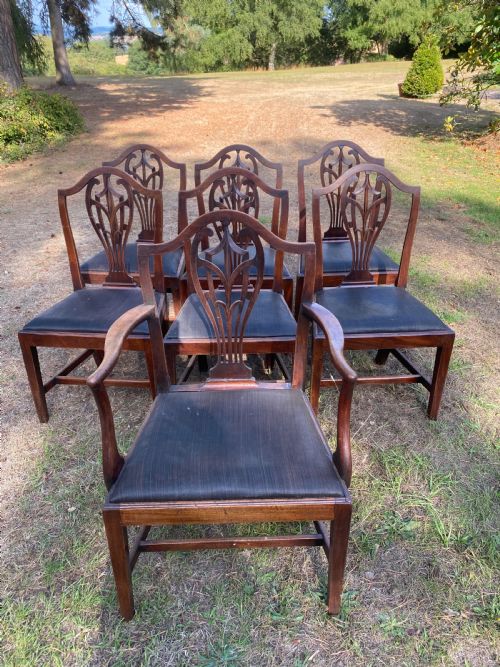
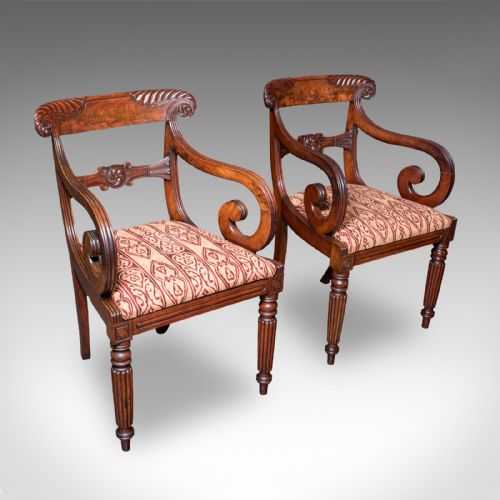
Carved Wooden Carver Chair
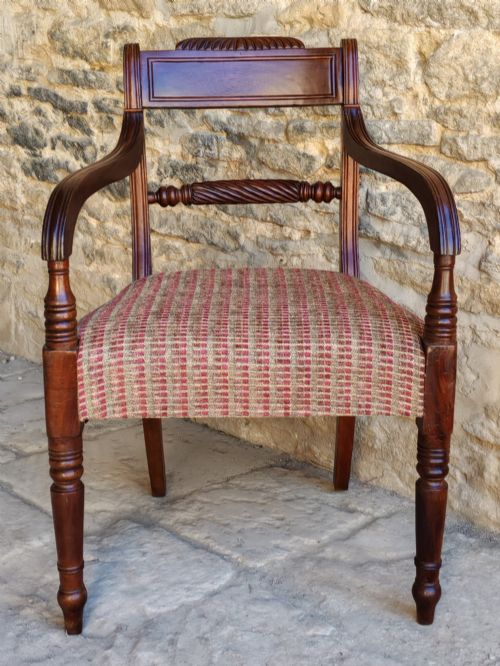
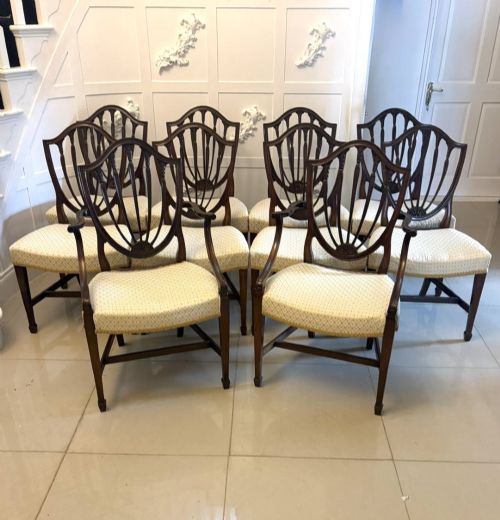
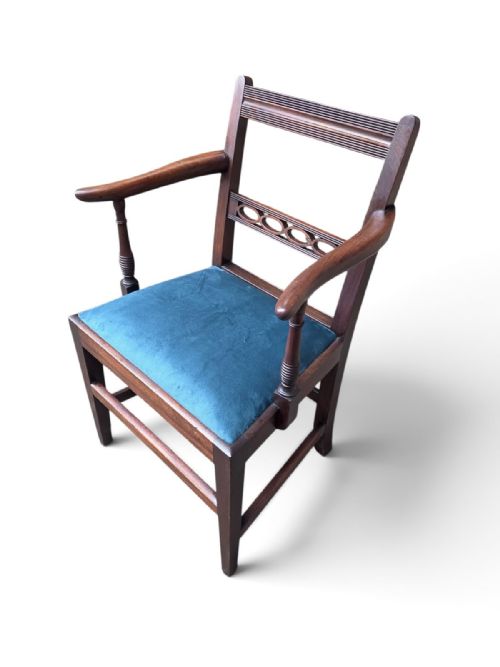
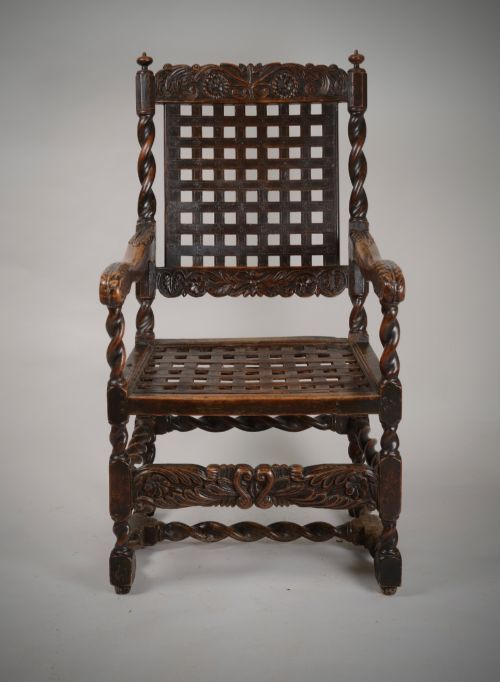
A carved wooden carver chair is a substantial seat with armrests, offering solid construction and period character for any interior.
What a carved wooden carver chair is
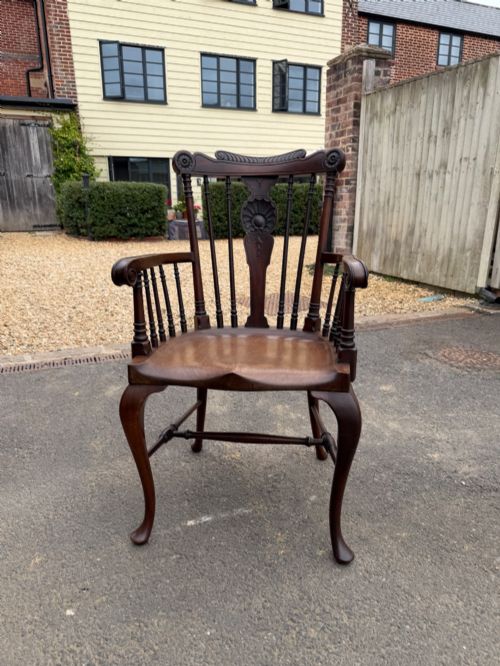
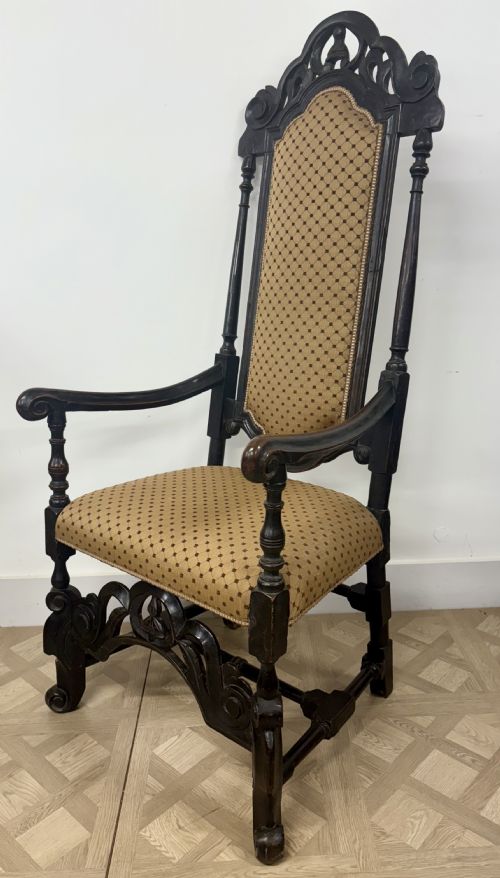
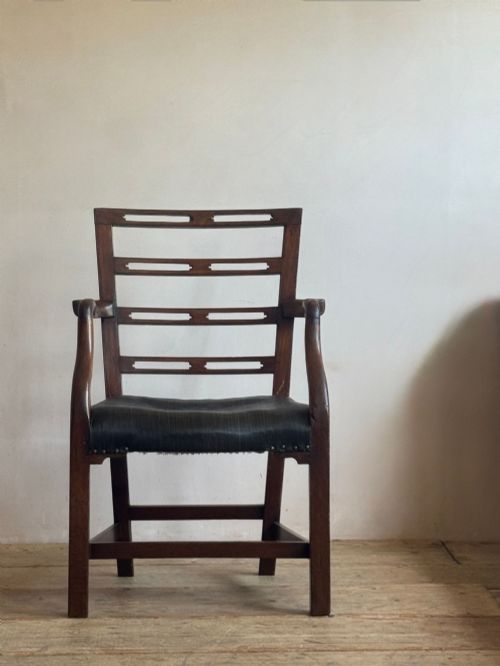
A carved wooden carver chair brings traditional seating into modern spaces, drawing on a mix of periods from the eighteenth century to the Edwardian era. These pieces appear in various forms, including Windsor armchairs, kitchen chairs, and ecclesiastical-taste hall chairs.
The materials used across these items span oak, elm, ash, mahogany, beech, and brass, often paired with textile elements. Stylistic influences range from English Country and Chippendale to Arts and Crafts and Gothic Revival.
Most examples function as armchairs or dining chairs, suiting studies, halls, and dining rooms alike. Buyers encounter diverse regional designs and workshop traditions within this selection.
How they were made
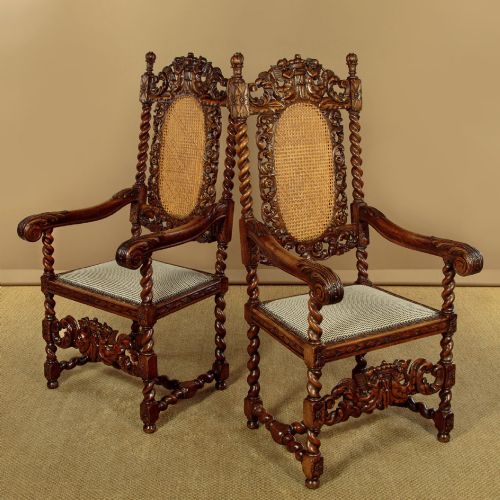
Construction relies on solid hardwoods such as oak, mahogany, elm, ash, and beech, shaped through traditional joinery and turning techniques. Artisans utilised hand tools to carve decorative motifs into the wooden frames.
Detailing often includes applied brass accents or incorporated textile elements to soften the seat or backrest. The combination of dense timbers and sturdy joinery ensures structural longevity across centuries.
Retail Price Guide 2026
Typical UK retail prices for carved wooden carver chair, calculated from the Sellingantiques database of over a million retail prices indexed since 2003. This retail price guide relies exclusively on Sellingantiques data; no external sources or auction records are used, so the figures do not describe the wider market.
Listings feature pieces spanning the eighteenth century, Victorian era, and Edwardian period in oak, mahogany, and elm.
What varies in quality
Quality rests on the selection of timber and the crispness of the hand-carved details across the frame. Finer examples display balanced proportions and sophisticated stylistic adherence, such as the refined lines of Chippendale or Gothic Revival work.
Simpler vernacular pieces, including traditional Windsor and kitchen chair variants, derive their merit from honest utility and robust construction in woods like elm and ash. The integration of brass fittings and textile upholstery also differentiates standard functional seating from high-status decorative commissions.
The Carved Wooden Carver Chair Glossary
- Carver chair
- An armchair, traditionally placed at the head of a dining table or used as a principal seat in a room.
- Chippendale
- A style originating in the eighteenth century, characterised by graceful cabriole legs, elaborate fretwork, and classical proportions.
- Gothic Revival
- An architectural and decorative style drawing inspiration from medieval design, featuring pointed arches and heavy carved tracery.
- Arts and Crafts
- A movement prioritising traditional craftsmanship, visible construction, and simple, unpretentious materials.
Frequently Asked Questions
What is a carver chair?
A carver chair is an armchair traditionally designed to match a set of dining chairs, usually positioned at the head of the table. These seats feature supportive armrests and often showcase decorative carving along the back rail.
Over time, these chairs found places in hallways, studies, and parlours as occasional seating. Their sturdy construction made them suitable for daily use across multiple centuries.
How do I identify a Chippendale armchair?
Chippendale armchairs date from the eighteenth century and display distinctive classical motifs influenced by cabinetmaker Thomas Chippendale. Look for intricately pierced splats, carved cabriole legs, and scroll-shaped arm terminals.
These pieces represent high-status craftsmanship of the period, utilising dense mahogany and precise joinery. Their balanced proportions set them apart from simpler vernacular seating.
Where should I place an antique elbow chair?
An antique elbow chair works well in a hallway, study, or bedroom where it can serve as a functional accent piece. Pairing one with a desk or placing it in a corner highlights its carved details and wooden frame.
Ensure the chair sits away from direct heat sources and strong sunlight to protect the wood and any textile elements. Regular dusting keeps the timber finish in stable condition.
What defines the Arts and Crafts style?
Arts and Crafts pieces emphasise honest construction, visible joinery, and natural materials like oak and ash. Decoration remains restrained, allowing the grain of the wood and the craftsmanship to take precedence.
Chairs from this movement often feature flat planes, slatted backs, and sturdy proportions. They reflect a nineteenth-century reaction against mass production.