

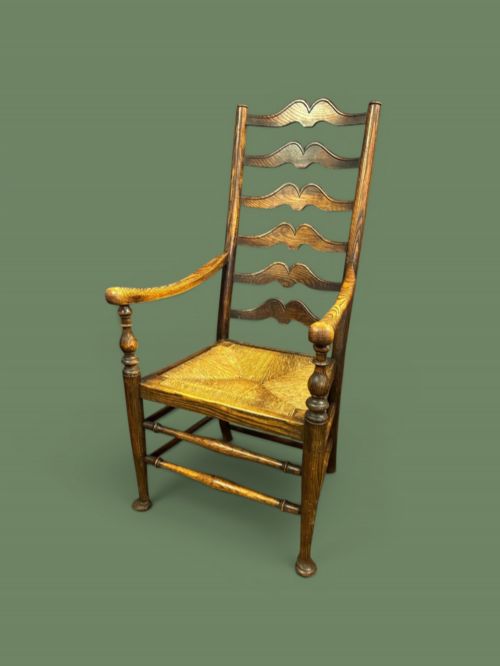


Georgian Oak Elbow Chair
A georgian oak elbow chair is a sturdy vernacular seat that brings honest utility and warmth to a room.
Georgian Oak Elbow Chair
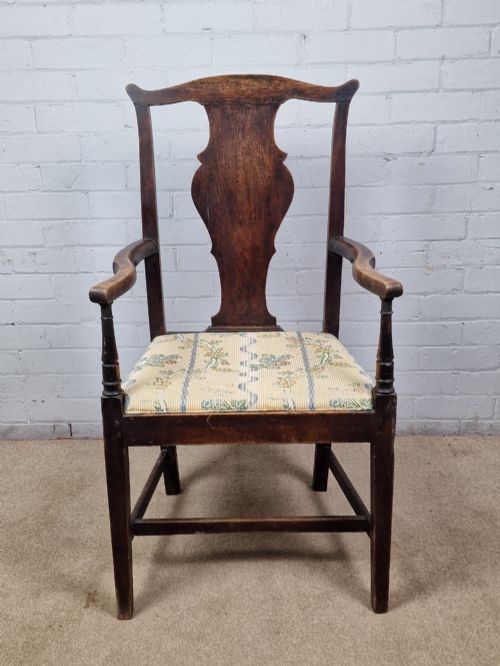
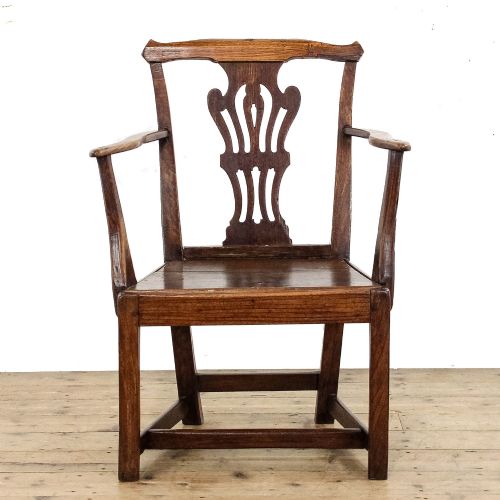
When you search for a georgian oak elbow chair, you find robust seating rooted in the vernacular traditions of the eighteenth and nineteenth centuries. These armchairs served practical functions in farmhouses, studies, and country parlours, built to withstand daily use.
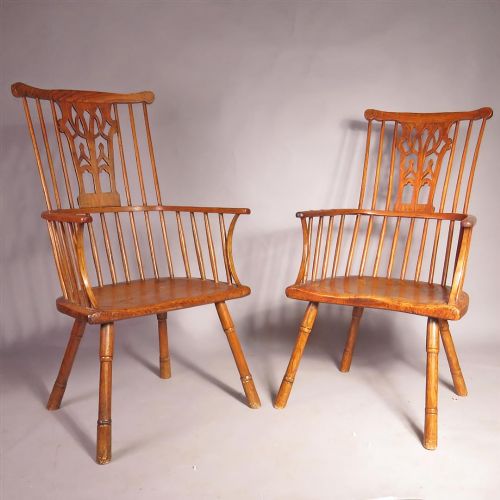
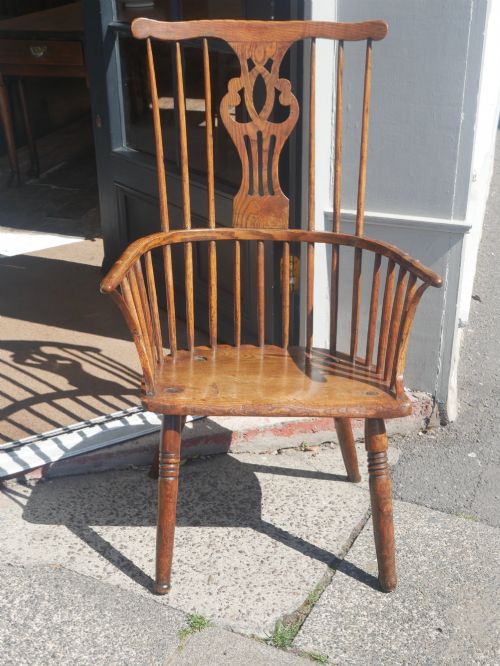
You are most likely to meet examples defined by regional English styles, including Windsor forms, comb backs, and bar backs. The material gives them a grounded presence, often displaying rich grain patterns built up over generations.
How they were made
Maker-joiners built these seats primarily from solid oak, frequently combining it with elm, ash, and yew for structural strength and turned components. This mixed-wood construction was common in country workshops where timber availability dictated the build.
Frames relied on traditional joinery methods, including pegged mortise and tenon joints for stability. Seats were shaped from solid timber or woven with rush, while some later examples incorporated fabric or velvet upholstery.
Materials recorded across the inventory include oak, elm, ash, yew, beech, rush, fabric, and velvet.
What varies in quality
Quality rests in the harmony of the timber selection and the integrity of the original construction. Chairs built from well-figured oak with complementary secondary woods like elm or ash display a superior aesthetic.
Proportion and comfort distinguish finer examples from standard utility pieces. A balanced arm profile and a well-turned spindle arrangement elevate the presence of a country chair.
The Georgian Oak Elbow Chair Glossary
- Elbow chair
- An armchair designed with armrests, often used at a desk or as part of a dining set. These seats provide sturdy support through integrated wooden arms.
- Windsor chair
- A form constructed with a solid wooden seat into which the legs and back spindles are joined directly. This method creates a resilient and enduring seating structure.
- Comb back
- A chair back style featuring vertical spindles topped by a horizontal crest rail that resembles the teeth of a comb. This design offers ergonomic support.
- Rush seat
- A bottom woven from dried marsh reeds, providing a flexible and traditional seating surface. It appears frequently on country vernacular chairs.
- Vernacular
- Objects made by local craftsmen for everyday use, following regional traditions rather than high court fashions. These pieces prioritise practical utility and local materials.
Georgian Oak Elbow Chair: Frequently Asked Questions
What is a georgian oak elbow chair?
It is a wooden armchair dating from the eighteenth or early nineteenth century, constructed primarily from oak with supporting timbers like elm and ash.
These pieces reflect regional English craftsmanship, offering solid construction and practical seating for domestic use.
Where were these chairs used?
They originated in farmhouses, country homes, and studies where durable seating was required for daily tasks.
Their robust design made them suitable for writing desks, dining tables, and fireside placement.
How do I care for an oak chair?
Keep the timber away from direct heat sources and sudden temperature changes to prevent the wood from drying out.
Apply natural beeswax occasionally to nourish the grain and maintain the surface sheen without building up heavy layers.
How do I identify the period?
Examine the construction methods, tool marks, and wood patination to understand the age of the piece.
Early examples often feature joined frames and pegged construction, while later nineteenth-century versions show different turning styles and regional variations.