
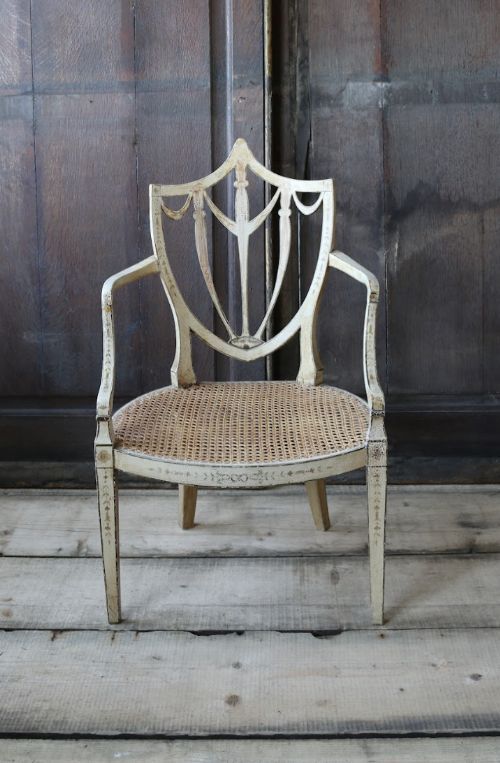


Late 18th Century Chairs
Late 18th century chairs bring Georgian and continental elegance to a room, spanning formal mahogany dining sets and robust country windsors.
Late 18th Century Chairs
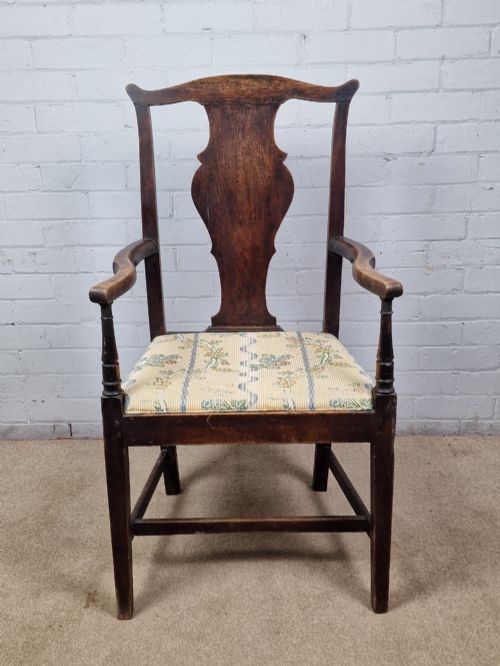
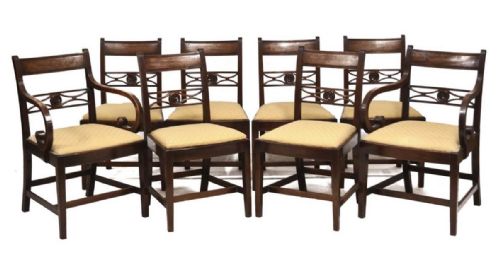
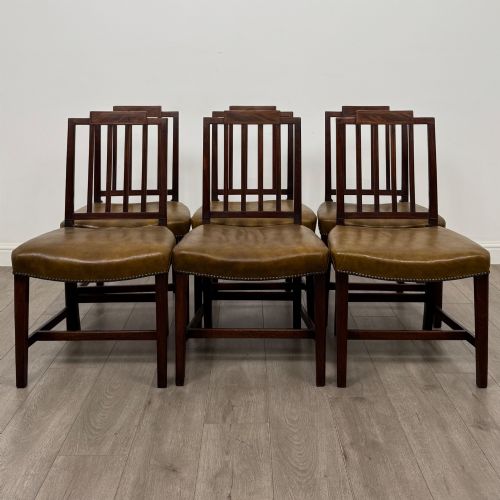
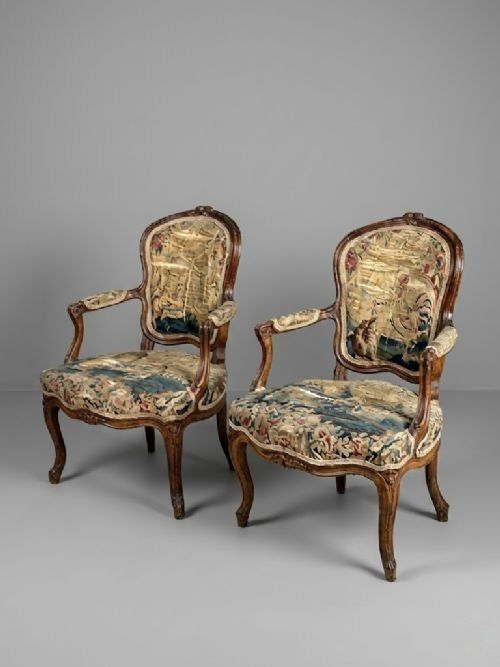
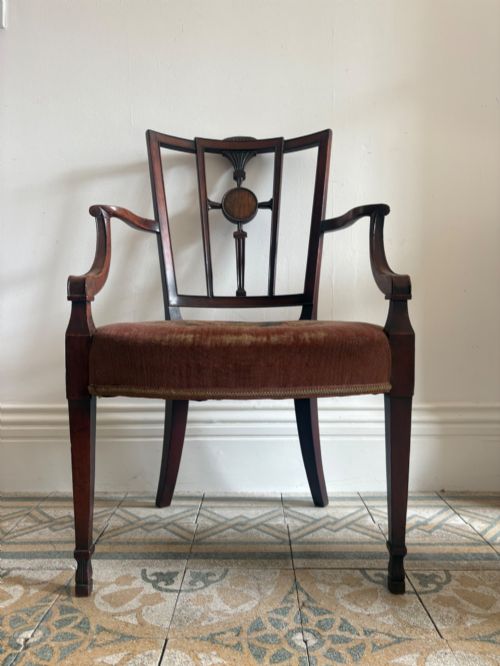
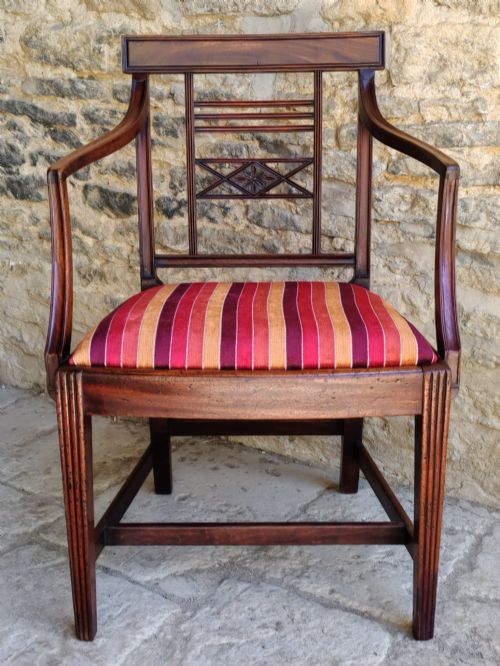
Late 18th century chairs encompass a diverse selection of seating from the Georgian period, including matching sets of dining chairs, pairs of open armchairs, and sturdy country forms. Buyers searching for late 18th century chairs encounter both refined metropolitan designs and vernacular regional pieces made for everyday domestic use.
The domestic forms appearing in these listings range from Windsor armchairs and corner chairs to large sets of dining chairs and specialised hall chairs. Walnut, mahogany, elm, and oak provide the primary structural woods, while painted surfaces and marquetry inlay appear on continental and English pieces alike.
How they were made
Cabinetmakers and country joiners utilised dense hardwoods such as mahogany, walnut, oak, elm, ash, and yew, often combining woods within a single piece of regional seating. Turned spindles, curved comb backs, and carved shield backs required precise hand joinery and steam bending.
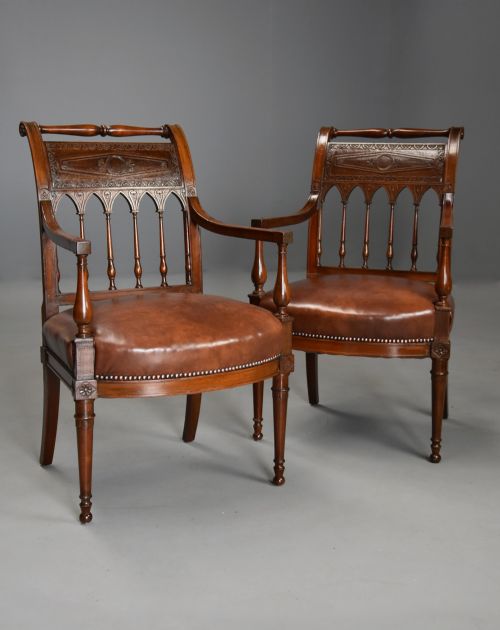
Upholstery methods relied on fabric, needlework, leather, or Aubusson tapestry coverings fixed over webbed or stuffed seats. Brass tacks and parcel gilt details added decorative finish to formal library and drawing room armchairs.
Mahogany and elm are the most frequently recorded timbers across these listings, appearing alongside oak, walnut, ash, and yew.
What varies in quality
Quality rests on the integrity of the timber, the crispness of the carved or turned detail, and the survival of original surface finishes like patina and paint. Sets maintaining their full complement without extensive timber replacement stand apart from matched or assembled groups.
Refined proportions, such as the sculptural lines of a hall chair or the delicate piercing of a shield back, separate standard utility seating from exceptional cabinet work.
Gillows
The Late 18th Century Chairs Glossary
- Carver
- An armchair, often designed to match a set of smaller dining chairs.
- Comb back
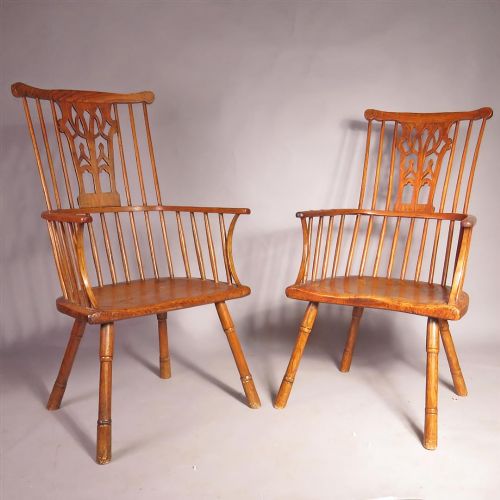
- A Windsor chair variation where the spindle tops pass through a horizontal crest rail resembling a comb.
- Marquetry
- Decorative veneer work forming pictorial or geometric patterns using various woods.
- Shield-back
- A chair back shaped like a heraldic shield, popular in late Georgian design.
- Windsor
- A traditional chair built with a solid saddle-shaped seat into which turned legs and back spindles are wedged directly.
Late 18th Century Chairs: Frequently Asked Questions
How do I spot a matched dining set?
Examine the timber grain, turning variations, and minor structural differences across the chairs. Sets assembled later often combine pieces with subtle variations in height or carving.
Look closely at the underside and joinery to determine if all chairs share the exact same workshop origin.
Can I use these chairs every day?
Most of these chairs were constructed for daily domestic life using durable hardwoods like elm, oak, and mahogany. Regular use requires checking joints and leather or fabric upholstery stability.
Avoid placing antique seating in extreme humidity or direct sunlight to protect the wood and original finishes.
What is a corner chair?
A corner chair is designed with a square seat set diagonally, featuring a curved back rail supported by three or four posts. They served as compact writing or smoking chairs in Georgian interiors.
These pieces often fit neatly into room angles while providing a supportive wraparound backrest.
How do I identify a Windsor chair?
Windsor chairs feature a distinct thick wooden seat with legs and back spindles pegged straight into bored holes. Regional styles include comb backs, low backs, and Thames Valley variations.
Country makers frequently combined elm seats with ash or yew spindles for added structural resilience.