



Vase Splat Dining Chairs
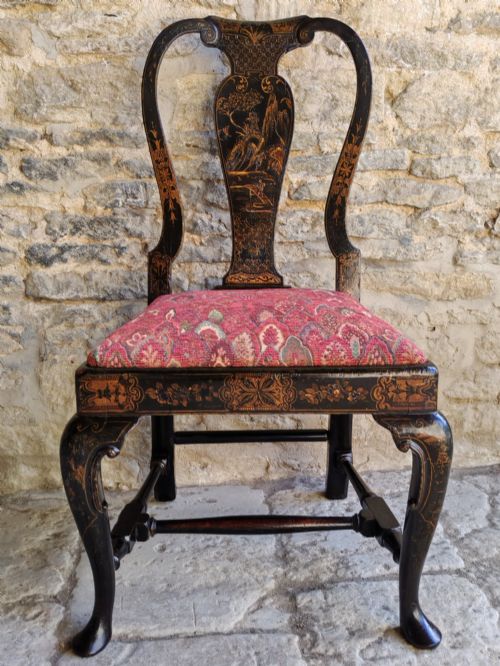
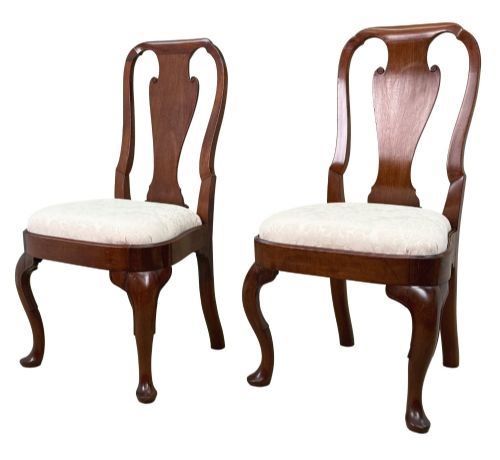
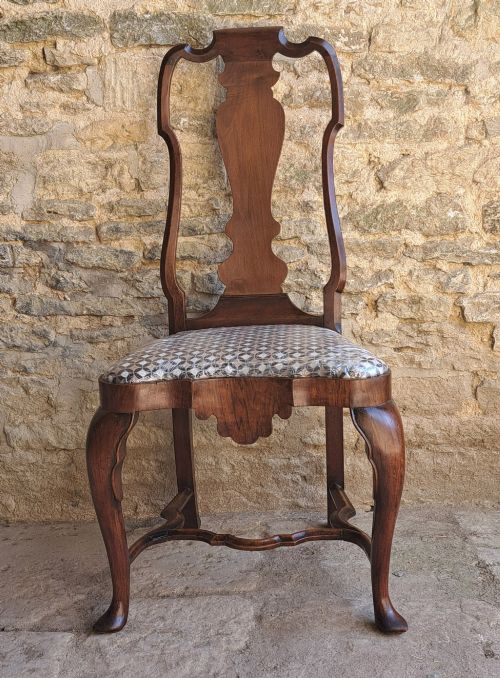
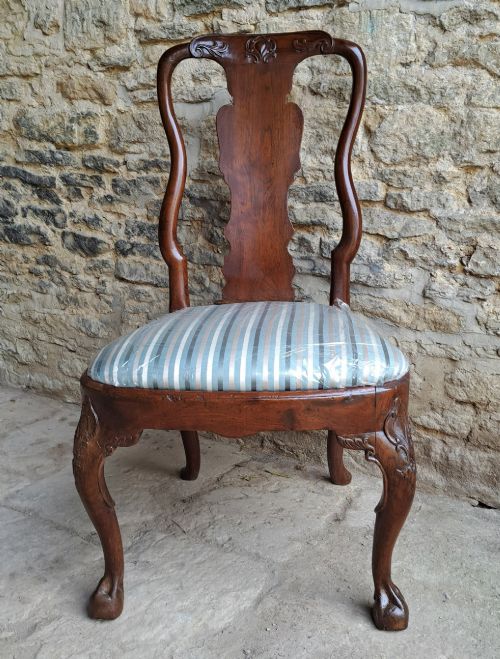
Vase splat dining chairs are timeless seating forms defined by their distinctive backrest silhouettes, sought after for bringing period character to dining rooms.
Vase Splat Dining Chairs
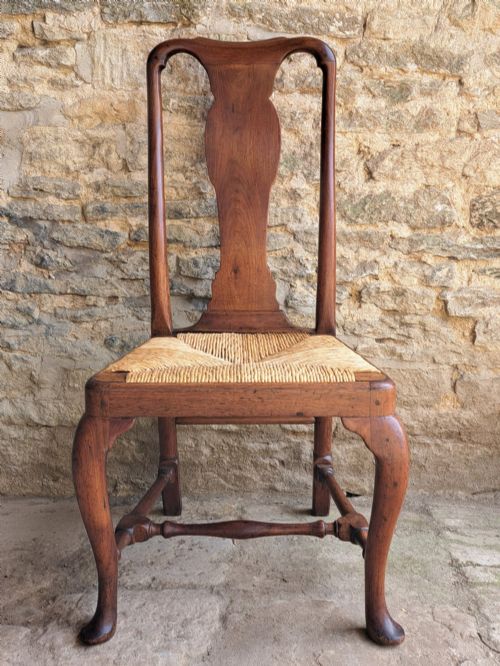
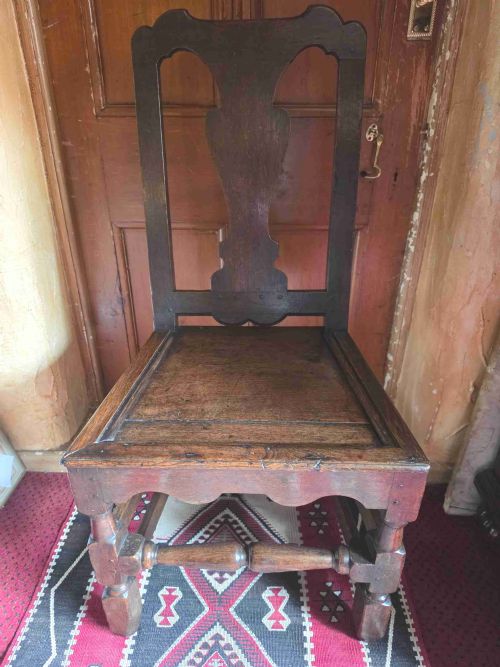
Vase splat dining chairs are seating forms that appear frequently across the eighteenth, nineteenth, and early twentieth centuries, anchored primarily in walnut and mahogany timbers. The phrase encompasses side chairs, open armchairs, carver chairs, and high back variants, manifesting in styles ranging from Queen Anne and George I to Victorian and revival periods.
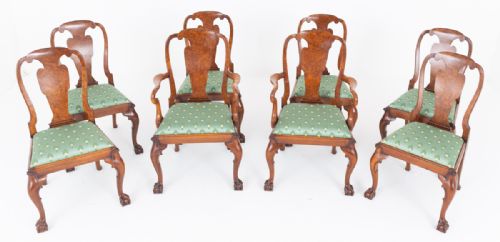
Most pieces encountered on this page belong to sets of four, six, or eight, alongside pairs and individual examples. The overarching design relies on a central vertical splat shaped like a vase, supporting an upright back frame above various drop-in or upholstered seats.
How they were made
Construction relies heavily on cabinet timbers such as mahogany and walnut, occasionally incorporating burr walnut veneers, oak, and marquetry inlay. Seats integrate upholstery fabrics, textiles, leather, or rush seating tied directly to the wooden frame.
Joinery methods utilise traditional frame construction, turning for legs, and shaped splats cut to form the characteristic vase profile. Surface finishing highlights the natural grain of the wood through polishing or veneering.
Several sets include a mix of standard side chairs and carver armchairs, ready for a crowded dining table.
What varies in quality
Quality rests in the precision of the timber selection, such as figured walnut veneers, and the crispness of the carved splat and cabriole legs. Examples from the eighteenth century demonstrate refined proportions and cabinetmaking skill compared to later revival pieces.
The integrity of the frame construction and the matching consistency across larger sets dictate the standing of individual chairs. Original surface patination and authentic period upholstery integration further separate standard seating from exceptional examples.
Charles Tozer·Cooper and Holt
The Vase Splat Dining Chairs Glossary
- Vase splat
- A central vertical backrest component shaped in the outline of a vase. It provides structural support and defining visual style to the chair.
- Cabriole leg
- A furniture leg that curves outward and then tapers inward, commonly ending in a pad or hoof foot. This form appears frequently on eighteenth-century walnut and mahogany seating.
- Drop-in seat
- A removable upholstered wooden frame that rests within the seat rails of the chair. It allows for straightforward reupholstering without dismantling the main structure.
- Carver chair
- An armchair designed to match a set of dining side chairs, traditionally positioned at the head of a dining table. These pieces share the predominant splat and leg characteristics of the set.
- Marquetry
- Decorative inlay work using various wood veneers to create detailed patterns across surfaces. This technique appears on specific eighteenth and nineteenth-century examples.
Vase Splat Dining Chairs: Frequently Asked Questions
What periods do these chairs cover?
The listings span from the seventeenth century through the eighteenth and nineteenth centuries into early twentieth-century revivals. Queen Anne, George I, and Georgian eras represent the earlier origins, while Victorian and 1920s pieces reflect later interpretations.
Walnut and mahogany remain the dominant timbers across these different chronological brackets, applied to both side chairs and larger dining sets.
How do side chairs and carvers differ?
Side chairs are armless seats designed to fit neatly around dining tables in matching sets of four, six, or eight. Carver chairs feature integrated armrests and were traditionally reserved for the heads of the table.
Both forms share the characteristic vase splat backrest design, ensuring visual cohesion when paired together in a dining room setting.
What seat types are used?
Seats are encountered with drop-in frames, rush weaving, or fixed upholstery covered in fabric, textile, or leather. Drop-in frames allow the upholstered insert to lift out from the wooden seat rail.
Original covering materials are uncommon, with many pieces having received modern upholstery fabric over the decades of use.
How can I tell original from revival?
Distinguishing original eighteenth-century pieces from late nineteenth or 1920s Queen Anne revival chairs involves examining timber ageing, joinery construction, and wear patterns. Earlier examples utilise solid walnut or mahogany with hand-cut joints, while later interpretations often reflect the manufacturing methods of their specific decade.
Cabinetmaking details and stylistic proportions provide the clearest indicators of whether a chair dates to the original period or a later revival.