

18th Century Arm Chair
An 18th century arm chair brings centuries of domestic history and precise cabinet-making into a modern room.
18th Century Arm Chair
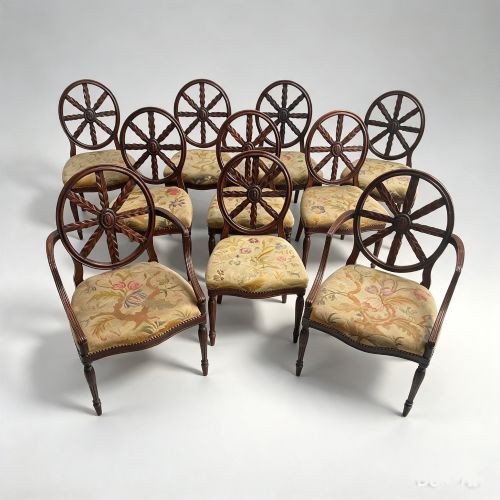
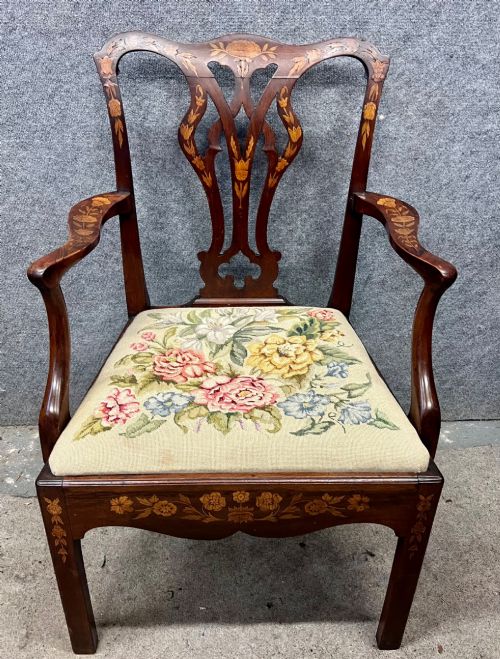
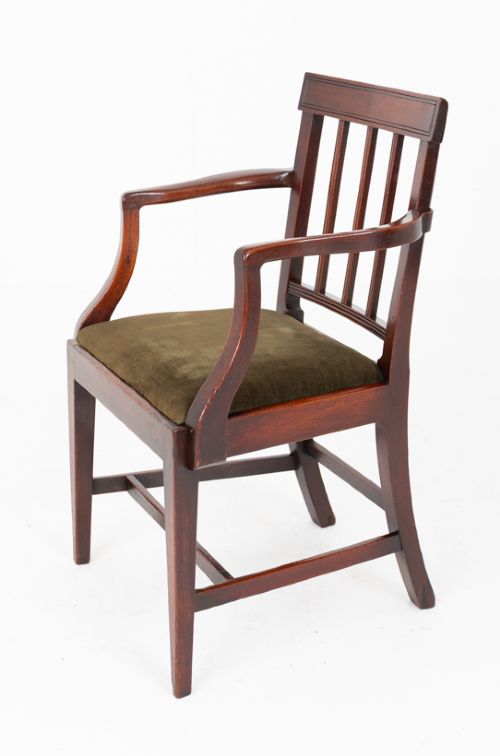
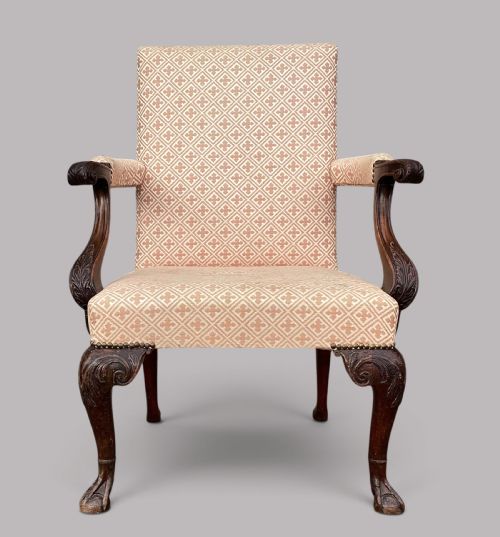
When you search for an 18th century arm chair, you encounter a diverse range of seating spanning urban parlours, rural farmhouses, and grand libraries. The most common examples on this page date from the Georgian era, encompassing formal mahogany library pieces and sturdy regional vernacular styles.
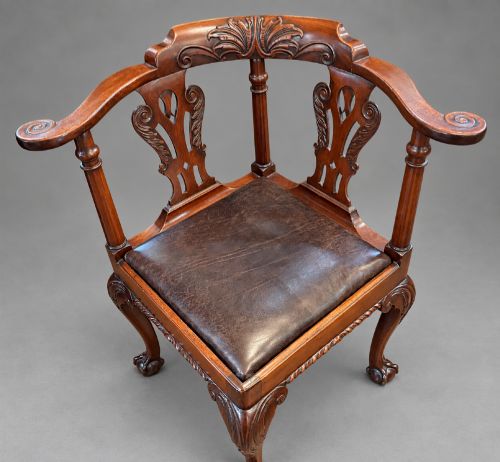
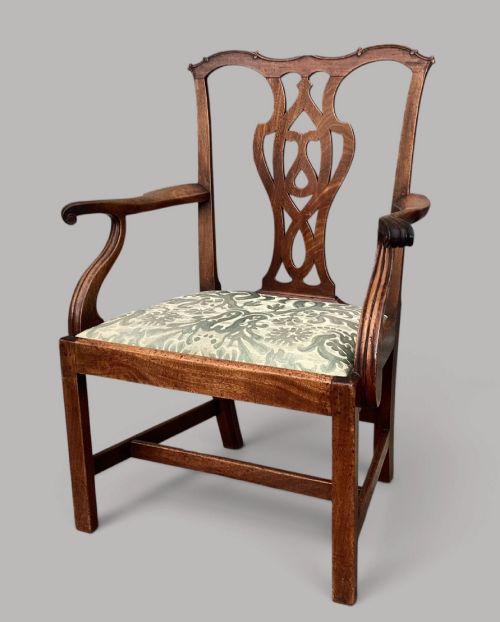
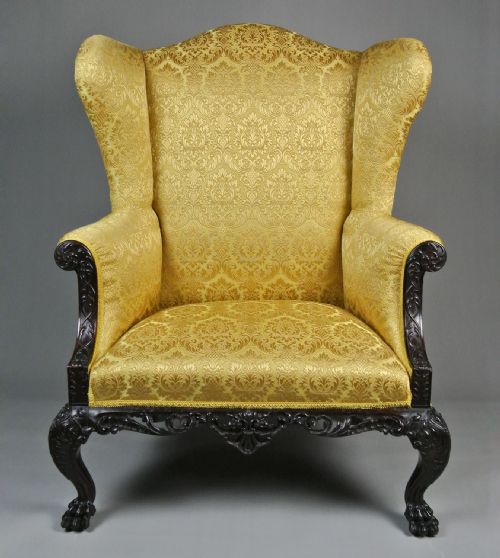
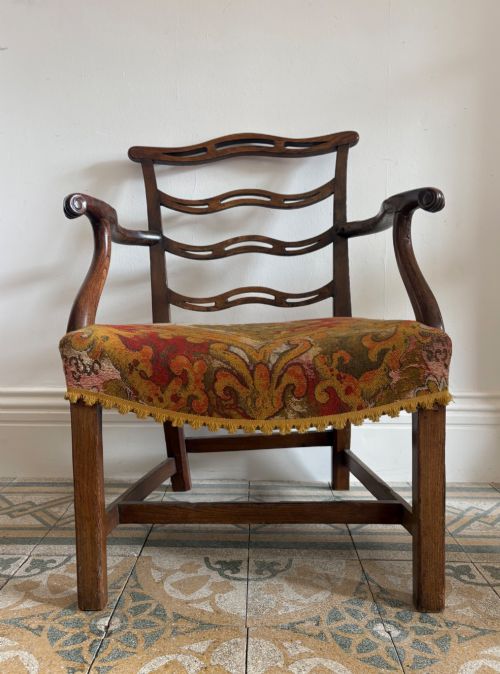
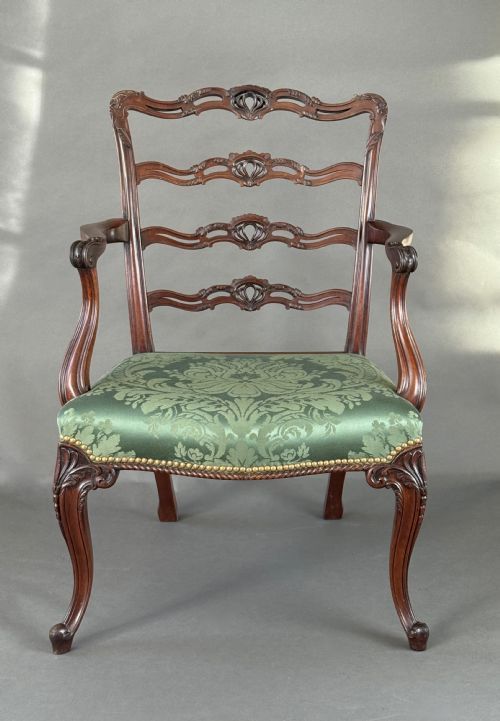
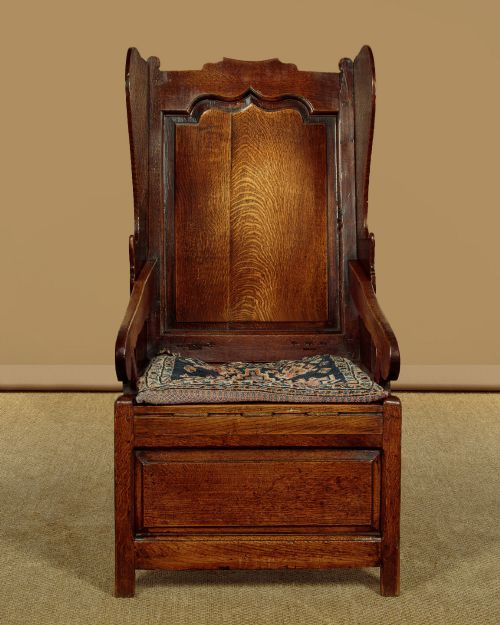
Makers of the period produced various forms including open armchairs, solid oak wainscot chairs, winged reading chairs, and ladderbacks with rush or upholstered seats. These pieces reflect the distinct social functions of their original settings, from upright desk chairs to deeply upholstered lounging seats.
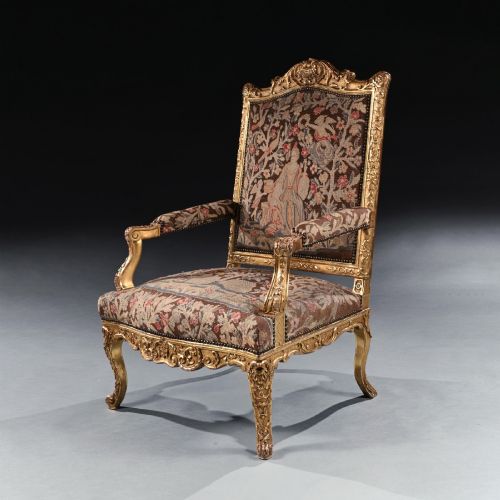
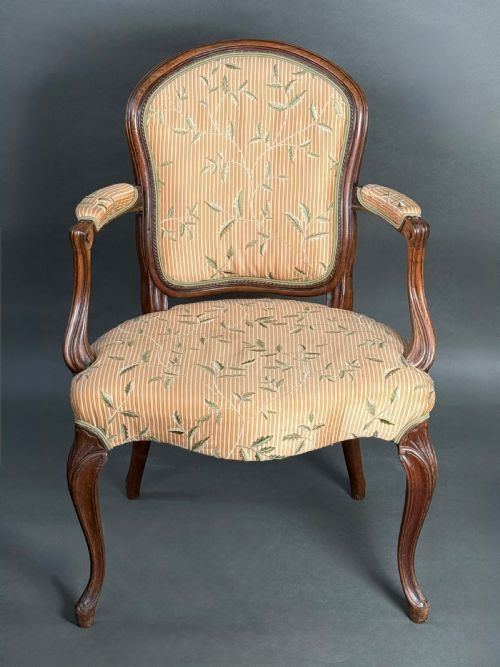
Origins stretch across English workshops, Welsh country cottages, Dutch marquetry centres, and French salons. Each geographical tradition imparts specific structural traits and decorative treatments to the timber frame.
How they were made
Cabinet-makers and country joiners relied predominantly on solid hardwoods including mahogany, oak, walnut, elm, ash, and fruitwood. These timbers were selected for their grain and strength, often joined using traditional mortise and tenon joints.
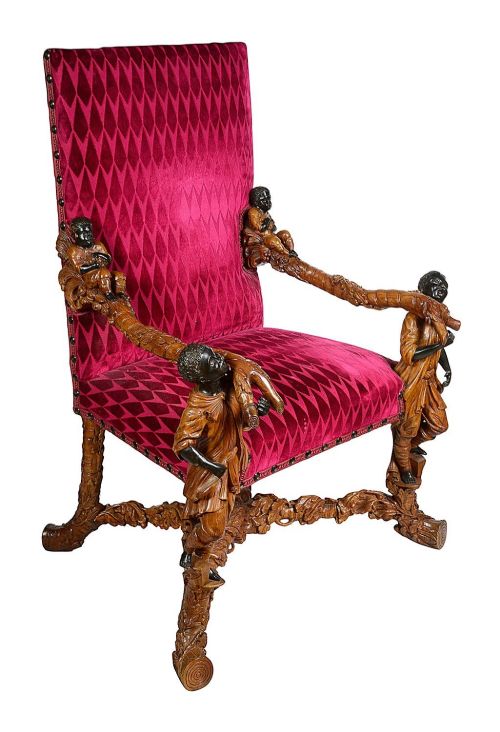
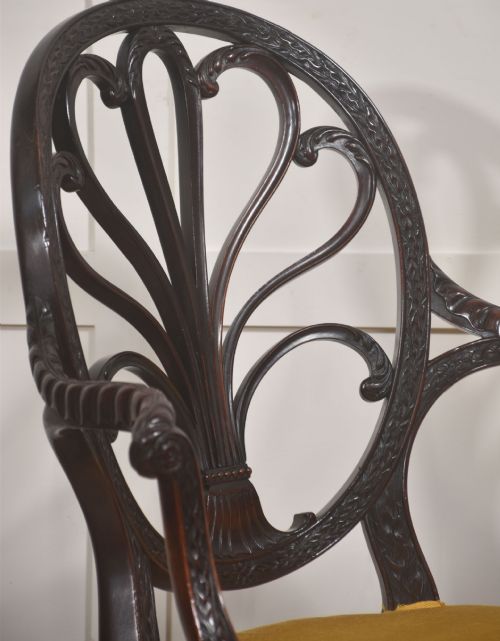
Carving, turning, and marquetry inlay required specialised hand tools to shape cabriole legs, ladder backs, and intricate crest rails. Seats were constructed using webbed upholstery, drop-in frames, woven rush, or solid wooden boards.
18th Century Arm Chair Retail Price Guide 2026
Typical asking prices for 18th century arm chair among the pieces listed under this phrase on Sellingantiques today, from the lower quarter to the upper quarter. They describe what is for sale here now, not the wider market.
Some sturdy 18th century arm chairs doubled as specialised turner's seats or infant high chairs in busy family homes.
What varies in quality
Quality depends heavily on the crispness of hand-carved details and the integrity of the underlying timber frame. Superior examples display harmonious proportions and original joinery without excessive structural replacement.
The survival of original surfaces, such as aged patina, hand-dyed leather, or early fabric coverings, significantly elevates the integrity of a piece. Variations also emerge in the sophistication of regional designs compared to urban London commissions.
Gillows
The 18th Century Arm Chair Glossary
- Gainsborough armchair
- A wide, upholstered armchair with open padded arms, originating in the mid-18th century for library use.
- Wainscot chair
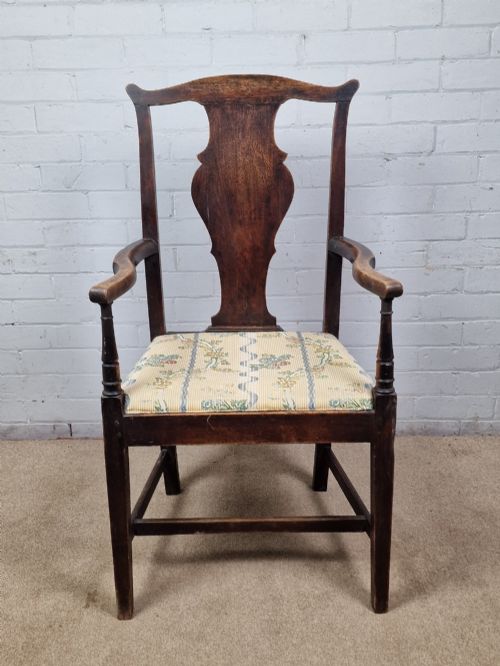
- A heavy wooden armchair, usually constructed from oak with a high panelled back, dating from earlier vernacular traditions.
- Cabriole leg
- A furniture leg that curves outward at the knee and inward at the ankle, terminating in a pad, claw, or ball foot.
- Ladderback
- A chair back featuring multiple horizontal arched slats resembling the rungs of a ladder, common in regional country seating.
- Comb back
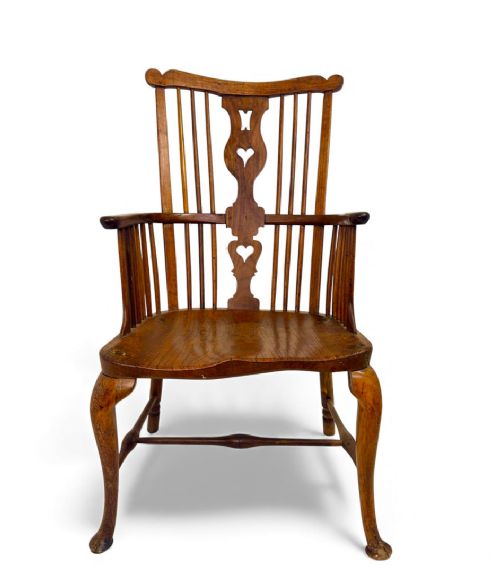
- A Windsor chair variation where the vertical spindles extend through a head-piece, creating a comb-like crest.
18th Century Arm Chair: Frequently Asked Questions
How do I identify a genuine 18th century arm chair?
Examine the timber shrinkage, hand-cut joinery, and tool marks visible on hidden underside surfaces. Genuine period pieces display appropriate wear patterns and structural methods consistent with eighteenth-century workshop practices.
Compare the proportions and decorative motifs against documented examples from the same stylistic period. Subtle inconsistencies in timber ageing or modern fixings often indicate later restoration or reproduction.
What is a Gainsborough armchair used for?
Gainsborough chairs were designed as wide, comfortable seats for reading and writing in libraries or studies. Their generous proportions accommodated the elaborate clothing fashions of the period.
Today, these upholstered armchairs function well as occasional seating in living rooms or studies. Their open arms allow them to sit neatly beside desks or low tables.
How should I care for antique wood and leather?
Maintain stable indoor humidity levels and keep wooden frames away from direct heat sources and sunlight. Regular dusting with a dry, soft cloth preserves the historic finish and accumulated patina.
Condition leather seats periodically with appropriate conservator-approved balms to prevent drying and cracking. Avoid using modern chemical polishes that can degrade original surface treatments.
What is the difference between regional and urban chairs?
Urban pieces made in London workshops frequently utilised imported mahogany and followed fashionable European design movements like Chippendale or Hepplewhite. They often showcase sophisticated carving and cabinet-making techniques.
Regional vernacular chairs utilised local timbers such as oak, ash, elm, and fruitwood. These country pieces prioritized robust construction and utilitarian comfort over courtly ornamentation.