

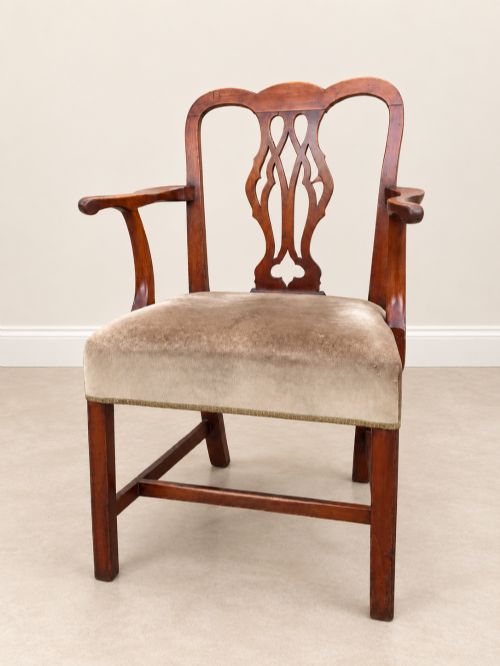
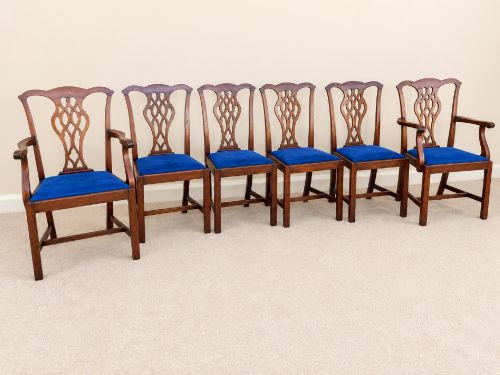
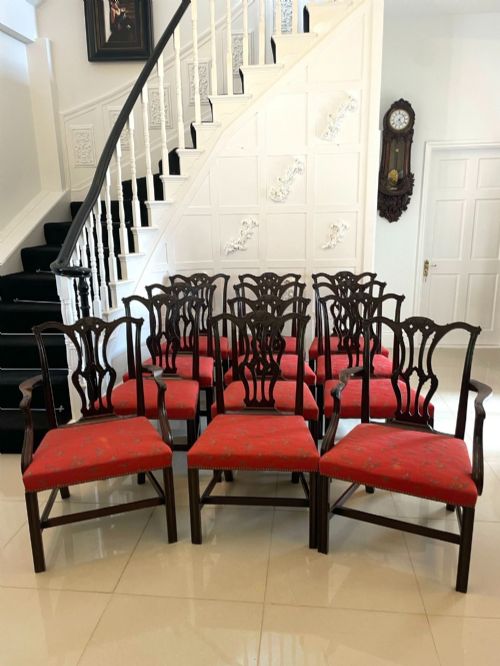
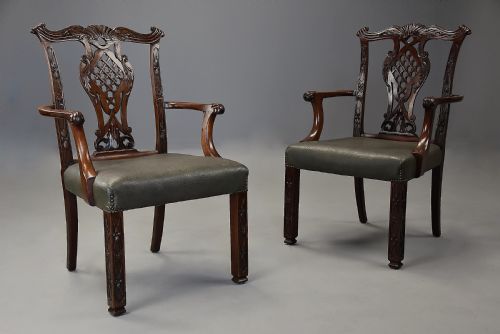
Chippendale Style Carver Chair
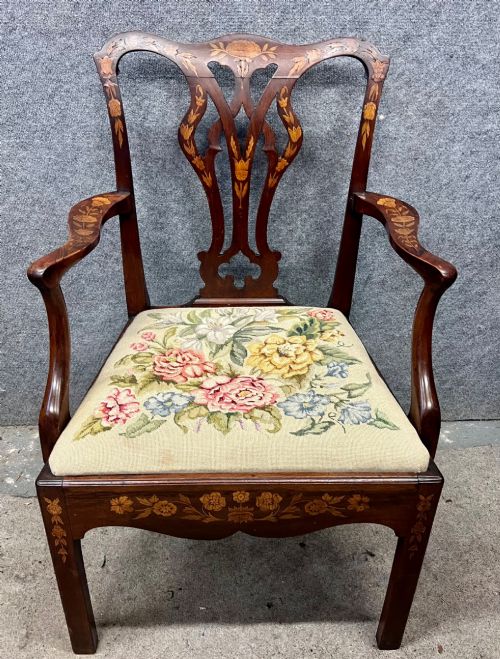
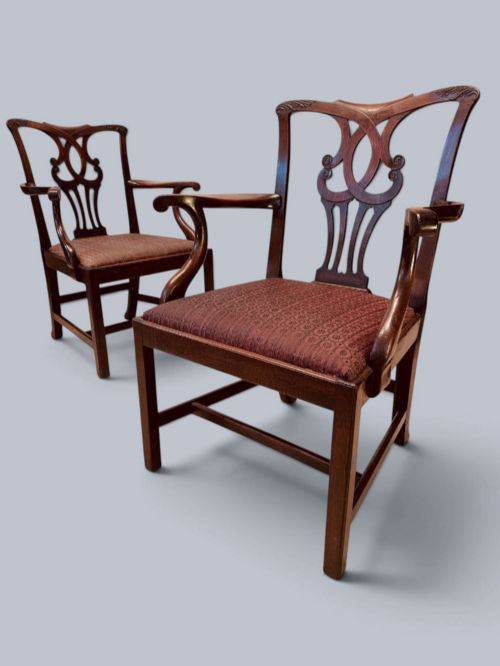
A chippendale style carver chair offers sturdy timber construction and carved back details for practical seating.
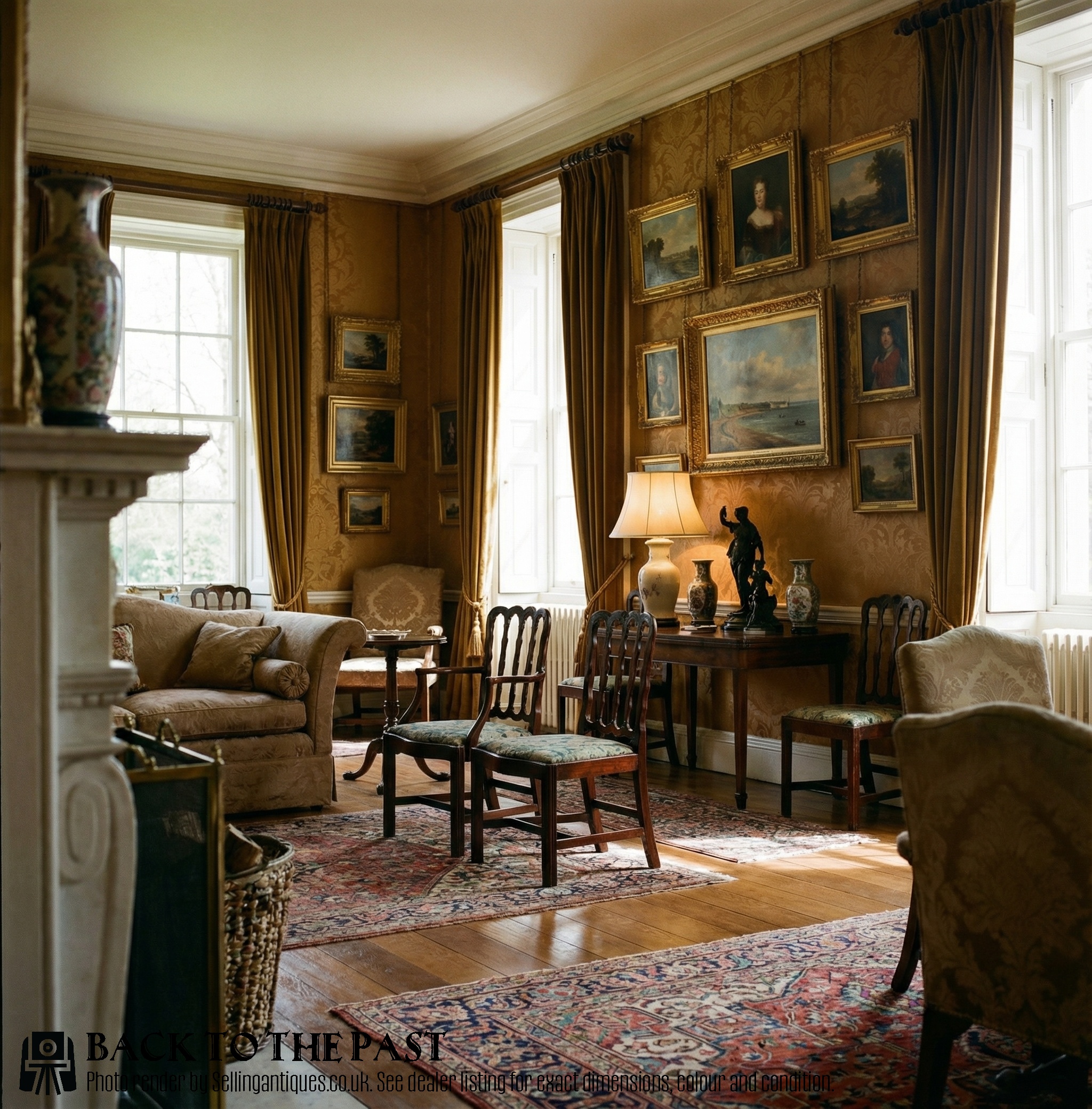
Chippendale Style Carver Chair
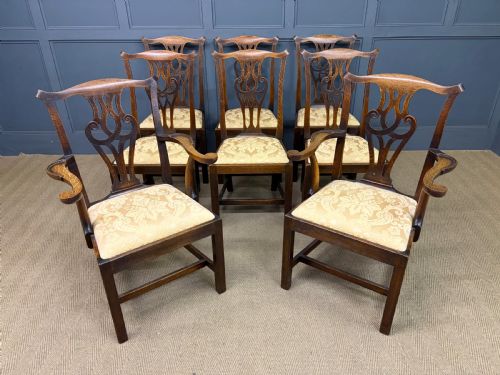
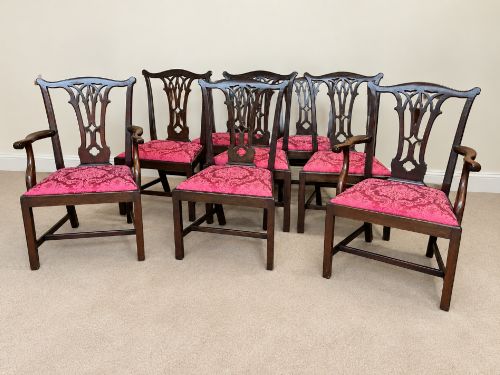
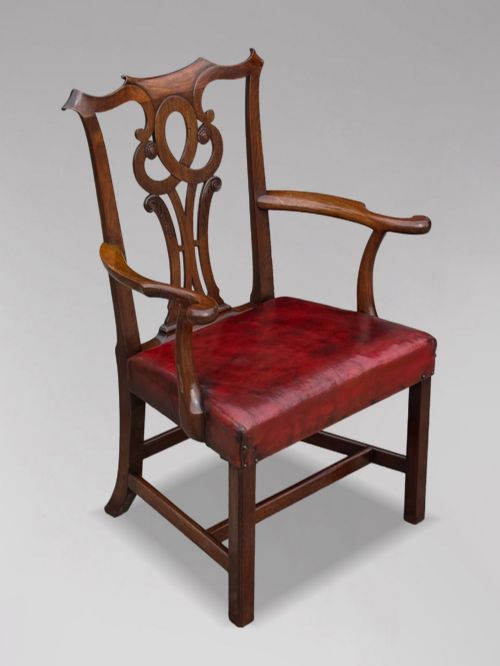
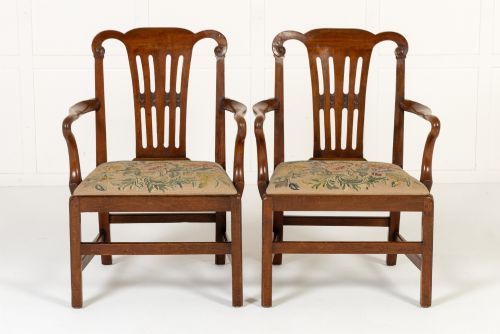
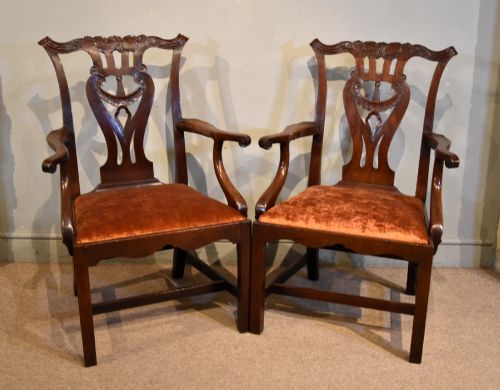
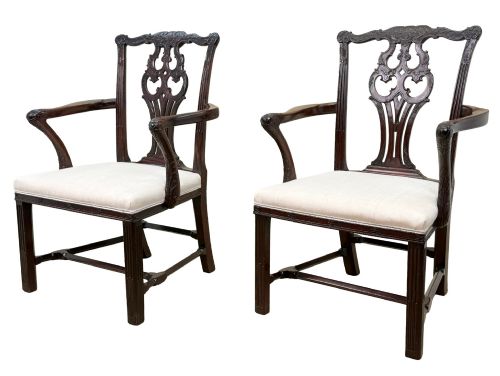
A chippendale style carver chair is an armchair featuring open arms, designed for dining tables, desks or libraries.
The selections on this page span the 18th century through to the 1930s, encompassing Georgian originals and later Chippendale Revival pieces.
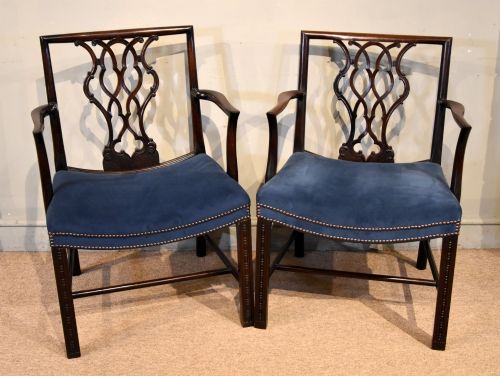
Buyers will encounter single armchairs, pairs and larger dining sets that include carvers alongside matching single chairs.
How they were made
Cabinetmakers utilised dense timbers like mahogany, walnut and fruitwood to construct these chairs, ensuring robust frames capable of enduring daily use.
Joinery techniques such as mortise and tenon joints secure the structural integrity of the arms and legs, while hand-carved splats define the backrests.
Chippendale Style Carver Chair Retail Price Guide 2026
Typical asking prices for chippendale style carver chair among the pieces listed under this phrase on Sellingantiques today, from the lower quarter to the upper quarter. They describe what is for sale here now, not the wider market.
Listings feature mahogany and walnut as the primary woods, supplemented by occasional fruitwood and oak examples.
What varies in quality
The crispness and depth of the hand-carving on the back splats and top rails separate standard examples from finer works.
Selection of timber grain and the solidity of the frame construction determine the durability and overall refinement of each seat.
Alfred Allen of Birmingham·Wheelers of Arncroach
The Chippendale Style Carver Chair Glossary
- Carver
- An armchair, typically larger and with open arms, designed to sit at the head of a dining table or function as a desk chair.
- Splat
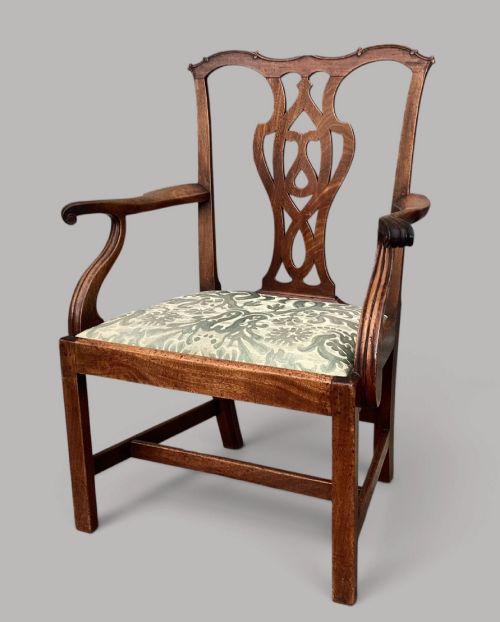
- The vertical wooden slat positioned in the centre of the chair back, frequently carved in ribbon or ladder patterns.
- Elbow chair
- An alternative term for an armchair, referencing the supportive rests for the arms.
- Cockpen
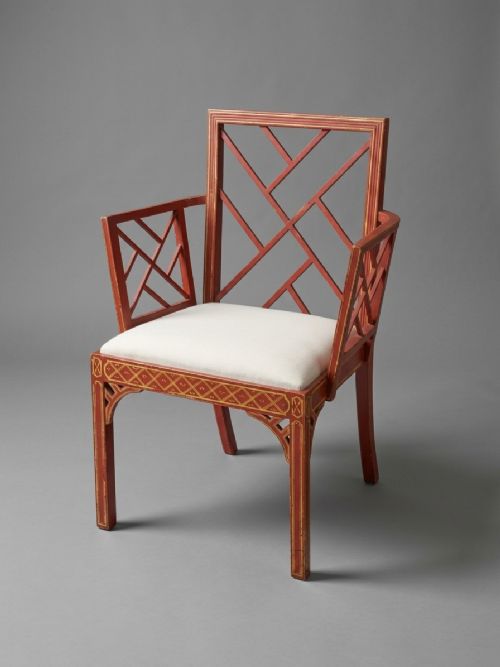
- A lattice-work chair design associated with Chinese Chippendale aesthetics, featuring intersecting wooden bars.
Chippendale Style Carver Chair: Frequently Asked Questions
What is a carver chair?
A carver chair is an armchair designed to match a set of dining chairs, traditionally placed at the head of the table. These chairs feature supportive armrests for added comfort during long meals.
They also function effectively as desk chairs or occasional seating in studies and morning rooms.
How do I identify a Chippendale style?
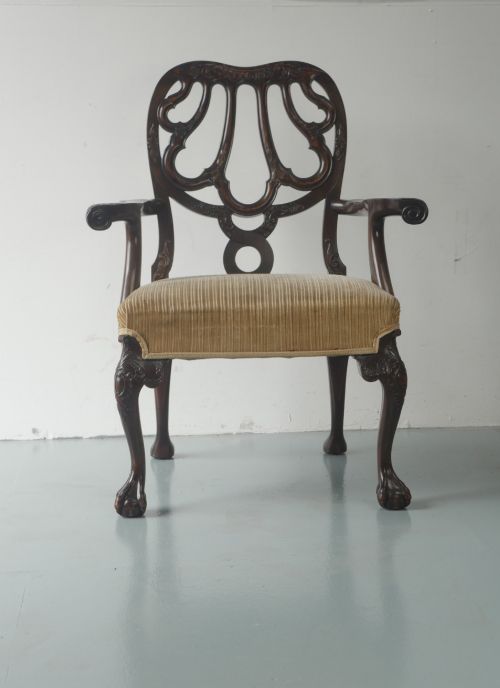
Chippendale style chairs are typically characterised by intricately carved back splats, often featuring ribbon, scroll or ladder motifs. They frequently display cabriole legs ending in ball-and-claw feet or straight square legs.
Mahogany and walnut serve as the predominant woods used in crafting these distinctive frames.
Are these chairs suitable for daily dining?
Solid timber construction and sturdy joinery make these antique and revival chairs robust enough for regular dining use. Upholstered seats in fabric, leather or tapestry provide practical comfort for everyday seating.
Periodic checks of the leg joints ensure the frames remain stable over decades of use.
How do I tell an 18th century chair from a revival piece?
Eighteenth-century originals display hand-cut joinery marks, timber patination and wear patterns consistent with extended age. Revival pieces from the 19th and early 20th centuries replicate these classical forms using manufacturing techniques of their own era.
Examining the wood density and construction methods helps clarify the period of production.