
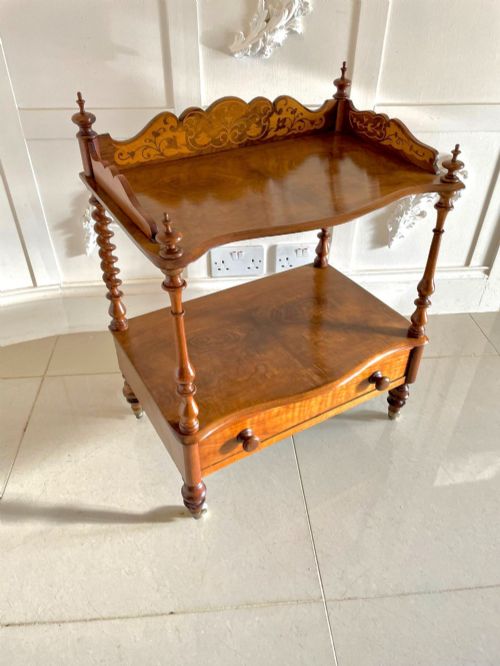
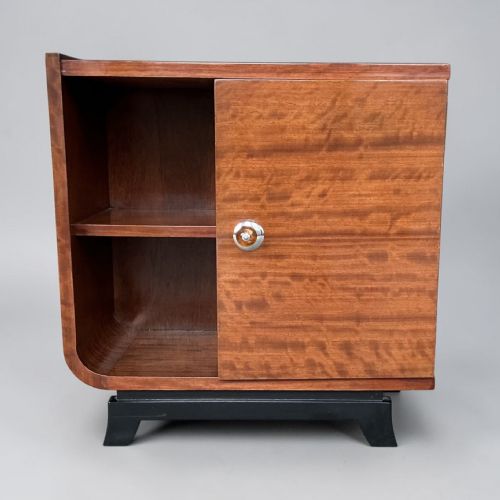
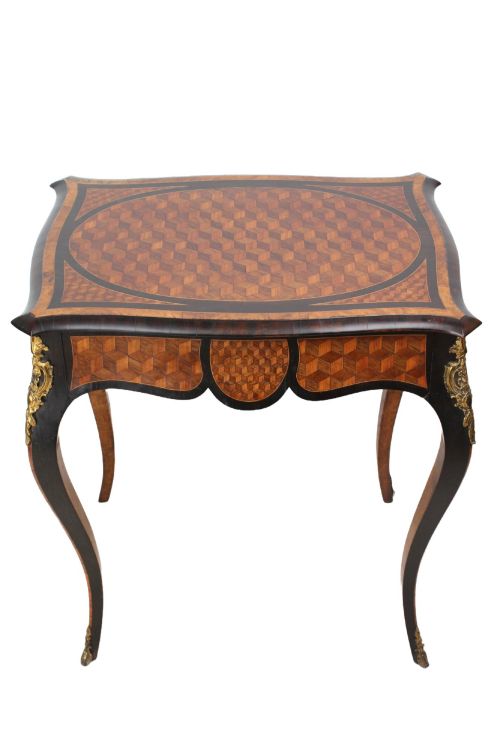
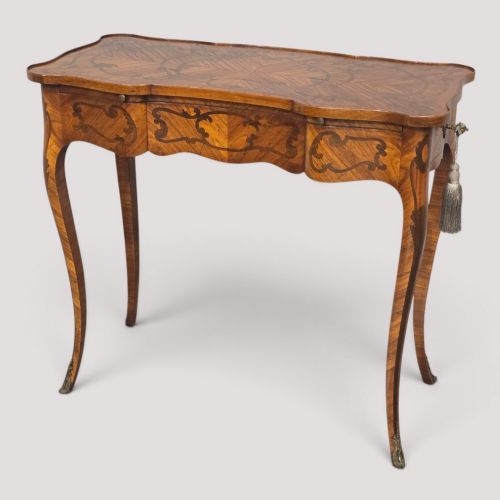
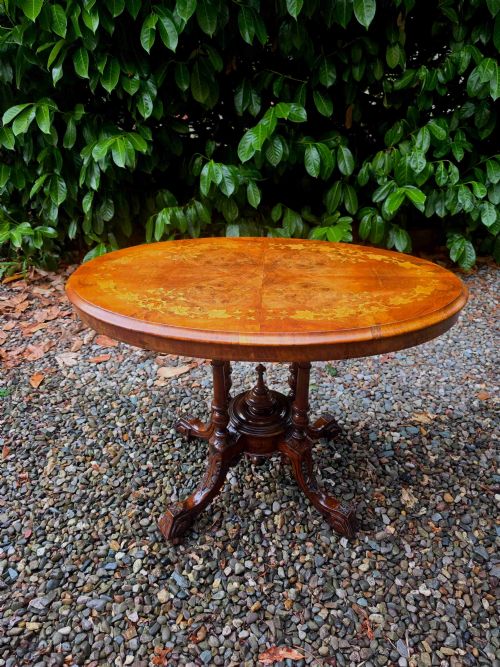
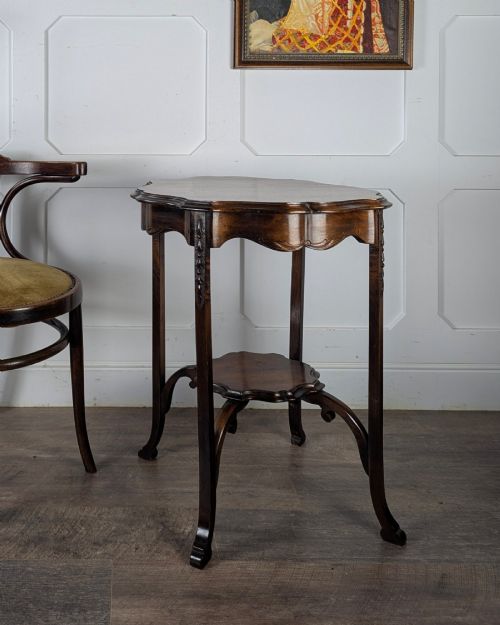
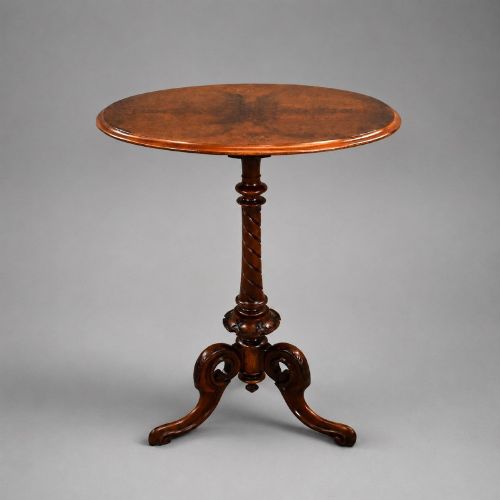
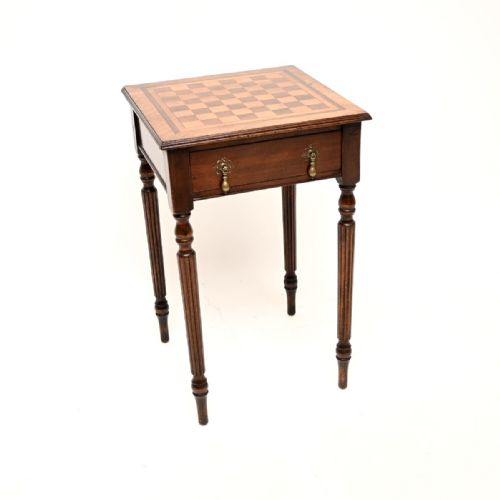
Small Walnut Side Table
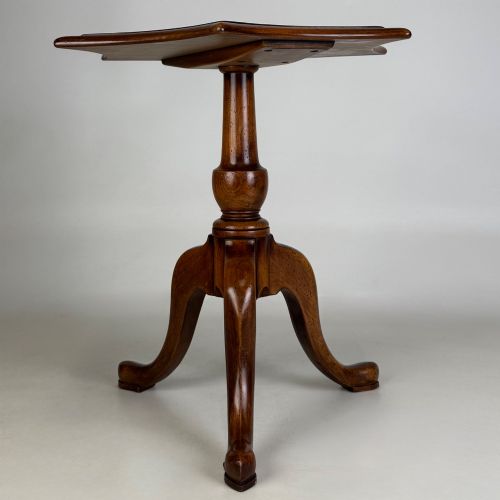
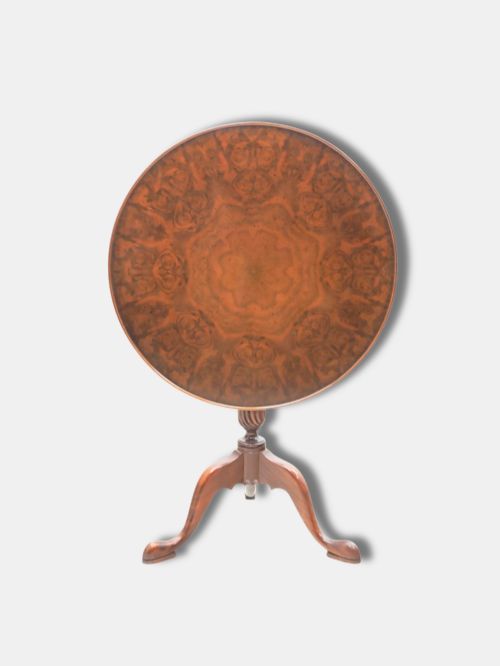
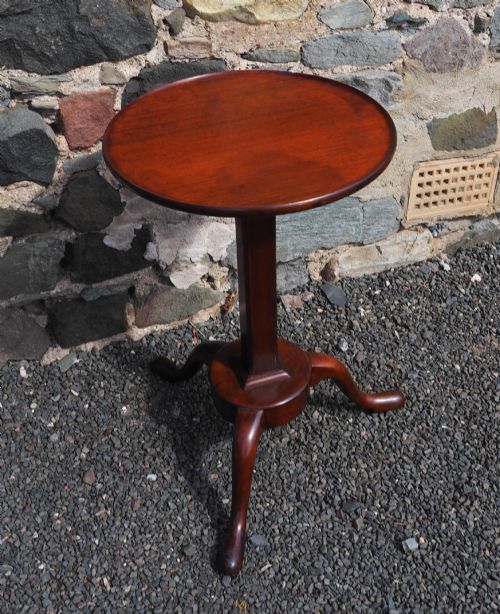
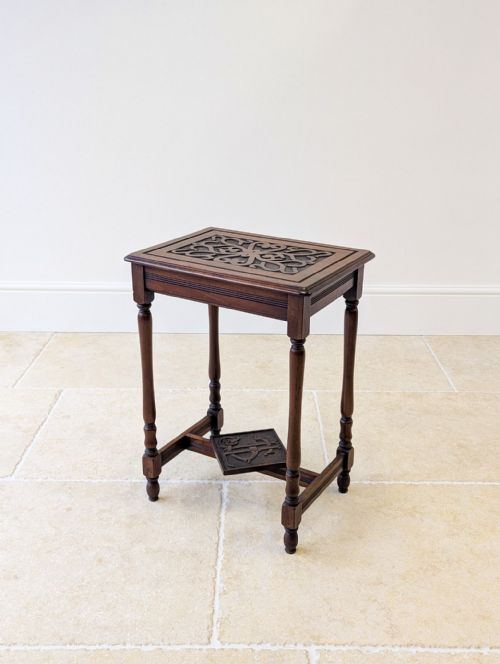
These small walnut side table examples combine rich timber figure with compact proportions, offering a practical surface that anchors a room.
What a small walnut side table is
A small walnut side table provides a compact surface for lamps, books, or ornaments while displaying the rich grain of the timber. When you search for a small walnut side table, you encounter a range of historic forms designed to fit modest spaces in period interiors.
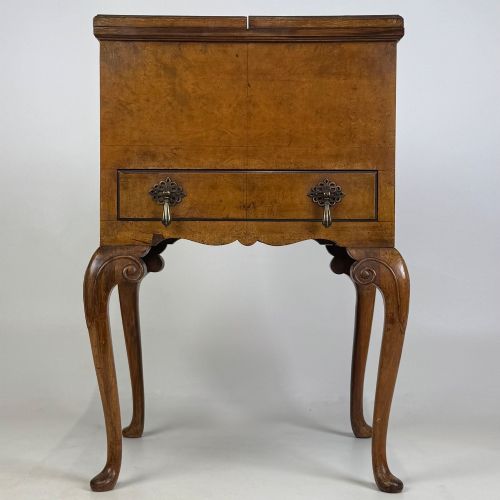
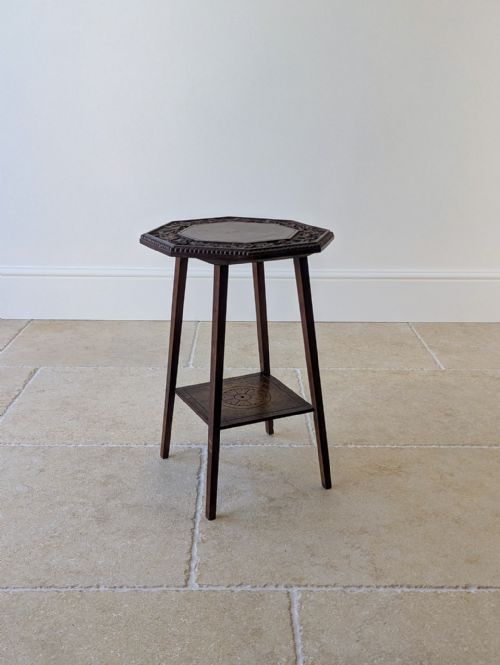
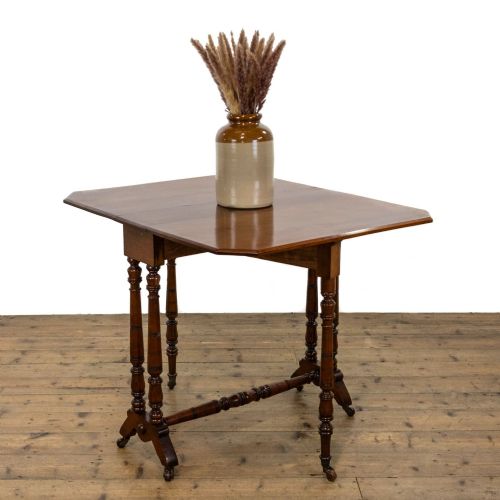
The selections span distinct historical eras, including pieces from the Edwardian period, the nineteenth century, and specific dates such as eighteen sixty. Common forms include drop-leaf Sutherland tables, lowboys, bedside cabinets, and occasional tables.
Makers drew on traditional stylistic vocabularies, producing items in Victorian, Edwardian, and Georgian Revival styles. These pieces function well as bedside stands, hall furniture, or sofa tables.
How they were made
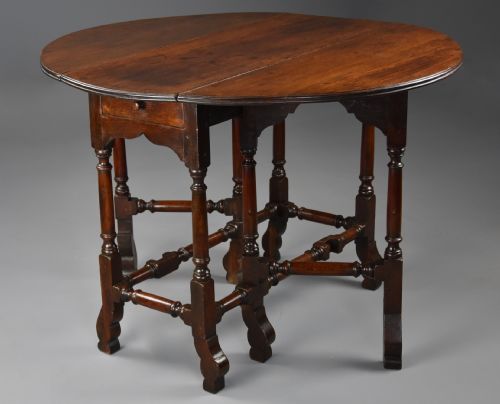
Cabinet makers utilised solid walnut and decorative burr walnut veneers to construct these tables, often selecting timber with pronounced figuring. Construction methods included dovetailed drawers, turned legs, and drop-leaf mechanisms.
Makers incorporated brass hardware, ceramic elements, and wood inlay to enhance the appearance of the timber. Surfaces were polished to highlight the natural warmth and grain patterns of the walnut.
Retail Price Guide 2026
Typical UK retail prices for small walnut side table, calculated from the Sellingantiques database of over a million retail prices indexed since 2003. This retail price guide relies exclusively on Sellingantiques data; no external sources or auction records are used, so the figures do not describe the wider market.
Some nineteenth-century tables include drop leaves narrow enough to turn a crowded parlour into a ballroom between dances.
What varies in quality
Quality rests in the choice of timber figure, where richly patterned burr walnut veneer denotes superior grade over plain stock. The crispness of carved details, the stability of drop-leaf actions, and the neatness of wood inlay separate the finer examples from simpler workshops.
Construction integrity defines the better pieces, seen in tight joints and well-fitted drawers with original brass fittings rather than later replacements. The balance of proportion and the depth of the hand-finished polish determine the visual authority of the table.
The Small Walnut Side Table Glossary
- Lowboy
- A small side table with drawers, typically raised on four tall legs. It served historically as a dressing or writing table before finding a place in halls and living spaces.
- Sutherland table
- A narrow drop-leaf table with hinged flaps that fold down steeply on either side. It relies on a swinging gate-leg frame to support the leaves when raised.
- Drop leaf
- A table top fitted with hinged flaps that can be raised to increase surface area or lowered for compact storage. This mechanism allows the furniture to adapt to smaller rooms.
- Demi-lune
- A half-moon shape used for console and side tables designed to sit flush against a wall. This profile maximises floor space in narrow hallways.
Frequently Asked Questions
Where should I place a small walnut side table?
These tables suit hallways, beside armchairs, or next to beds where surface area is limited. Their compact footprints allow them to fit into corners and tight spaces without dominating the room.
Pair them with lamps or small decorative objects to make use of the surface while displaying the timber grain against a wall or beside upholstered furniture.
How do I care for walnut furniture?
Keep walnut furniture away from direct sunlight and heat sources to prevent the timber and veneer from drying out or splitting. Dust regularly with a dry cloth and occasionally apply a suitable wax to maintain the finish.
Avoid using harsh chemical sprays or placing wet glasses directly on the polished surface without coasters.
What is burr walnut?
Burr walnut comes from the wart-like growths on walnut trees, producing a complex, swirling pattern of grain. It was prized by cabinet makers for decorative veneers on tabletops and drawer fronts.
Because of its irregular growth, burr walnut is difficult to work with and typically signals a higher grade of furniture.
How do I distinguish an Edwardian piece from a Victorian one?
Victorian pieces often display heavier proportions, darker finishes, and more elaborate carving, reflecting the tastes of the nineteenth century. Edwardian items tend to be lighter in scale and sometimes incorporate Georgian Revival motifs.
Examine the secondary woods inside drawers and the style of the hardware for clues regarding the date of manufacture.