
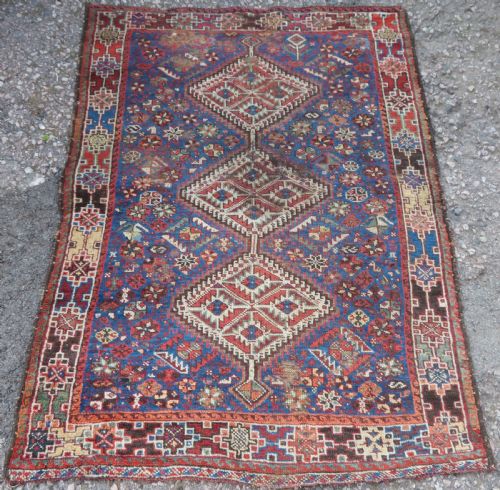

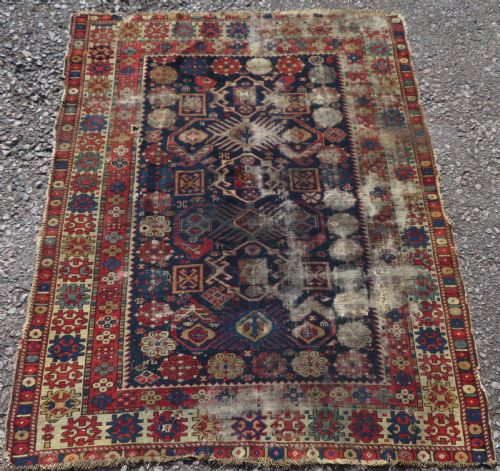
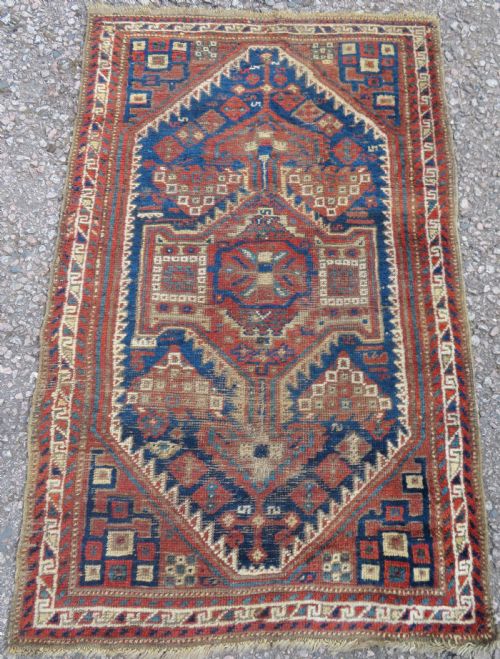
Small Tribal Rug
When you search for a small tribal rug, you are looking at hand-woven nomadic textiles prized for geometric motifs and saturated natural dyes.
Small Tribal Rug
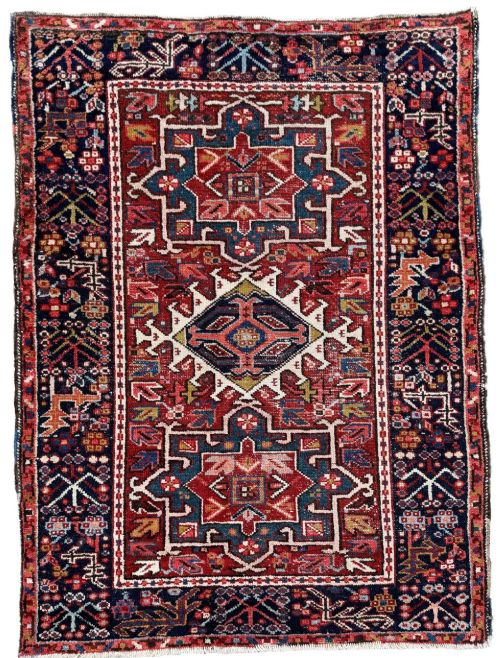
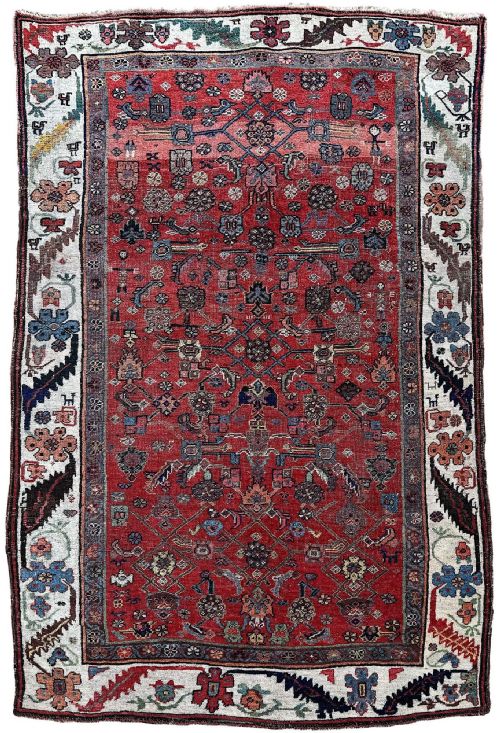
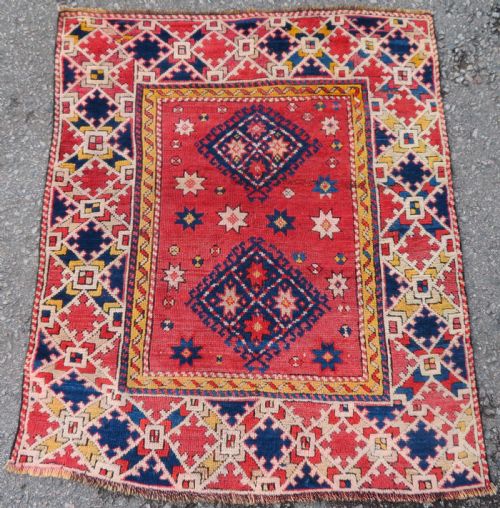
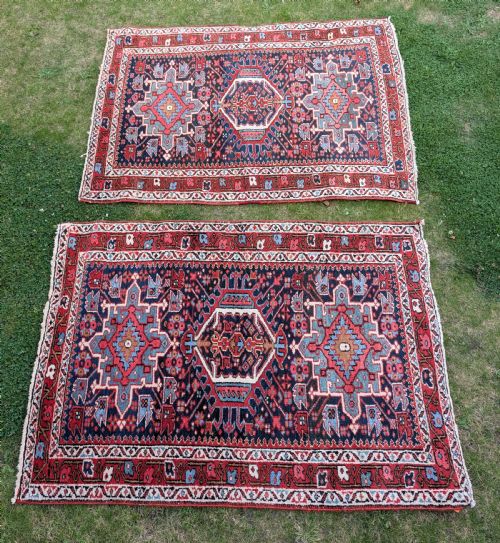
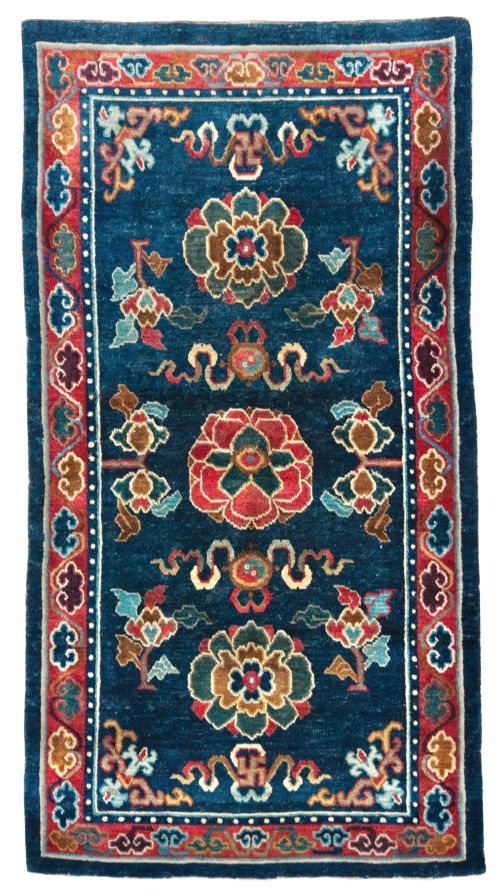
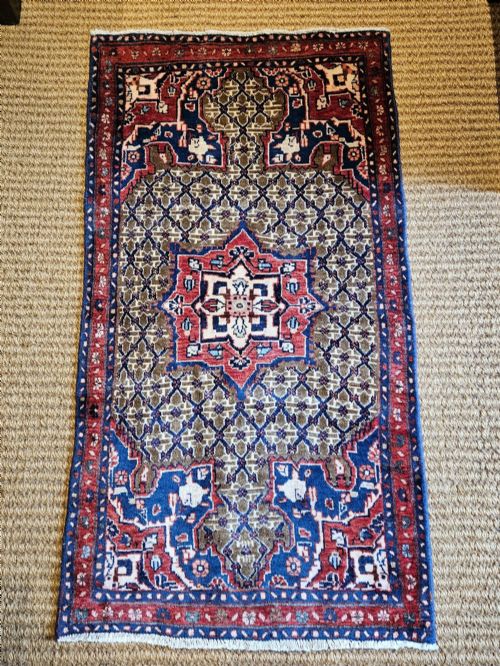
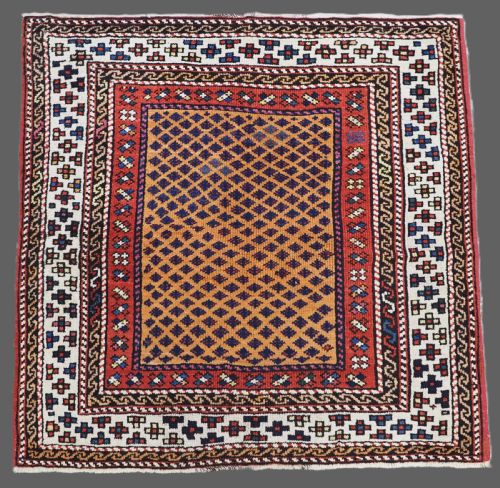
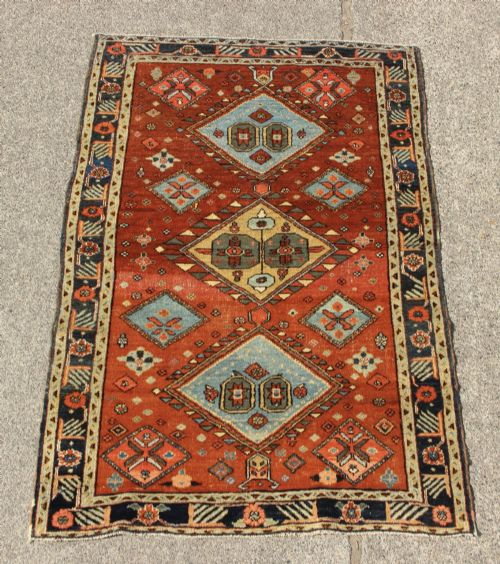
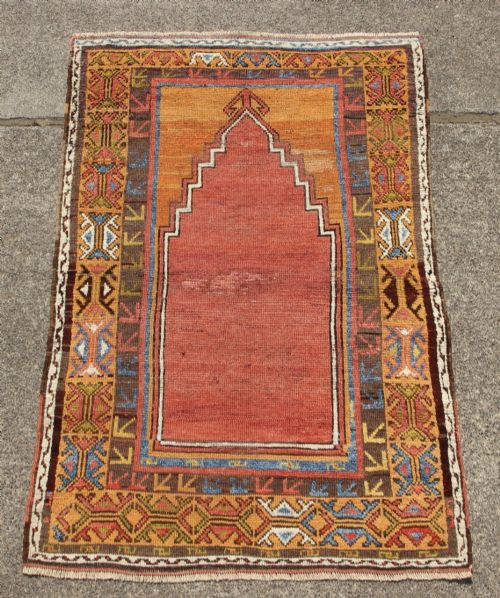
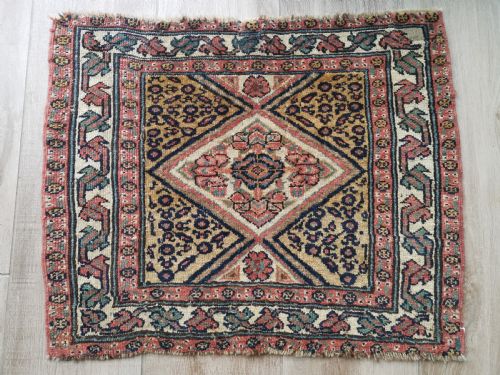
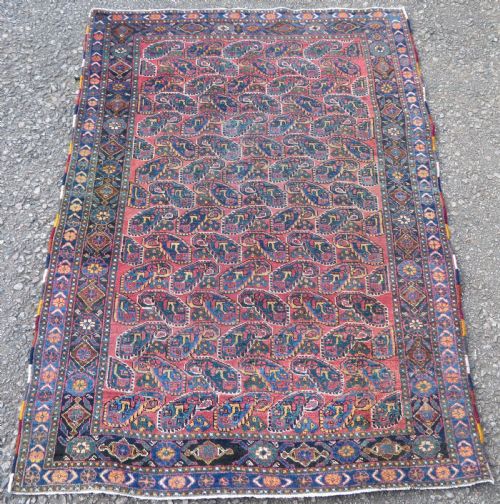
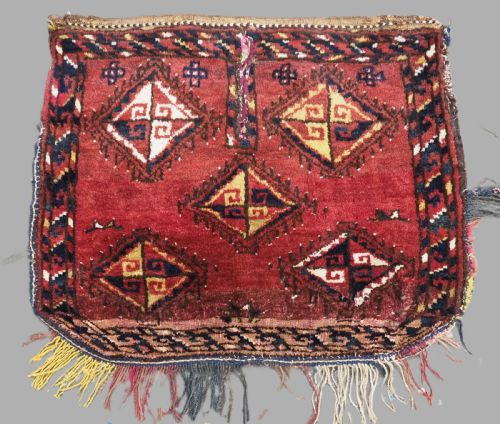
A small tribal rug embodies the utilitarian textile traditions of nomadic and village weavers across Persia, Anatolia, the Caucasus, and Central Asia. These compact pieces include hearth-sized floor coverings, prayer formats, saddle bags, and tent trappings woven during the nineteenth and early twentieth centuries. The typical example on this page presents an asymmetric or symmetric knotted-pile structure created for domestic utility or personal transit.
Makers designed these compact formats for portability, utilising formats that suited encampments, animal transport, or specific household functions. Village weavers and nomadic tribespeople incorporated local geometric memory and tribal totems into the borders and central fields. Such textiles reflect the specific regional weaving heritage of groups like the Baluch, Khamseh, Afshar, and Karaja.
The survival of these portable textiles depends upon their sturdy wool construction and secondary cotton or wool foundations. While many domestic floor rugs faced heavy foot traffic, smaller utility bags and saddle covers often survived with intact pile due to specialised domestic use. Collectors encounter these diverse formats ranging from square mats to elongated village runner fragments.
How they were made
Weavers relied on hand-spun wool for the pile, yielding a resilient texture that accepts natural dyes with depth and variation. Foundations typically consist of wool or cotton warps and wefts, hand-loomed in horizontal or vertical configurations within nomadic camps and permanent villages. Silk appears selectively in specific regional needlework and specialised textile pieces.
Natural dyestuffs extracted from plants, roots, and insects provided the rich palette characteristic of these regional textiles before the widespread adoption of synthetic dyes. Weavers tied symmetrical or asymmetrical knots around warp threads, beating down each row with heavy combs to ensure a dense and durable textile structure.
Materials documented across the inventory comprise hand-spun wool, cotton foundations, natural dyes, and occasional silk.
What varies in quality
The primary distinction in quality lies in the integrity of the hand-spun wool and the complexity of the natural dye palette. Superior pieces display luminous wool with saturated secondary tones that mellow evenly across the field without muddying the primary motifs. The precision of the knotting and the crisp execution of tribal geometries further separate masterwork village weaving from standard utility production.
Structural preservation defines the upper tier of surviving examples, where original braided or flatwoven selvedges and complete end finishes remain intact. Condition variations, such as localized pile loss or period repairs, influence how closely a textile retains its original aesthetic balance. The vitality of the drawing and the individual expression of the weaver dictate the visual success of each composition.
The Small Tribal Rug Glossary
- Natural Dyes
- Organic colorants derived from madder, indigo, weld, and insects prior to the introduction of synthetic alternatives. These dyes interact with wool fibres to produce rich, nuanced tones that age with distinctive character.
- Hand-Spun Wool
- Sheep fleece processed by hand using a spindle rather than industrial machinery, resulting in variable thickness and lively texture. This traditional preparation absorbs natural dye baths unevenly, creating a mottled appearance known as abrage.
- Prayer Rug
- A specific format featuring a directional mihrab or arch design indicating the orientation for daily devotion. These pieces served personal religious functions within nomadic and village households.
- Saddle Bag
- A utilitarian double-pouch woven for transport on pack animals, often featuring intricate face designs. Surviving examples frequently survive as individual bagfaces separated from their original reverse panels.
- Knot Density
- The count of individual knots per square inch or decimetre, reflecting the fineness of the weaving technique. Tribal pieces typically exhibit lower knot counts than urban workshop carpets, prioritizing bold design over intricate miniaturization.
Small Tribal Rug: Frequently Asked Questions
How were small tribal rugs used originally?
Nomadic weavers produced these textiles for daily functional requirements inside tents and temporary shelters. They served as floor coverings near hearths, seated prayer spaces, animal transport packs, and secure storage containers for household provisions.
Because they were portable, these woven pieces accompanied families during seasonal migrations. Their compact dimensions made them adaptable for multiple domestic roles within traditional nomadic architecture.
How do I identify a tribal design?
Tribal designs rely on geometric memory, rectilinear medallions, stylized animal forms, and repeating hooked motifs rather than formal floral curves. Weavers worked from tradition rather than paper cartoons, resulting in charming irregularities and spontaneous shifts in colour and symmetry.
Regional attribution often reveals itself through specific border arrangements, palette choices, and wool characteristics. Examining the weave structure helps link a textile to particular tribal groups such as the Baluch, Qashqai, or Shahsevan.
Are natural dyes easy to spot?
Natural dyes display a characteristic vibrancy and depth that synthetic counterparts struggle to replicate. As these organic colours age under light and wear, they develop a harmonious patina where individual shades soften into one another.
Examining individual wool strands close to the foundation often reveals tonal variation along the length of the fibre. This subtle shift in hue demonstrates the traditional dyeing process utilising plant and insect extracts.
How should I care for an antique rug?
Protect antique wool textiles by placing a breathable, non-skid underlay beneath them to prevent friction against hard flooring. Regular gentle vacuuming without a rotating power brush helps remove abrasive dust particles from the pile base.
Keep these pieces out of direct, continuous sunlight to preserve the organic dye colours. Professional textile conservation cleaning should occur infrequently and only by specialists experienced in antique nomadic rugs.