

Small Sofa Table
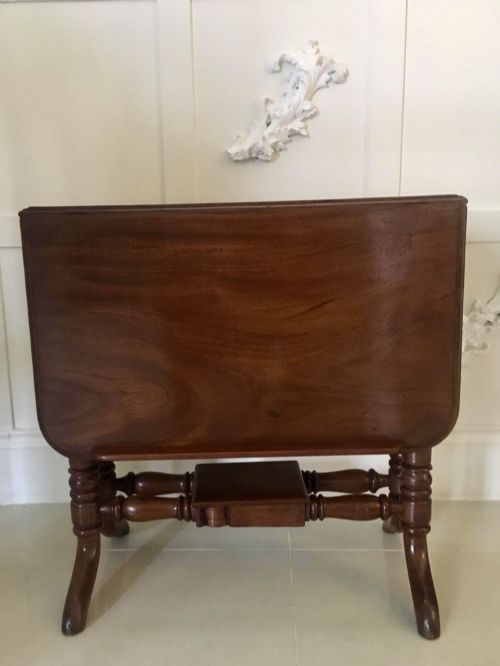
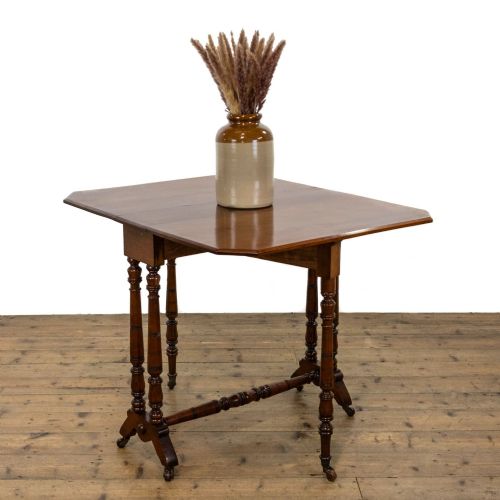
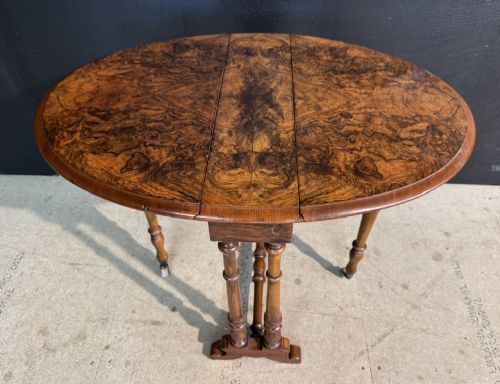
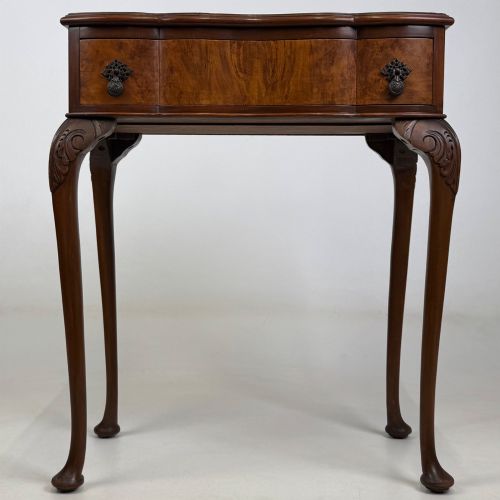
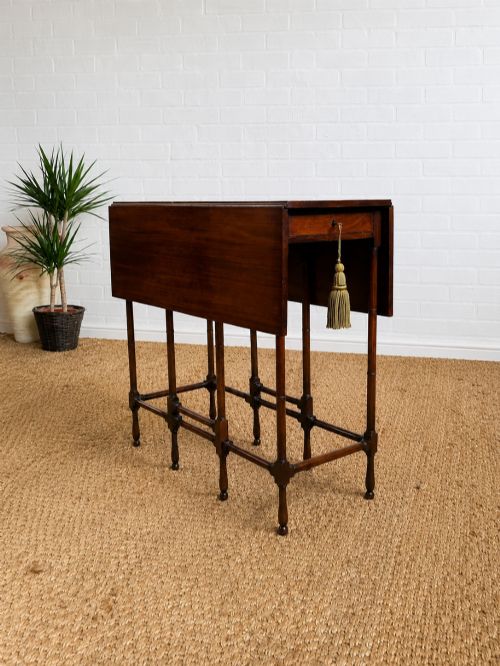
A small sofa table brings compact elegance to a room, offering drop leaves and slender proportions inherited from the Georgian and Regency periods.
Small Sofa Table
When you search for a small sofa table, you encounter versatile, drop-leaf library or centre tables designed historically to stand neatly in front of a sofa or close to a fireside. The pieces found here predominantly hail from the Regency and Victorian eras, though examples stretch from the Georgian period into the Edwardian years.
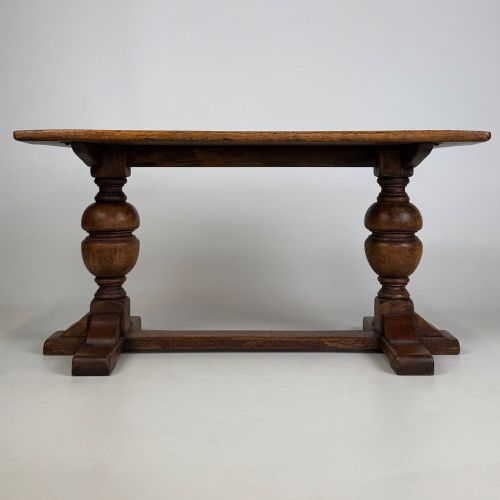
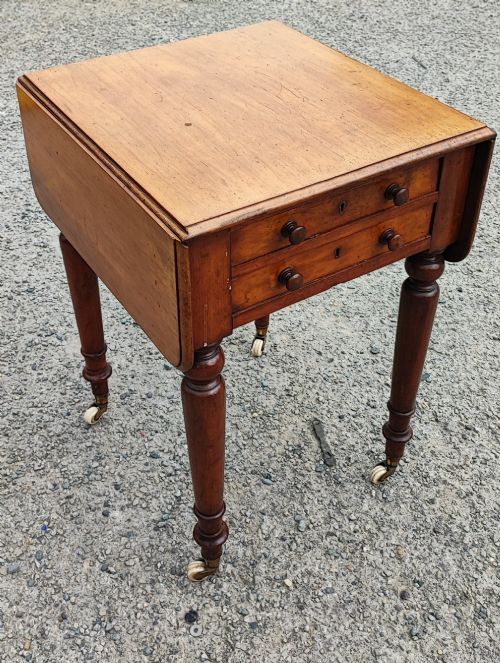
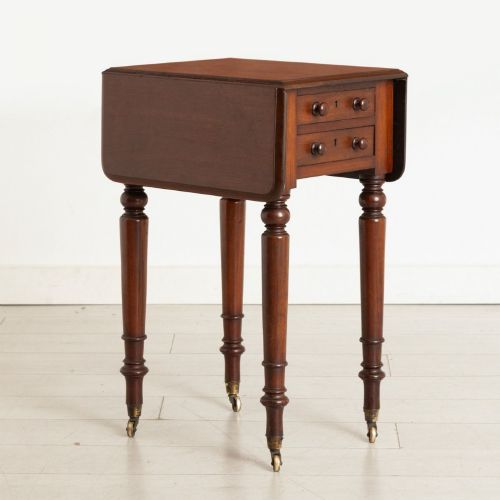
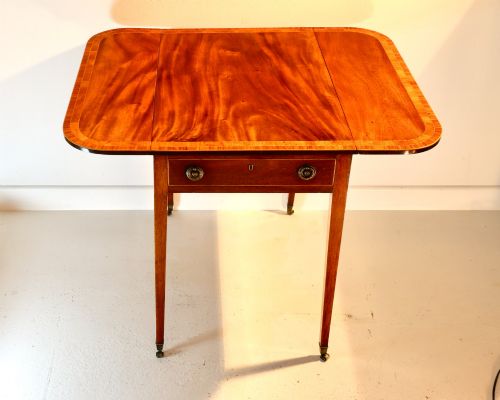
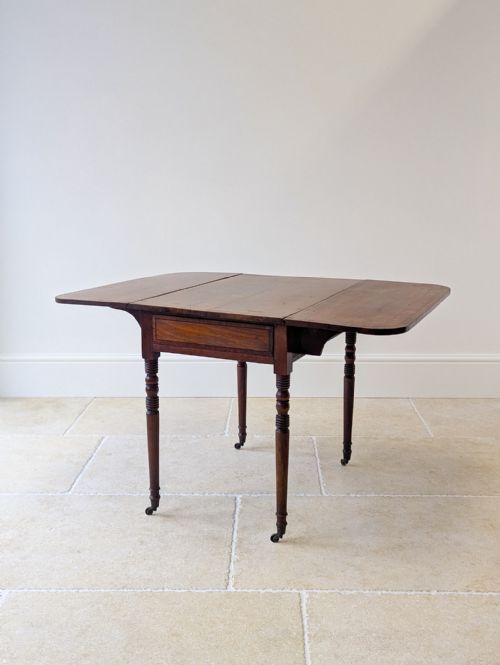
Makers often constructed these forms with twin drop flaps and narrow rectangular tops supported by pillars, trestle ends, or pillar columns. Alongside designated sofa tables, the category embraces related drop-leaf designs, including Pembroke tables, lamp tables, and small writing tables sharing similar proportions.
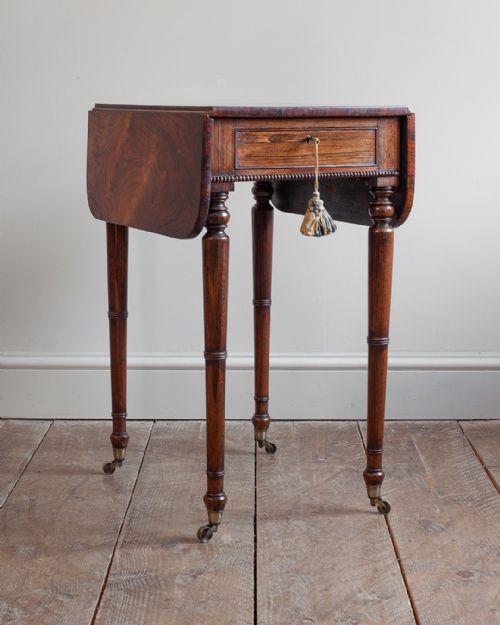
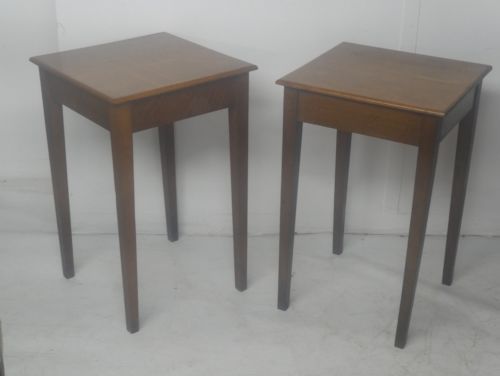
Most selections feature practical additions such as small drawers for writing materials or needlework, making them adaptable for modern living spaces as lamp or occasional tables. Their defining characteristic remains their reduced scale, which allows them to fit effortlessly into compact interiors while retaining formal design details.
How they were made
Cabinet makers relied heavily on dense timbers such as mahogany, rosewood, and walnut, frequently enhancing the surfaces with satinwood inlay, brass stringing, or crossbanding. Timber selection dictated the visual weight of the piece, with figured grain patterns chosen specifically for prominent table tops and drop leaves.
Construction techniques centred on stability and movement control, particularly given the hinges required for drop-leaf mechanisms and the stress placed on slender pillar or trestle supports. Drawers utilised traditional dovetail joints, while bases ranged from four-legged pillar columns to twin-pillar end supports fitted with brass castors.
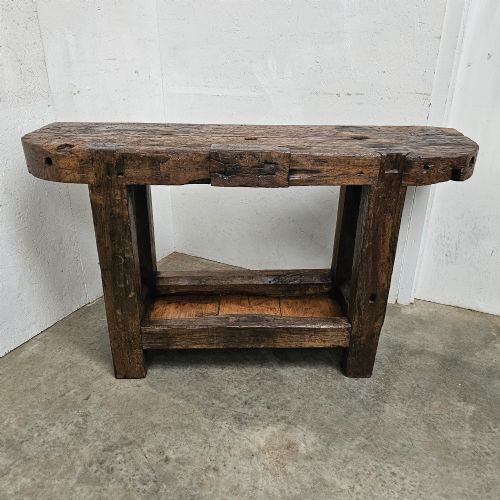
Object forms on this page extend beyond standard sofa tables to include Pembroke tables, workbenches, writing tables, and multi-tier occasional pieces.
What varies in quality
The highest tier of these tables is distinguished by exceptional timber selection, such as richly figured rosewood or burr walnut, combined with refined decorative details like intricate brass inlay and crossbanded borders. Superior examples often bear the hallmarks of notable cabinet makers through meticulous joinery and balanced proportions.
Lesser examples display plain secondary timbers, simpler turned legs without inlay, and standard drop leaves that lack the crisp edge moulding or stability of workshop-produced pieces. Quality ultimately rests on the harmony of the proportions, the integrity of the timber figuring, and the precision of the hardware.
W. Turner Lord & Co·Gillows·William Trotter·Liberty and Co
The Small Sofa Table Glossary
- Drop flap
- A hinged side leaf attached to a main table top that extends the surface area when raised. These flaps are supported by swing brackets or rule joints.
- Crossbanding
- A narrow strip of veneer applied to the border of a table top with the grain running perpendicular to the centre panel. This technique frames the primary wood figure.
- Pembroke table
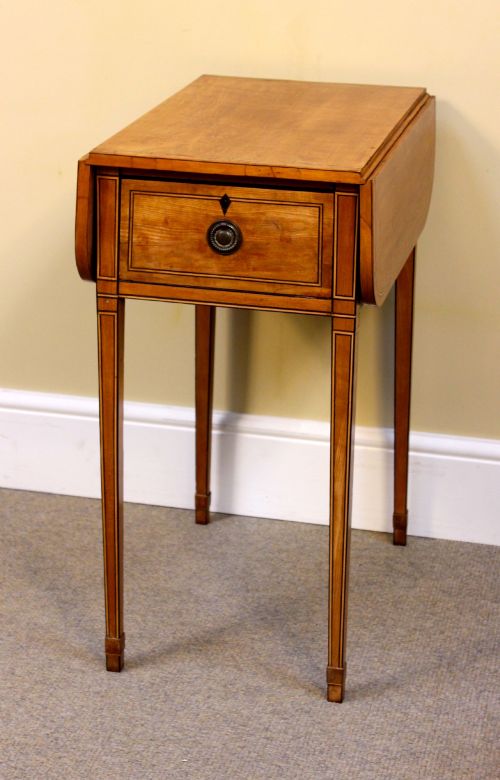
- A small occasional table featuring two hinged drop leaves on opposite sides and usually a single drawer. It gained popularity during the Georgian period.
- Sutherland table
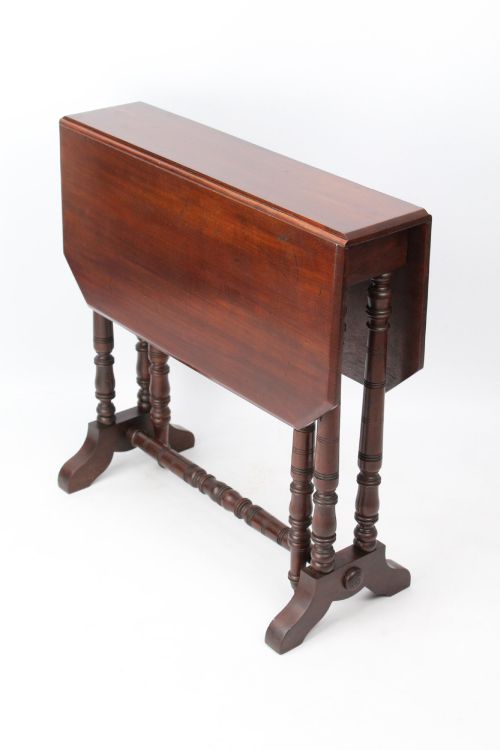
- A particularly narrow type of drop-leaf table where both leaves fold down almost vertically. It is supported by a gateleg action pivoting on a central trestle base.
Small Sofa Table: Frequently Asked Questions
What is a small sofa table?
A small sofa table is a narrow, versatile drop-leaf table originally designed to sit immediately in front of a sofa or beside seating in a drawing room.
Today, these pieces function as compact lamp tables, writing desks, or occasional tables in modern living spaces.
How were they used historically?
In Georgian and Regency drawing rooms, these tables served multiple domestic purposes including writing letters, holding sewing work, or supporting lamps.
Their mobility allowed servants or family members to move them close to heat sources or light without disrupting the room layout.
How do I spot a Regency period table?
Regency tables typically feature dark timbers like mahogany or rosewood, often accented with brass inlay, ebony stringing, or saber legs.
Proportions tend to be crisp and classical, frequently incorporating pillar supports or twin-pillar end trestles mounted on brass castors.
Are drop-leaf mechanisms durable?
Period drop-leaf mechanisms rely on solid rule joints and wooden rule hinges or brass pivots designed to sustain regular movement.
When constructed by skilled cabinet makers, these joints remain robust after centuries of use, provided the table is not overloaded.