


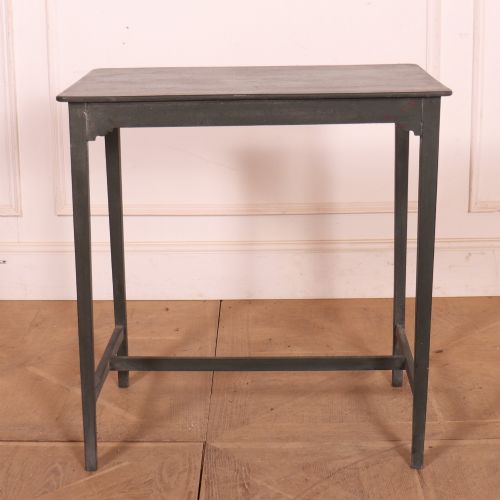

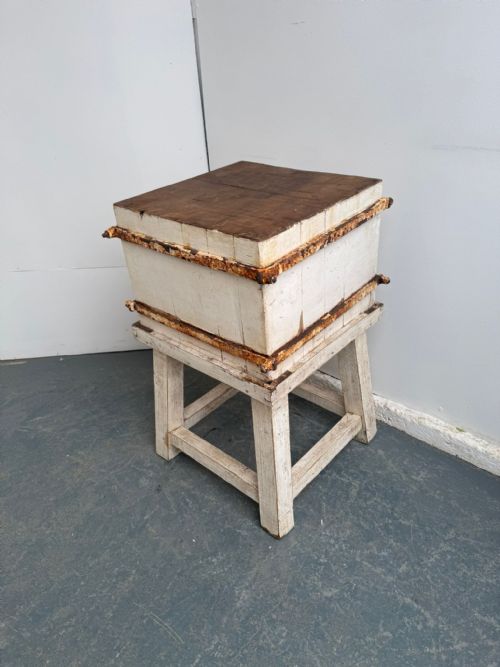
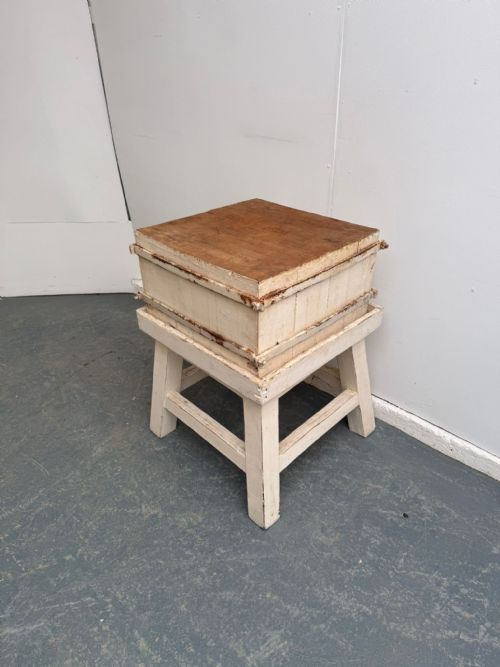


Painted End Table
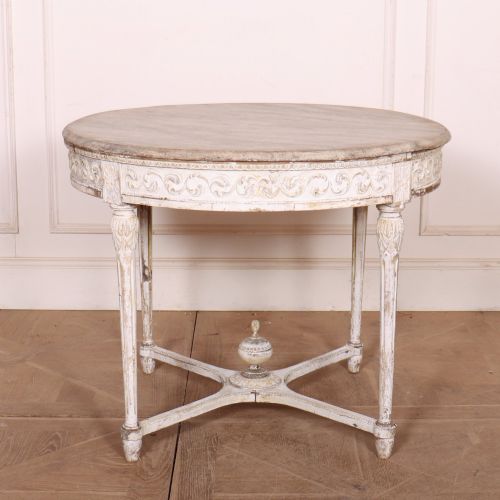
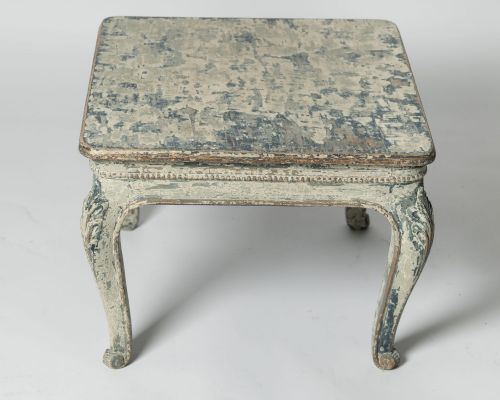
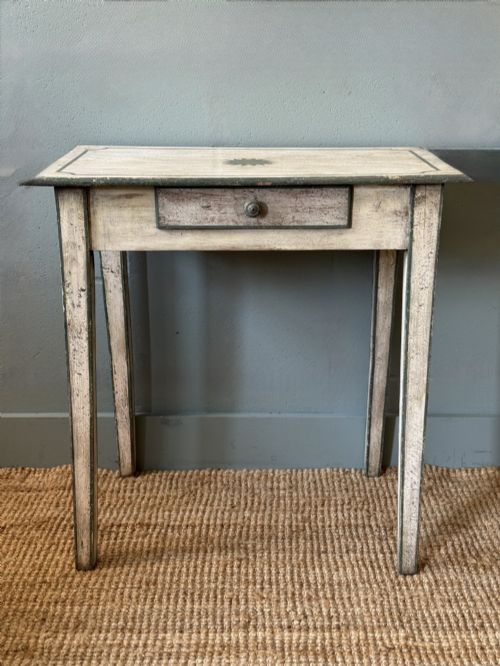
A painted end table brings colour and character into a room, offering a functional surface shaped by diverse regional traditions.
Painted End Table
A painted end table serves as a versatile surface beside a chair or bed, encompassing forms such as occasional tables, lamp tables, and side tables. When exploring a painted end table, a buyer encounters pieces originating from English, French, Swedish, Italian, and Chinese traditions spanning the eighteenth, nineteenth, and twentieth centuries.
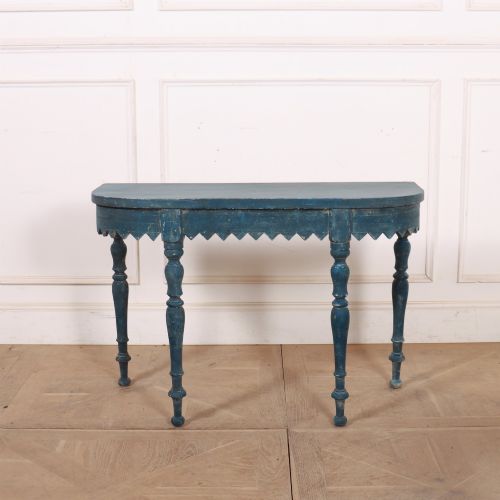
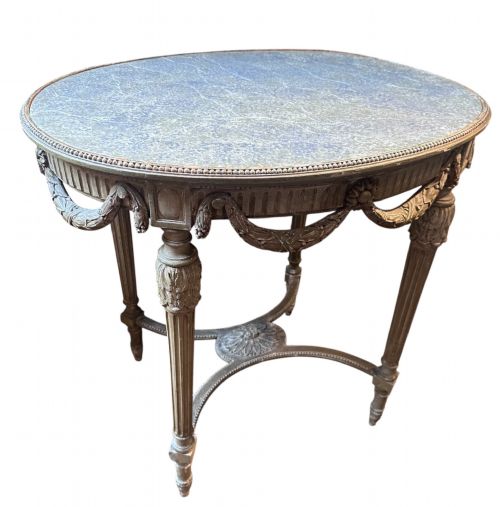
The materials vary from standard pine and oak to fruitwood, mahogany, and lacquer, each finished with decorative paint, gilding, or floral motifs. These tables bridge the gap between practical furniture and decorative art, functioning equally well in traditional and modern interiors.
Materials and construction
Makers constructed these tables from timbers including pine, oak, walnut, fruitwood, and satinwood, often pairing solid woods with decorative veneers. Structural joinery varied from traditional hand-cut joints on eighteenth and nineteenth-century pieces to simpler assembly methods on later twentieth-century examples.
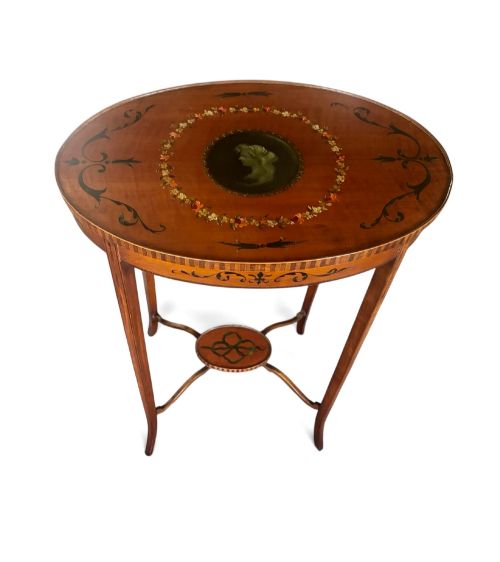
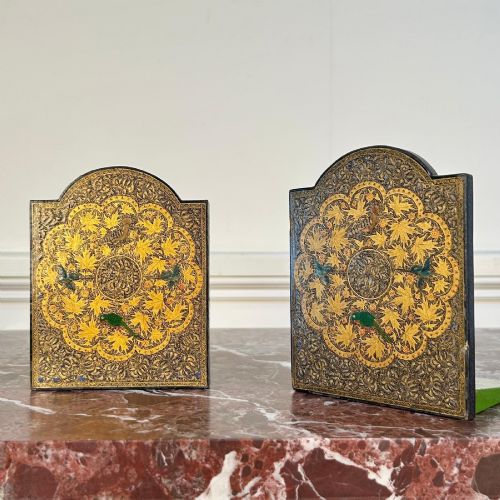
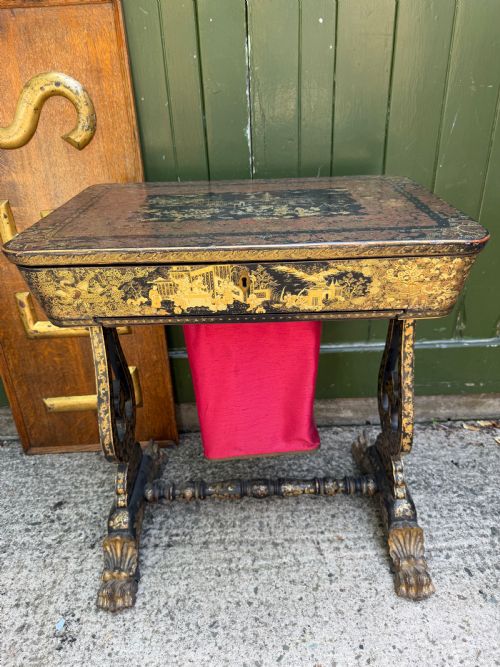
Surface preparation involved applying layers of paint, gesso, or lacquer directly onto the wood, frequently sealed to protect the underlying decoration. Artisans then added hand-painted floral motifs, parcel gilding, or Chinoiserie scenes using precise brushwork and specialised pigments.
Listings feature eighteenth-century oak alongside nineteenth-century pine, walnut, and satinwood, demonstrating wide variety in timber usage.
Distinctions in craftsmanship
Quality rests in the harmony of the proportions, the integrity of the underlying timber frame, and the precision of the joinery. Tables built with dense hardwoods and stable secondary woods maintain their structural rigidity far better over centuries than lighter utilitarian builds.
The artistry of the painted surface dictates the visual appeal, separating hastily decorated items from those adorned with meticulous hand-painted floral motifs, gilding, or layered lacquer work. Original, undisturbed paint surfaces carry greater artistic and historical integrity than later overpainting or modern distressing.
The Painted End Table Glossary
- Occasional table
- A small, movable table designed for light, specific uses rather than a permanent central position in a room. These pieces appear frequently in various decorative styles.
- Gueridon
- A small French table supported by one or more central columns or figurative pedestals. The form originated in the seventeenth century and persisted through later periods.
- Satinwood
- A hard, durable tropical timber with a lustrous yellowish grain, favoured by cabinetmakers for fine inlay and painted decorative surfaces. It is characteristic of Edwardian pieces.
- Parcel gilt
- A decorative technique where specific carved or painted details are partially highlighted with gold leaf or metallic paint. This treatment enhances the relief of mouldings and motifs.
Painted End Table: Frequently Asked Questions
How do I style a painted end table?
Pair the table with neutral upholstery to let the hand-painted details or coloured finish stand out as a focal point in the room. Use the surface for a small lamp, a stack of books, or decorative objects that complement the period of the piece.
Consider the scale of the surrounding seating to ensure the table height feels comfortable in daily use. Mixing regional styles, such as a Swedish pine table with modern furnishings, adds visual depth to an interior.
Are these tables suitable for daily use?
Most antique and vintage tables were built for practical domestic environments, making them well-suited for holding lamps, cups, and everyday items. Solid timber frames and sturdy legs provide the stability needed for high-traffic areas.
Protect the painted surface from excessive moisture and heat by using coasters and mats. Gentle cleaning with a soft cloth preserves the original finish without harming the decorative paint.
How can I tell the period of a table?
Examine the wood species, construction methods, and hardware to find clues about when a piece was manufactured. Eighteenth and nineteenth-century tables often display hand-cut joinery and signs of age in the timber.
Decorative motifs also point to specific eras, such as Edwardian satinwood inlay or 1920s Chinoiserie lacquer work. Comparing the overall form against documented regional styles helps narrow down the decade of origin.
What is the difference between a lamp table and a side table?
A lamp table generally refers to a compact surface specifically proportioned to hold a lighting fixture beside a chair or sofa. These pieces often feature smaller top dimensions and lower shelves for convenience.
A side table is a broader category that includes slightly larger surfaces used against walls or beside seating arrangements. Both types share similar construction methods and decorative painted finishes.