



Nineteenth Century Swedish Table
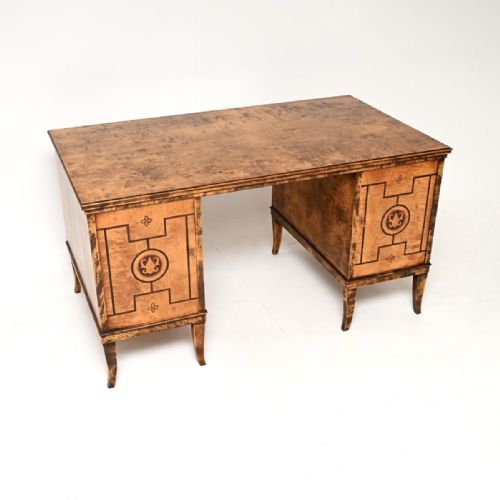
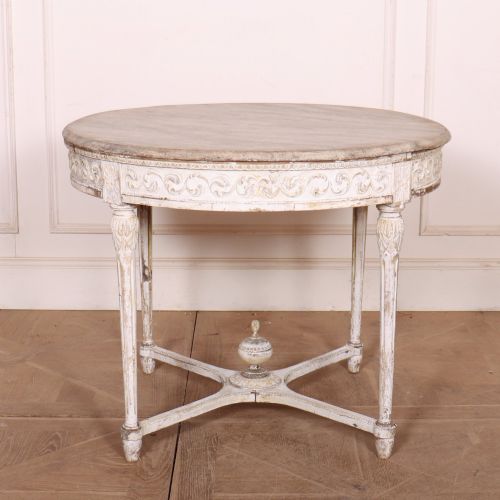
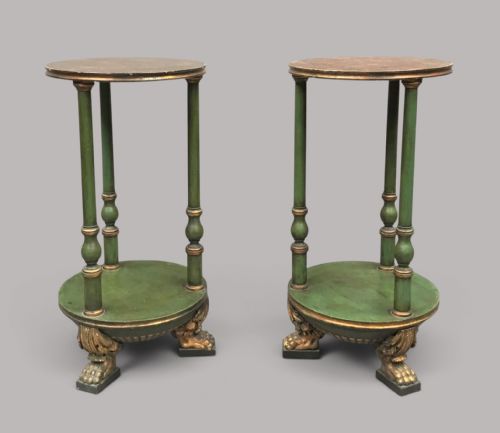
A nineteenth century swedish table brings painted pine and warm birch veneer into a room, offering simple forms built for daily use.
Nineteenth Century Swedish Table
When you search for a nineteenth century swedish table, you are looking at practical furniture made in Scandinavia across the 1800s, encompassing side tables, coffee tables, kitchen tables, and dining tables.
The pieces you are most likely to meet on this page include painted pine occasional tables, birch veneer examples, and occasional tables featuring alder root surfaces.
Makers produced these forms in styles spanning Gustavian, Swedish Biedermeier, Scandinavian country, and Swedish neoclassical traditions, often utilising painted wood and ebonised details.
Materials and construction methods
Carpenters relied primarily on native pine and birch veneer, shaping timber into drop leaf tables, console tables, and tilt top side tables.
Surfaces frequently received layers of paint, including traditional Falu red or similar coatings, alongside ebonised wood highlights and carved decorative elements.
Makers also incorporated marble for specific tabletops, pairing stone with painted timber frames and alder root veneers.
Nineteenth Century Swedish Table Retail Price Guide 2026
Typical asking prices for nineteenth century swedish table among the pieces listed under this phrase on Sellingantiques today, from the lower quarter to the upper quarter. They describe what is for sale here now, not the wider market.
Root wood surfaces give ordinary side tables a swirling timber pattern that looks remarkably like spilled coffee.
Assessing quality and craftsmanship
Quality rests in the precision of the joinery and the integrity of the timber, whether dealing with solid pine or delicate birch and alder root veneers.
The application of historic paint finishes dictates visual appeal, where original layered surfaces hold greater character than later, unsympathetic repainting.
Refined neoclassical design details and thoughtful proportions distinguish the finer side and console tables from utilitarian kitchen tables.
The Nineteenth Century Swedish Table Glossary
- Gustavian
- A Swedish neoclassical style characterised by restrained classical ornamentation and light paint finishes. It developed during the reign of Gustav III.
- Biedermeier
- A Central European and Scandinavian style focusing on utility and clean lines rather than ostentatious decoration. Birch veneer is frequently utilised.
- Alder root
- A timber featuring distinctive, swirling grain patterns. Craftsmen used it on table tops to create visual interest.
- Demi lune
- A half-moon shape used for console tables designed to sit flush against a wall.
- Falu paint
- A traditional Swedish red paint containing copper mine waste. It provided durable protection for timber surfaces.
Nineteenth Century Swedish Table: Frequently Asked Questions
How are these tables used today?
These tables adapt easily to modern rooms as coffee tables, side tables, or occasional surfaces for lamps and books.
Larger kitchen and dining tables serve daily meals while bringing historical character into a dining space.
What woods were used?
Makers constructed pieces from pine, birch, and alder root, often applying paint or ebonising to the timber.
Some refined examples incorporate marble tops paired with wooden bases.
How do I spot a neoclassical design?
Neoclassical pieces feature straight tapered legs, restrained carving, and symmetrical proportions inspired by ancient Greek and Roman architecture.
These details distinguish formal console and side tables from rustic country furniture.
Are painted finishes original?
Many tables retain layers of historic paint, though some pieces received later coats during their working lives.
Examining the wear patterns helps determine the age of the surface.