



Painted Wood Prep Table
These painted wood prep table examples are sturdy working surfaces built for food preparation and service, bringing honest utility and character to a modern kitchen.
Painted Wood Prep Table
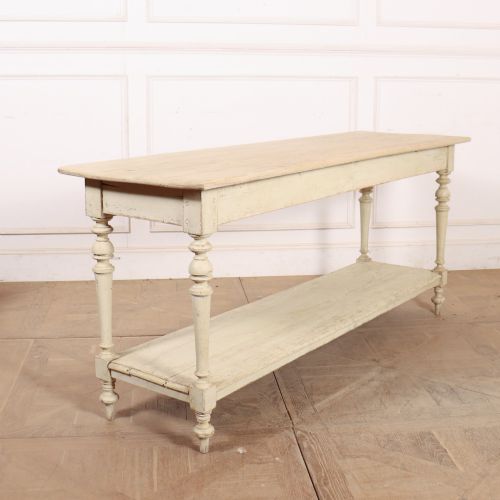
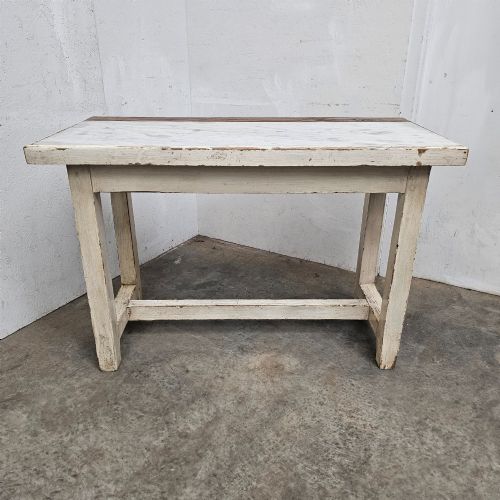
When you search for a painted wood prep table, you encounter hard-working utility furniture originally built for domestic labour, baking, and trade work rather than formal dining. The examples seen on this page span the nineteenth century and the mid twentieth century, drawing on French Country, Rustic Farmhouse, Scandinavian Country, and Victorian traditions.
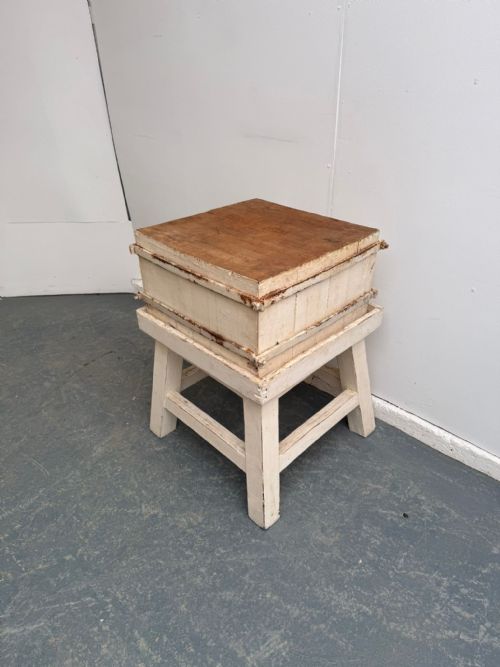
Most pieces on offer take the form of prep tables, butchers blocks, servers, and console tables, often equipped with practical potboards, low shelves, or single drawers. You will frequently find pine and painted softwood structures paired occasionally with marble or timber tops, reflecting the functional demands of country houses, shops, and kitchens.
How they were made
Construction relies heavily on sturdy pine and painted softwood frameworks designed to endure heavy daily use in kitchens and workrooms. Joinery is straightforward and robust, utilising thick timber tops supported by solid legs and lower pot-shelves for storage.
Surfaces are finished with traditional coatings, including layers of historic paint and regional treatments such as Falu red or white paint, which have aged through decades of scrubbing and wear. Some specific iterations incorporate heavy marble slabs designed to provide a cool, hygienic surface for pastry work and charcuterie.
Painted Wood Prep Table Retail Price Guide 2026
Typical asking prices for painted wood prep table among the pieces listed under this phrase on Sellingantiques today, from the lower quarter to the upper quarter. They describe what is for sale here now, not the wider market.
Many a nineteenth-century pastry table still bears the faint, flour-dusted ghosts of forgotten Sunday pies.
What varies in quality
The distinction between ordinary and exceptional pieces lies in the integrity of the original structure and the character of the accumulated surface wear. Tables retaining their early or original paint layers show a depth of colour and texture that modern repainting simply cannot replicate.
Proportion and utility also dictate value, with well-balanced proportions, original potboards, and integrated drawers distinguishing superior utilitarian furniture from later or more basic workshop adaptations.
The Painted Wood Prep Table Glossary
- Potboard
- A low slatted shelf fitted between the lower legs of a table, historically used for storing heavy pots and pans. It adds substantial stability to the overall frame.
- Drapers table
- A long, narrow work table traditionally utilised in fabric shops for measuring and cutting cloth. Their generous length makes them ideal for modern kitchen islands.
- Falu paint
- A traditional Swedish matte red or dark paint derived from copper mine waste, known for its exceptional preservative qualities on exterior and interior timber.
- Charcuterie prep table
- A specialised working surface often featuring a marble top inset into a wooden frame, designed for meat preparation and pastry making where cool temperatures are essential.
Painted Wood Prep Table: Frequently Asked Questions
What is a painted wood prep table used for today?
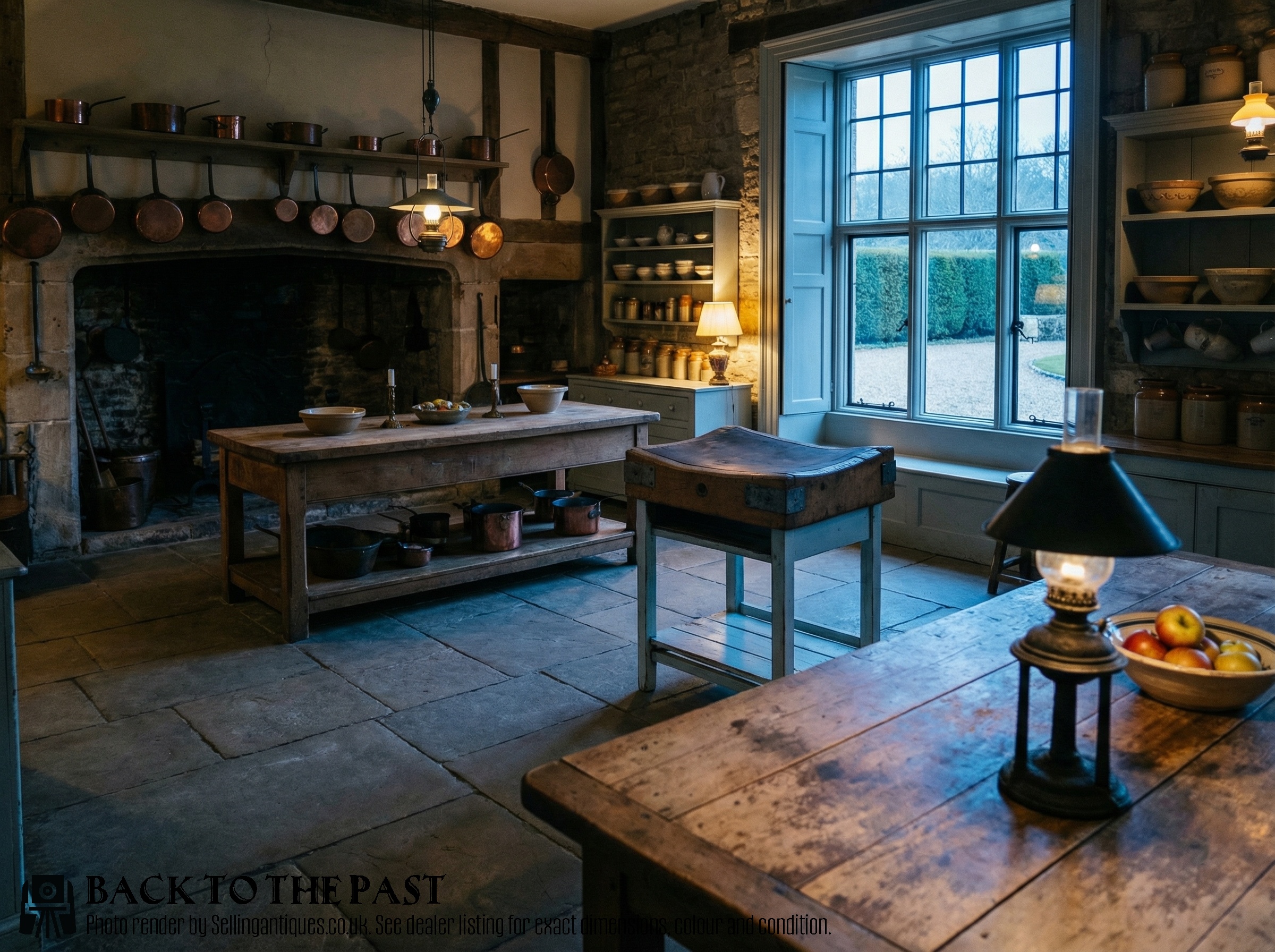
These tables serve brilliantly as kitchen islands, sideboards, or baking stations, providing a durable surface for food preparation and generous space beneath for storage.
Their robust construction handles daily domestic tasks with ease while anchoring a room with genuine historical character.
How do I care for an old painted wooden top?
Maintain the painted finish by dusting gently and wiping spills promptly with a soft, slightly damp cloth without harsh chemical cleaners.
Unpainted wooden or marble inserts benefit from occasional light oiling or gentle washing depending on the specific material's needs.
Are these tables suitable for modern kitchens?
Their practical proportions and honest utility make them exceptionally adaptable additions to contemporary culinary spaces.
They offer useful surface area and under-bench storage while introducing a relaxed, lived-in aesthetic.
How can I tell the age of a prep table?
Dating relies on examining the timber species, tool marks, construction methods, and the natural patina of the paint layers over time.
Nineteenth-century examples typically display hand-planed surfaces and traditional joinery consistent with vernacular workshop production.