

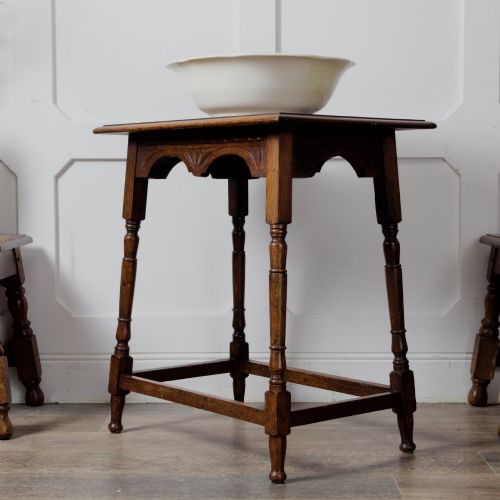
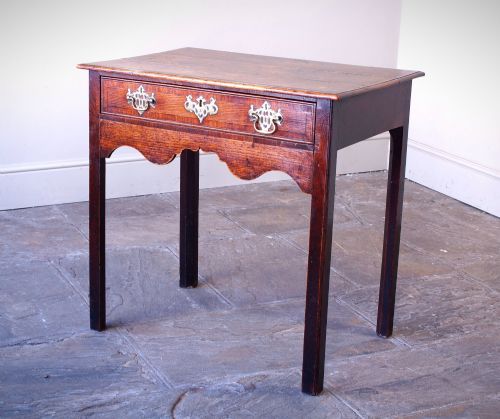

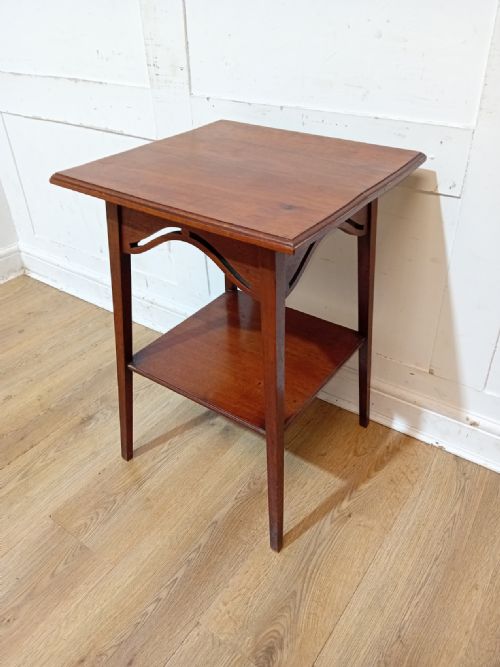


Carved Apron Lamp Table
A carved apron lamp table brings useful surface space and timber detail to a room, offering sturdy support for lighting and objects.
Carved Apron Lamp Table
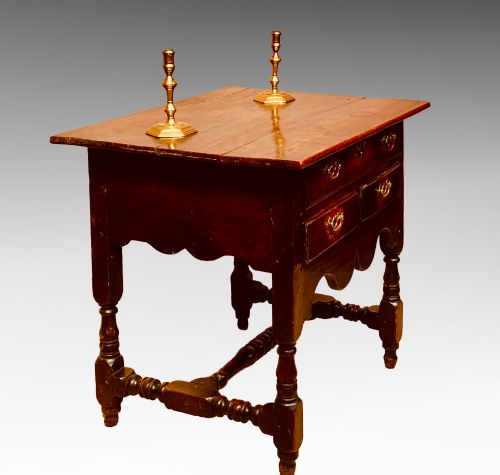
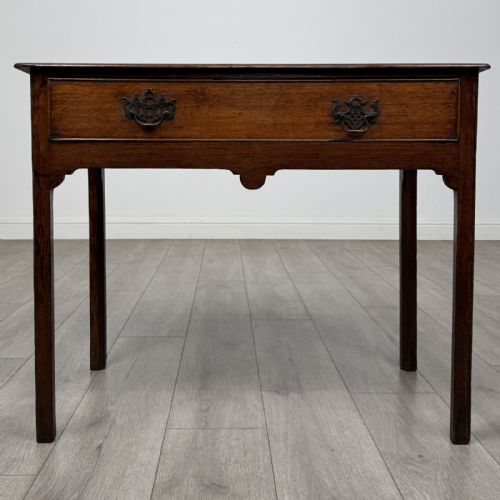
A carved apron lamp table is a compact surface designed for lighting and display, appearing across various historical periods from the Georgian era through to the Edwardian period. These pieces function primarily as side tables or occasional tables, providing a convenient surface next to seating areas.
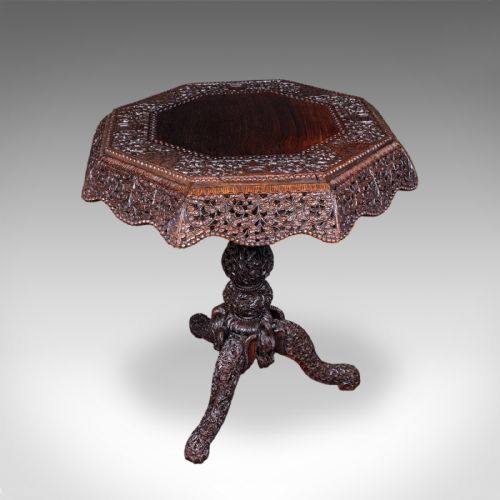
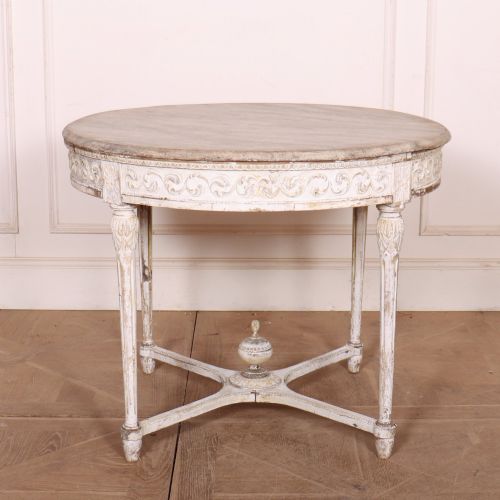
Makers and workshops utilised specific regional traditions, resulting in square low tables, circular tilt-top occasional tables, and traditional side tables. Each style incorporates distinctive carved apron details beneath the main surface.
How they were made
Construction relies heavily on timbers such as oak, walnut, and rosewood, often shaped into solid tops and supportive legs. Artisans employed traditional joinery techniques to secure the decorated aprons beneath the table surface.
Carving serves as the primary decorative method, applied directly to the wooden aprons using hand chisels and gouges. Materials like brass and marble occasionally appear as supplementary elements for fittings or top surfaces.
Carved Apron Lamp Table Retail Price Guide 2026
Typical asking prices for carved apron lamp table among the pieces listed under this phrase on Sellingantiques today, from the lower quarter to the upper quarter. They describe what is for sale here now, not the wider market.
Materials represented include traditional oak and walnut alongside rosewood, padouk, brass, and marble.
What varies in quality
Quality rests in the crispness of the timber carving and the selection of materials, where dense hardwoods like padouk and rosewood display finer grain patterns. Superior examples show careful attention to structural proportions and joinery integration.
The depth and fluidity of the carved apron separate standard production from finer pieces. Tables with well-defined motifs and harmonious regional characteristics hold greater visual presence.
Liberty of London
The Carved Apron Lamp Table Glossary
- Apron
- The structural timber piece running beneath the table top between the legs, frequently carved with decorative motifs. This component provides stability while offering a space for ornamentation.
- Tilt-top
- A tabletop mechanism allowing the surface to pivot into a vertical position when not in use. This feature was popular in occasional tables for saving space.
- Padouk
- A dense tropical hardwood known for its reddish-brown colour, used in Anglo-Indian furniture production. It accepts fine carving details exceptionally well.
- Gustavian
- A Swedish aesthetic reflecting lighter neoclassical interpretations of French styles, often seen in painted timber. It prioritises restrained ornamentation and pale finishes.
Carved Apron Lamp Table: Frequently Asked Questions
What is a carved apron lamp table used for?
These tables provide a compact surface for placing lamps, books, and decorative objects within a room.
Their proportions make them suitable for positioning beside armchairs or sofas for everyday convenience.
How do I identify a Georgian carved apron lamp table?
Georgian examples typically feature heavier oak construction with traditional joinery and restrained carving on the apron.
Examination of the timber surfaces and structural framing helps distinguish this period from later Victorian and Edwardian revivals.
What woods are common in these tables?
Oak appears frequently across British and European examples, alongside walnut and painted timber.
Exotic hardwoods such as rosewood and padouk also feature in pieces originating from international trade routes.
Are these tables sturdy enough for daily use?
Solid timber construction and traditional joinery give these tables the strength needed for holding lamps and small items.
Placing them on even flooring ensures the frame remains stable during regular daily interaction.