
Small Regency Cabinets
Small regency cabinets combine compact proportions with rich timbers, offering practical storage for modern rooms.
Small Regency Cabinets
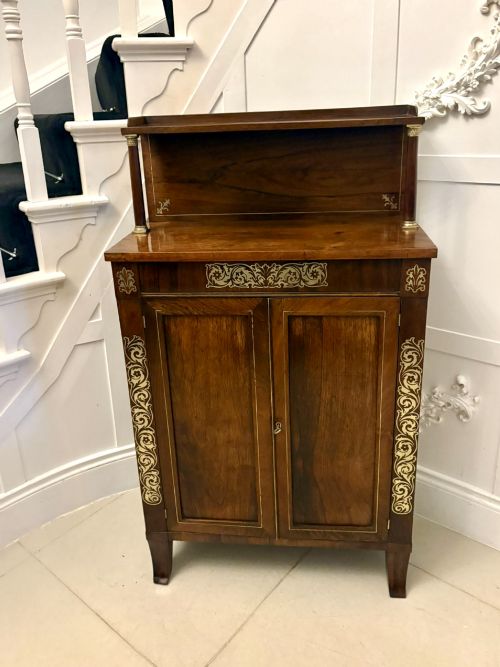
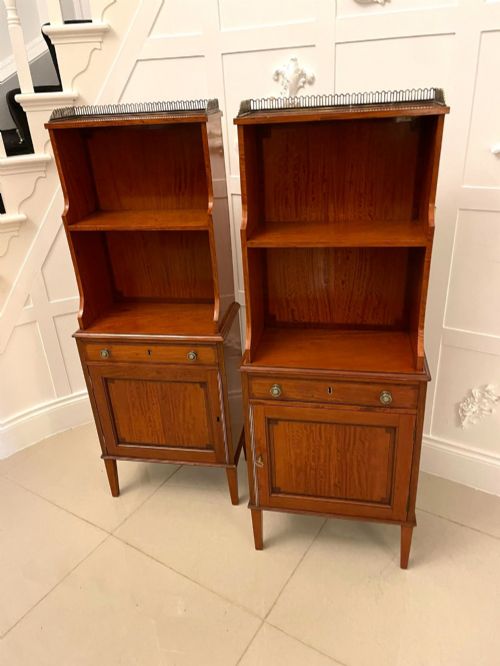
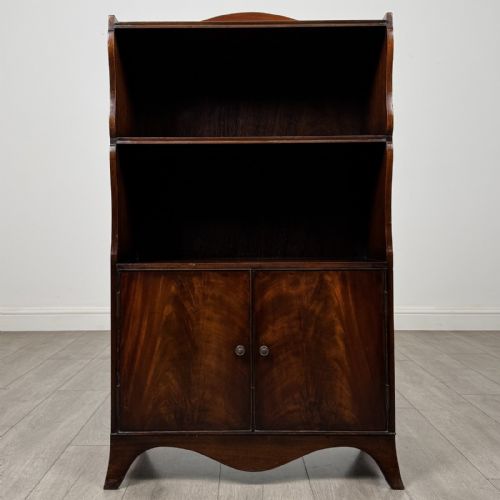
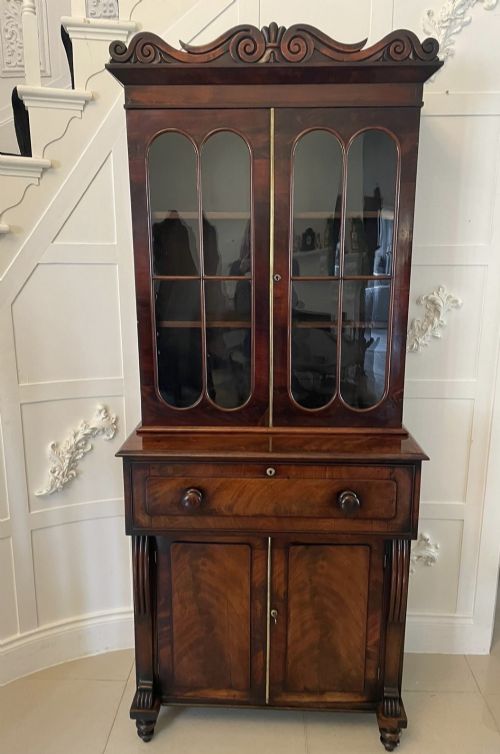
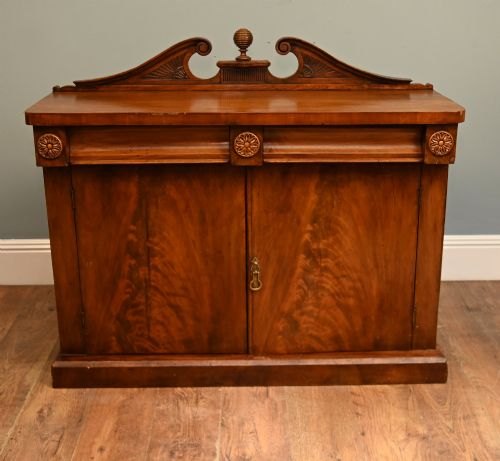
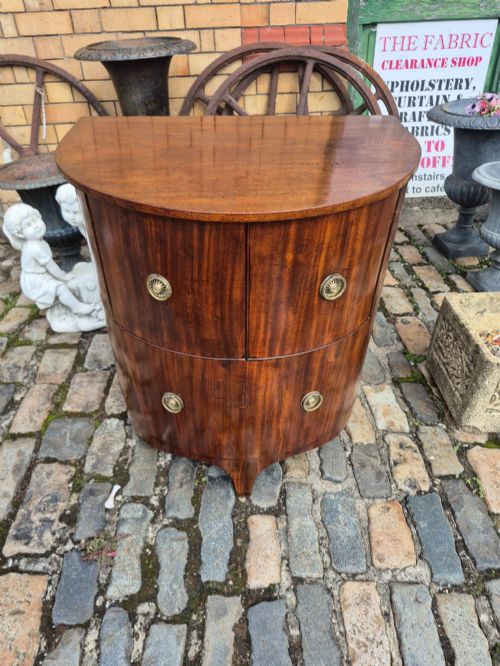
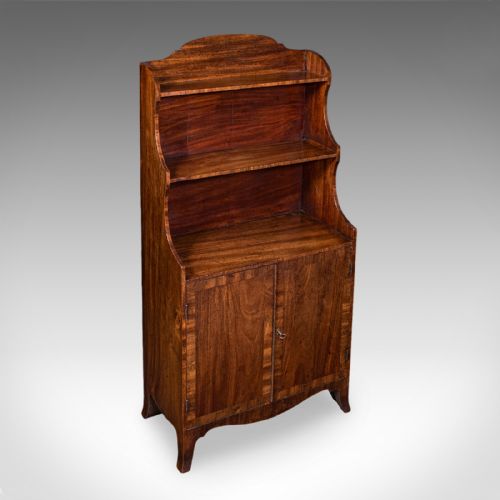
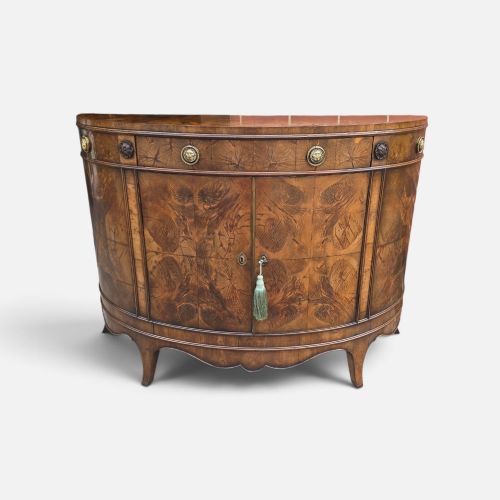
Small regency cabinets encompass a variety of compact storage forms, including chiffoniers, side cabinets, pier cabinets, and bedside cupboards dating from the early nineteenth century and related periods. When searching for small regency cabinets, buyers encounter pieces designed for restricted spaces yet finished with formal architectural detailing.
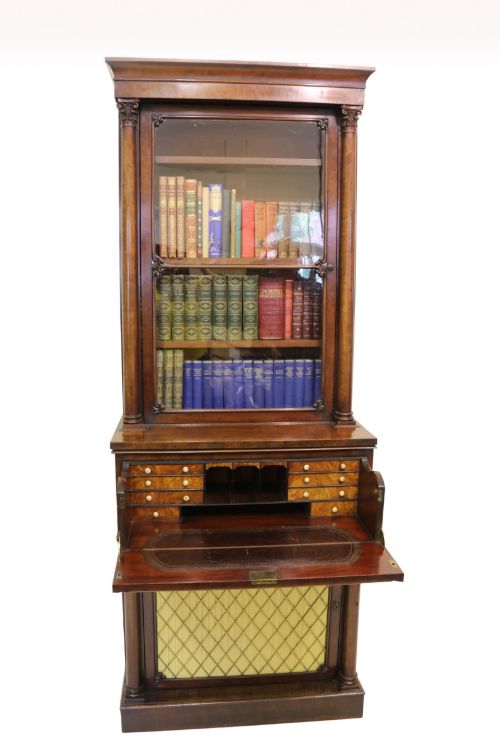
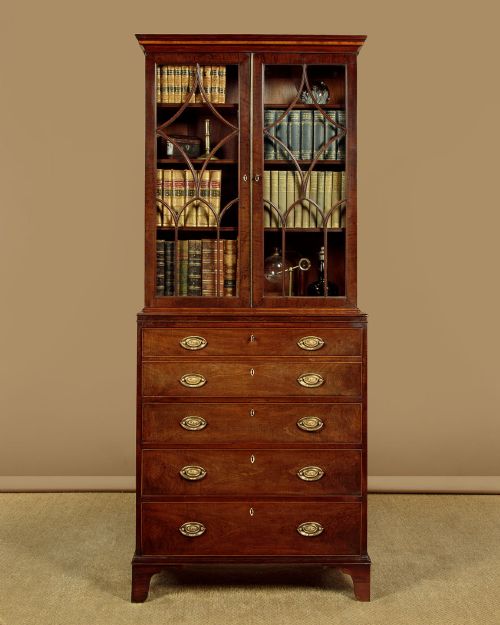
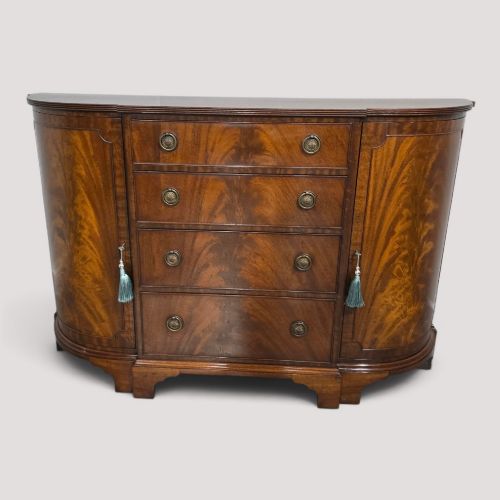
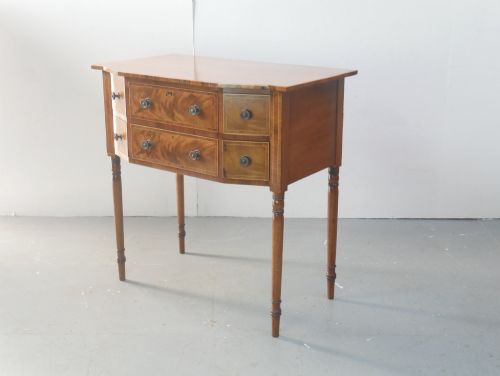
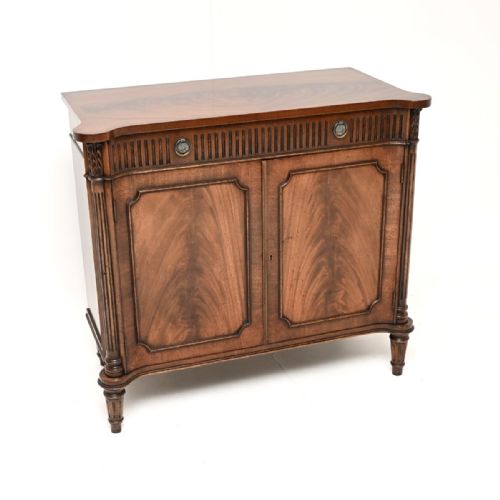
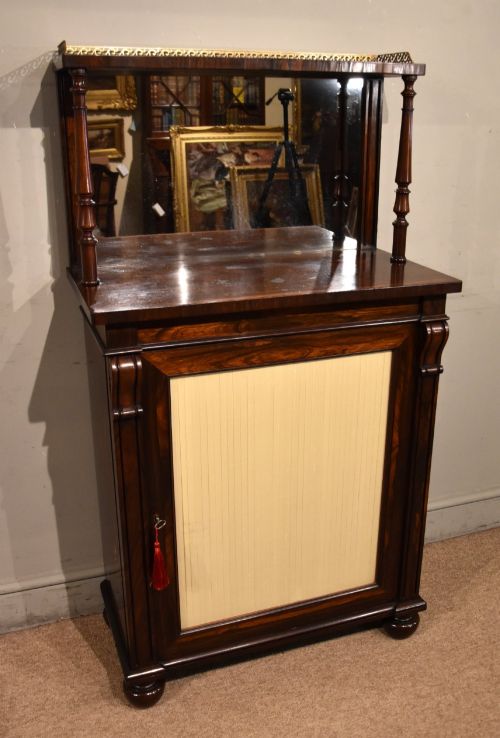
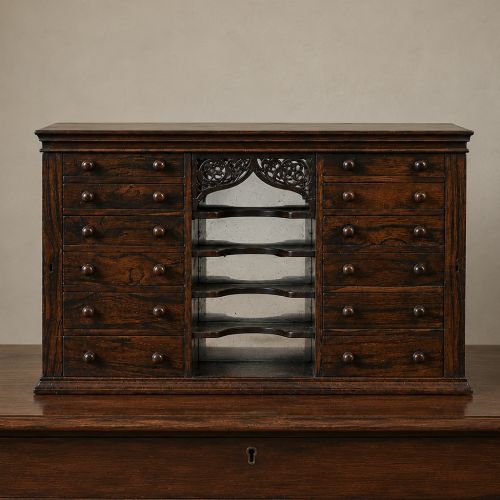
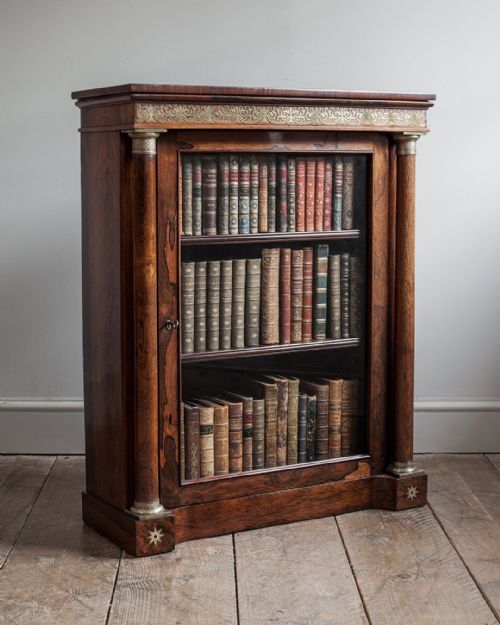
The inventory on this page shows timber carcases ranging from bookcases and secretaire desks to low sideboards and diminutive chests. Mahogany and rosewood dominate the selection, often featuring flame veneers, brass mounts, and glazed or mirrored doors tailored for intimate domestic interiors.
How they were made
Cabinet makers built these pieces using solid mahogany, rosewood, and satinwood carcases strengthened with secondary timbers, applying figured veneers to visible surfaces such as drawer fronts and doors. Brass inlay, gallery rails, and turned or reeded legs completed the construction.
Joinery methods relied on dovetailed drawer construction and mortise and tenon frames, while surface finishes depended on hand-applied polish that highlighted the natural grain patterns of the wood.
Homeopathic chests tucked away in the selection prove that even nineteenth-century medicine required neat, compartmentalised cabinetry.
What varies in quality
Quality separates pieces by the selection of timber figures, such as highly figured flame mahogany or rich rosewood, and the crispness of brass or wood mouldings. Finer examples display meticulous attention to proportion and matched grain across multiple drawer fronts or doors.
The refinement of internal fittings, such as secretaire drawers with fitted pigeonholes or original brass handles and locks, distinguishes workshops of higher repute from standard commercial production.
Gillows of Lancaster
The Small Regency Cabinets Glossary
- Chiffonier
- A low cabinet featuring a combination of shelves and enclosed cupboard space, often fitted with fabric-backed or mirrored doors.
- Secretaire
- A desk form incorporating a pull-down writing flap that conceals small drawers and pigeonholes within the upper section of a cabinet.
- Pier cabinet
- A narrow cabinet designed specifically to fit against the wall space between windows.
- Wellington chest
- A tall, narrow chest of drawers secured by a hinged locking stile on one vertical edge.
- Davenport
- A compact writing desk with a sloped, hinged writing surface above a pedestal of drawers.
Small Regency Cabinets: Frequently Asked Questions
What is a small regency cabinet?
These pieces are compact storage items, including chiffoniers, side cupboards, and pier units, produced during the early nineteenth century.
They were built to provide functional storage without dominating smaller rooms in period homes.
How were small regency cabinets used?
Original uses varied from holding books and papers to storing collection items, serving drinks, or acting as bedside storage.
Today they function effectively as lamp tables, media storage bases, or decorative accent pieces in contemporary hallways and living areas.
How do I identify a regency piece?
Regency furniture is identified by classical proportions, symmetrical designs, and specific decorative motifs such as reeded legs, brass inlay, and scrollwork.
Makers frequently utilised dark exotic timbers like rosewood and figured mahogany combined with simple geometric lines.
Are these cabinets suitable for modern homes?
Their modest dimensions make them exceptionally practical for contemporary spaces where floor area is limited.
They provide enclosed storage and display surfaces while introducing distinct period character to a room.