
Regency Wooden Cabinet
A regency wooden cabinet brings practical storage and architectural line together, offering sturdy timber and restrained classical detail for daily use.
Regency Wooden Cabinet
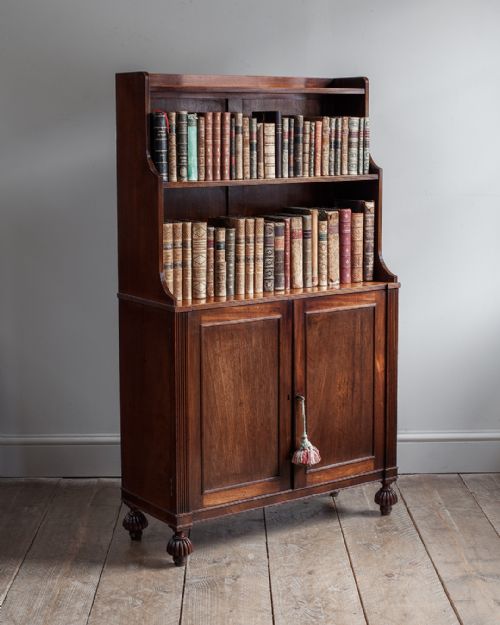
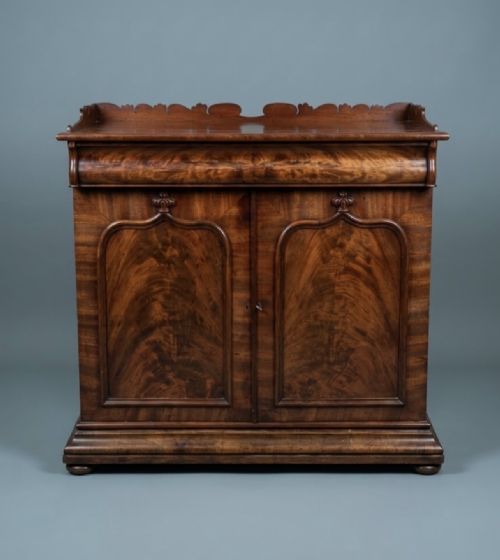
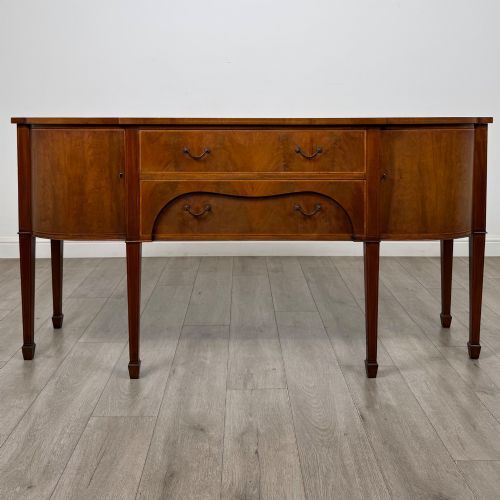
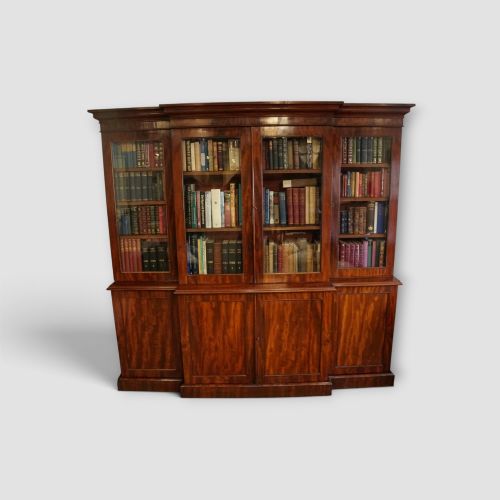
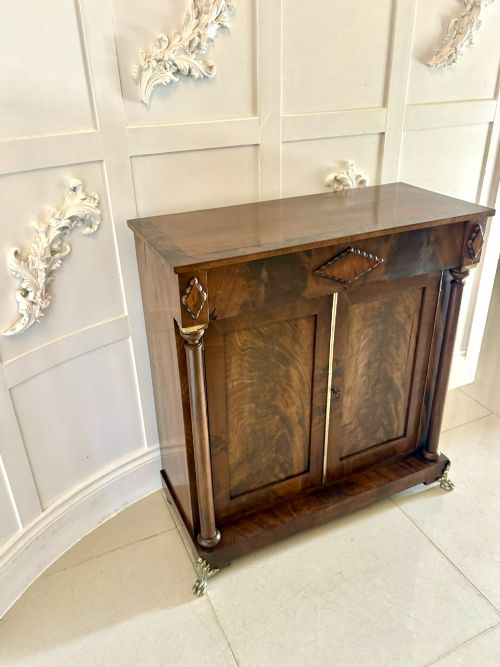
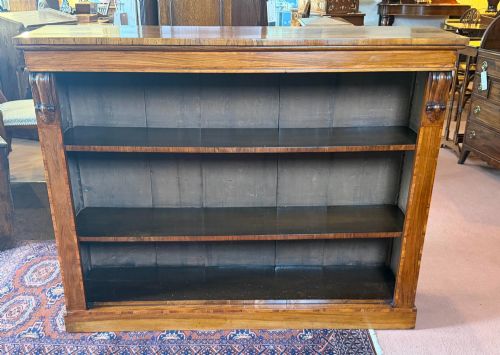
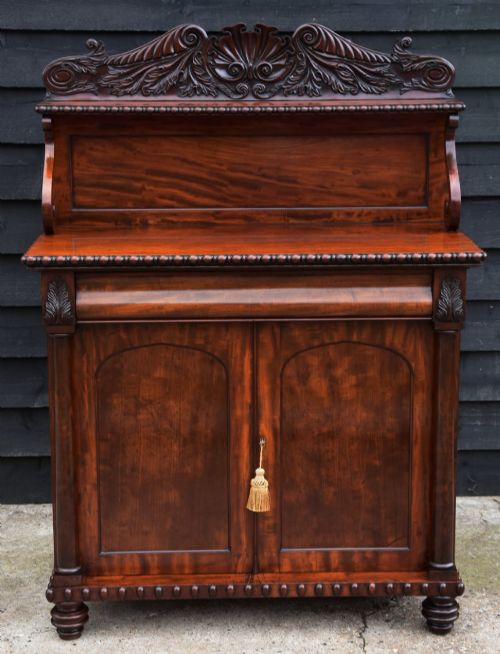
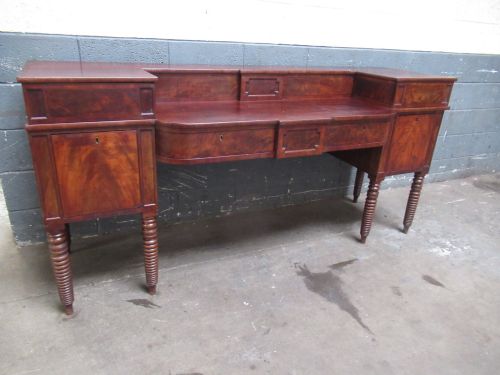
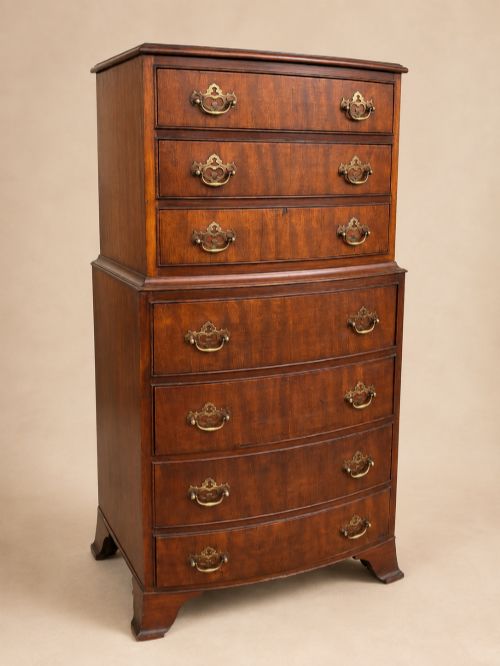
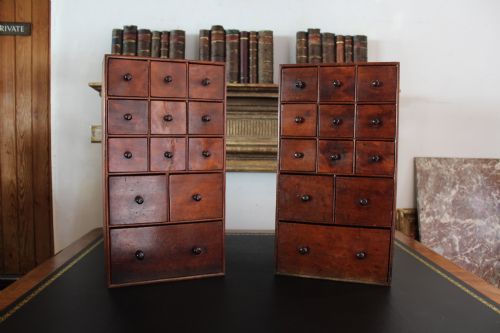
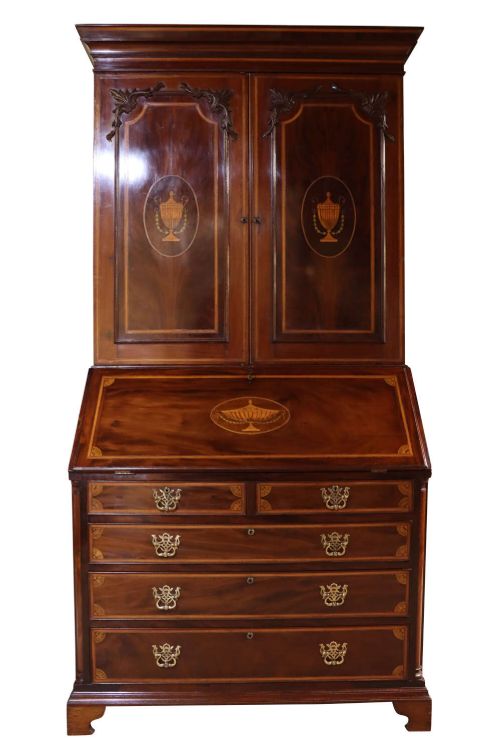
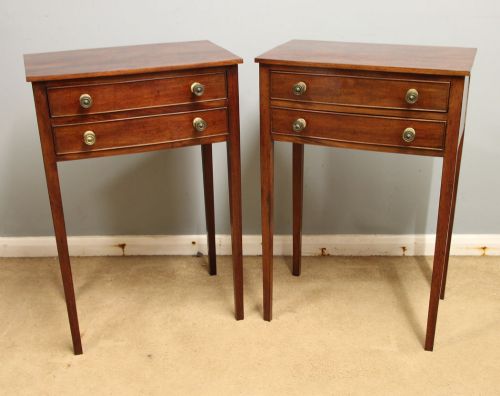
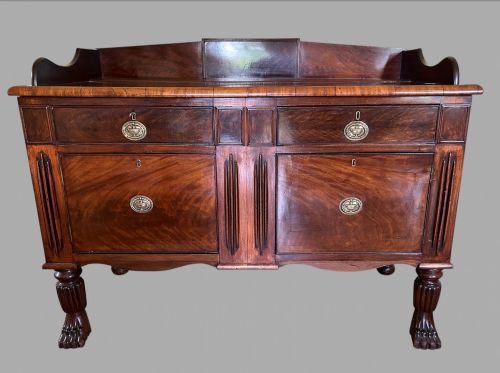
When you search for a regency wooden cabinet, you examine a selection spanning bookcases, side cabinets, sideboards, and chiffoniers from the early nineteenth century and related periods. These pieces serve as functional storage furniture, often featuring timber construction with simple geometric forms or classical proportioning.
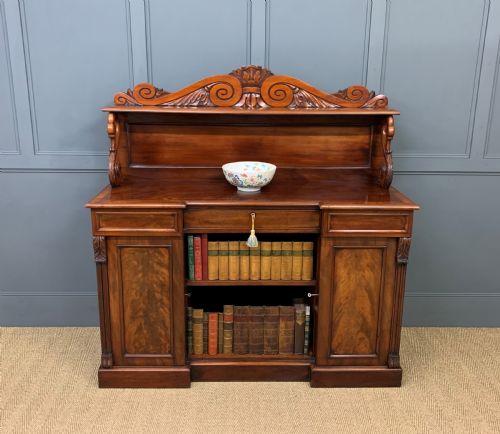
You are most likely to meet mahogany side cabinets, chiffoniers, and bookcases carrying the Regency, Georgian, or William IV style designation. These objects reflect the domestic interior requirements of their period, combining cupboards, shelves, or drawers within manageable proportions for modern spaces.
How they were made
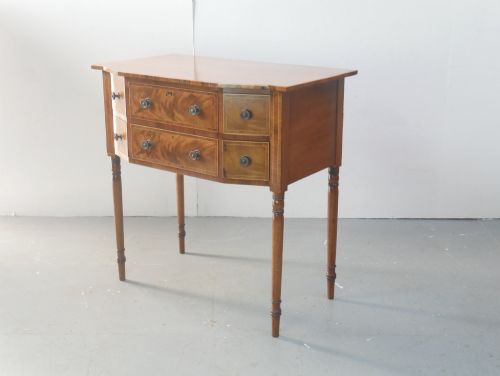
Makers constructed these cabinets primarily using solid mahogany and flame mahogany veneer over secondary timbers, exploiting the grain to create patterned surfaces on doors and drawer fronts. Cabinetmakers selected figured woods for visual impact, applying thin layers of veneer to structural panels.
Metal and glass components complemented the timber work, with brass fittings such as handles, hinges, and grilles incorporated into sideboards and bookcases. Glass doors appeared on bookcases and display cabinets, while marble tops featured on specific sideboard designs.
Listings feature mahogany, flame mahogany veneer, rosewood, and goncalo alves across Regency, Georgian, and William IV periods.
What varies in quality
The degree of refinement in timber selection and cabinetmaking technique separates standard utility pieces from finer productions. Superior examples display carefully matched flame mahogany veneers, precise joinery in the drawer construction, and well-proportioned architectural details such as turned columns or restrained brass inlay.
The handling of secondary materials also indicates quality, visible in the weight of the brass mounts, the clarity of the glass, and the thickness of the timber used for drawer linings and backboards. Better workshops employed skilled carvers and polishers to finish surfaces with attention to detail.
Gillows·Holland & Sons
The Regency Wooden Cabinet Glossary
- Chiffonier
- A low cabinet or sideboard featuring shelves or enclosed cupboards, popular during the Regency and Victorian periods for dining rooms and parlours. It typically stands at waist height and often incorporates a small shelf superstructure.
- Flame mahogany
- A timber cut taken from the branch junction of the mahogany tree, producing a distinct feather-like flame pattern in the grain. Makers used this veneer on prominent surfaces like drawer fronts and cabinet doors.
- Breakfront
- A piece of furniture where the central section projects forward from the flanking wings. This architectural arrangement creates depth and shadow on large bookcases and sideboards.
- Cellerette
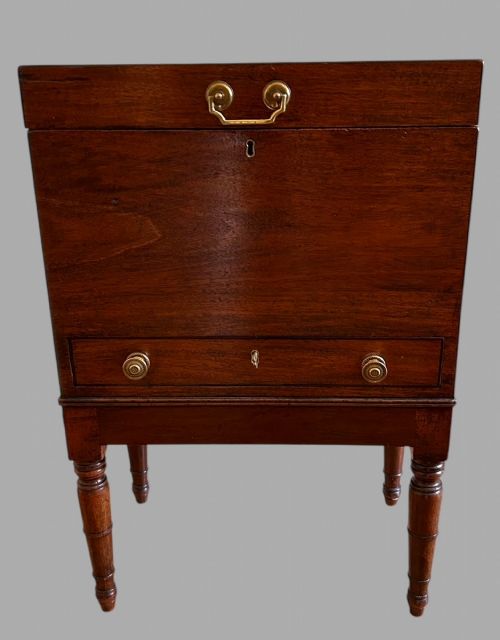
- A specialised low cabinet or box designed to hold wine bottles securely, often lined or fitted internally. These pieces sit on floors beneath sideboards or beside dining tables.
- Wellington chest
- A tall, narrow chest of drawers secured by a hinged locking side stile that fastens with a key. This form provides secure storage for papers or small collectables.
Regency Wooden Cabinet: Frequently Asked Questions
How do I use a chiffonier today?
A chiffonier provides practical surface space and enclosed shelving suitable for modern living rooms or hallways. The top surface holds lamps or decorative items while the lower cupboards store books and tableware.
Because these cabinets maintain modest depths, they fit easily into narrow circulation spaces where deeper furniture would obstruct movement. The internal shelves organise everyday items out of sight.
What is flame mahogany?
Flame mahogany is a decorative wood veneer harvested from the junction where branches meet the main trunk of the tree. This cut creates a swirling, flame-like pattern across the timber surface.
Cabinetmakers applied these thin veneer sheets to prominent doors and drawer fronts to catch the light. The natural figure provides visual texture without requiring heavy carving.
How do I tell Regency from Victorian pieces?
Regency pieces generally exhibit leaner classical proportions, restrained brass mounts, and cleaner architectural lines influenced by Greek and Roman design. The woods tend towards figured mahogany and rosewood with minimal ornamentation.
Victorian cabinets often display heavier timber sections, more elaborate carvings, and darker finishes. Proportions shift to accommodate larger domestic spaces and changing industrial manufacturing methods.
Where were cellarettes placed?
Cellarettes stood on the floor in dining rooms, typically positioned directly beneath a sideboard or beside the dining table during meals. They held wine bottles ready for serving.
Their sturdy timber construction and internal dividers protected glass bottles from rolling. Today, these low cabinets serve as side tables or specialist storage containers.