
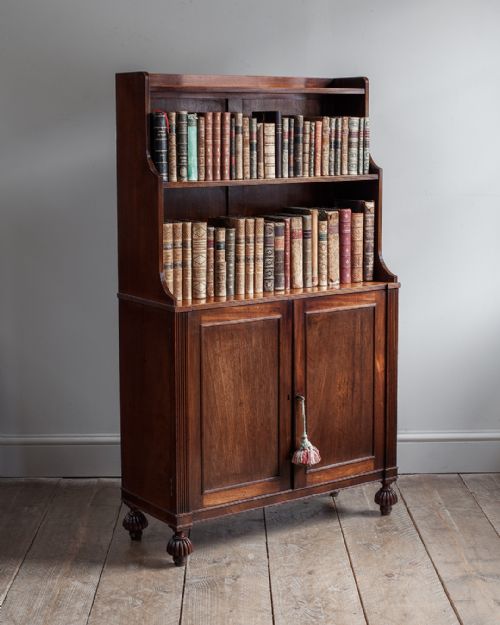
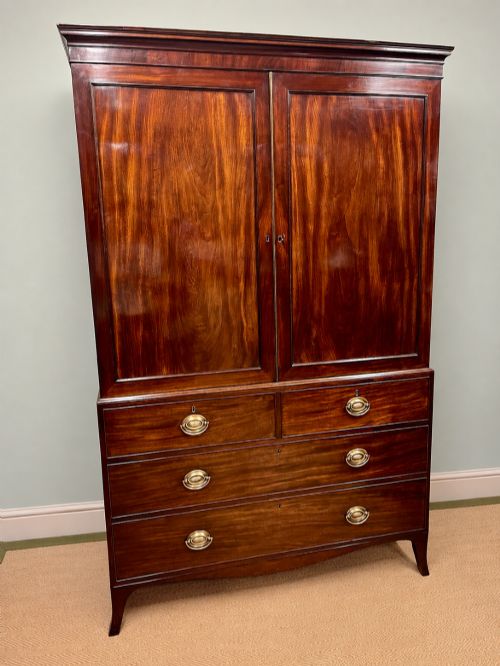
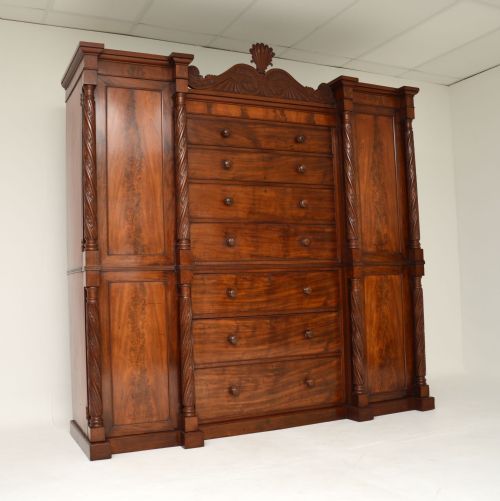
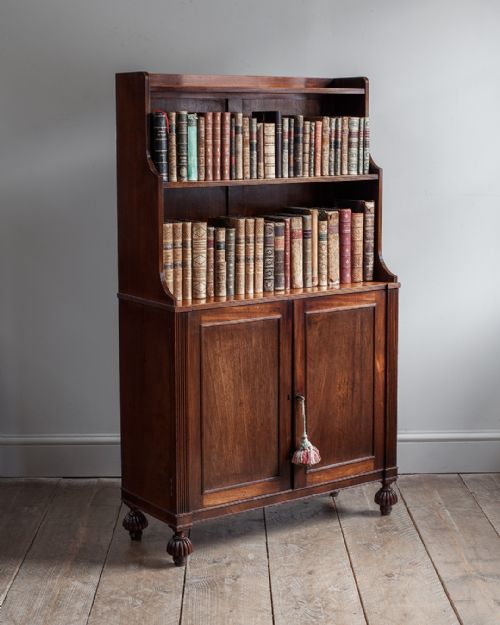
Regency Period Cupboard
These regency period cupboards bring refined timber work and classic proportions into modern rooms.
Defining the regency period cupboard
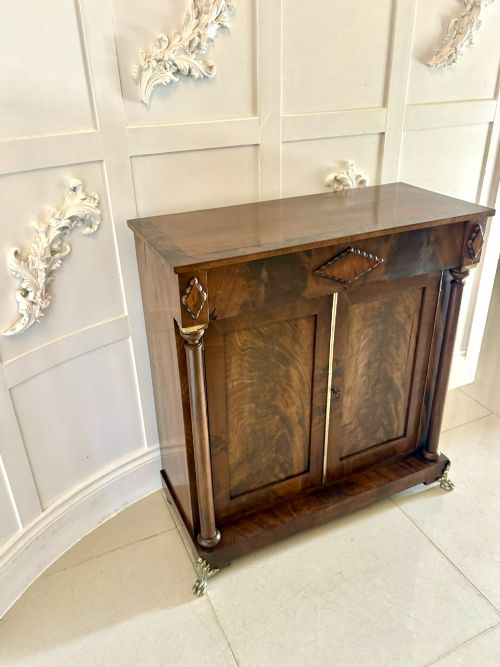
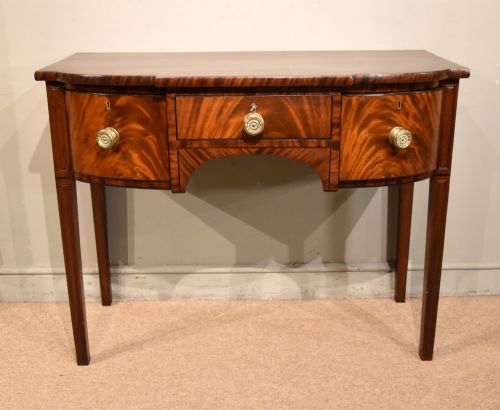
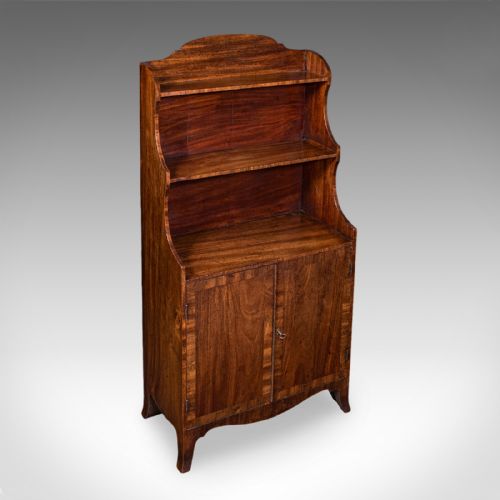
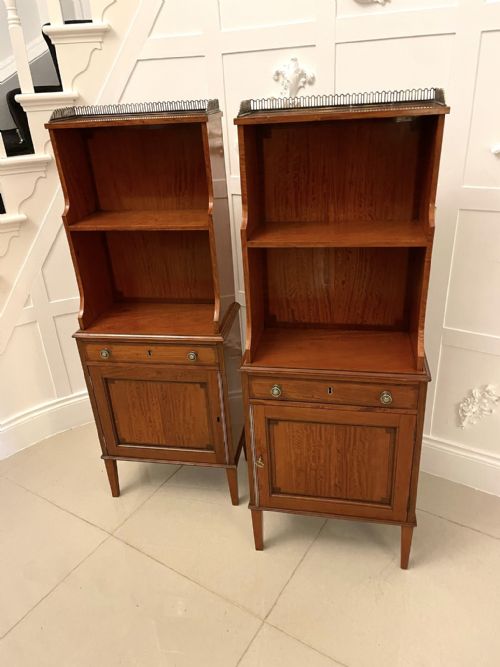
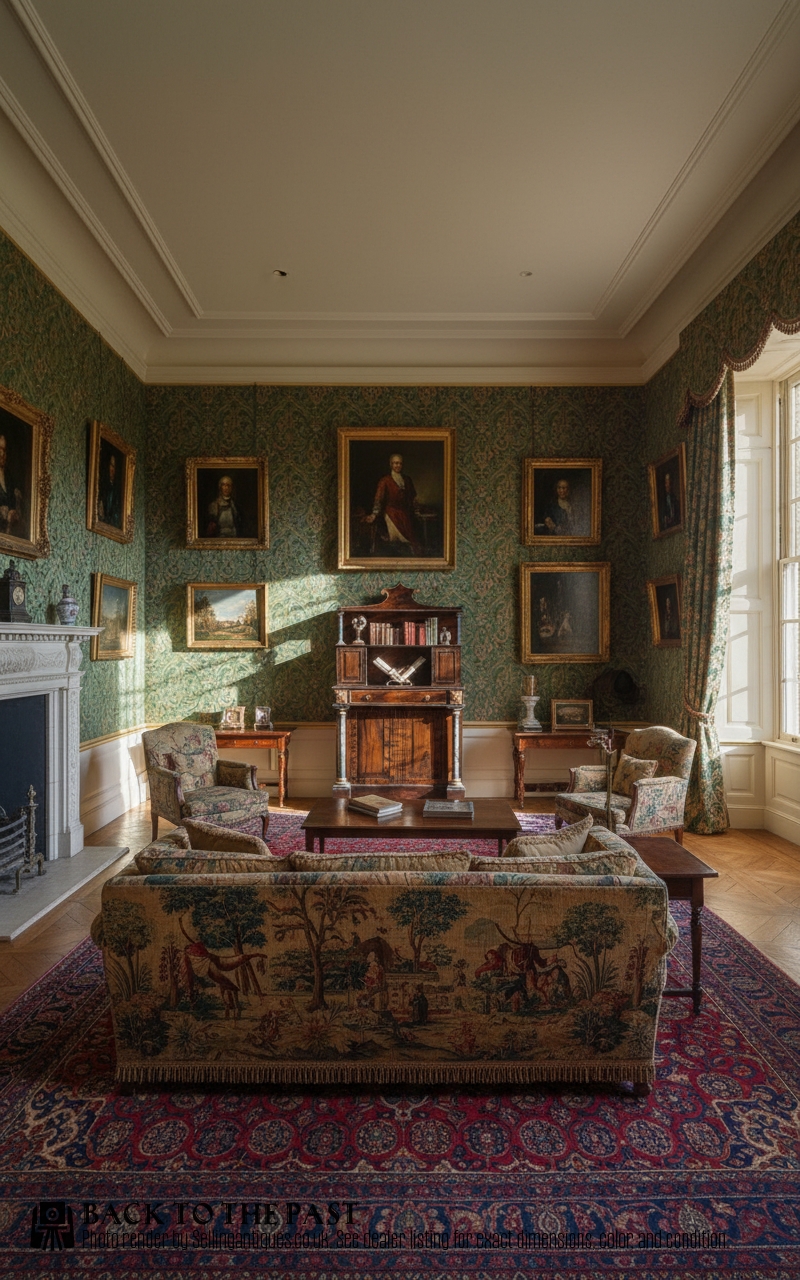
A regency period cupboard encompasses low bedside pieces, corner units, press cupboards, and compact side cabinets designed for practical storage. These items date from the nineteenth century and around eighteen hundred, capturing the distinct aesthetic of the Regency era.
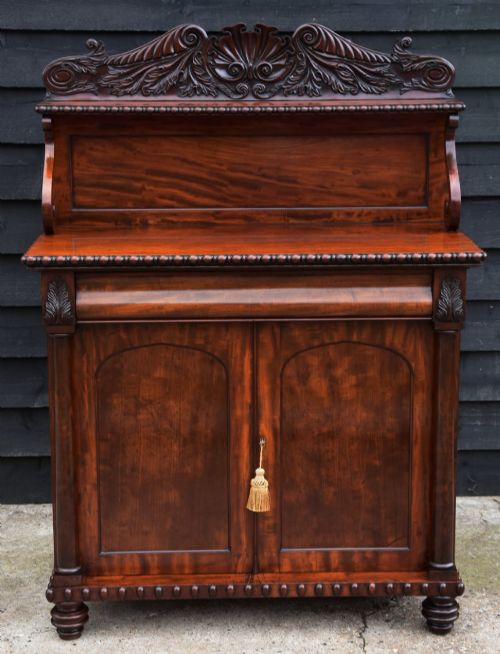
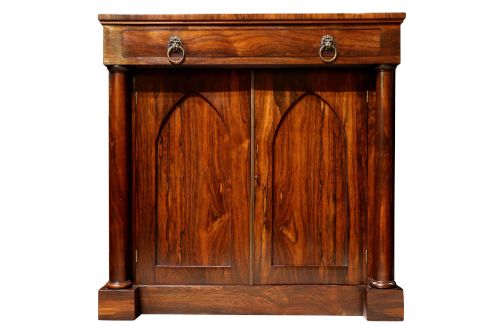
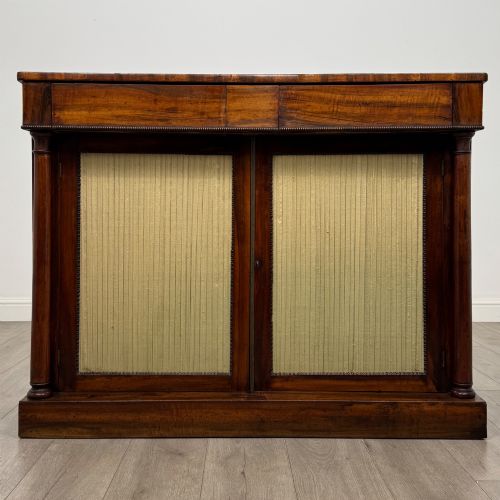
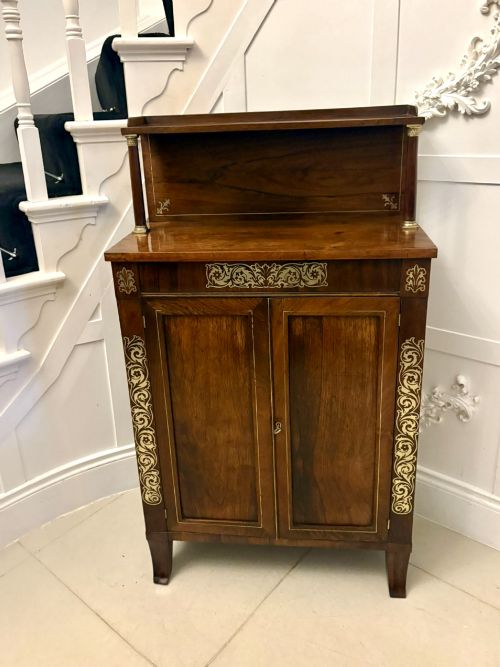
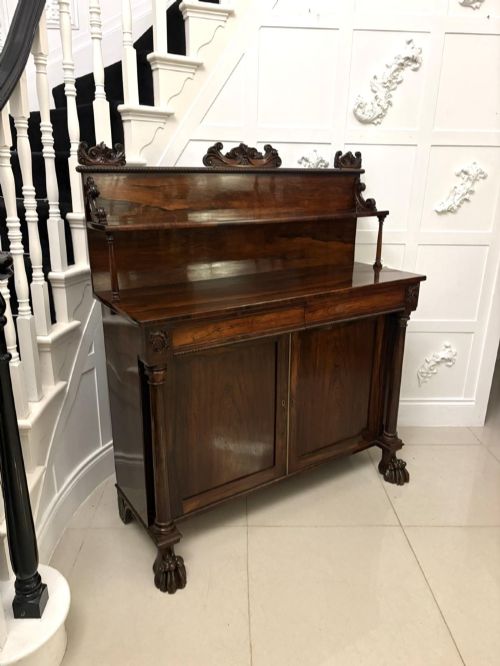
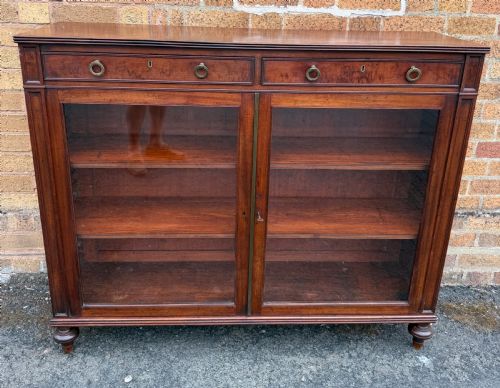
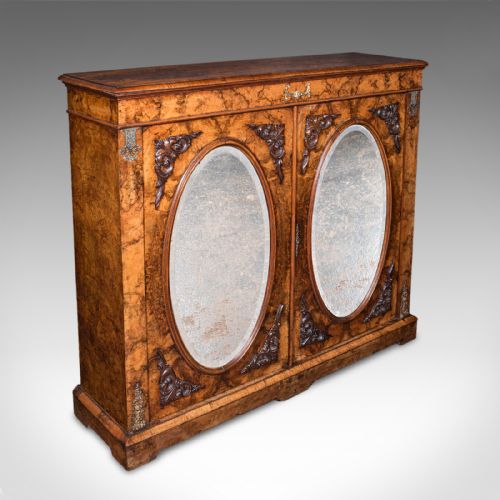
Buyers meet side cabinets and chiffonier sideboards frequently on this page, often featuring rich timber surfaces. Smaller bedside forms also appear, showing how versatile these compact furnishings were for domestic spaces.
The objects balance closed storage with display surfaces, reflecting the period focus on orderly, elegant interiors. Their clean lines and understated profiles suit contemporary rooms just as well as traditional settings.
Materials and construction
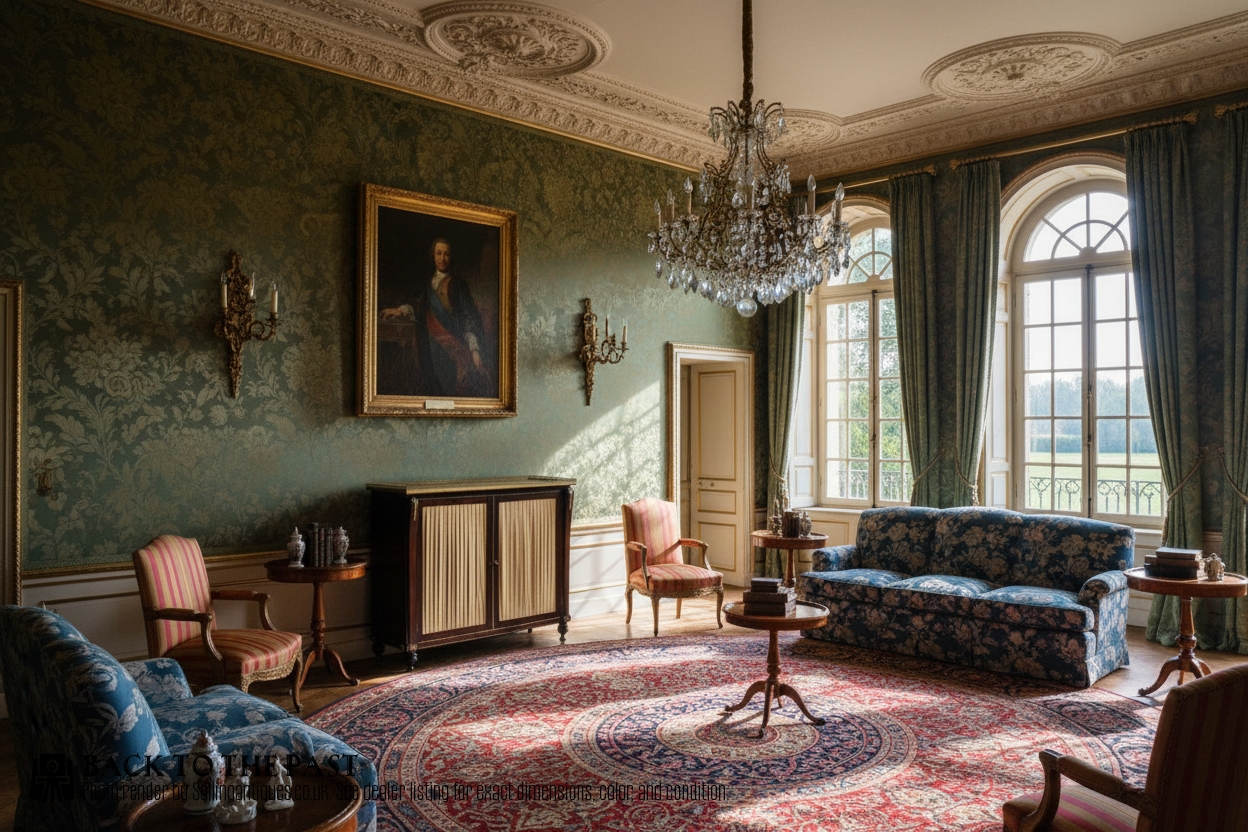
Cabinet makers utilised select woods including mahogany, flame-mahogany, and palisander to build the primary carcass structures. Simulated finishes and painted surfaces also appear, offering the rich appearance of exotic timber through alternative techniques.
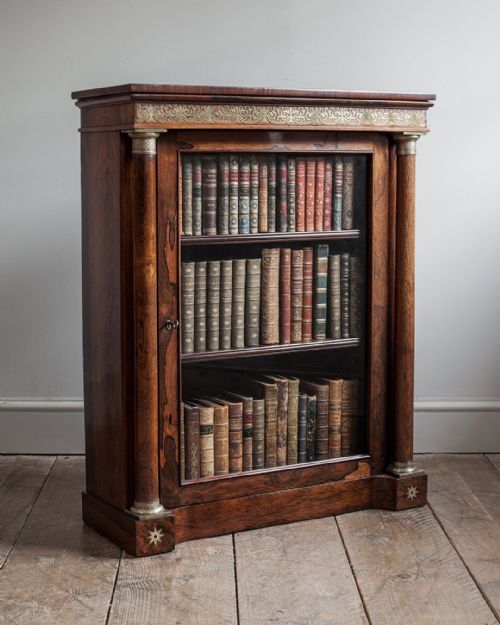
Metal elements such as brass inlay provide sharp contrast against the dark wood grain of the cabinets. Fabric details and painted wood complete the material palette recorded in the listings.
Retail Price Guide 2026
Typical UK retail prices for regency period cupboard, calculated from the Sellingantiques database of over a million retail prices indexed since 2003. This retail price guide relies exclusively on Sellingantiques data; no external sources or auction records are used, so the figures do not describe the wider market.
Some cylindrical bedside cupboards hide your nighttime clutter inside a neat, round wooden drum.
Judging quality in Regency cabinets
Superior examples rely on choice timber selections, such as flame-mahogany or figured palisander, which display distinct natural grain patterns across the primary surfaces. Lesser pieces utilise simpler painted finishes or plain timber without the same depth of figure.
The precision of decorative brass inlay and the integrity of the structural joinery separate standard items from superior works. Finer construction ensures the doors and compartments maintain proper alignment and smooth operation over time.
The Regency Period Cupboard Glossary
- Chiffonier
- A low sideboard or cabinet featuring shelves or enclosed storage space beneath a flat top surface. This form gained popularity during the nineteenth century for dining and living rooms.
- Palisander
- A dense, dark tropical timber often utilised for high-end cabinet making during the Regency era. Its rich natural colour provided a striking surface for fine furniture.
- Flame-mahogany
- Mahogany veneer cut from the branch forks of the tree to create a distinctive, flickering flame pattern. Cabinet makers used this technique on prominent doors and drawer fronts.
- Press cupboard
- A tall enclosed storage piece designed primarily for linens and clothing. These items often incorporate interior shelving or hanging space behind panelled doors.
Frequently Asked Questions
What rooms suit a regency side cabinet?
These compact cabinets fit easily into living rooms, hallways, or dining spaces where surface area and closed storage are both useful.
Their restrained proportions mean they do not dominate a room, allowing them to sit comfortably alongside modern or traditional furniture.
How do I care for rosewood surfaces?
Dust the timber regularly with a soft, dry cloth to prevent dirt accumulation on the polished grain. Avoid placing the cupboard in direct sunlight or near heat sources to protect the finish.
Feeding the wood occasionally with appropriate wax helps maintain the natural lustre of the material without building up a heavy residue.
Are bedside cupboards from this era practical?
Bedside cupboards offer convenient enclosed storage for personal items while maintaining a compact footprint beside a bed. Their historical design provides a stable surface for lighting and books.
These smaller pieces bring functional character to a bedroom without requiring extensive floor space.
How do I identify a chiffonier?
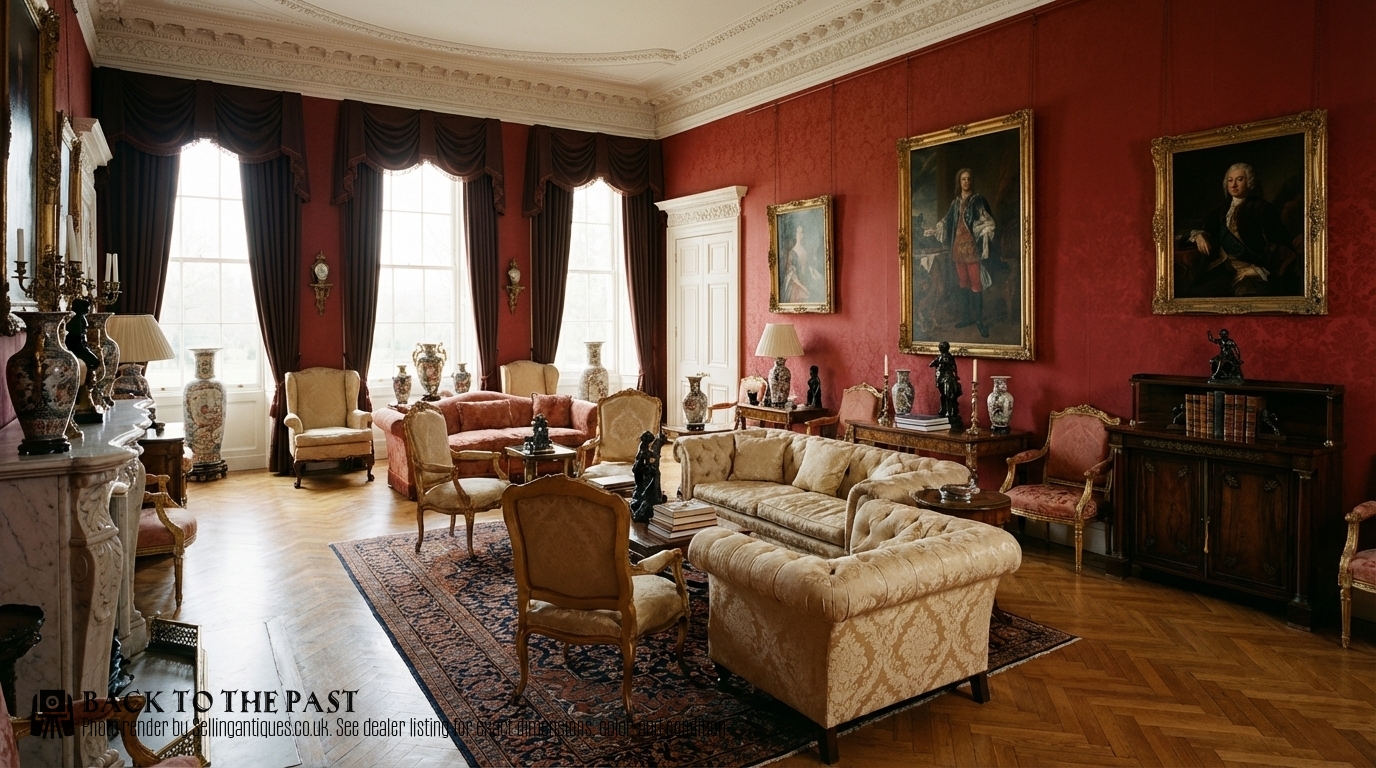
A chiffonier combines a low sideboard base with enclosed cupboard doors, often topped by a raised shelf structure. This form developed during the Regency period to meet changing dining room storage needs.
Makers built them using fine timbers like mahogany and palisander to match other formal room furnishings.