
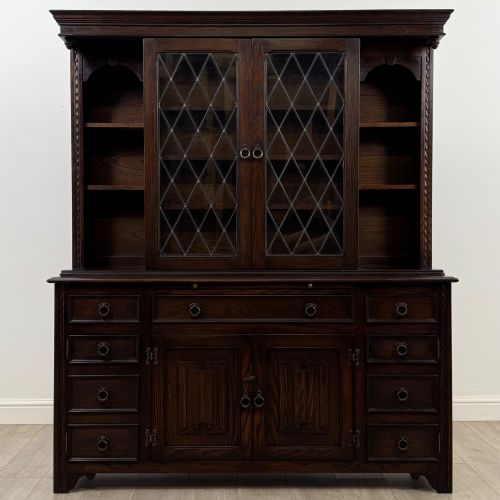
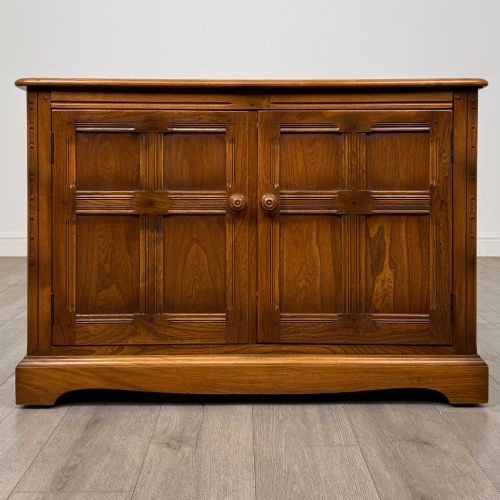
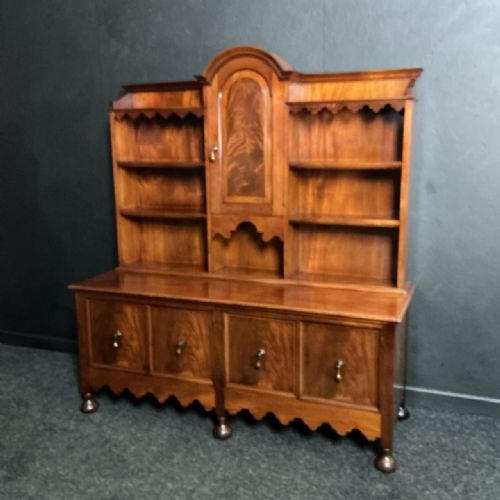
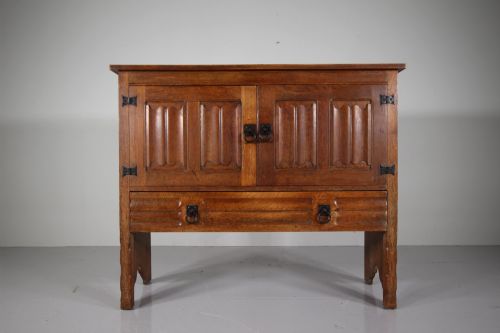
Antique Storage Sideboard
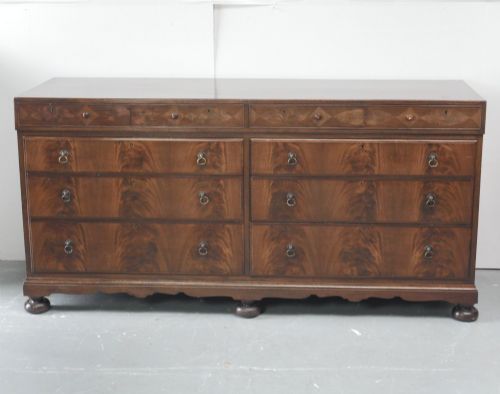
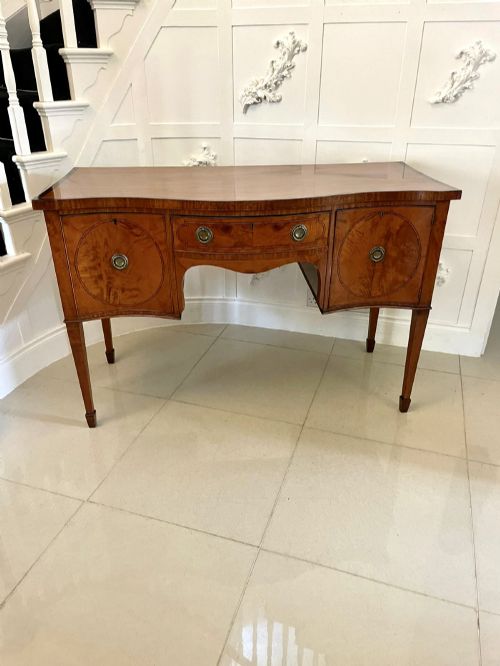
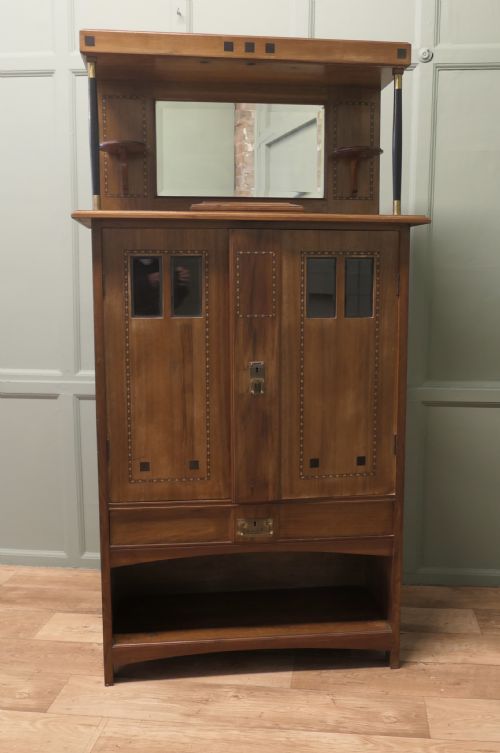
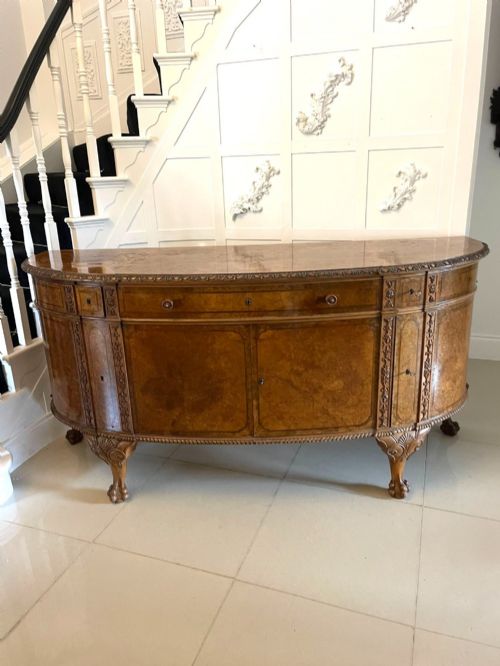
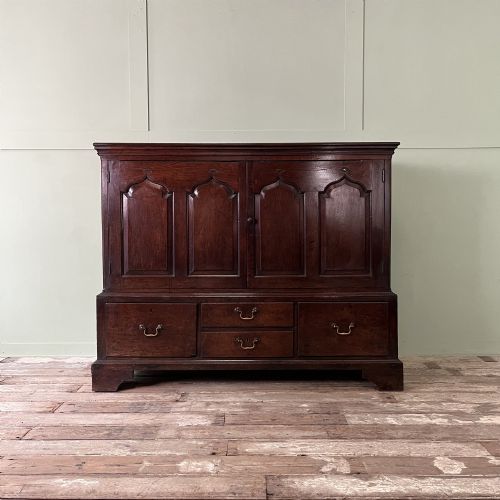
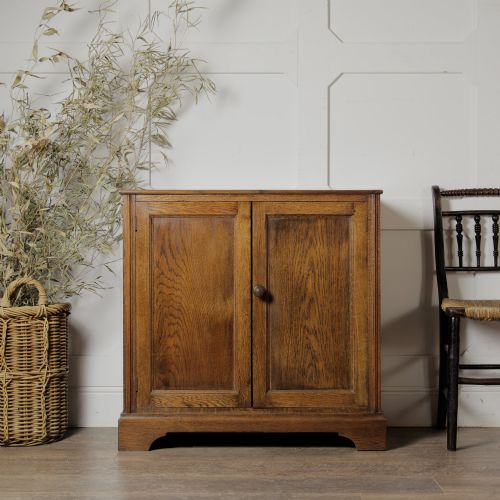
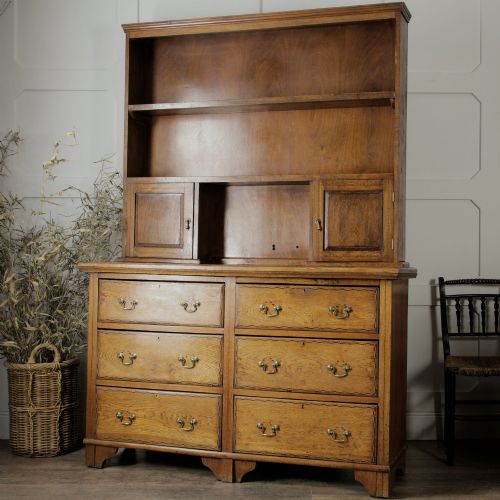
These antique storage sideboards offer heavy timber construction and enclosed compartment space, bringing traditional proportions and practical utility to a room.
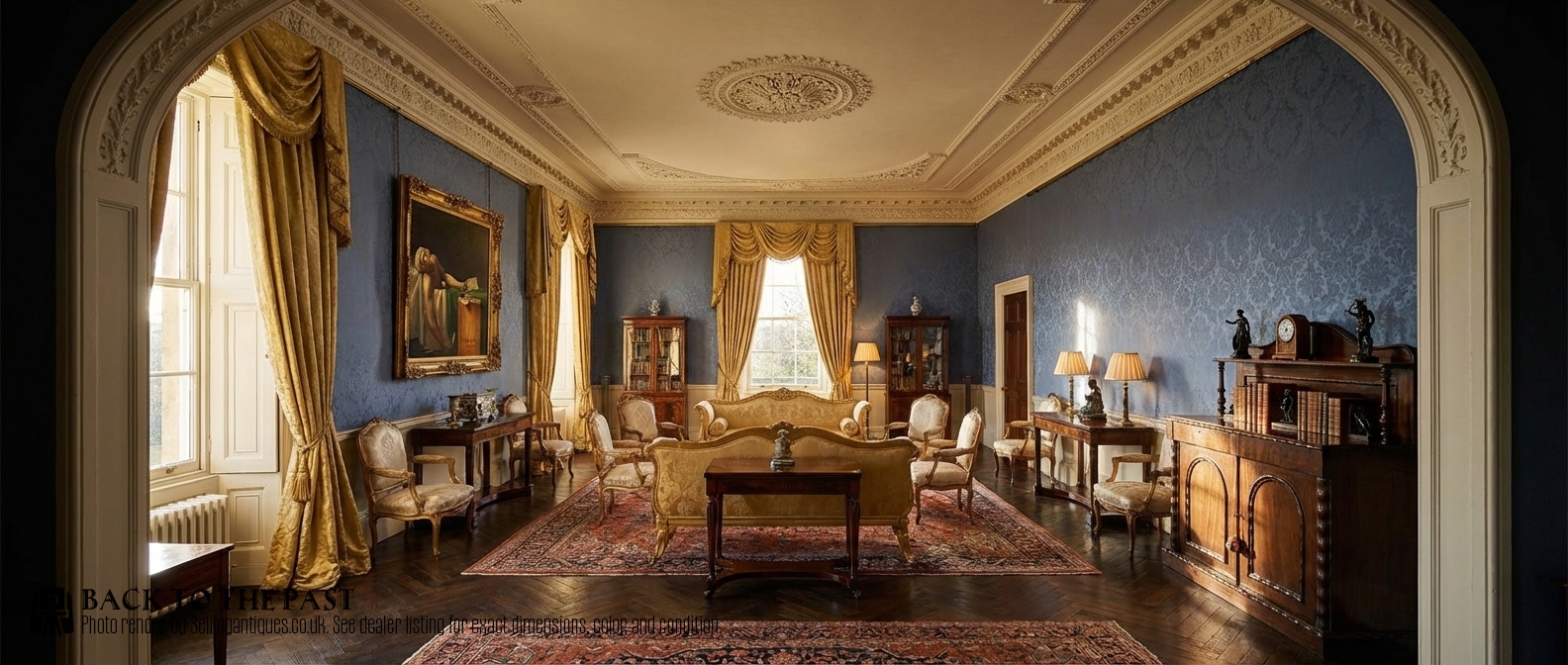
What these pieces are
An antique storage sideboard provides deep interior shelving and cupboards enclosed by timber doors, designed for holding household tableware and provisions. The pieces appearing here span the Regency and Victorian eras, alongside general nineteenth-century examples.
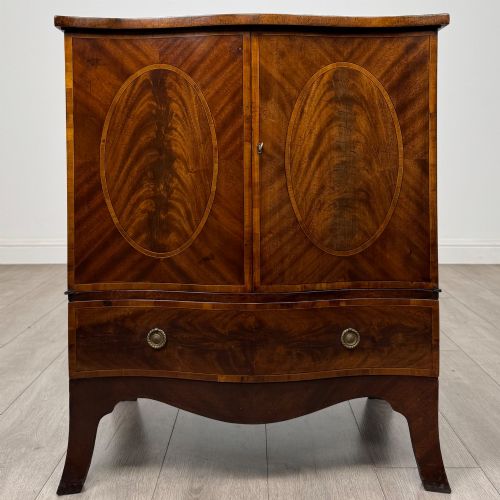
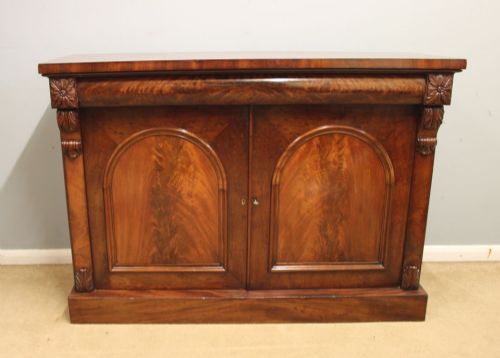
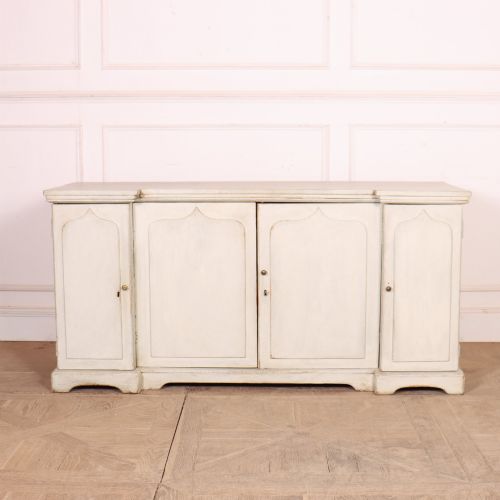
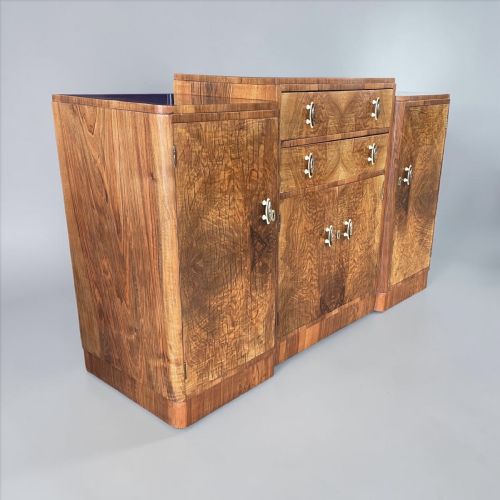
The selection includes credenzas, chiffoniers, and traditional sideboards. These forms range from low Regency cabinets to grand Victorian burl walnut and mahogany pieces equipped with brass and glass details.
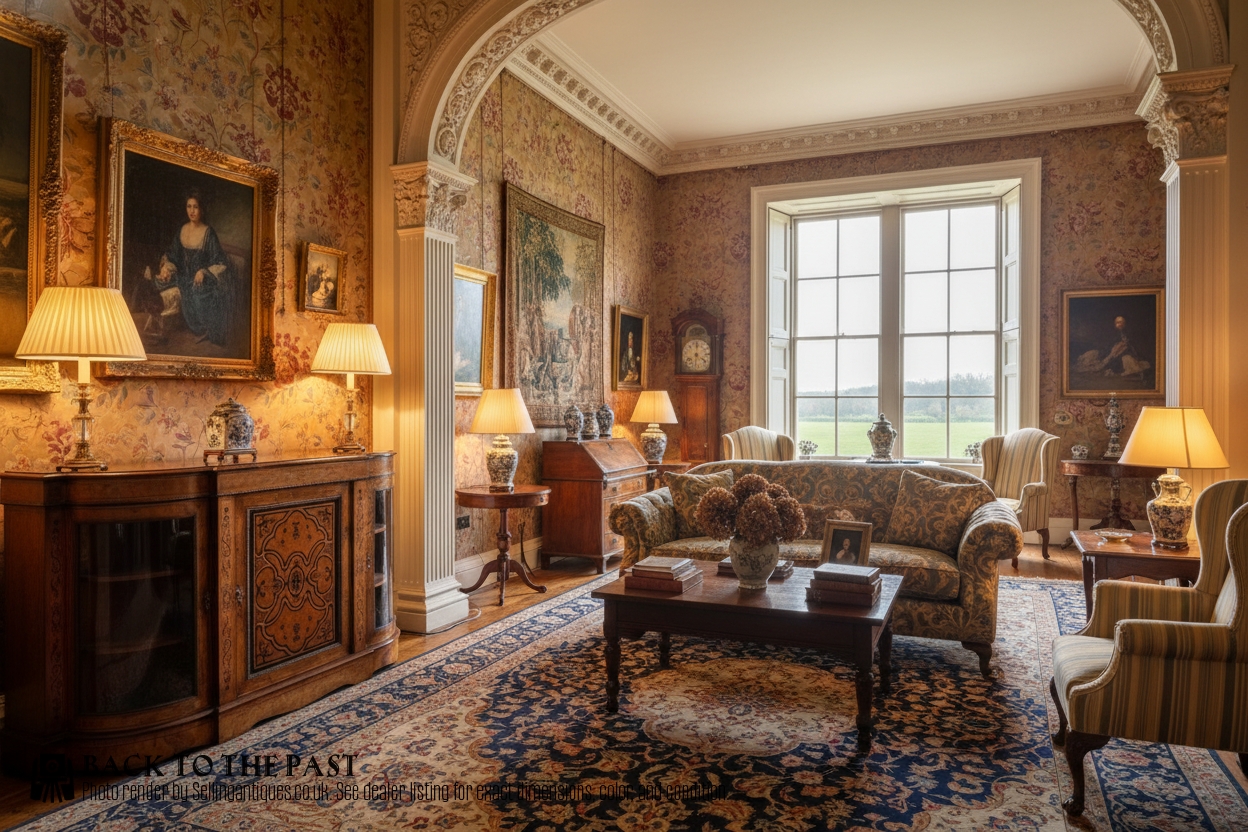
How they were made
Cabinet makers constructed these pieces primarily from solid mahogany and burr walnut, frequently applying boxwood stringing and marquetry inlay to the primary surfaces. Finer examples incorporate contrasting veneers to create geometric patterns across the doors and friezes.
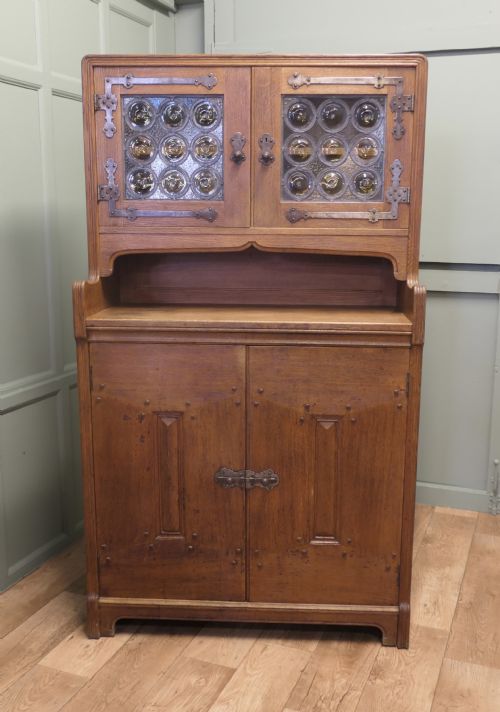
Hardware consists of cast brass mounts and handles, while select pieces feature inset marble tops or glazed door panels. Structural framing relies on traditional joinery techniques suited to heavy hardwood timber.
Retail Price Guide 2026
Typical UK retail prices for storage sideboard, calculated from the Sellingantiques database of over a million retail prices indexed since 2003. This retail price guide relies exclusively on Sellingantiques data; no external sources or auction records are used, so the figures do not describe the wider market.
Current listings and past archives feature pieces built from mahogany, burr walnut, oak, and black lacquer, spanning the Regency and Victorian periods.
What varies in quality
The standard of timber selection determines the visual impact of each piece, with highly figured burr walnut and rich mahogany commanding greater presence than plain stock. The intricacy of marquetry inlay and the weight of applied brass or ormolu mounts further separate standard production from superior work.
Execution of the internal cabinetry and the preservation of original glass and marble elements dictate the integrity of the piece. Refined secondary woods and careful edge detailing indicate a higher grade of workshop production.
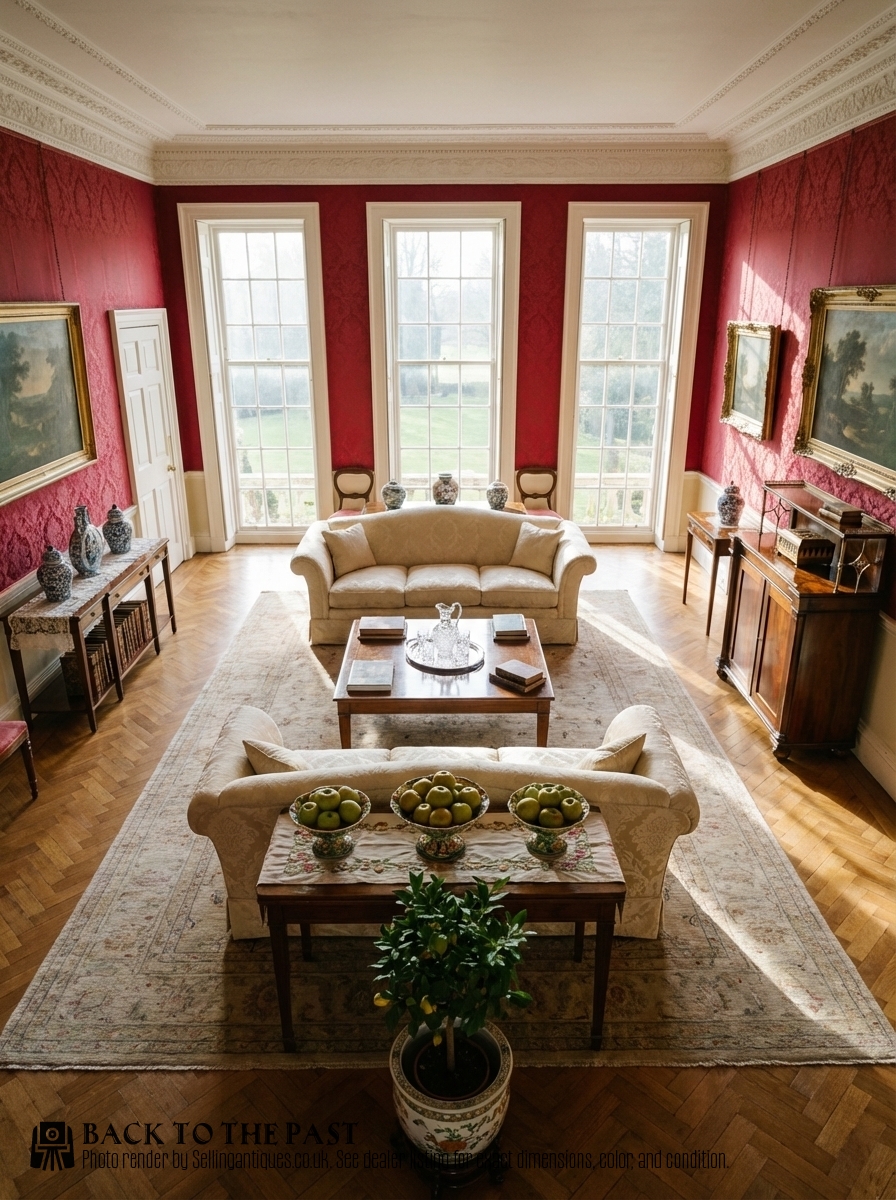
The Antique Storage Sideboard Glossary
- Sideboard
- A large dining room cabinet designed for storing tableware, linen, and serving dishes. These forms evolved significantly through the nineteenth century.
- Credenza
- A low cabinet, frequently featuring glazed doors or marquetry, originating as a serving table and storage unit. Victorian examples often display elaborate walnut veneers.
- Chiffonier
- A compact sideboard cabinet popular in the Regency and Victorian periods, typically featuring shelves or a low gallery back above enclosed storage.
- Marquetry
- The art of applying decorative pieces of veneer to a structure to form intricate designs and pictorial patterns. Boxwood and darker hardwoods frequently provide contrast in these compositions.
- Ormolu
- Gilded bronze mounts applied to furniture for decorative effect. This technique adds metallic contrast to dark timber surfaces.
Frequently Asked Questions
How do I style an antique sideboard?
Position the piece against a principal wall in a dining room or living space where its length can anchor the room. Use the surface for lamps or decorative objects while reserving the interior cupboards for practical storage.
Ensure there is adequate clearance around the doors and drawers for comfortable access. The rich timber tones pair well with both traditional and contemporary interiors.
What is the difference between a chiffonier and a credenza?
A chiffonier is typically a more compact nineteenth-century cabinet that often includes a raised shelf or gallery at the back. They suit smaller alcoves and provide moderate enclosed storage.
A credenza sits lower and longer, frequently featuring glass-fronted or curved side compartments. These pieces were designed to display fine items while concealing bulkier storage below.
How do I care for mahogany and walnut surfaces?
Dust the timber regularly with a soft, dry cloth to prevent grit accumulation on the polished finish. Avoid placing furniture in direct sunlight or near heat sources to protect the veneers.
Apply a traditional beeswax polish sparingly when the wood appears dry, buffing gently to maintain the natural lustre. Avoid modern silicone sprays which can damage historical finishes.
How do I identify a Regency period piece?
Regency furniture dates from the early nineteenth century and typically displays restrained classical lines, dark mahogany timbers, and minimal brass ornamentation. The proportions tend to be architectural and balanced.
Look for clean geometric forms and subtle brass inlay rather than the heavier carved decoration associated with later Victorian production.