
Edwardian Walnut Credenza
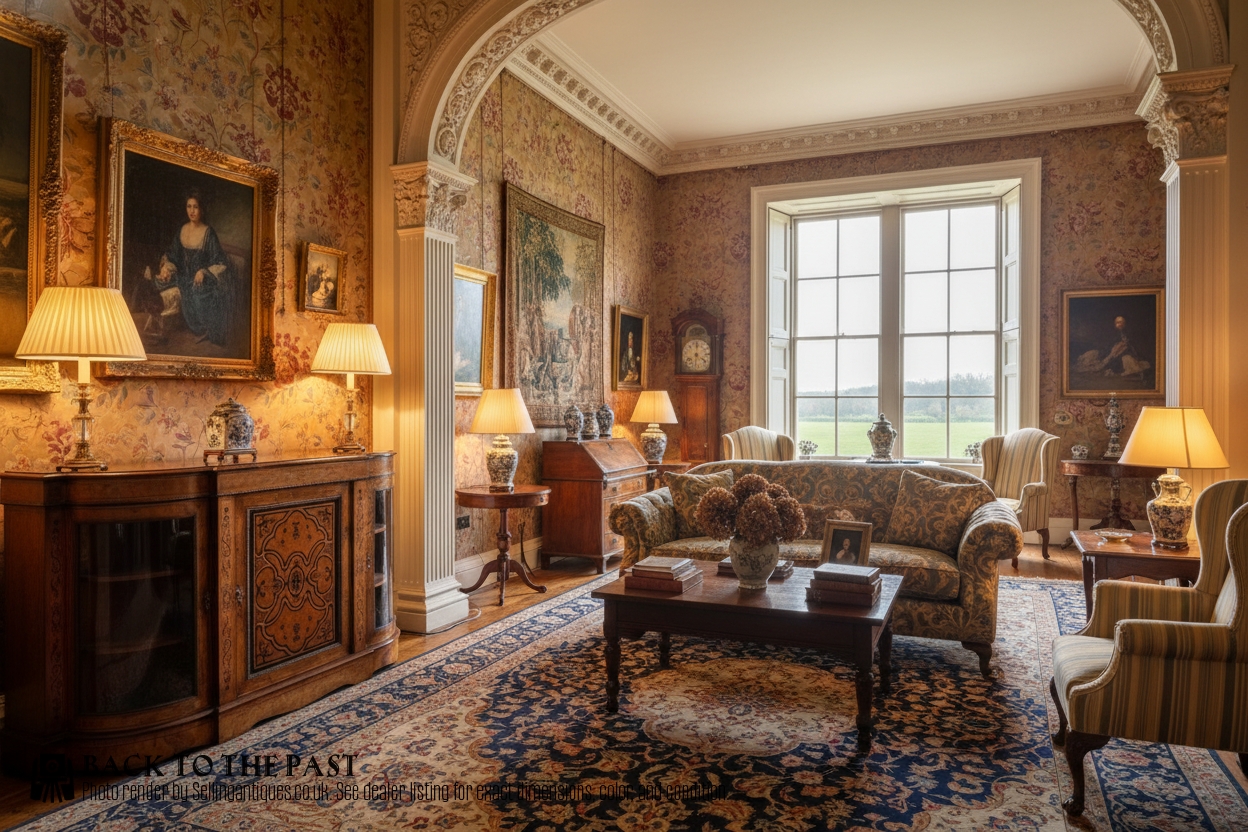
An edwardian walnut credenza is a low, polished display cabinet that grounds a formal room with rich timber grain and restrained brass mounts.
Edwardian Walnut Credenza
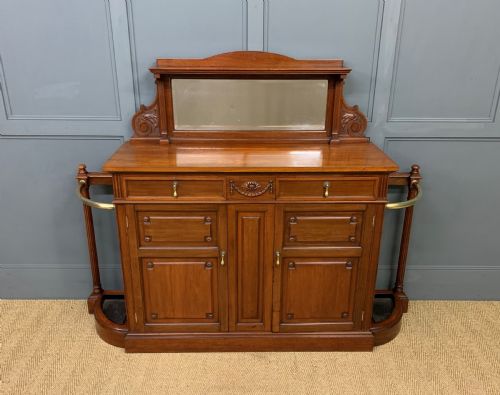
When you search for an edwardian walnut credenza, you encounter low display cabinets and side cabinets that emerge across Victorian, Edwardian, and twentieth-century periods.
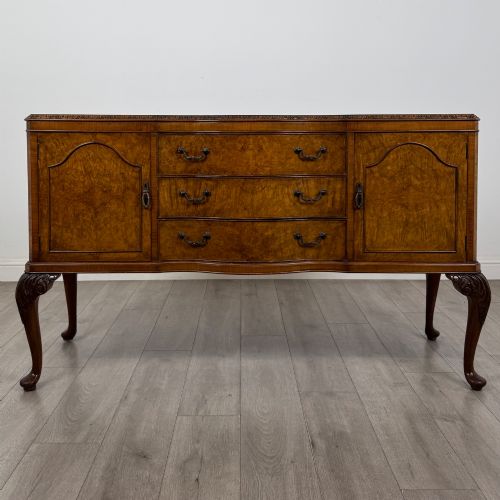
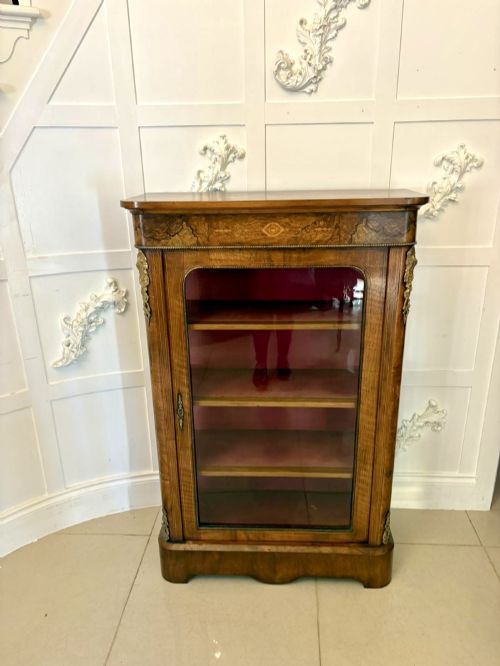
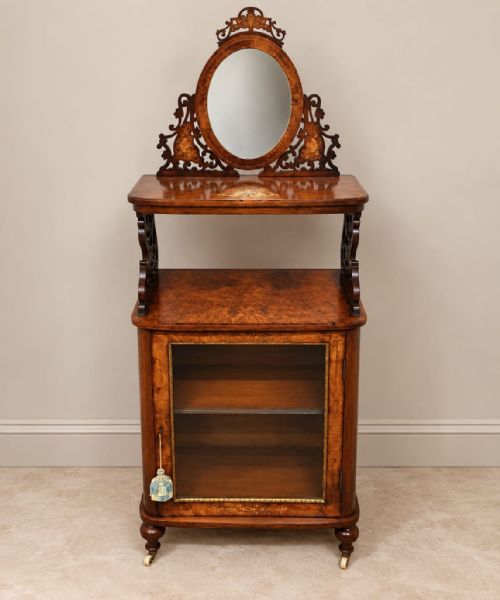
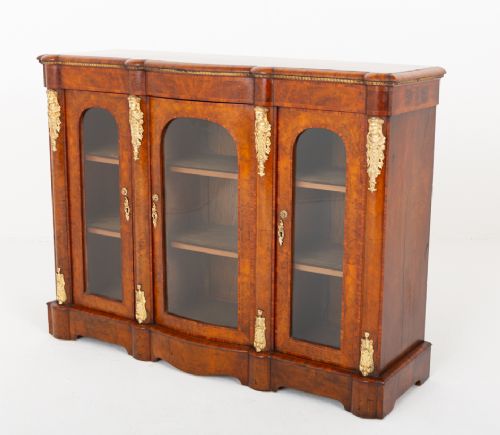
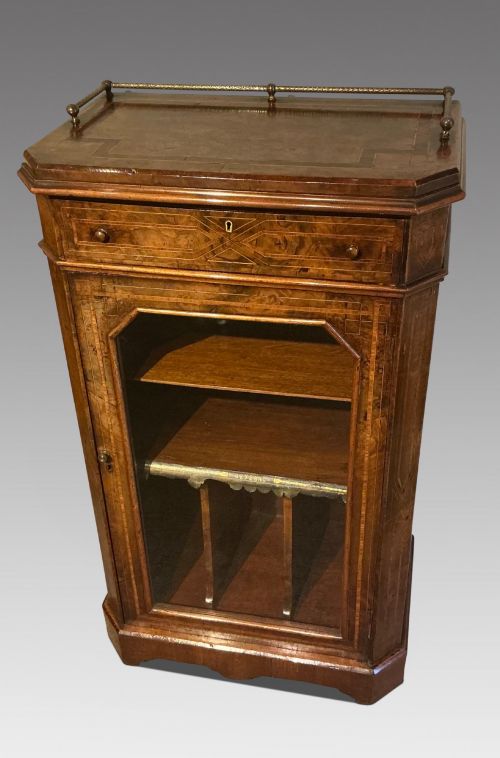
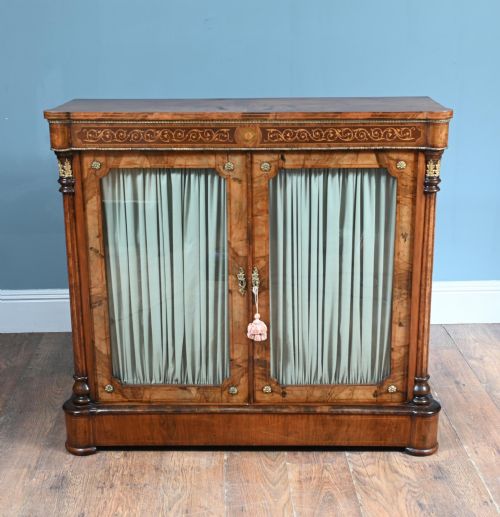
Makers construct these forms using walnut and burr walnut, often pairing low enclosed cupboards with glass doors and internal shelving.
While specific edwardian examples share the floor with nineteenth-century Victorian and later revival pieces, the core form remains a low, wide cabinet designed for display and storage.
How they were made
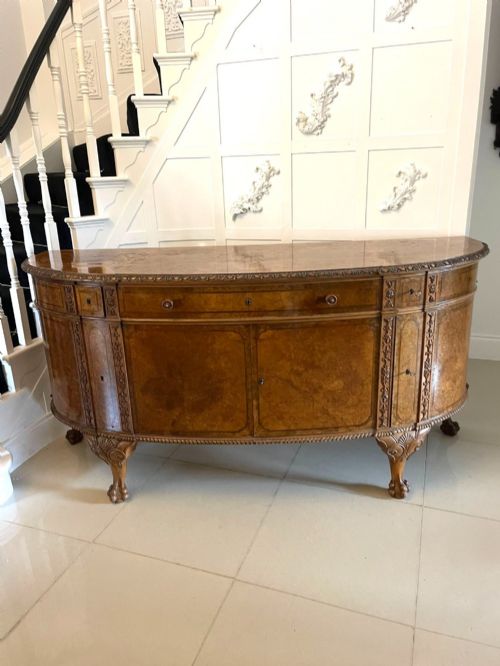
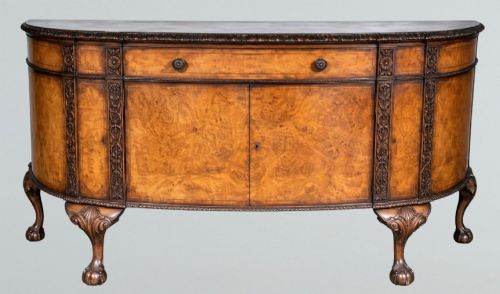
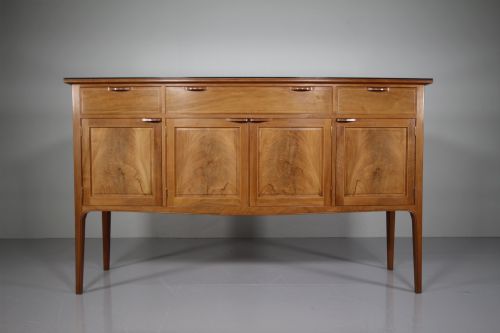
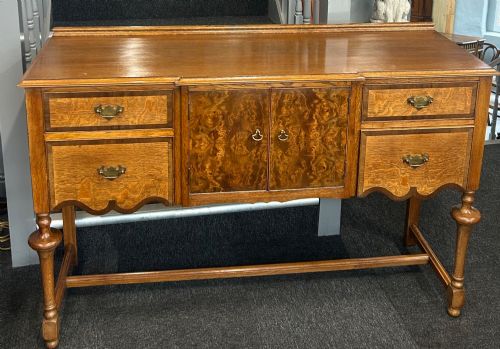
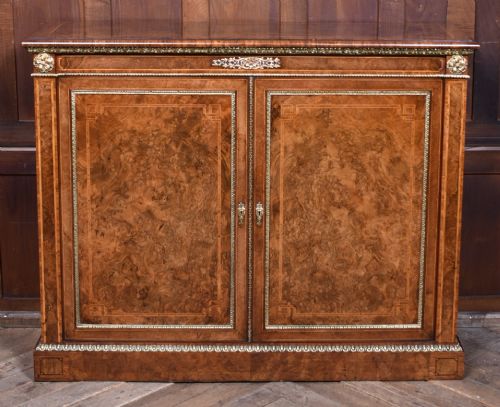
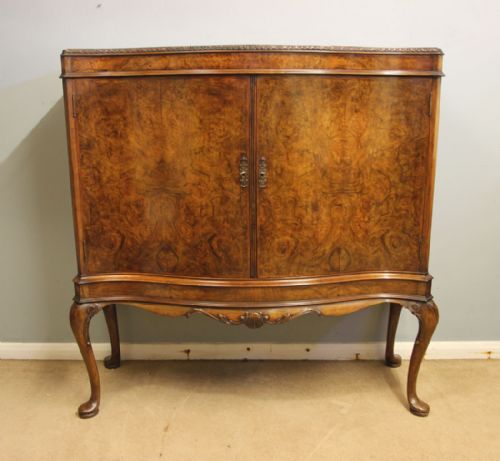
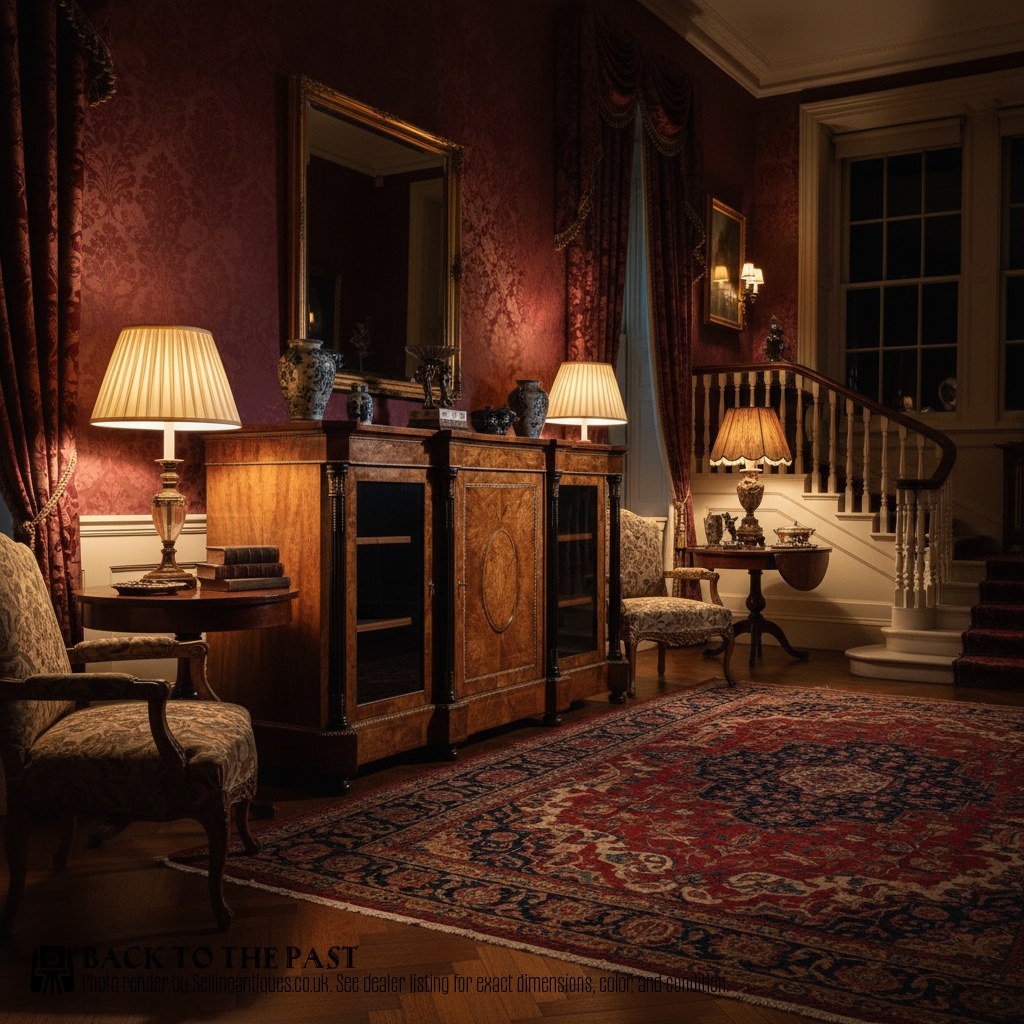
Cabinet makers select figured burr walnut veneers for the primary surfaces, laying the grain symmetrically to create striking visual patterns across the doors and panels.
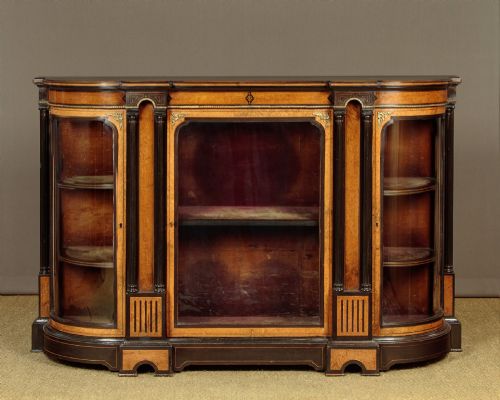
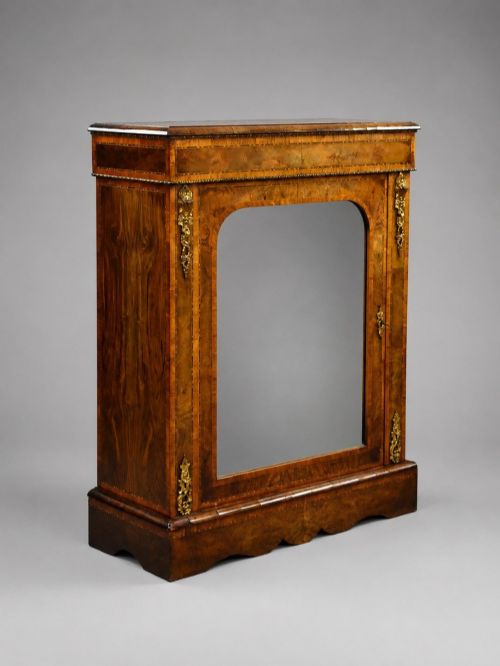
Workshops incorporate boxwood inlay, ebonised detailing, and brass or ormolu mounts to accent the warm brown tones of the timber.
Glazed doors, mirrored backs, and occasional marble tops integrate glass and stone with the wooden carcase to complete the construction.
Edwardian Walnut Credenza Retail Price Guide 2026
Typical asking prices for edwardian walnut credenza among the pieces listed under this phrase on Sellingantiques today, from the lower quarter to the upper quarter. They describe what is for sale here now, not the wider market.
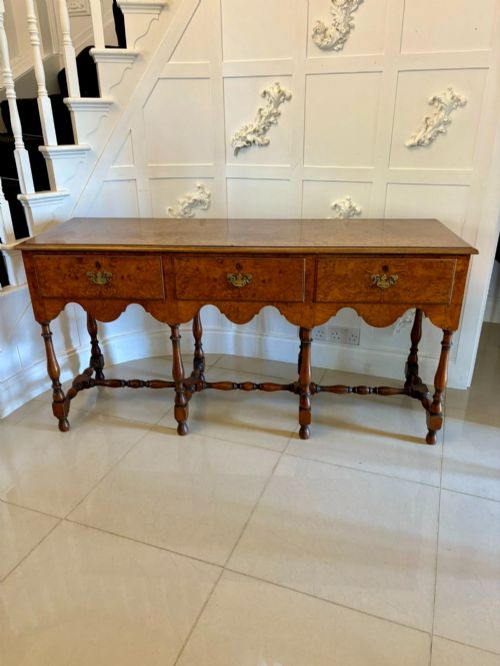
The listings show credenzas and side cabinets spanning from the Victorian era into the 1930s, constructed predominantly in walnut, burr walnut, and glass.
What varies in quality
The choice and matching of the burr walnut veneer dictate the visual impact of the piece, separating standard production from exceptional execution.
The fineness of the boxwood inlay and the weight of the brass or ormolu mounts reveal the level of care invested in the ornamentation.
The precision of the cabinet work, particularly in the fit of the doors and the integrity of the internal shelving, establishes the standard of the manufacture.
Shoolbred & Co.·Edward Barnsley·Whytock & Reid·Maple & Co.
The Edwardian Walnut Credenza Glossary
- Burr walnut
- A figured timber obtained from the warted growths of walnut trees, prized for its swirling grain patterns. Cabinet makers slice this wood into thin veneers to cover large flat surfaces.
- Credenza
- A low cabinet originally used for displaying plate, typically featuring central cupboards flanked by glass doors. In nineteenth and early twentieth-century British furniture, the term describes low display furniture.
- Pier cabinet
- A narrow cabinet designed to stand against the wall space between windows. These pieces often feature glass doors and velvet-lined interiors for displaying porcelain.
- Ormolu
- Gilded bronze mounts applied to furniture for decoration. Workshops cast and chase these metal elements to frame doors and highlight corners.
- Marquetry
- The art of applying pieces of veneer to a structure to form decorative patterns. Craftsmen use contrasting woods such as boxwood to create floral or geometric designs.
Edwardian Walnut Credenza: Frequently Asked Questions
What is an edwardian walnut credenza used for?
These cabinets serve as living room or dining room furniture designed for storing tableware and displaying decorative objects behind glass doors.
The flat top surface also provides space for lamps or ornamental items while keeping the room proportions balanced.
How do I care for walnut furniture?
Keep the timber away from direct sunlight and heat sources to prevent the wood and veneer from drying out or cracking.
Apply a microcrystalline wax occasionally to nourish the polished surface without building up excessive residue.
How do I distinguish Edwardian from Victorian pieces?
Victorian furniture often displays heavier carving, denser inlay, and darker finishes influenced by historic revival styles.
Edwardian pieces tend toward lighter proportions, cleaner lines, and simpler ornamentation that reflects a shift in domestic taste.
Are these credenzas made of solid walnut?
Most examples use a stable secondary timber carcass overlaid with figured walnut and burr walnut veneers.
This technique allows cabinet makers to display symmetrical grain patterns that would be unstable and prone to warping in solid boards.