
Glass Door Credenza
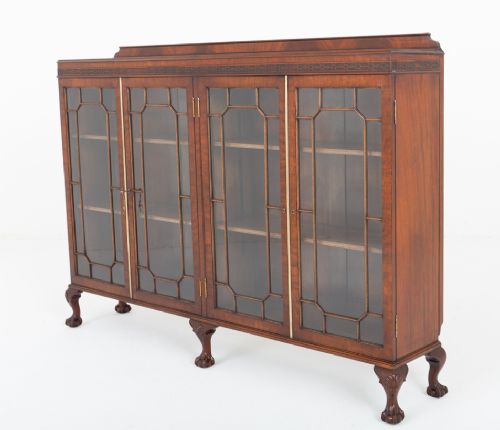
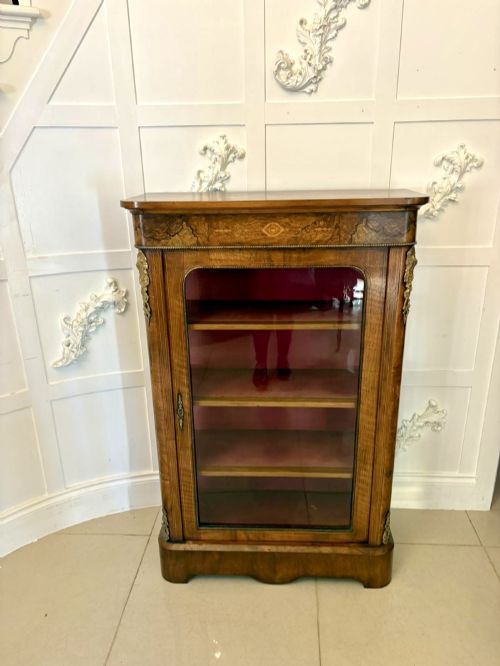
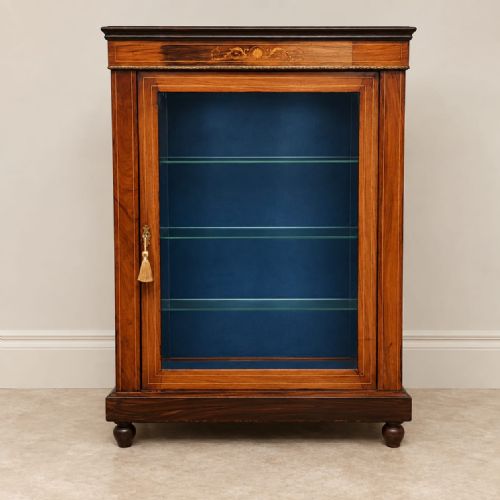
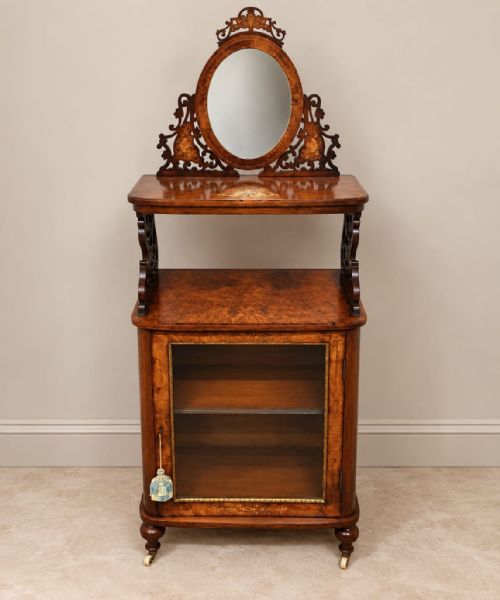
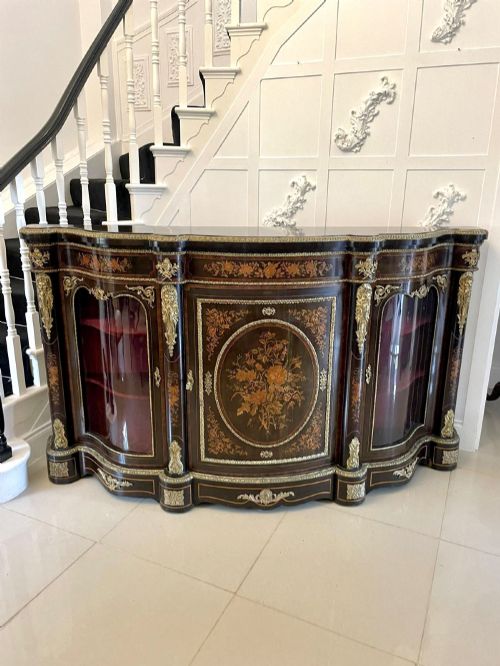
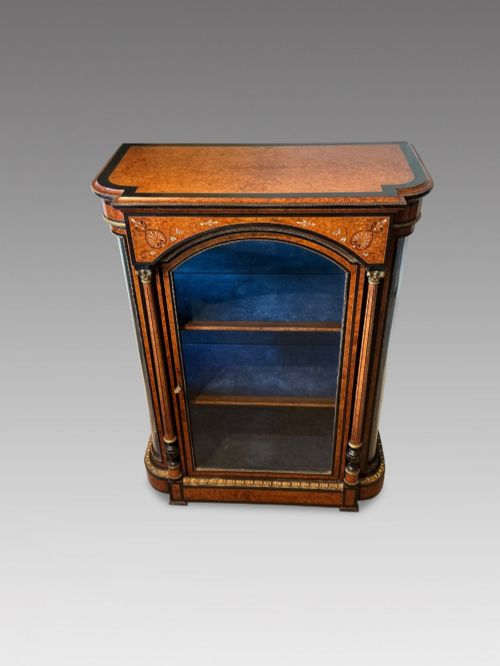
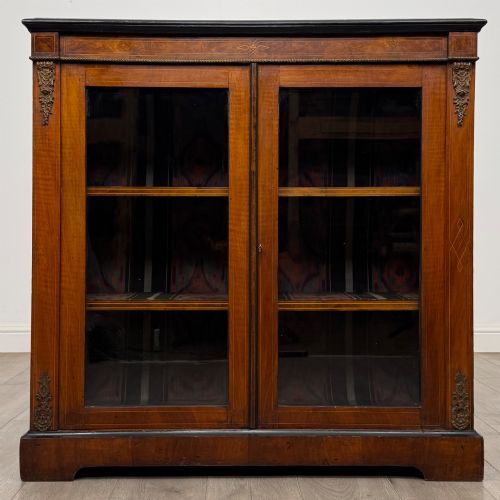
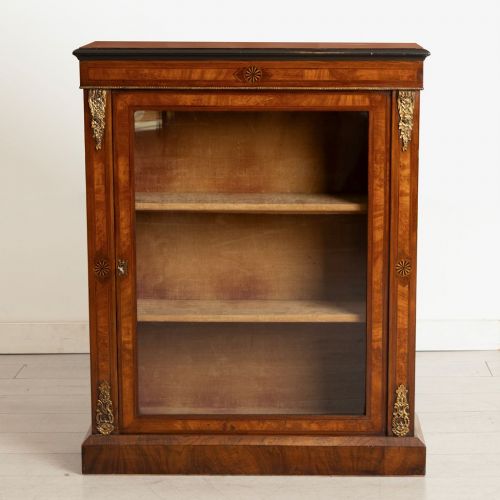
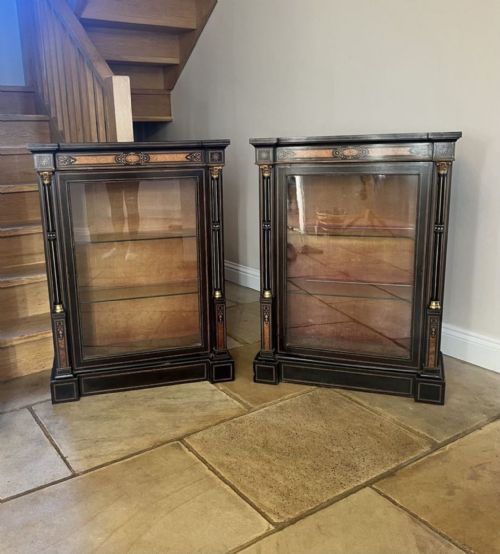
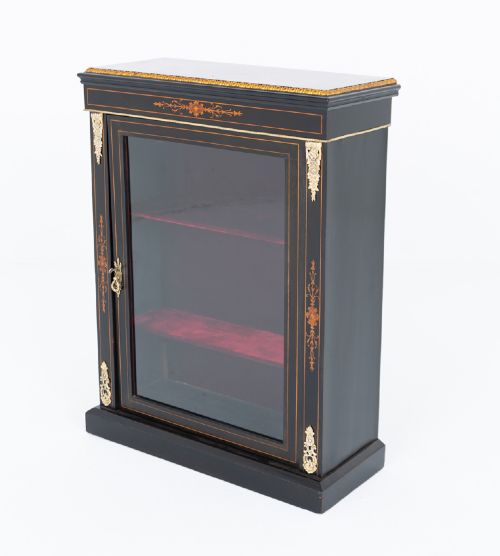
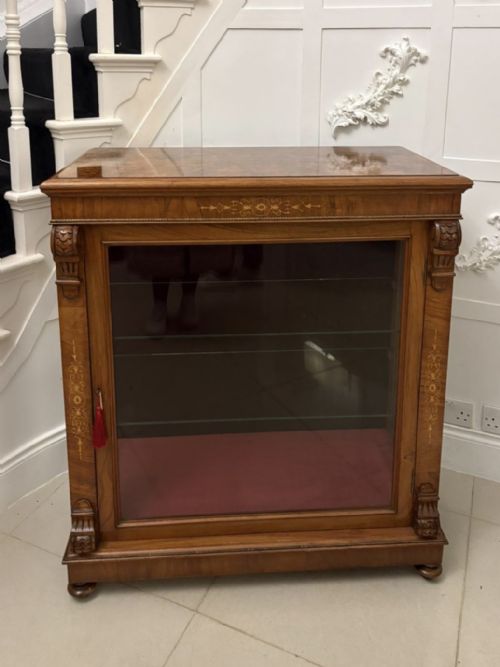
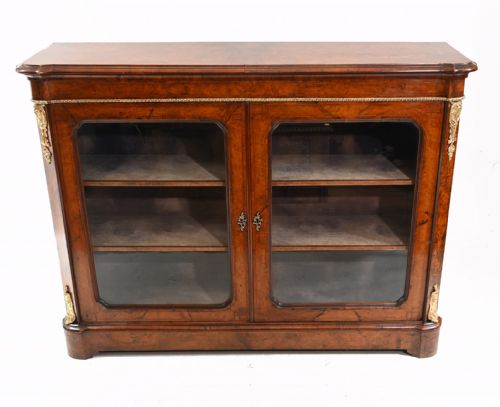
These walnut and ebonised glass door credenza examples offer panelled display space and marquetry detail for the Victorian interior.
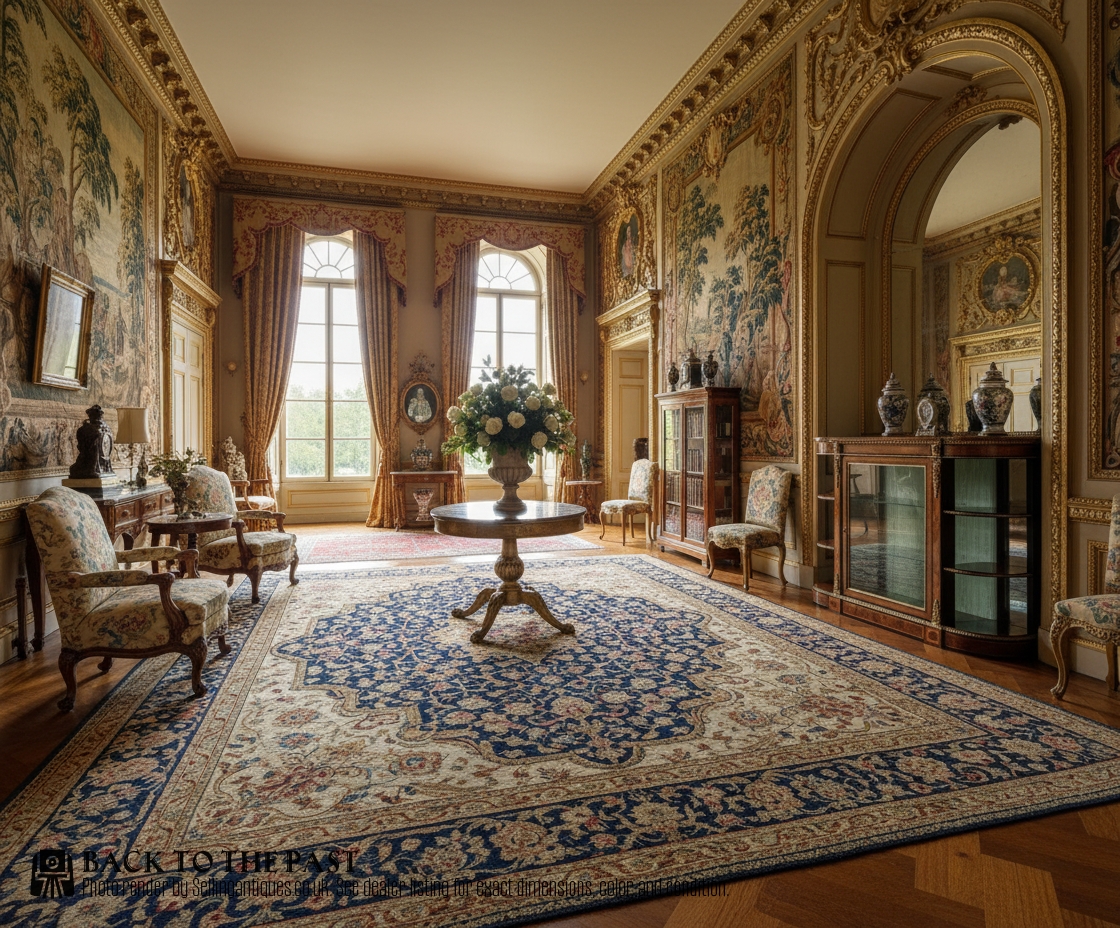
What a glass door credenza is
A glass door credenza is a low-profile storage and display piece originating in the nineteenth century. Buyers searching this phrase seek the low-slung proportions and glazed cabinet doors typical of the period.
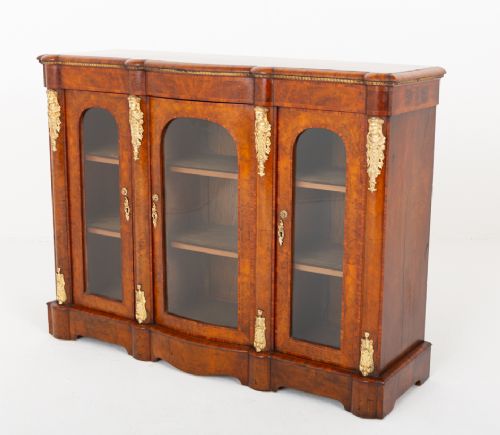
The pieces on this page span the Victorian era, including dated examples from eighteen sixty and eighteen eighty alongside broader nineteenth-century items. Walnut predominates as the primary timber, appearing in figured burr varieties and ebonised finishes.
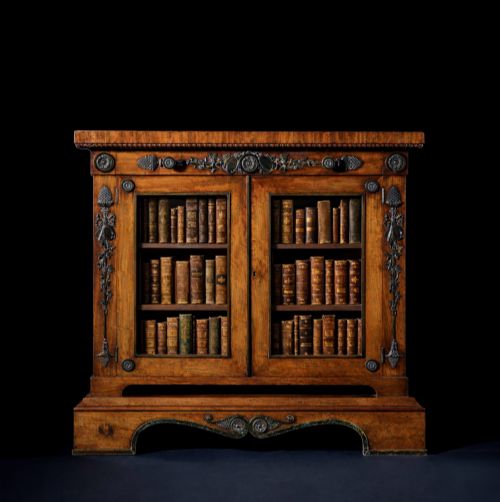
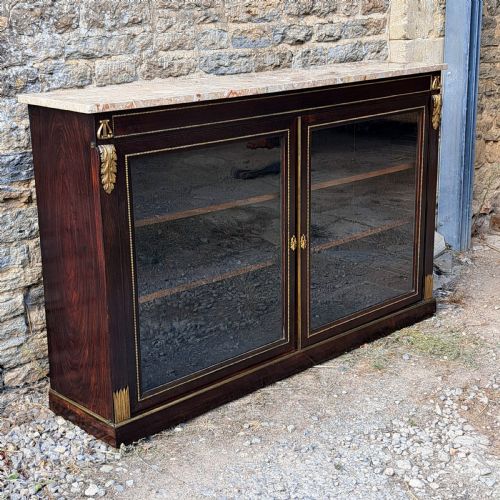
Forms include standard credenzas and breakfront display cabinet hybrids. These items function as principal reception room furniture designed to display ceramics or books behind glass.
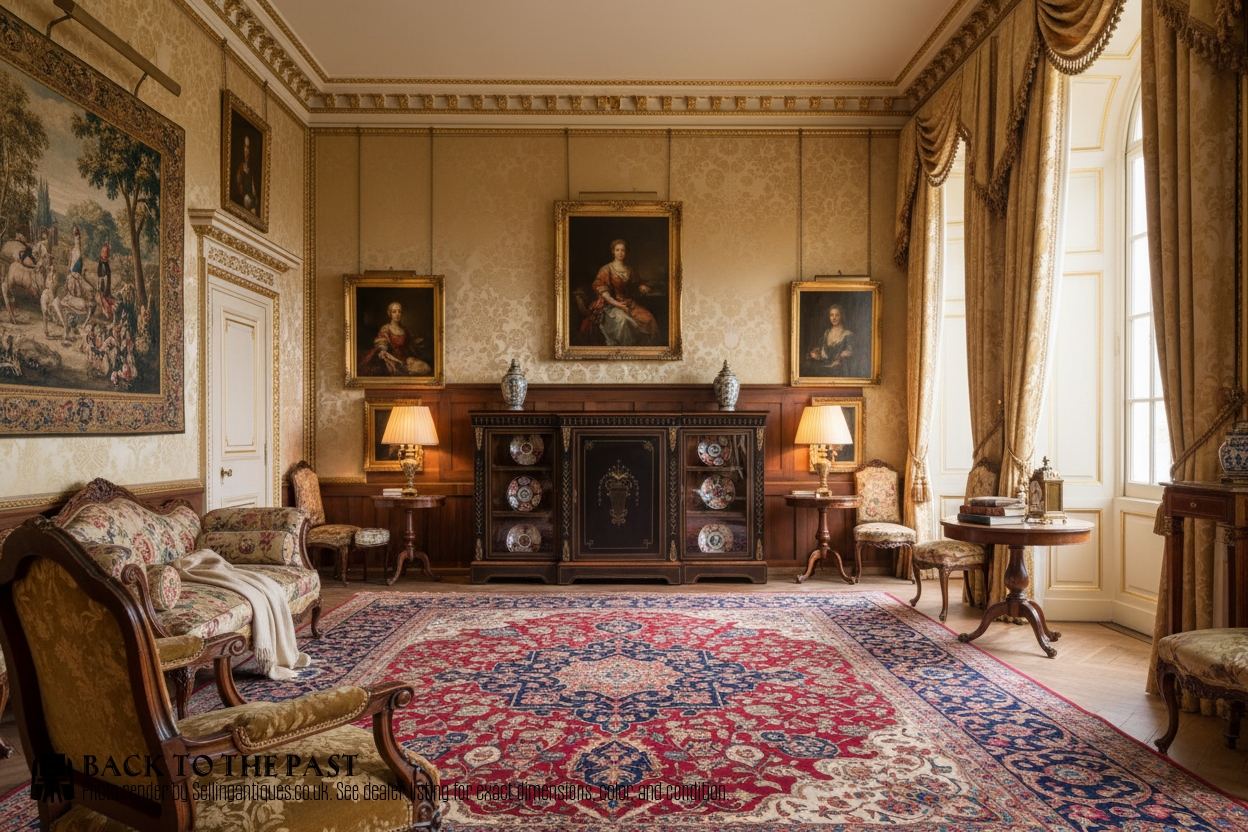
How they were made
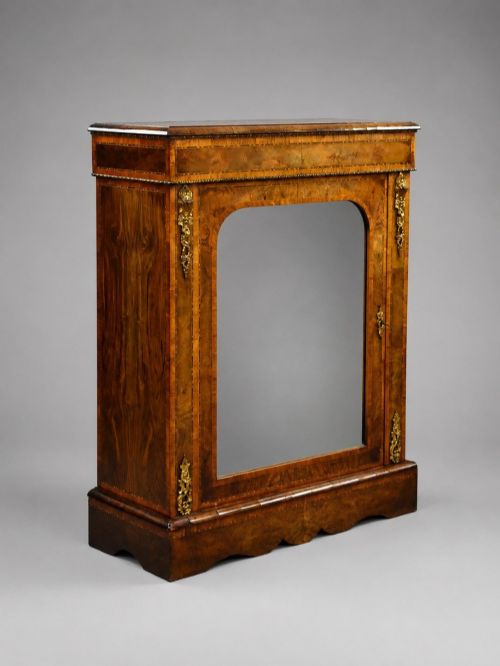
Construction relies on walnut timber, frequently enhanced with burr walnut veneers selected for decorative grain patterns. Marquetry inlay utilises contrasting woods such as boxwood to create floral or geometric motifs across the exterior surfaces.
Mounts and decorative trims incorporate cast or chased ormolu and brass detailing. Glazed doors use clear glass to frame the interior, occasionally accompanied by mirrored backs or fabric linings.
Retail Price Guide 2026
Typical UK retail prices for glass door credenza, calculated from the Sellingantiques database of over a million retail prices indexed since 2003. This retail price guide relies exclusively on Sellingantiques data; no external sources or auction records are used, so the figures do not describe the wider market.
Materials recorded across the inventory include burr walnut, ebonised timber, ormolu, brass, mirror, and fabric.
What varies in quality
Quality rests upon the selection of timber veneers and the precision of the marquetry inlay. Finely figured burr walnut and crisp boxwood stringing separate standard production from more ambitious workshop output.
The integration of metalwork and glazing defines the structural tier of each piece. Heavy cast ormolu mounts and well-fitted glass doors demonstrate superior craftsmanship compared to simpler timber frames.
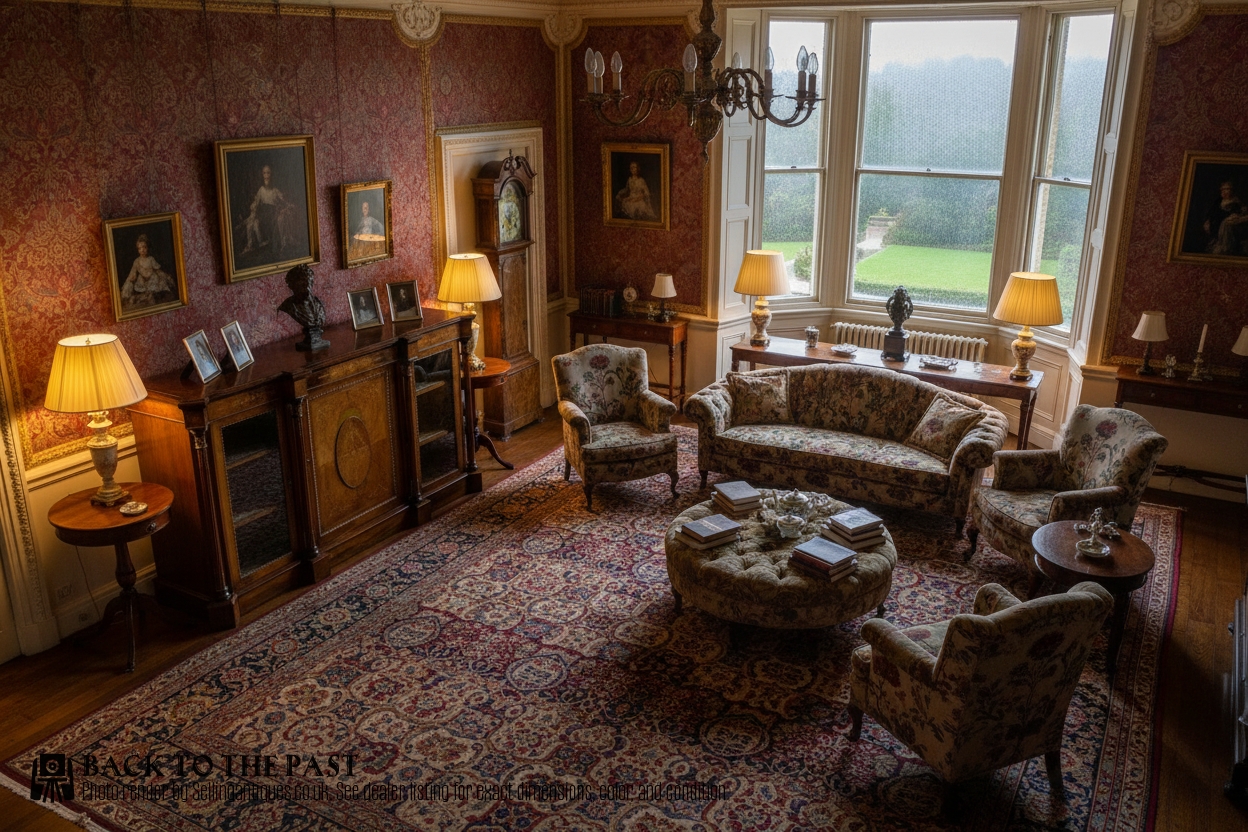
The Glass Door Credenza Glossary
- Burr walnut
- A figured timber harvested from walnut tree growths, showing swirling grain patterns. It provides a highly decorative surface for nineteenth-century cabinet doors and panels.
- Marquetry
- The art of applying decorative veneer pieces to a structure to form designs. Craftsmen use contrasting timbers like boxwood to create intricate patterns.
- Ormolu
- Gilded bronze mounts applied to furniture edges and mounts. This material adds metallic contrast to dark timber surfaces.
- Ebonisation
- A chemical or finishing process that darkens light wood to imitate ebony. This technique creates a dense black surface seen on specific Victorian cabinets.
- Breakfront
- A cabinet facade where the central section projects forward from the flanking wings. This architectural arrangement creates depth and visual variation across the front.
Frequently Asked Questions
What is a glass door credenza?
A glass door credenza is a low nineteenth-century cabinet featuring glazed doors for display. These pieces were built to stand against reception room walls.
They combine enclosed shelving with glazed compartments to hold decorative objects. Walnut and burr walnut are the standard timbers used in their construction.
How do I date a Victorian credenza?
Dating relies on stylistic markers such as marquetry motifs, timber choices, and specific construction methods. Pieces from eighteen sixty often show simpler walnut framing, while eighteen eighty examples feature elaborate burr veneers.
Cabinetmakers of the era adapted prevailing revival styles. Examining the secondary woods and hardware helps confirm the Victorian manufacturing period.
Where should I place a credenza?
These low cabinets suit living rooms, dining spaces, or wide hallways where floor space allows a shallow depth. Their height permits placing lamps or objects on top without blocking wall art.
Keep them away from direct sunlight to protect the walnut veneers and internal fabric linings. Ensure the floor is level so the glazed doors hang true.
What is the difference between an ebonised and walnut credenza?
An ebonised credenza has been treated to achieve a solid black finish, mimicking expensive ebony wood. Standard walnut versions display the natural brown grain and variegated tones of the timber.
Both finishes appear on nineteenth-century pieces. Ebonised models often incorporate gilt highlights and ormolu mounts to contrast against the dark background.