

Dark Rosewood Sideboard
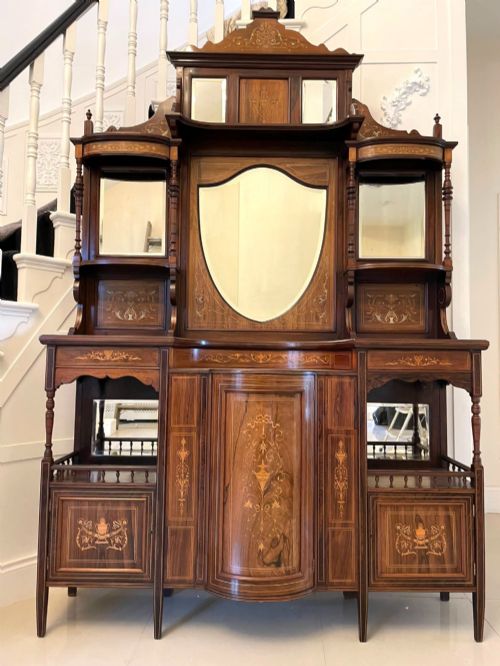
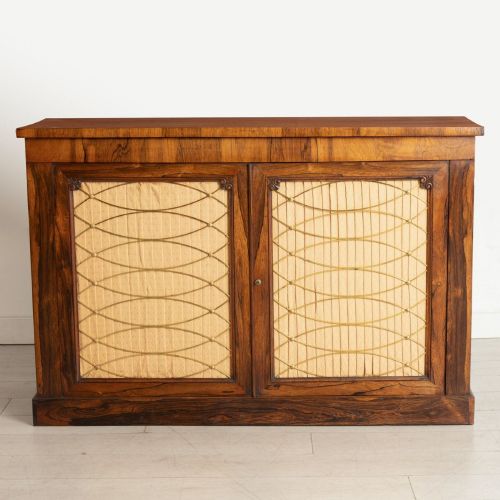
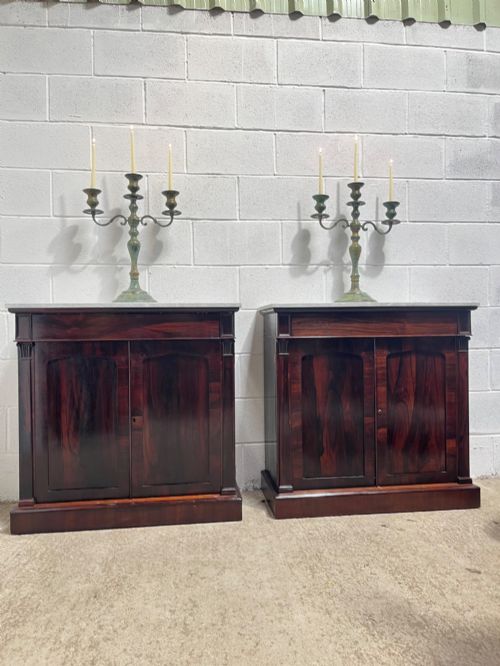
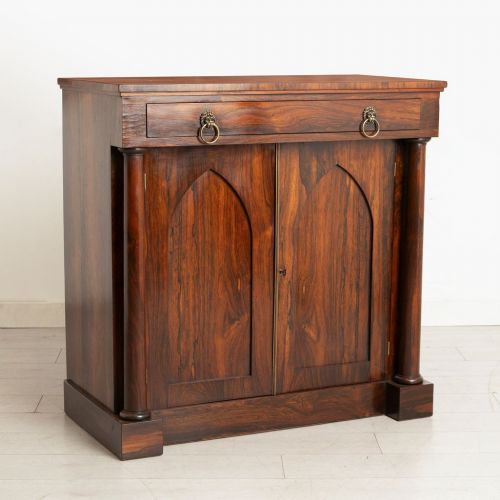
A dark rosewood sideboard brings deep timber and rich grain to a room, functioning as a substantial serving piece or display cabinet.
Dark Rosewood Sideboard
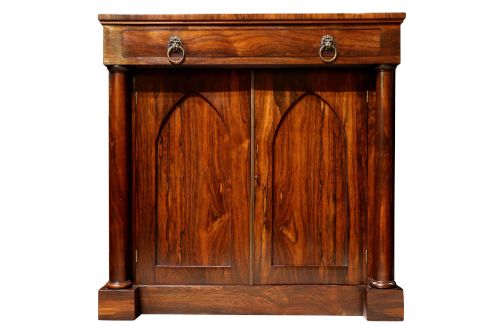
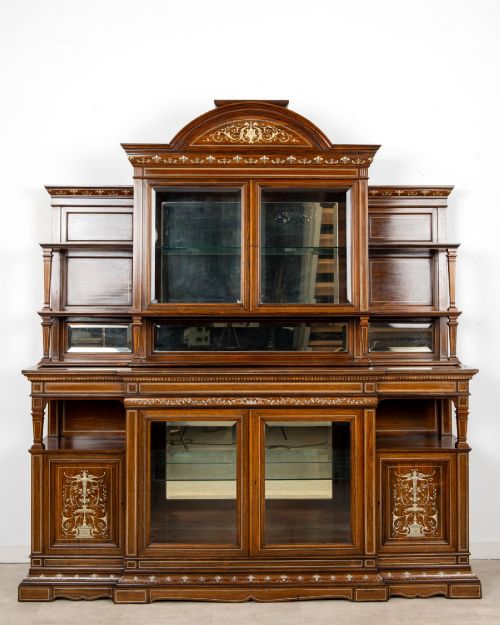
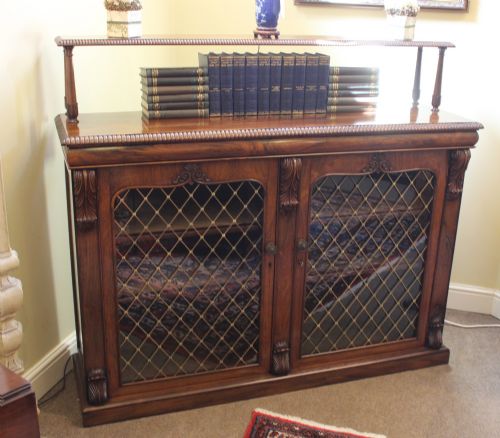
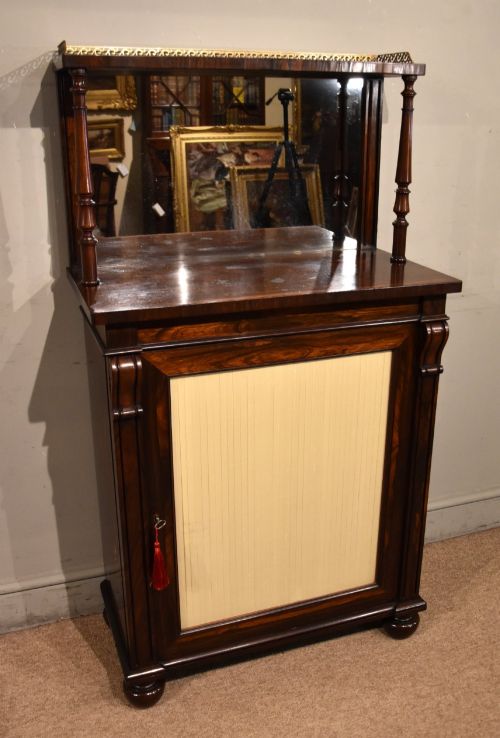
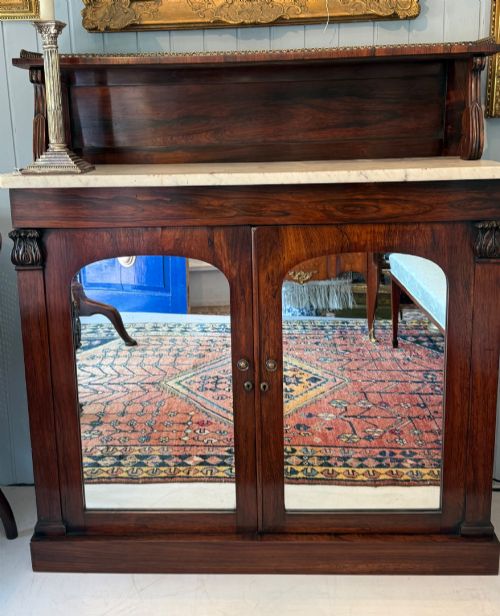
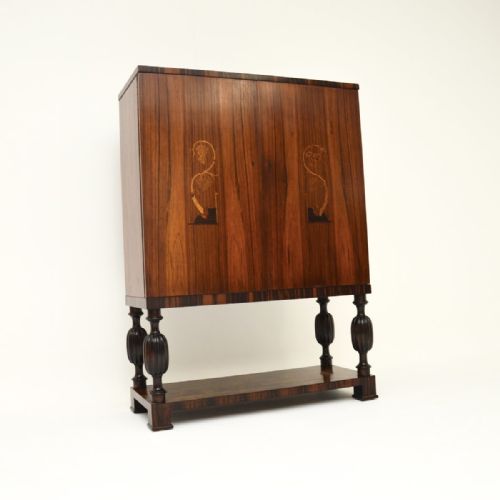
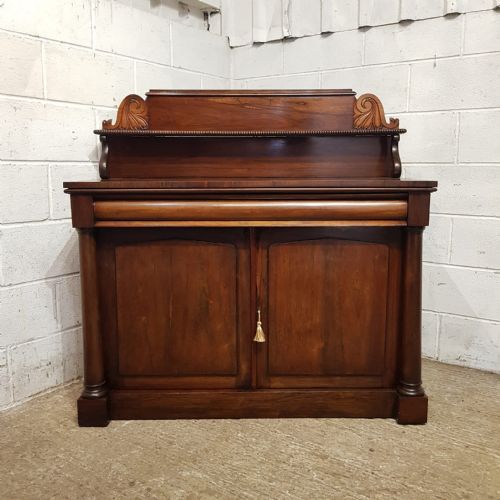
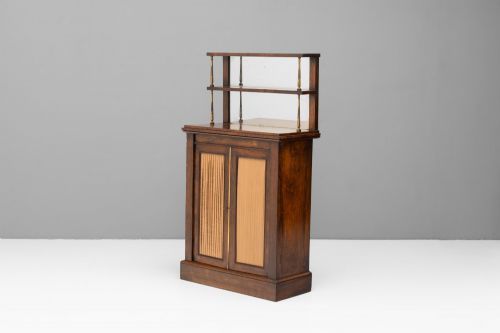
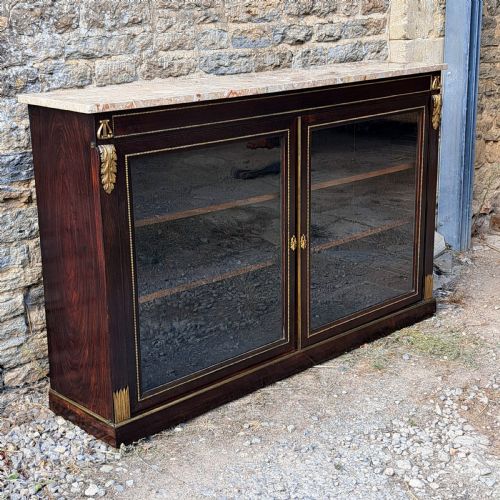
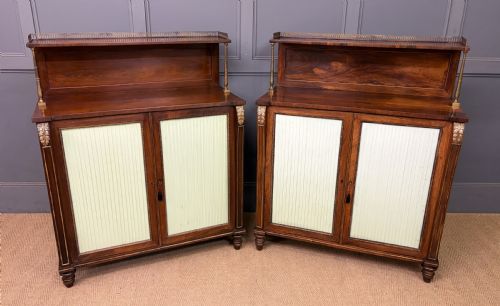
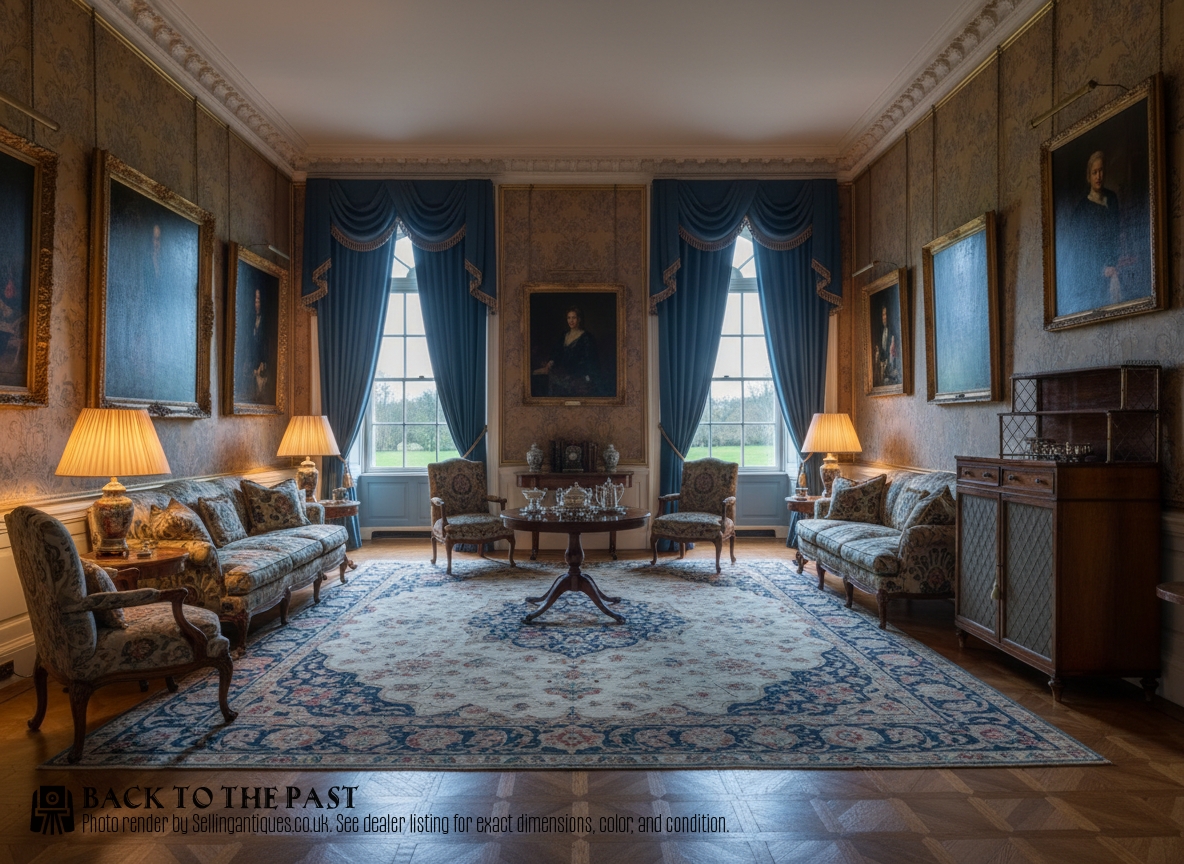
When you search for a dark rosewood sideboard, you encounter low cabinetry designed for dining rooms and parlours, predominantly taking the form of chiffoniers and side cabinets. These pieces emerged strongly during the Regency and Victorian periods, often sitting low against the wall with enclosed lower cupboards and sometimes upper shelving or mirrors.
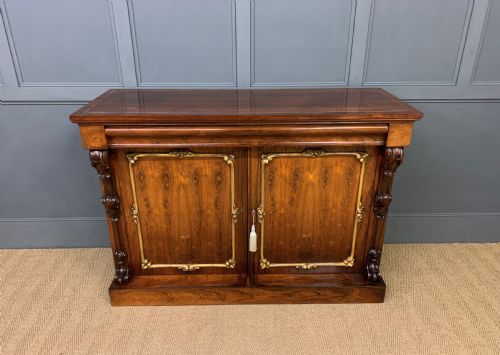
The selections here span the early nineteenth century through to later Victorian examples, alongside occasional Swedish and Anglo-Indian variants. Most commonly, you meet Regency and Victorian chiffoniers featuring rich timber, brass mounts, and panelled doors.
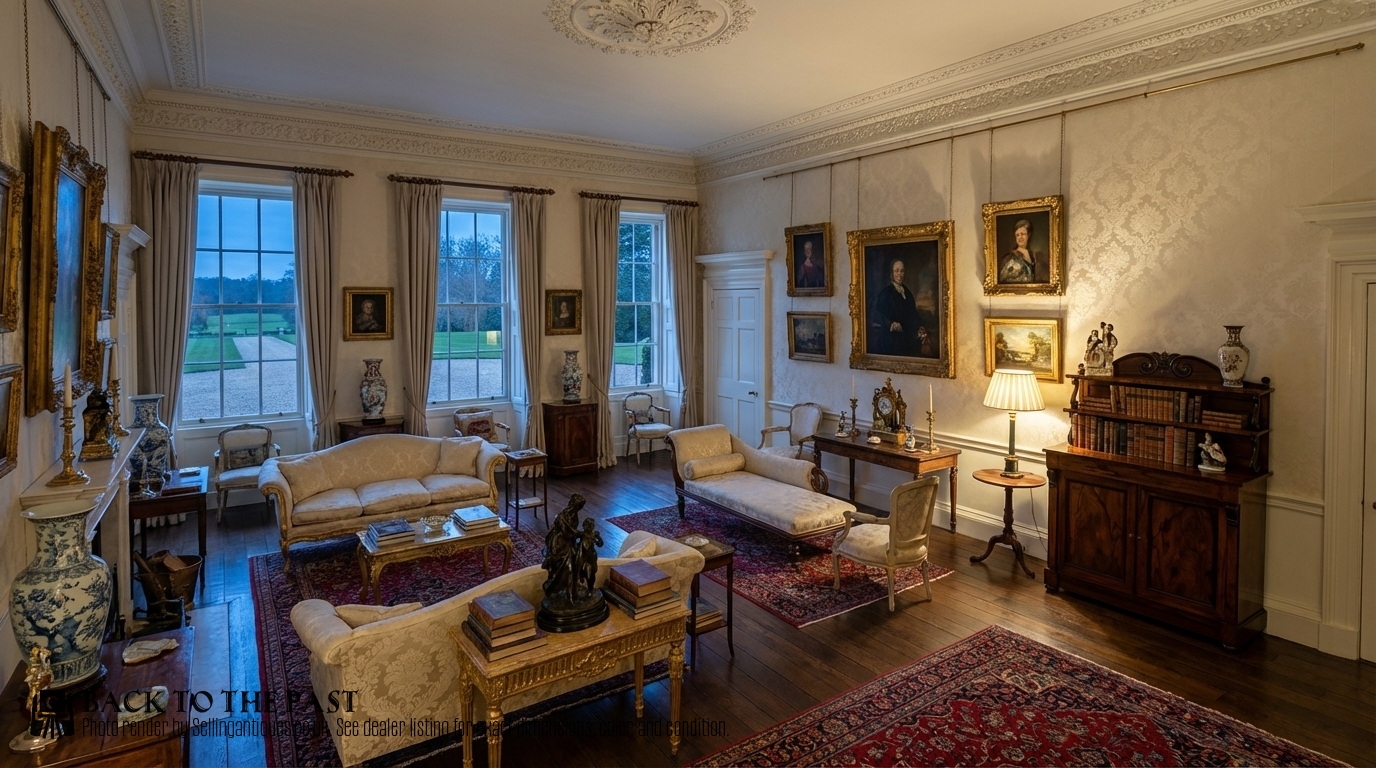
Materials and construction
Cabinet makers utilised dense, richly figured rosewood, frequently applying veneers over secondary timbers to create striking surface patterns. Workshops integrated contrasting brass inlay, brass grilles, and marble tops into the heavier Victorian and Regency structures.
Internal elements often incorporated silk or pleated fabric behind glass or grille doors, particularly on chiffonier panels. Structural integrity relied on solid framing for side cabinets, while smaller details like marquetry and simulated grain appeared on specific regional pieces.
Dark Rosewood Sideboard Retail Price Guide 2026
Typical asking prices for dark rosewood sideboard among the pieces listed under this phrase on Sellingantiques today, from the lower quarter to the upper quarter. They describe what is for sale here now, not the wider market.
Among the larger cabinets sits a miniature tea caddy styled specifically as a sideboard.
Assessing quality and craftsmanship
The calibre of a dark rosewood sideboard rests upon the depth of the timber's grain and the precision of its brass embellishments. Finer pieces demonstrate meticulous marquetry inlay and seamless integration of marble or mirrored glass components.
Maker attribution and period integrity separate standard production items from exceptional works. Superior examples maintain original silk panels, unbroken brass mounts, and robust structural joinery across the cabinet doors and shelves.
Collinson & Lock·Holland & Sons·Gillows
The Dark Rosewood Sideboard Glossary
- Chiffonier
- A low cabinet with enclosed shelves below, often topped with a small superstructure or mirror.
- Marquetry
- Decorative veneer work arranged in intricate patterns across the surface of the cabinet.
- Goncalo Alves
- A dense exotic hardwood sometimes utilised alongside rosewood in cabinet production.
- Simulated rosewood
- Painted pine or secondary timber finished to imitate the distinctive grain of true rosewood.
Dark Rosewood Sideboard: Frequently Asked Questions
What is a chiffonier?
A chiffonier is a compact sideboard style featuring lower cupboards, which became popular during the Regency and Victorian eras for dining rooms.
These pieces often include a shelf or mirror on the upper section, serving as both storage and display space.
How do I date a rosewood cabinet?
Dating relies on stylistic markers such as Regency brass inlay, Gothic panelled doors, or later Victorian marquetry.
Construction methods and secondary timbers also help place a piece within periods like the early nineteenth century or the late Victorian era.
Where were these sideboards placed?
They traditionally stood against dining room walls to hold serving dishes, cutlery, and glassware during meals.
In parlours, similar cabinets functioned as display surfaces for porcelain and decorative objects.
What materials accompany the rosewood?
Cabinet makers frequently incorporated brass mounts, glass panes, and marble tops into the heavier designs.
Interior sections occasionally featured pleated silk panels behind grille doors to soften the appearance.