
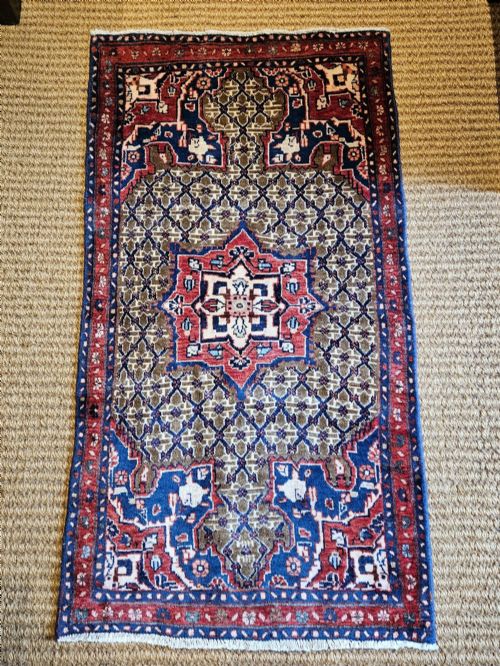
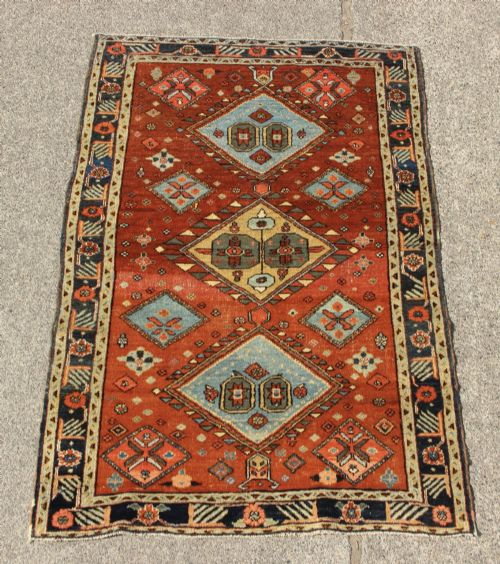

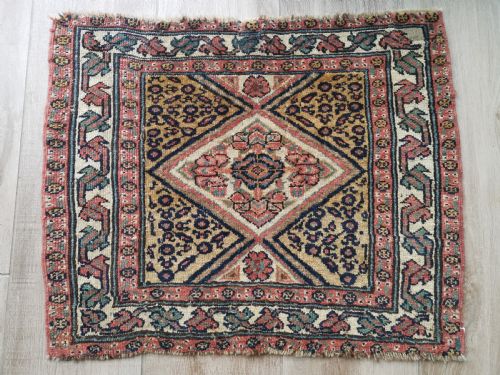
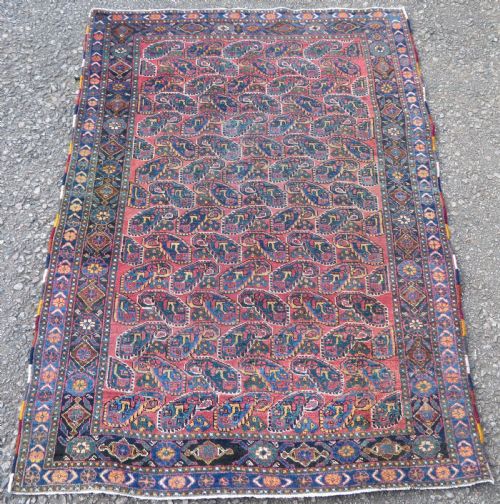

Small Persian Rug
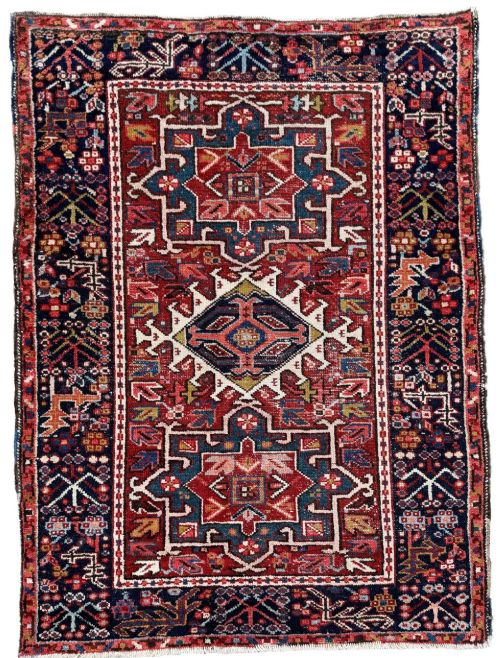
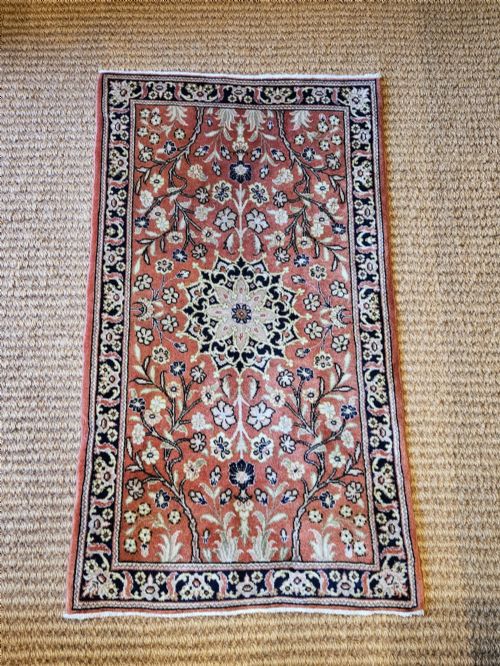
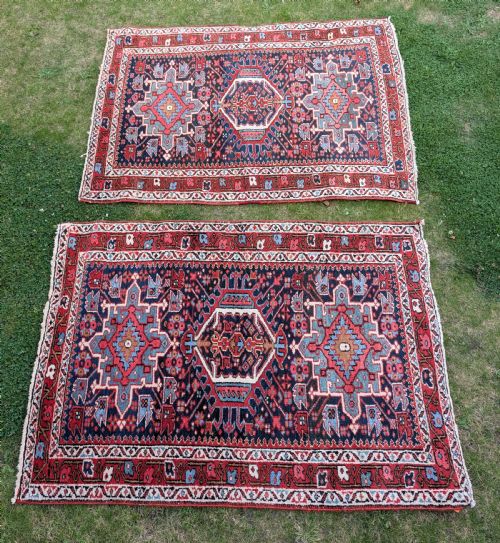
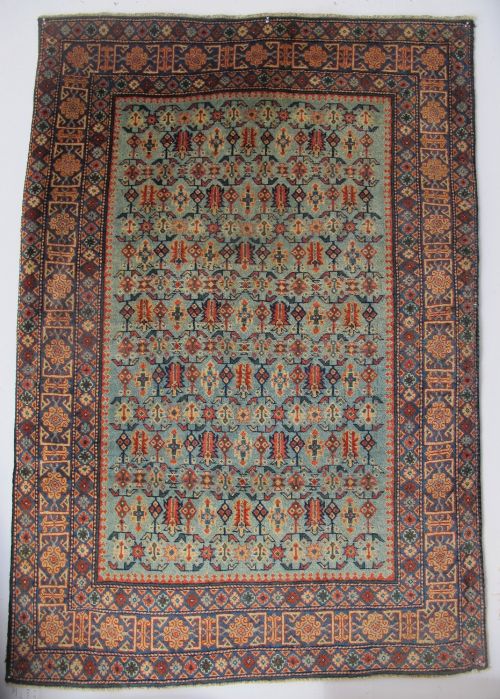
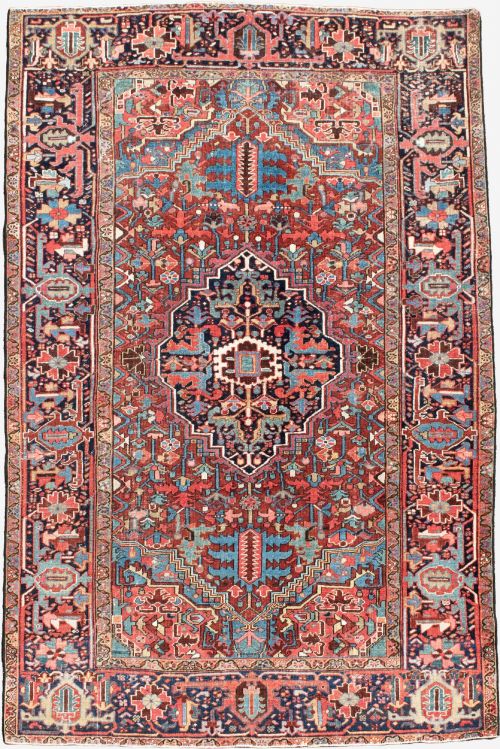
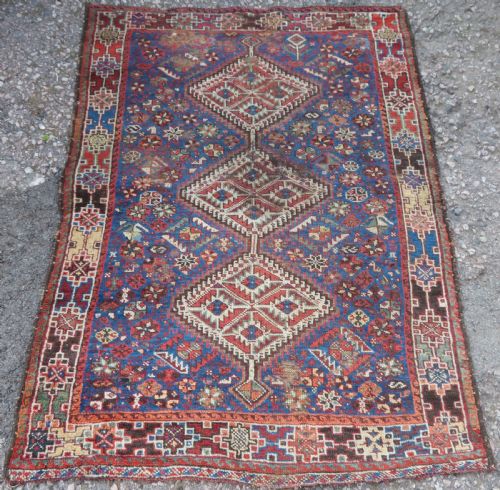
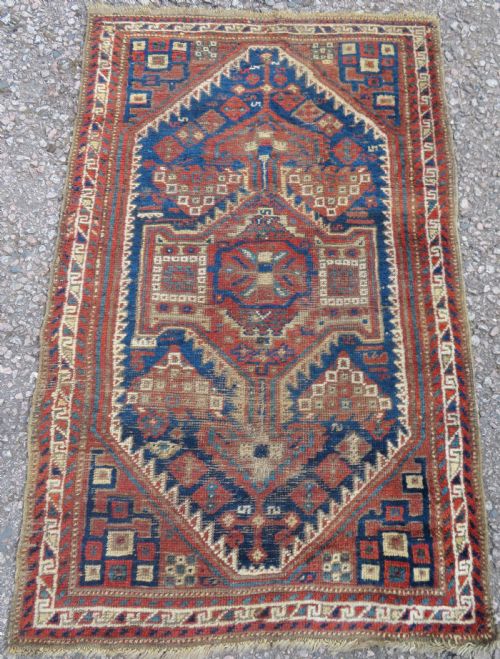
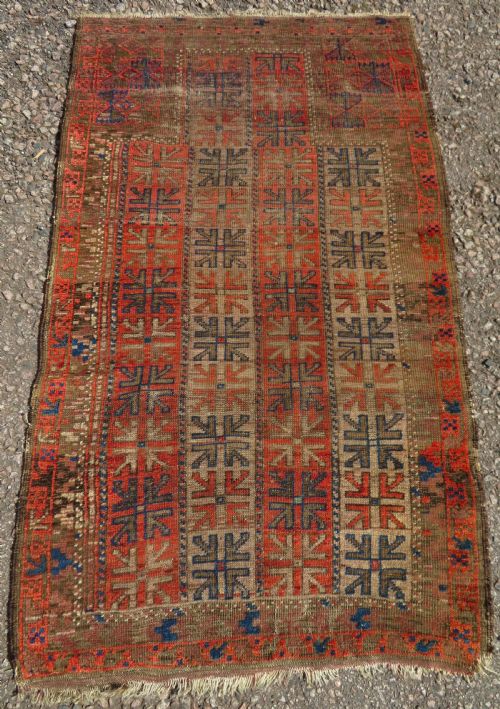
When you need a small persian rug, you are looking at hand-knotted tribal and village pieces that bring warmth and genuine history to compact spaces.

Small Persian Rug
Nomadic and tribal groups including the Baluch, Qashqai, Khamseh, and Shahsevan weave distinct pieces featuring geometric motifs, boteh patterns, and stylized animal or bird forms. Village weavers construct sturdier formats with balanced medallions, utilising traditional looms passed down through generations.
Most examples date from the late nineteenth century through the early decades of the twentieth century, bridging nineteenth-century natural dye traditions with later commercial village production. Buyers frequently encounter formats classified as hearth-sized, pushti, or small runner proportions alongside square village formats.
What varies in quality
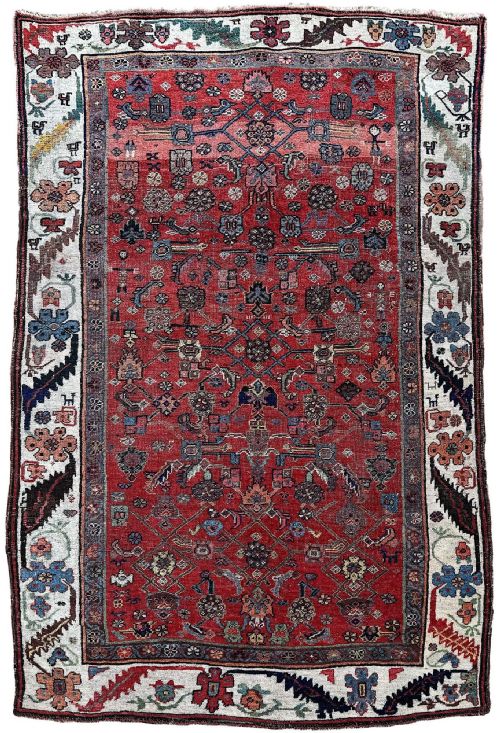
Quality rests heavily on the fineness of the weave and the crispness of the design execution, where tighter knot counts allow intricate geometric and floral motifs to resolve clearly. Town pieces like Bidjar demonstrate rigid structural density, while tribal pieces rely on expressive designs and wool handling.
The source of the colour palette distinguishes finer examples, as natural dyes impart a varied, saturated luminosity that reacts differently to age than synthetic alternatives. Condition and pile retention also dictate standing, though intentional wear or historical distress is common in genuine nineteenth and early twentieth-century textiles.
Small Persian Rug Retail Price Guide 2026
Typical asking prices for small persian rug among the pieces listed under this phrase on Sellingantiques today, from the lower quarter to the upper quarter. They describe what is for sale here now, not the wider market.
Nomadic weavers occasionally included tiny stray animal motifs or misplaced tribal markers just outside the main borders.
The Small Persian Rug Glossary
- Warp
- The stationary vertical threads stretched upon a loom before weaving begins. These foundation threads run the entire length of the textile and often show as fringing at the ends.
- Weft
- The horizontal threads passed back and forth through the warps after each row of knots is tied. They bind the knots securely in place.
- Boteh
- A stylized almond or paisley motif representing a seed, leaf, or flame. This ancient Persian design appears frequently in tribal and village weavings.
- Prayer rug
- A small rug featuring a mihrab or arch design at one end, indicating the direction of Mecca. Weavers created these for personal devotion.
- Chanteh
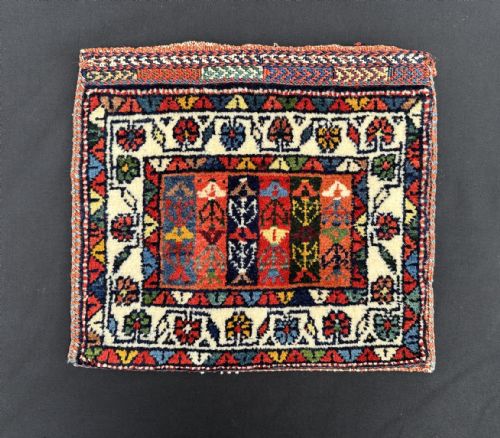
- A small tribal bag or vanity pouch used by nomads for carrying personal items. These miniature textiles display the same knotting and design standards as larger carpets.
Small Persian Rug: Frequently Asked Questions
Where were these rugs made?
These textiles originate from specific tribal territories, villages, and towns across Persia, including Azerbaijan in the north-west, Kerman in the south, and Khorassan in the east. Different regions developed distinct palettes, wool qualities, and structural characteristics based on local resources.
Nomadic confederacies carried their weaving traditions across seasonal migration routes, while settled village communities maintained fixed workshops utilising local sheep wool and regional dyeing recipes.
How do I use a small rug at home?
Compact Persian rugs function effectively in spaces requiring concentrated colour and texture, such as hearths, hallways, entryways, or beside a bed. Their modest scale allows them to anchor small furniture groupings or function as wall hangings.
Placing a proper underlay beneath the textile prevents slipping and reduces friction between the wool pile and hard flooring surfaces, preserving the structure over time.
What is a tribal bagface?
A bagface is the decorative front panel of a utilitarian nomadic storage sack, preserved after the plain back portion wore away or was removed. Tribes such as the Baluch and Afshar utilised these small panels for domestic storage inside tents.
Because weavers concentrated their finest work on the visible faces of utility items, these fragments often display exceptional design detail and dense knotting despite their diminutive size.
How do I identify village rugs from tribal pieces?
Village rugs, such as those from Heriz or Hamadan, typically feature more symmetrical layouts, structured geometric medallions, and cotton foundations suited to fixed household frames. Tribal weavings by groups like the Qashqai or Baluch often incorporate asymmetrical layouts, asymmetric wool structures, and spontaneous motifs.
Nomadic textiles frequently include abrash, which is a natural variation in dye shades caused by changes in dye batches during the weaving process.