
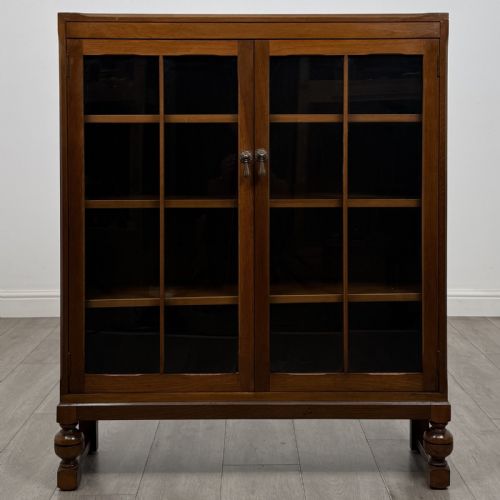
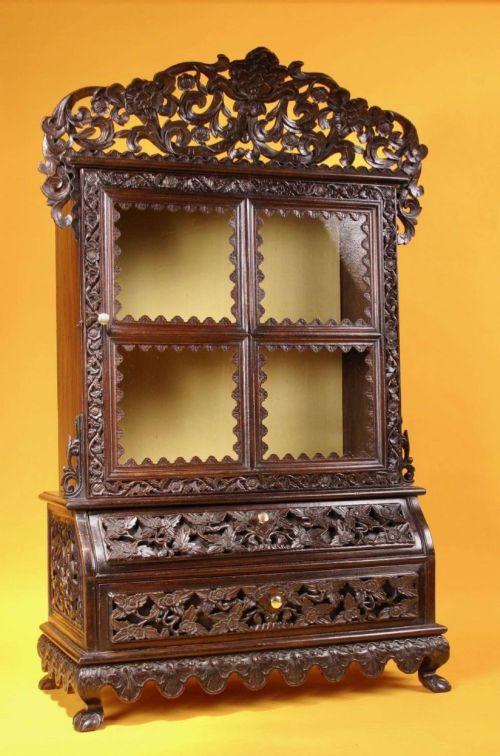
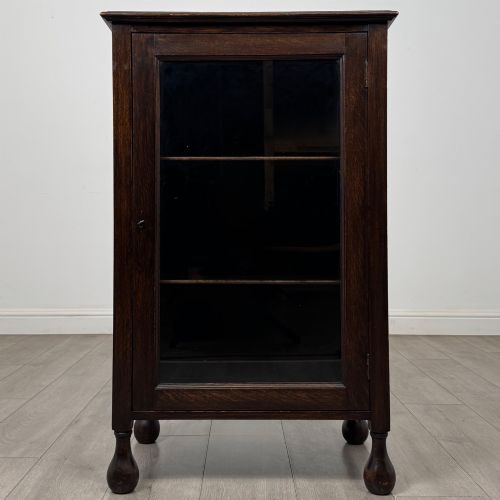
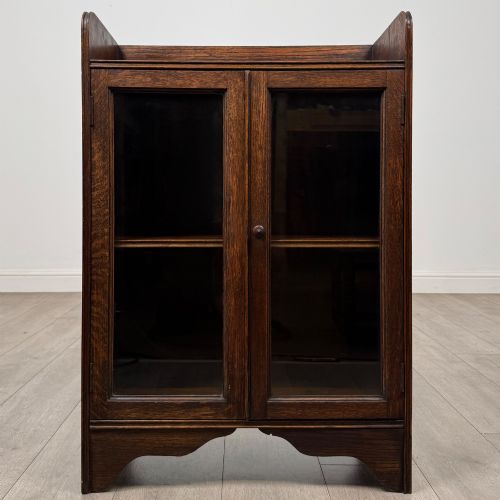
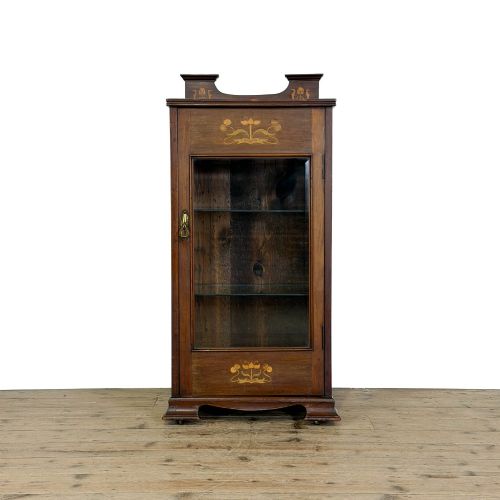
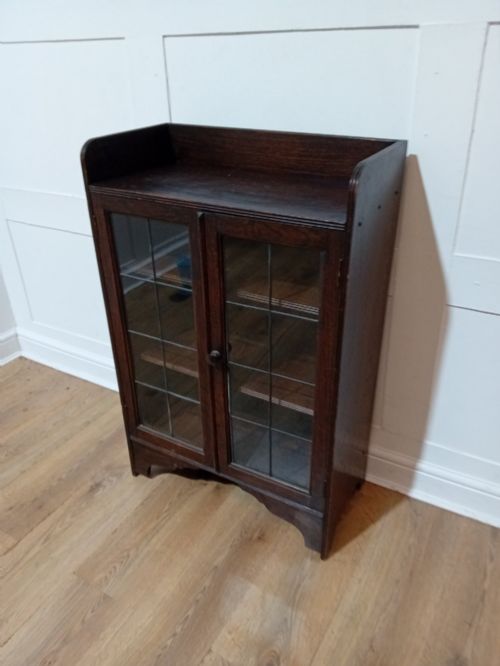
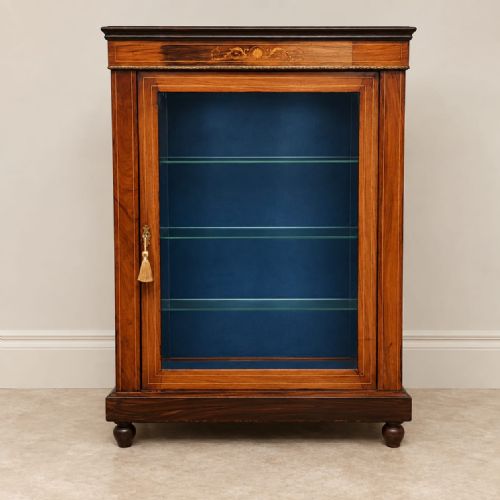
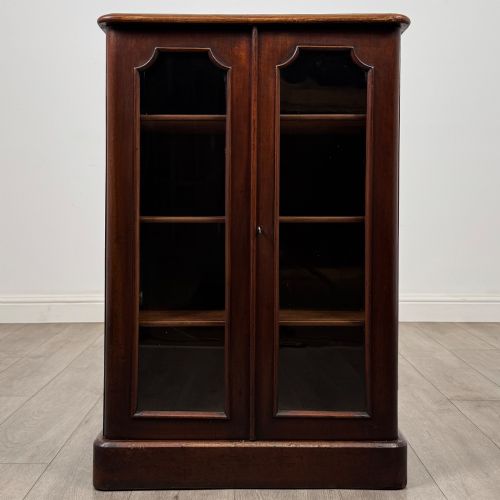
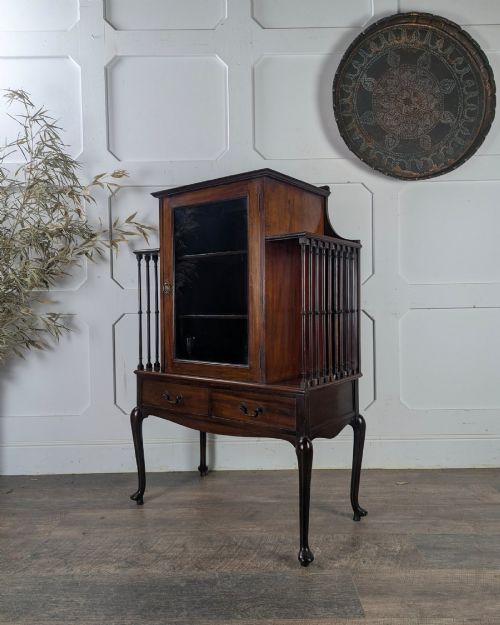
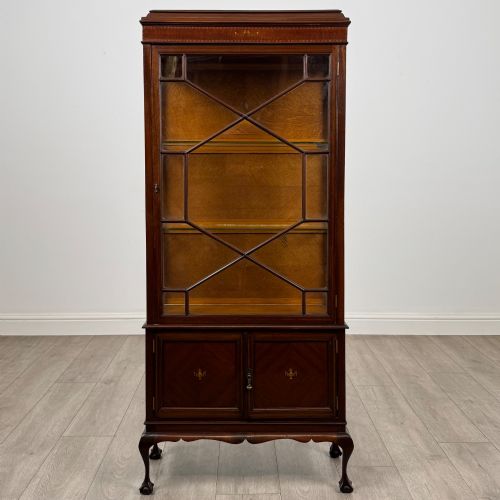
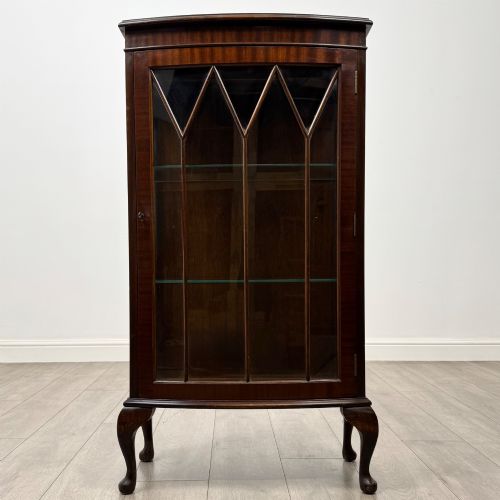
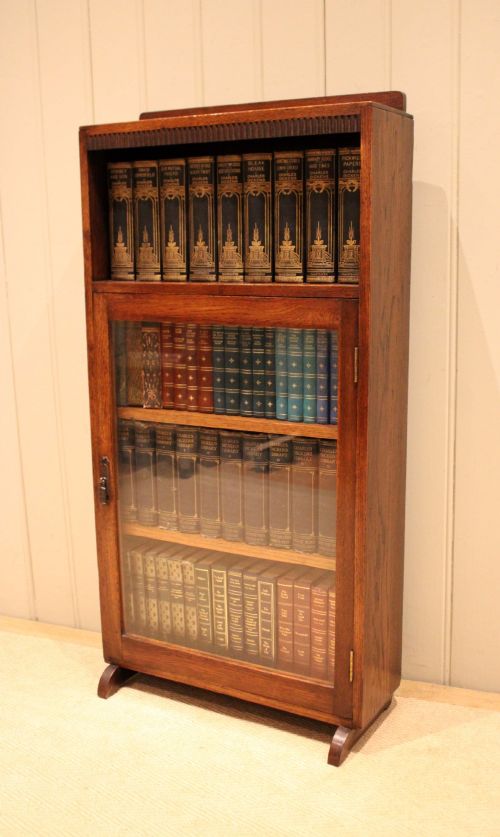
Small Glazed Display Cupboard
A small glazed display cupboard brings practical storage and visible charm to a room, holding precious collections securely behind glass.
Small Glazed Display Cupboard
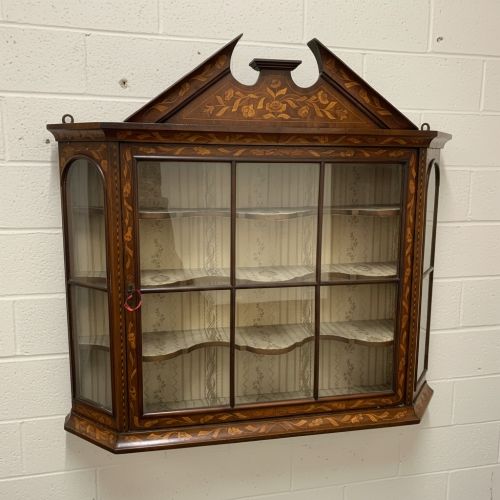
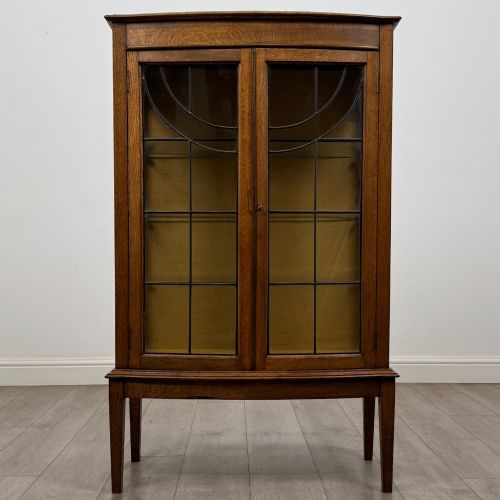
A small glazed display cupboard serves to showcase treasured items while keeping them protected from dust and handling in domestic interiors. When exploring a small glazed display cupboard on this page, buyers frequently encounter pieces originating from the Victorian and Edwardian eras, alongside examples from the Regency, Georgian and Art Deco periods.
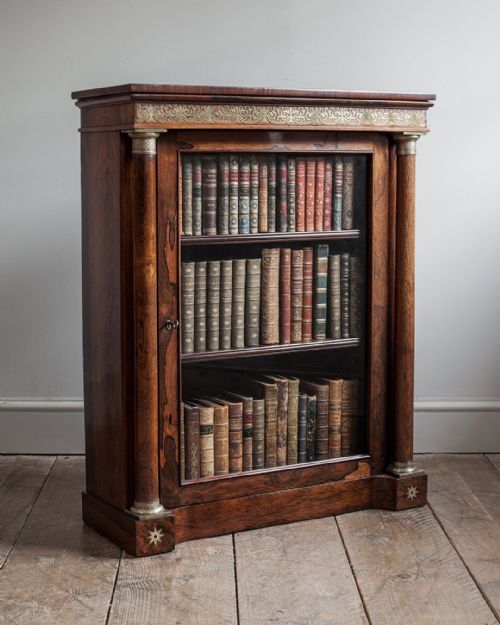
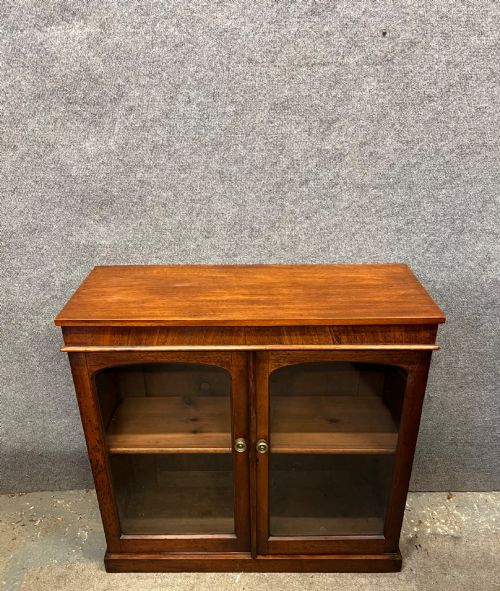
The selection encompasses diverse regional forms including wall-mounted cabinets, corner cupboards, dwarf cabinets, pier cabinets and compact bookcases. Oak and mahogany appear most frequently among the surviving pieces, accompanied by walnut, rosewood and pine.
Stylistic variation spans straightforward utilitarian joinery up to decorative Arts and Crafts, Art Nouveau, and inlaid Georgian Revival interpretations. These compact pieces suit smaller floor spaces while offering visible display capacity through glass doors.
Materials and construction methods
Cabinet makers utilised dense hardwoods such as mahogany, oak, walnut and rosewood, often applying delicate veneers or contrasting marquetry to enhance the timber surfaces. Glazing bars divide the glass panels into geometric or curved panes, supported by brass hinges, locks and escutcheons.
Interiors sometimes incorporate fabric linings such as velvet or painted finishes behind the shelving to complement the displayed objects. Construction relies on traditional joinery techniques appropriate to each period, from Victorian casework to lighter Edwardian frames.
Several music cabinets hide their original sheet-music dividers behind glass doors, ready for a second career protecting paper collections.
Assessing quality in small glazed display cupboards
Quality reveals itself through the selection of figured timbers, the precision of cabinet joinery and the integrity of the original glass and hardware. Superior examples display balanced proportions, refined carving or inlay work, and sound structural construction across the carcase and shelves.
The preservation of original surfaces, brass fittings and interior linings distinguishes better-surviving items from heavily altered or restored pieces. Proportion and neatness of scale also determine desirability, particularly in compact corner and pier cabinets.
The Small Glazed Display Cupboard Glossary
- Pier cabinet
- A low cabinet designed specifically to fit the wall space or pier between windows in a Victorian drawing room. These pieces frequently feature glazed doors and decorative marquetry.
- Vitrine
- A glass-sided display cabinet intended for the exhibition of porcelain, curiosities and small ornamental objects. The term derives from the French word for glass.
- Marquetry
- Decorative veneer work created by fitting together thin pieces of wood, shell or ivory to form pictorial or geometric patterns on the cabinet surface. This technique appears on fine Georgian and Victorian pieces.
- Glazing bar
- A narrow strip of wood or metal holding the panes of glass within a sash or door. These bars form the grid pattern characteristic of period display furniture.
- Dwarf cabinet
- A low-standing piece of furniture built with reduced height to maintain an open feel in a room. They often combine cupboard storage with display surfaces.
Small Glazed Display Cupboard: Frequently Asked Questions
What fits inside a small glazed display cupboard?
These compact cupboards suit the display of porcelain, glassware, small ceramics and books. The internal shelving depths and heights govern the scale of objects you can place within them.
Corner units and wall-hung versions make efficient use of restricted floor areas while keeping fragile collections safely enclosed.
How do I distinguish Edwardian from Victorian cabinets?
Victorian cabinets often employ heavier timbers like walnut and mahogany with robust carvings or rich veneer work. Edwardian pieces tend to display lighter framing, satinwood inlay, and influences from earlier Georgian revivals.
Examining the internal construction and secondary woods helps confirm the period of manufacture alongside style markers.
Where should I place a corner cabinet?
Corner cabinets utilise awkward room junctions efficiently, turning dead space into a focal point for display. They sit flush against joining walls in dining rooms, halls or sitting rooms.
Measuring the corner angles and wall clearances ensures the cabinet fits squarely without obstructing adjacent doors or furniture.
Are the glass panels original?
Period glass often exhibits slight ripples, bubbles or minor thickness variations due to older manufacturing methods. Examining the glass under angled light reveals these subtle irregularities.
Replacement glass tends to appear perfectly flat and uniform, which helps buyers identify subsequent repairs.