
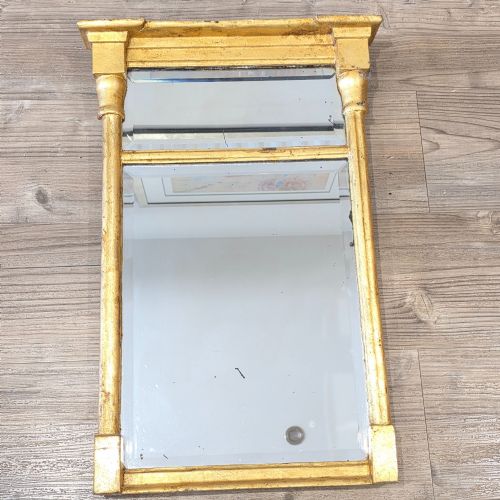
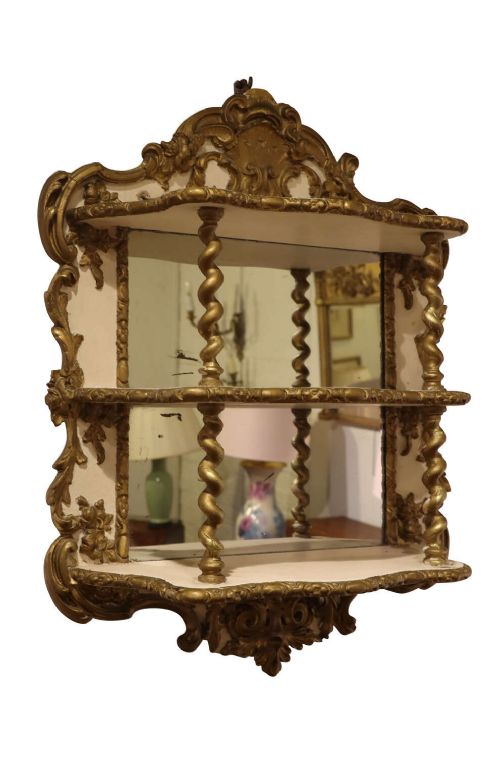
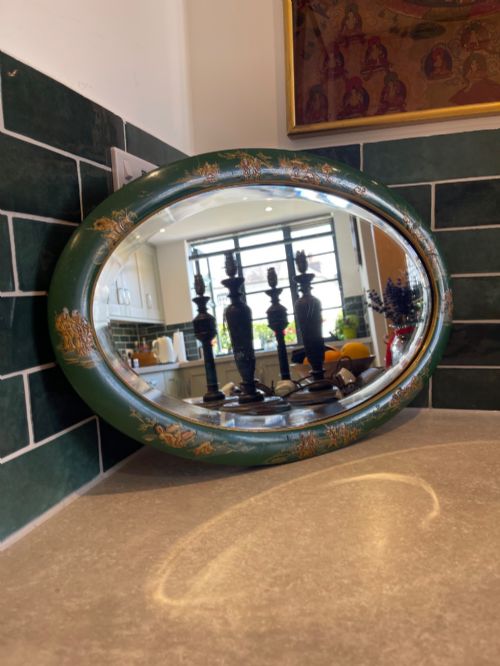
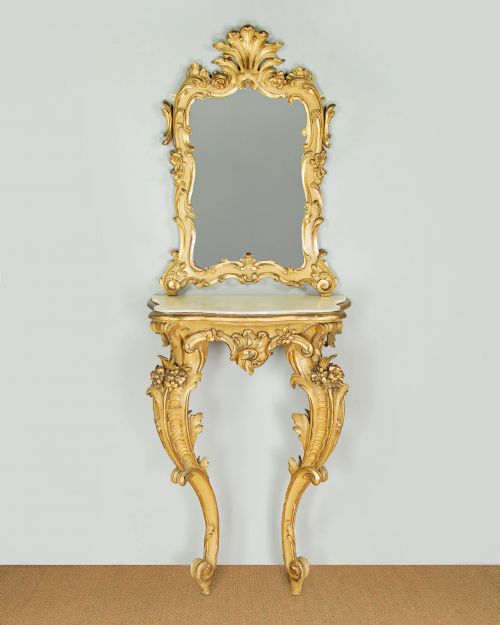






Small Gilded Wall Mirror
A small gilded wall mirror brings light and a sense of space into a room, framed in gold leaf, gesso, or carved wood.
Small Gilded Wall Mirror
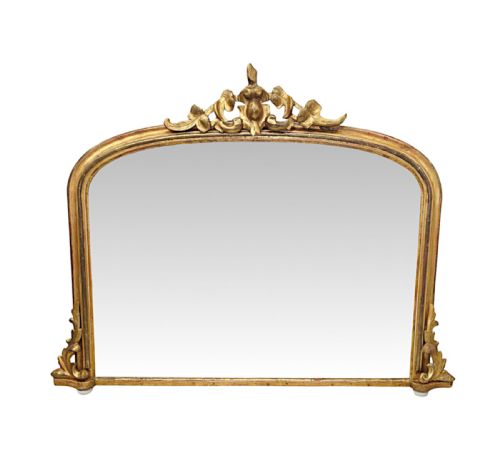
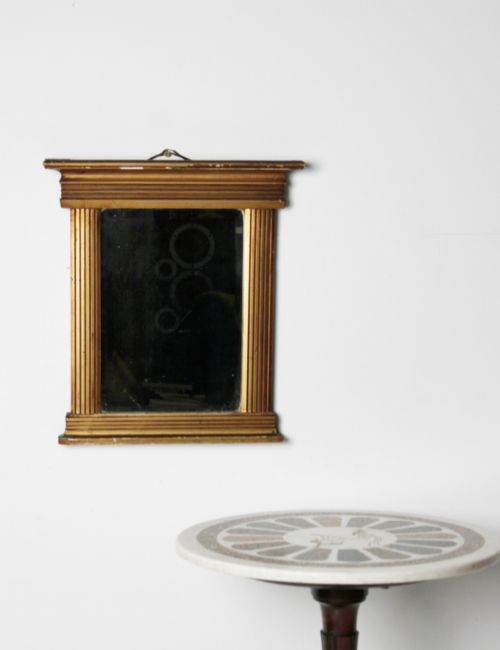
A small gilded wall mirror is a compact reflective piece designed to hang in a domestic interior, utilising metallic leaf or painted finishes to catch and multiply daylight. When you search for this phrase, you encounter items spanning the eighteenth, nineteenth, and early twentieth centuries, taking the form of convex bulls-eye glasses, architectural pier mirrors, and delicate marriage mirrors.
The pieces on this page originate from English, French, Italian, and Spanish workshops, reflecting diverse regional tastes from austere neoclassical lines to elaborate rococo revival curves. Alongside standard wall mirrors, you will find related formats such as overmantels, consoles with attached mirrors, and wall étagères equipped with small shelves.
Convex mirrors from the Regency period frequently appear alongside Victorian and Edwardian interpretations, offering buyers a choice of circular, oval, or arched profiles. These smaller scales suit narrow hallways, alcoves, and intimate spaces where standard room-sized looking glasses overwhelm the wall.
How they were made
Makers constructed the foundation frames primarily from timber such as carved wood or ebonised wood, sometimes incorporating applied composition ornament. Artisans then applied layers of gesso to smooth the surface before laying gold leaf or utilising water gilding techniques to achieve a bright, reflective metallic sheen.
Glass production relied on traditional mirror glass plates, which frequently exhibit foxing and age spots over decades of oxidation. Frames also display painted surfaces, japanned finishes, or brass fittings, particularly in pieces influenced by chinoiserie and neoclassical revival styles.
Several mirrors include tiny integrated shelves, proving that even in past centuries, people needed a spot to park their visiting cards.
What varies in quality
The distinction between ordinary and superior examples lies in the crispness of the hand-carved decoration and the depth of the original gilding. Pieces retaining their initial water gilding and untouched mirror plates demonstrate a higher grade of craftsmanship than later, heavily restored counterparts.
Structural integrity of the timber frame and the subtlety of applied gesso details separate mass-produced decorative items from master cabinetmaker work. Proportion, balance, and the preservation of original backboards further distinguish finer antiques within this category.
The Small Gilded Wall Mirror Glossary
- Giltwood
- Wood that has been coated with gold leaf or gold dust. This finish defines the characteristic metallic warmth seen across many antique frames.
- Gesso
- A plaster mixture applied to wooden frames as a base for gilding or painting. It allows artisans to carve intricate relief details before applying gold leaf.
- Convex mirror
- A circular looking glass with a bulging surface that provides a wide-angle reflection of the room. These are frequently termed bullseye mirrors.
- Pier mirror
- A tall, narrow glass designed to hang on the wall space between two windows. They often incorporate carved crests and lower brackets.
- Foxing
- Brown age spots and discolouration within the mirror plate caused by chemical reactions over time. Collectors often prize original foxed glass as an indicator of genuine age.
- Water gilding
- A traditional technique using liquid size to adhere gold leaf to a gesso ground, allowing the metal to be burnished to a high shine.
Small Gilded Wall Mirror: Frequently Asked Questions
Where should I hang a small gilded mirror?
These compact looking glasses suit narrow wall spaces, hallways, or above small pieces of furniture like console tables.
Placing them opposite a window helps bounce natural light deeper into darker corners of a room.
How do I identify a convex mirror?
Convex mirrors feature a distinctly rounded, outward-bulging glass plate that offers a wide, fish-eye perspective of the surrounding interior.
They often appear in circular frames featuring spherical ball decorations around the outer edge.
What is foxed glass?
Foxed glass refers to mirror plates that have developed characteristic dark spots and mottled patches due to age and oxidation.
This natural ageing process confirms the antiquity of the glass plate rather than indicating a modern replacement.
How do I care for antique giltwood?
Dust the frame gently using a soft, dry brush to avoid disturbing fragile gesso and delicate gold leaf layers.
Keep these items away from direct sunlight and damp environments to preserve the integrity of the wood and metallic finishes.