

Small Storage Box
A small antique storage box delivers dense historical utility, offering compact containment forged from centuries of domestic necessity.
Small Storage Box
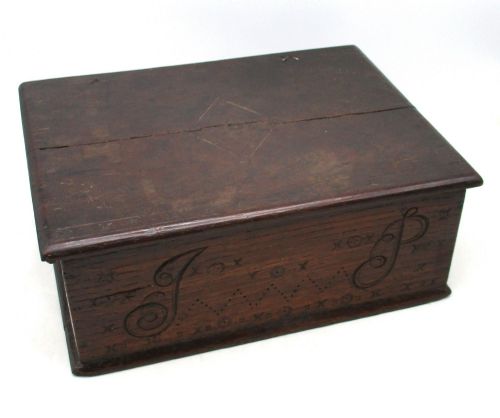
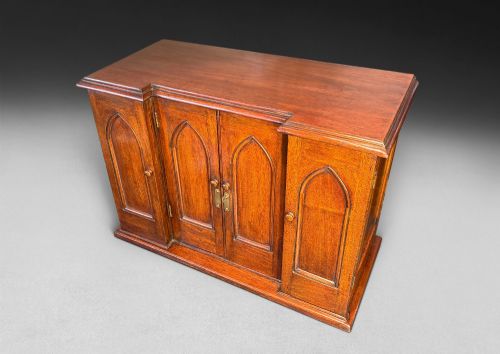
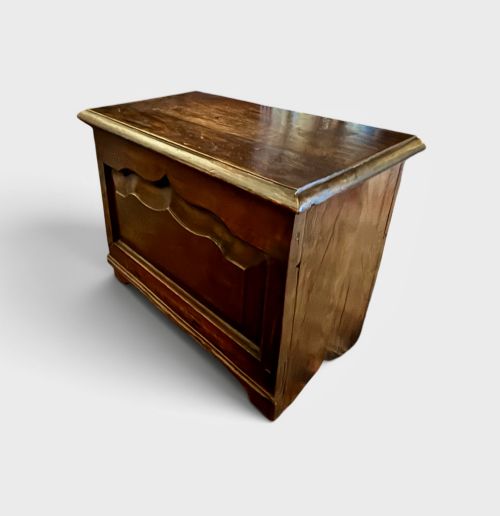
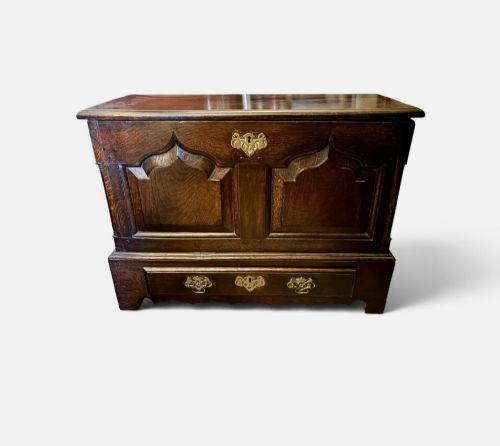
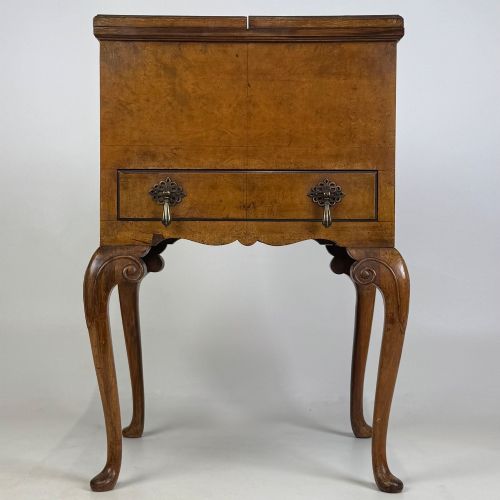
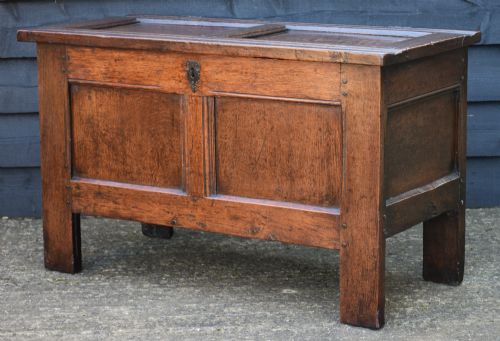
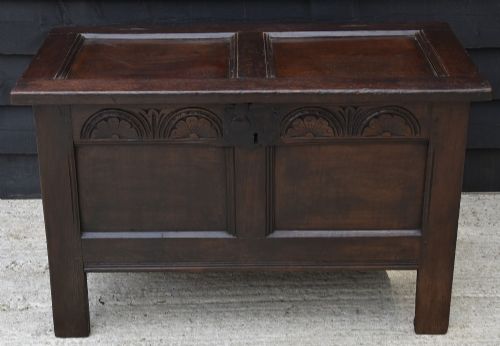
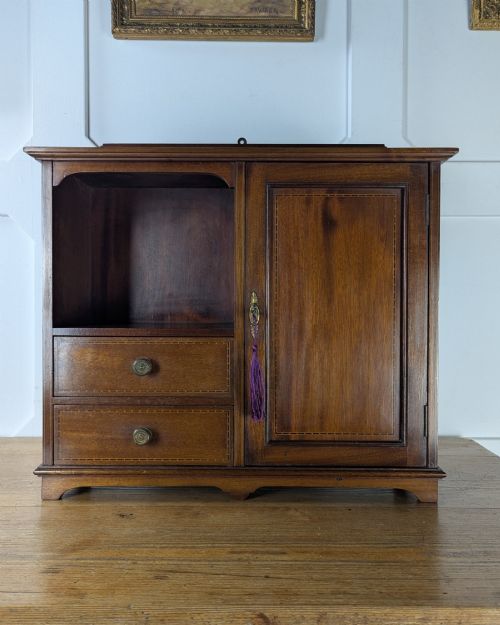
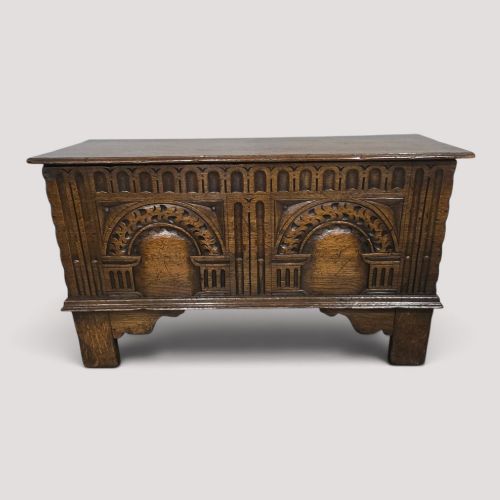
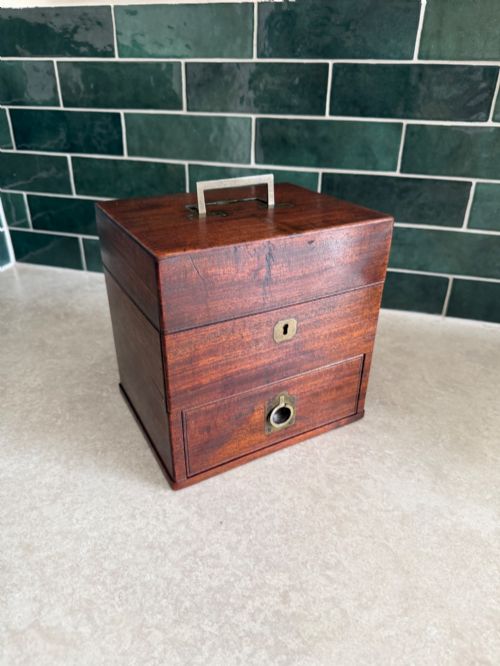
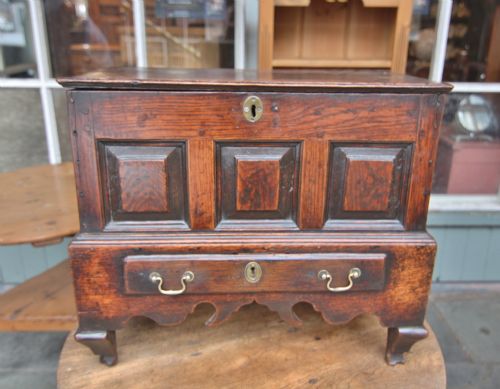
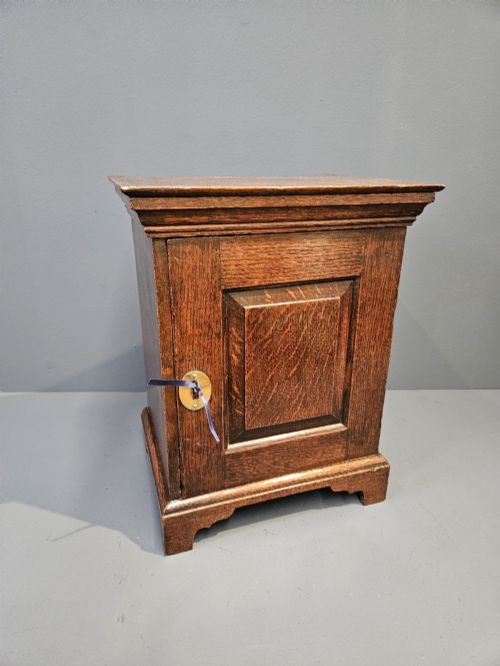
A small antique storage box encompasses a diverse array of compact domestic containers, ranging from document cases and tea caddies to miniature coffers and spice drawers. Buyers most frequently encounter oak pieces spanning the seventeenth, eighteenth, and nineteenth centuries, alongside regional forms such as the Welsh coffer bach.
The functional scope extends across apothecary boxes, deed boxes, and tabletop collectors cabinets in mahogany, pine, and elm. Stylistic expressions draw upon Georgian, Victorian, and Edwardian sensibilities, alongside earlier Jacobean framing and provincial vernacular traditions.
Meticulous proportions govern these items, which were originally constructed to secure valuables, documents, or specialised goods in domestic and professional settings. Surviving examples demonstrate the enduring utility of robust timber construction scaled down for intimate spaces.
Evaluating construction
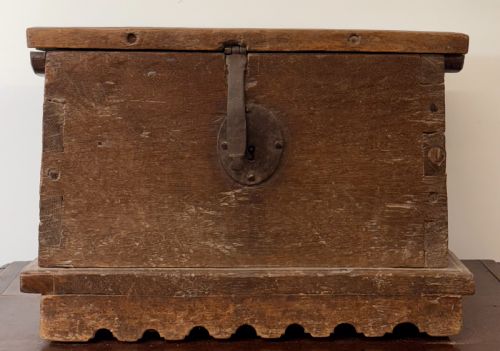
Quality reveals itself in the integrity of the timber selection and the precision of the joinery, where tight dovetails and original pegged tenons distinguish superior workshop output. The survival of original hardware, working locks with keys, and untouched interior linings elevate a piece above altered or heavily restored examples.
Proportion and decorative restraint dictate the desirability of vernacular forms, where crisp carving and balanced dimensions reflect the maker's skill. Pieces retaining their structural authenticity and uncompromised surface patination command deeper historical appreciation.
Materials span native oak, elm, and fruitwood alongside imported satinwood, walnut, and iron hardware.
The Small Storage Box Glossary
- Coffer bach
- A small Welsh chest traditionally used for storage, often raised on short legs or feet. These diminutive oak pieces served domestic utility in rural households.
- Spice cupboard
- A small wall-mounted or tabletop cabinet containing multiple internal drawers for culinary ingredients or valuable commodities. Georgian examples frequently feature panelled doors and brass hardware.
- Tea caddy
- A lidded container designed to store loose tea leaves securely, often featuring internal compartments and lockable lids. Regency and Victorian versions frequently incorporate fine veneers and dome shapes.
- Strongbox
- A heavily reinforced box constructed from timber and bound with iron straps for secure transport and storage. Elm and pine examples often include substantial locks for safeguarding valuables.
- Apprentice piece
- A miniature item demonstrating a craftsman's skill in mastering full-scale joinery techniques to secure professional standing. These scaled-down chests of drawers mirror larger household furniture.
Small Storage Box: Frequently Asked Questions
What were small antique storage boxes used for?
These compact containers held valuable household items, important documents, tea, spices, and personal medications.
Their secure locks and portable dimensions allowed owners to safeguard precious goods within shared domestic or professional spaces.
How do I date an antique wooden box?
Dating relies on examining the timber species, construction methods like hand-cut dovetails, and historical style markers. Seventeenth and eighteenth-century pieces typically feature pegged oak frames, while later Victorian versions utilise mahogany or pine with machine-sawn elements.
Hardware styles, including wrought iron strapwork or brass campaign handles, offer further chronological clues.
Where should I place a small storage box in my home?
These versatile containers function effectively on tabletops, sideboards, or desks where they provide functional containment alongside decorative presence.
Their modest footprint allows them to sit comfortably in studies, living rooms, or hallways while holding modern accessories or mementoes.