




Antique Painted Glass Box
An antique painted glass box brings colour and intricate handwork to a dressing table, offering a glimpse into nineteenth-century decorative arts.
Antique Painted Glass Box
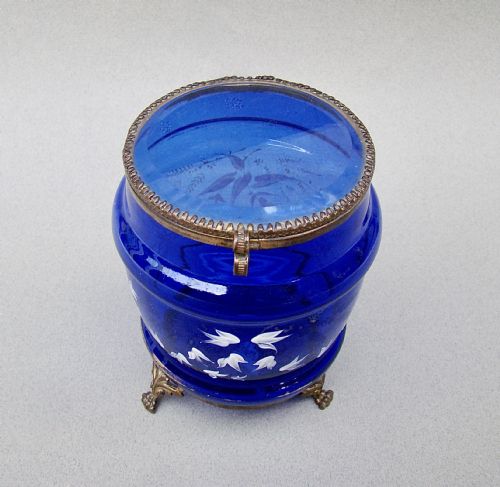
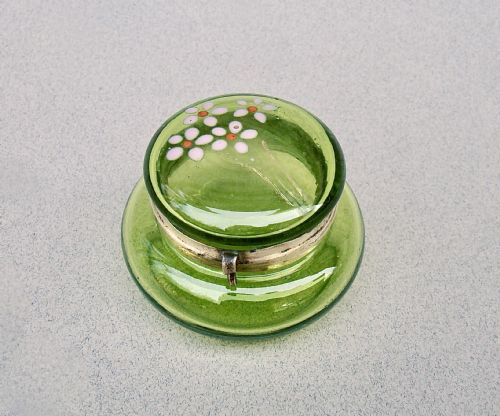
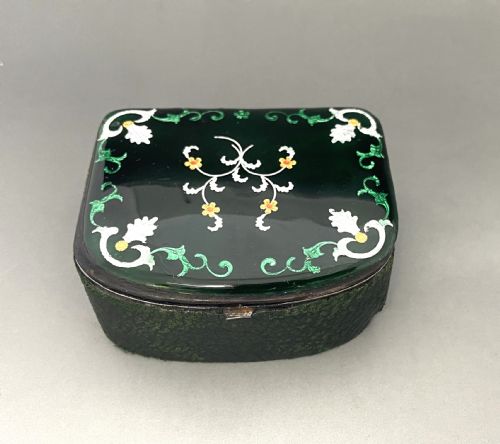
When you search for an antique painted glass box, you encounter a selection of small receptacles created for vanity and personal storage. These containers primarily date from the nineteenth century, including Victorian examples alongside French productions from around eighteen-ninety. The forms range from trinket boxes and dressing table jars to patch boxes.
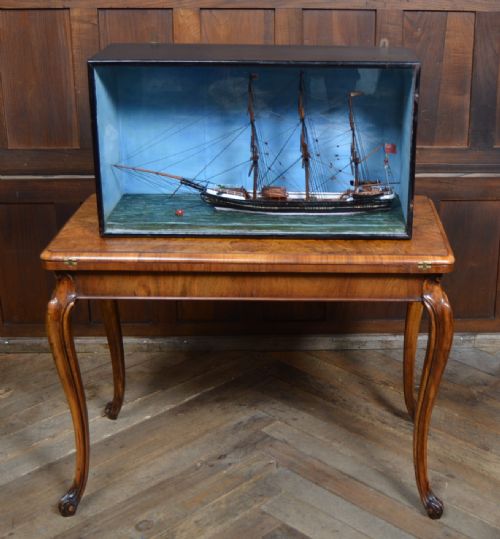
You also find related maritime folk art and shadow box dioramas constructed with glass fronts enclosing model ships and coastal scenes. The green and Bristol blue glass variants demonstrate the range of coloured vessels utilised during this period. These items reflect both domestic dressing table culture and maritime craftsmanship.
How they were made
The construction of an antique painted glass box combines blown or moulded glass bodies with applied paint, enamel, and metal mounts. Makers decorated the glass surfaces with hand-painted enamel details, often featuring floral motifs or decorative patterns. Ormolu, brass, and other metals formed the hinges, clasps, and protective frames that secured the glass panels.
Wooden elements and plaster occasionally reinforced the interior structures or served as backdrops within the cased dioramas. The integration of painted panels and enamel work required careful firing and assembly by skilled artisans. These varied materials resulted in sturdy yet delicate receptacles designed for daily use.
The listings on this site show eighteenth-century Georgian patch boxes alongside nineteenth-century French and Victorian glass trinket jars.
What varies in quality
The standard of execution in painting and enamel work separates standard receptacles from finer pieces. Precision in the brushwork and the vibrancy of the pigments determine the visual impact of the decorative surface. Superior examples display crisp details and well-preserved colours that resist fading or flaking.
The quality of the metal mounts, such as ormolu or brass fittings, influences the overall integrity of the construction. Well-fitted hinges, secure clasps, and heavy glass panes indicate a higher grade of manufacture. The complexity of the subject matter, particularly in enamel portraits or maritime scenes, further distinguishes the better pieces.
The Antique Painted Glass Box Glossary
- Bristol Blue Glass
- A deep cobalt blue glass produced in Bristol during the eighteenth and nineteenth centuries. This material provided a striking contrast for gilt and enamel decoration.
- Ormolu
- Gilded bronze or brass mounts applied to furniture and decorative objects. These metal fittings added structural definition and ornamental appeal to glass boxes.
- Enamel
- Opaque glass paste fused to a surface through firing. This technique created durable, colourful designs on glass and metal surfaces.
- Patch Box
- A small container used in the eighteenth and nineteenth centuries to store small fabric patches worn on the face. These boxes frequently featured hinged lids with painted enamel decoration.
- Shadow Box Diorama
- A three-dimensional scene enclosed in a glazed case. These pieces often depicted sailing ships or maritime folk art using painted backgrounds and model components.
Antique Painted Glass Box: Frequently Asked Questions
What is an antique painted glass box?
These items are small lidded containers made from coloured or clear glass decorated with enamel paint. They served as decorative accessories for nineteenth-century dressing tables and boudoirs.
Many examples feature hinged metal mounts in brass or ormolu. They held small personal items such as trinkets, pins, and cosmetics.
How do I date an antique painted glass box?
Dating relies on examining the style of the metal mounts, the shade of the glass, and the characteristics of the painted decoration. Pieces from the late nineteenth century often display distinct French or Victorian manufacturing traits.
Earlier eighteenth-century examples, such as Bilston enamel patch boxes, utilise different construction methods and smaller proportions. Comparing the hinge style and enamel palette helps establish the period.
Where were these boxes used?
Owners placed these receptacles primarily on dressing tables, mantelpieces, and writing desks. They functioned as both decorative display objects and practical storage for valuables.
Their portable nature allowed them to move between rooms as needed. They belonged to the personal possessions kept in private chambers rather than public reception rooms.
How do I clean an antique painted glass box?
Maintenance requires gentle dusting with a soft, dry cloth to protect the fragile painted surfaces. Moisture can damage old enamel and weaken the adhesive holding metal mounts to the glass.
Harsh chemical cleaners should remain strictly avoided. Professional conservation advice is useful if the metal fittings require tightening or realignment.