

Antique Decorative Casket
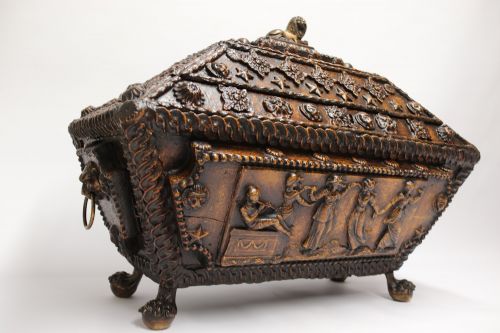
An antique decorative casket holds small treasures and brings craftsmanship from the seventeenth to the early twentieth century directly to a desk or dressing table.
Antique Decorative Casket
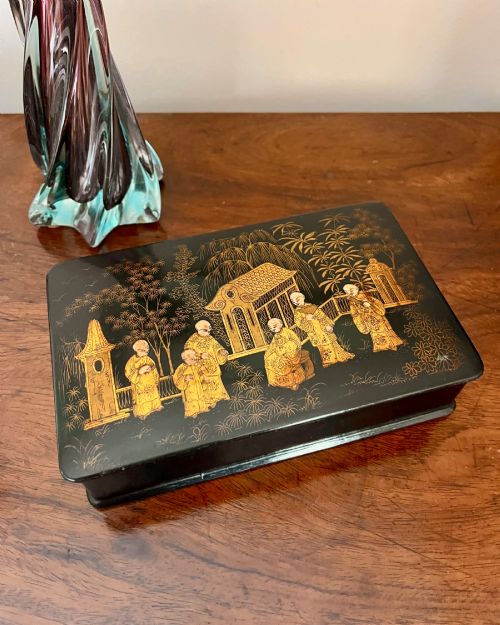
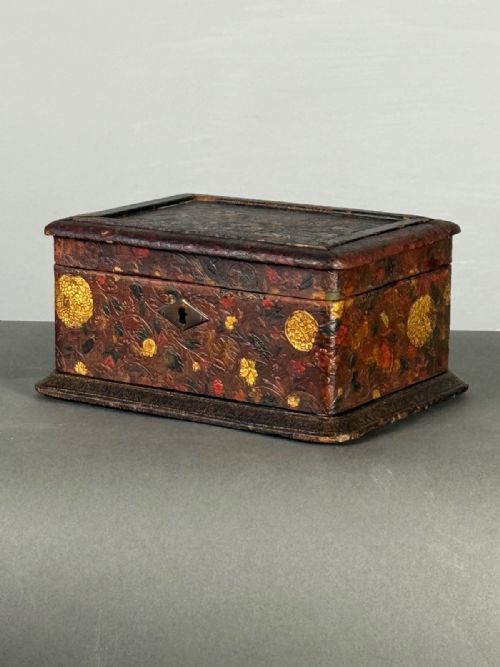
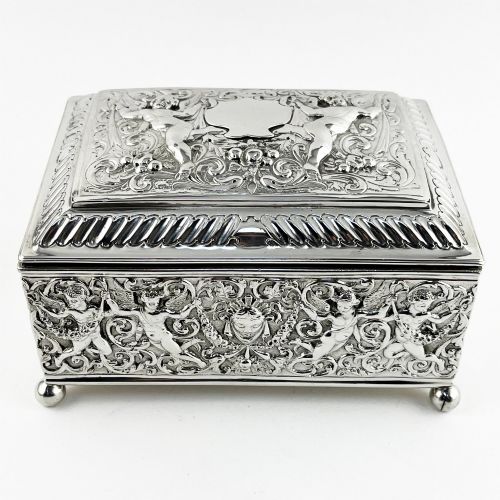
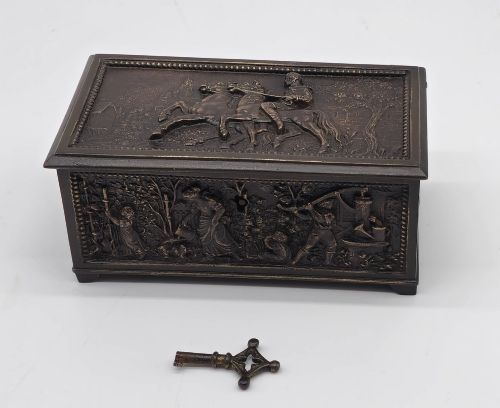
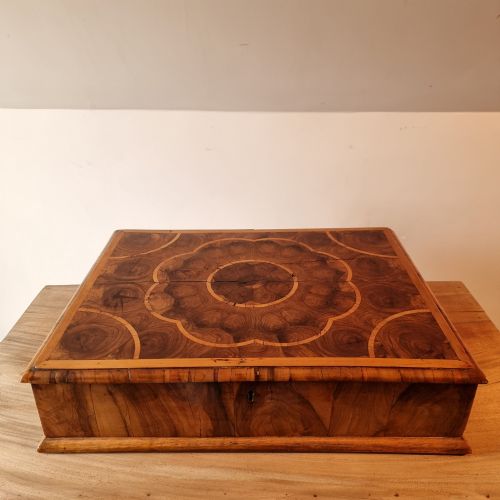
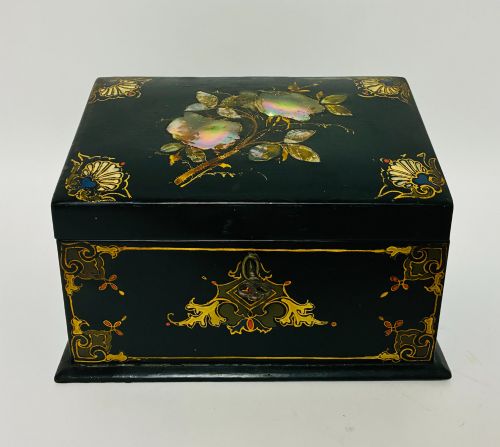
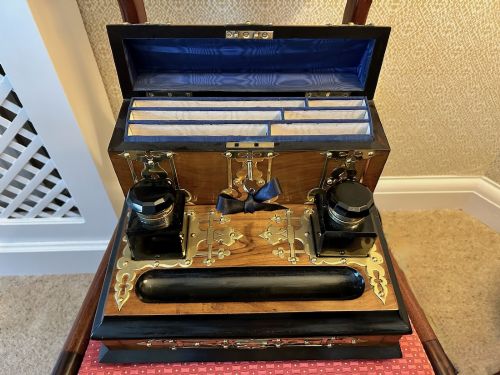
When you search for an antique decorative casket, you encounter a diverse array of small receptacles designed to hold jewellery, stationery, tea, or keepsakes. The examples gathered here span from seventeenth-century wooden and carved boxes to nineteenth-century Victorian walnut, brass-bound, and mother-of-pearl inlaid pieces.
You are most likely to meet nineteenth-century and Victorian iterations on this page, reflecting the heavy production of trinket boxes, workboxes, and stationery caskets during that era. Makers utilised varied forms such as tea caddies, lace boxes, and needlework caskets to serve domestic functions.
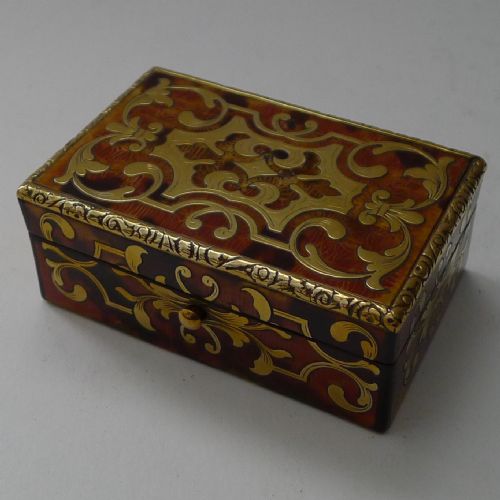
The materials and styles range widely from Anglo-Indian and Gothic Revival to French Boulle and Japanese cloisonné. Each piece demonstrates how past households stored personal valuables with aesthetic intent.
Materials and construction methods
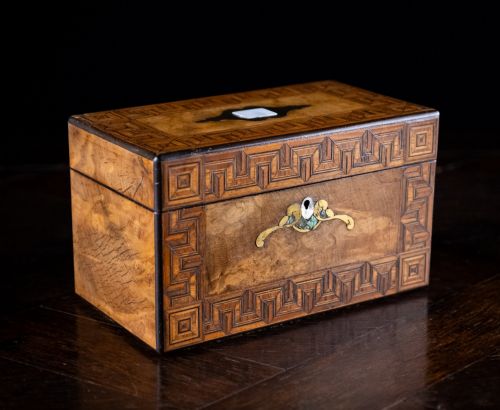
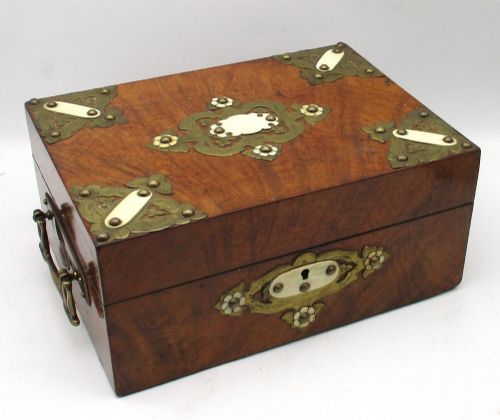
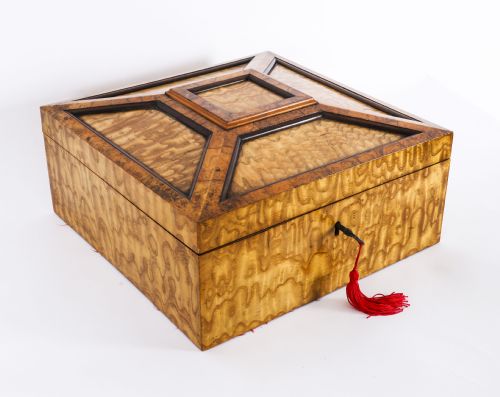
Cabinet makers constructed the foundational carcases of these boxes using timbers like walnut, rosewood, oak, coromandel, and burr maple. They frequently applied decorative veneers, parquetry, and marquetry geometric patterns across the wooden surfaces.
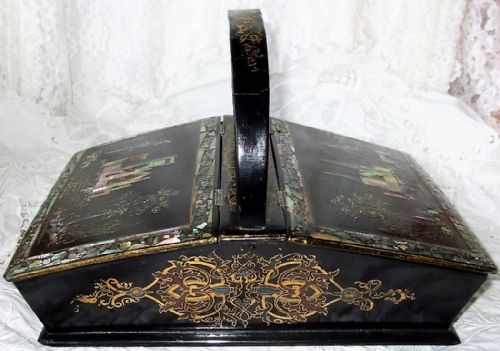
Metalwork played a structural and ornamental role, with brass banding, gilt bronze mounts, beaten steel, and silver panels reinforcing corners and hinged lids. Artisans also incorporated organic elements such as mother-of-pearl, tortoiseshell, agate cabochons, and porcupine quills into the surface designs.
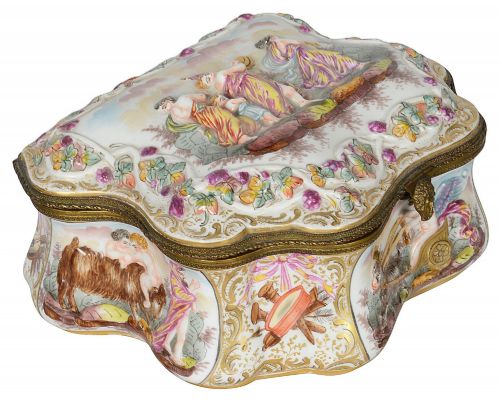
Surface decoration extended to lacquer, leather covering, gesso, and painted porcelain panels, particularly in French Boulle work and Asian export items.
The listings span multiple centuries, incorporating seventeenth-century carved wood alongside nineteenth-century Victorian papier-mâché and brass-bound burl.
Evaluating the standard of manufacture
The distinction between ordinary boxes and superior pieces lies in the precision of the joinery and the complexity of the internal fittings. High-quality examples display tightly fitted dovetail joints, perfectly aligned brass stringing, and fully intact velvet or silk linings inside.
The refinement of the decorative surface separates simpler containers from masterwork items. Finely chased bronze mounts, meticulous mother-of-pearl inlay, and detailed hand-painted or carved scenes demand greater artisan skill than stamped metal or plain wood.
Original working locks, functional keys, and well-preserved hinges contribute significantly to the integrity of a box, demonstrating that the maker prioritized durability alongside external visual appeal.
SUSSE FRERES PARIS·ERHARD AND SOHNE·Tahan of Paris·S Theeman
The Antique Decorative Casket Glossary
- Boulle
- A method of marquetry using brass and tortoiseshell inlaid in intricate scroll patterns, named after the French cabinet maker André-Charles Boulle. It appears frequently on nineteenth-century French trinket boxes.
- Parquetry
- A mosaic of wood geometric patterns applied to a box surface to create a tiled effect. It differs from marquetry by forming regular geometric shapes rather than pictorial scenes.
- Tunbridge Ware
- Small wooden boxes decorated with tiny mosaic wood tiles that form pictorial or geometric motifs. The technique originated in the Kent town of Tunbridge Wells.
- Caddy
- A small box or chest originally designed for storing tea leaves under lock and key. Many surviving examples feature internal compartments and mixing bowls.
- Cloisonné
- An enamelwork technique where metal wire is soldered to a metal base to create compartments filled with coloured paste. This decoration appears on Japanese and European metal caskets.
Antique Decorative Casket: Frequently Asked Questions
What were antique decorative caskets originally used for?
These receptacles served specific domestic tasks such as housing personal letters, securing precious jewellery, or storing luxury items like tea. Wealthy households relied on them to keep valuable commodities organised and protected.
Over time, many of these utilitarian containers transitioned into purely ornamental objects displayed on tabletops and desks.
How do I care for a wooden keepsake box?
Keep wooden and veneered surfaces away from direct sunlight and fluctuating radiator heat to prevent the timber from warping and the glue from drying out. Dust the exterior gently with a dry, soft cloth rather than using liquid polishes.
Maintain stable indoor humidity levels to preserve delicate inlays like mother-of-pearl and brass stringing.
How can I tell the difference between periods?
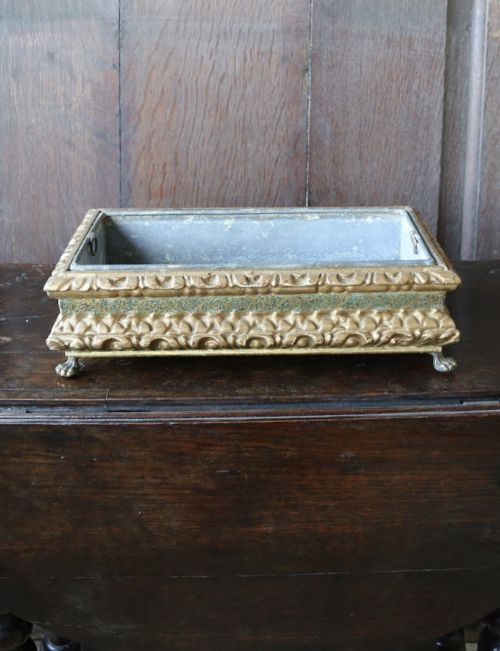
Seventeenth-century boxes often feature heavy carved oak or gilt wood with simple structural framing. Nineteenth-century Victorian examples frequently employ exotic veneers like burr walnut or rosewood combined with elaborate brass mounts and silk interiors.
Later pieces from the turn of the twentieth century often adopt Arts and Crafts beaten metal or Art Nouveau organic motifs.
Are original keys commonly found with these boxes?
Original working keys are relatively uncommon because locks were frequently misplaced over generations of use. Many antique boxes retain their decorative escutcheons and lock mechanisms even if the functional key is absent.
Locks can sometimes be fitted with a replacement key by a specialist restorer if required.