
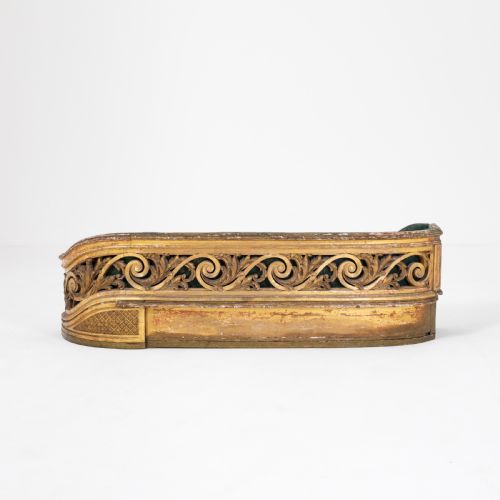
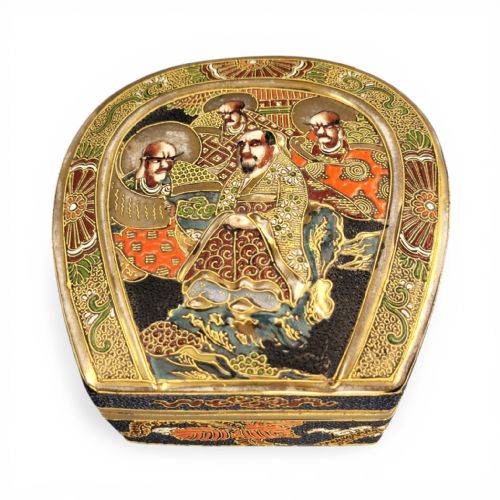


Antique Gold Decorative Box
An antique gold decorative box brings gilded warmth and intricate craftsmanship to a desk or surface.
Antique Gold Decorative Box
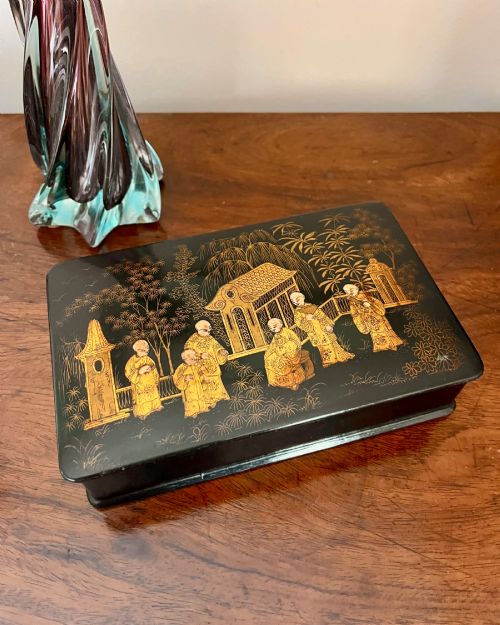
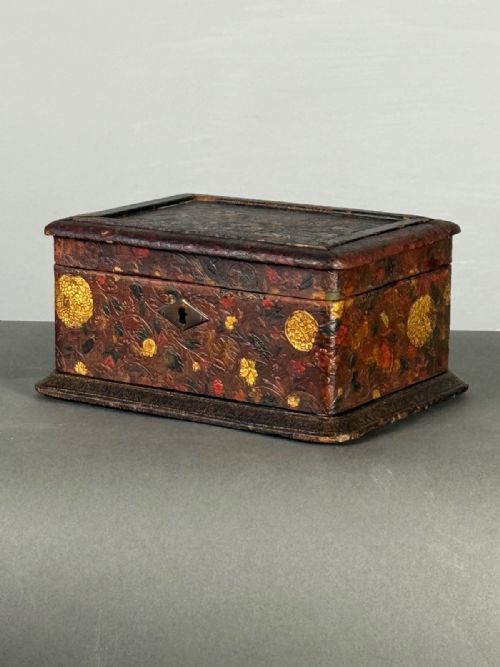
An antique gold decorative box encompasses small receptacles, trinket cases, tea caddies, and table cabinets shaped by centuries of varied craftsmanship. Buyers searching this phrase encounter pieces rendered in giltwood, brass, lacquer, and silver gilt.
The selection ranges from Regency penwork boxes and Victorian personal repositories to 17th-century Italian carved giltwood pieces and Japanese lacquerware. Smaller keepsake boxes and snuff boxes appear frequently alongside larger table cabinets.
Origins stretch across Britain, France, Italy, Russia, China, and Japan, reflecting diverse regional tastes in ornamentation. Each object serves to store keepsakes, jewellery, or small personal items while functioning as a decorative centrepiece.
Materials and construction methods
Maker's workshops utilised wood, metal, papier-mâché, and earthenware as foundations, applying gold leaf, giltwood, and polychrome pigments to create rich surface decoration. Chinoiserie lacquering, penwork, and hand-painted details frequently embellish the exterior surfaces.
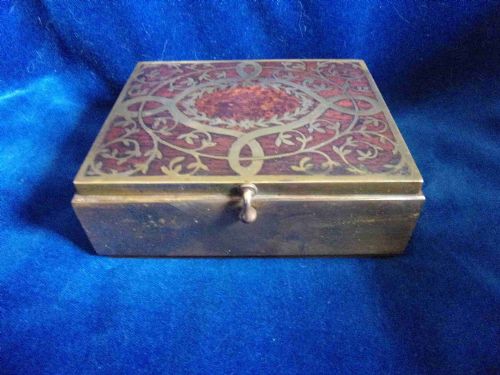
Construction techniques involve skilled carving, chiselling, inlaying, and leather covering. Metalwork incorporates silver gilt and brass, whilst wooden structures utilise penwork and lacquering to achieve detailed ornamental finishes.
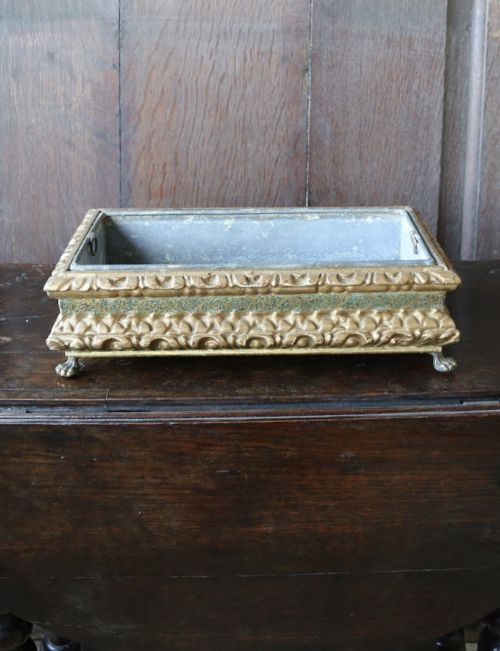
Object types documented in the inventory range from small snuff boxes and pill trinket boxes to larger table cabinets, tea caddies, and jardinières.
Factors determining quality
The finesse of the surface ornament dictates the standing of a piece, separating standard utilitarian items from masterworks. Intricacy in hand-painted details, precision in penwork, and depth of carving define superior examples.
The preservation of original gilding and lacquer work alters visual impact considerably. Material selection, such as solid silver gilt versus plated metal or finely carved hardwood versus basic pine, marks the distinction across the range.
Susse Freres Paris·Erhard and Sohne·Toshozan·William Crawfords and Son Ltd
The Antique Gold Decorative Box Glossary
- Penwork
- A decorative technique using fine ink or paint drawings on wood, prevalent in Regency tea caddies and games boxes. Artists applied delicate monochrome or tinted motifs before sealing the surface.
- Chinoiserie
- European interpretations of Chinese and East Asian artistic traditions, often featuring lacquered grounds and gilt figures. This style appears on boxes from the Georgian and 19th-century periods.
- Silver gilt
- Silver that has been coated with a thin layer of gold. This material combines the structural integrity of silver with the warm visual appeal of gold.
- Kodansu
- A traditional Japanese small portable cabinet featuring multiple drawers and fine lacquer decoration. These tables cabinets date around the early 20th century.
- Giltwood
- Wood that has been treated with gold leaf or gold paint to simulate solid gold ornamentation. It appears frequently on 17th-century Italian boxes and 19th-century jardinières.
Antique Gold Decorative Box: Frequently Asked Questions
How were these boxes used historically?
Owners stored valuable personal items, tobacco, tea leaves, or writing paraphernalia inside these lidded vessels and miniature cabinets. They sat upon desks, dressing tables, and reception room surfaces.
Many functioned as portable repositories for letters or jewellery, reflecting the formal domestic habits of the Victorian, Regency, and Georgian eras.
How do I identify a Regency penwork box?
Regency penwork boxes display intricate linear drawings executed in ink upon a light wooden background. They often take the form of tea caddies, games boxes, or commemorative pieces.
Look for meticulous geometric borders, architectural vignettes, and botanical motifs rendered by hand before the application of a protective clear finish.
What distinguishes Japanese lacquer boxes from European ones?
Japanese boxes from the Meiji period and early 20th century utilise traditional urushi lacquer techniques on wood or earthenware bases. They frequently incorporate delicate gold hiramaki-e details depicting natural scenes.
European equivalents, such as Chinoiserie or papier-mâché pieces, imitate Eastern aesthetics through surface varnishing and painted pigments rather than native lacquering traditions.