


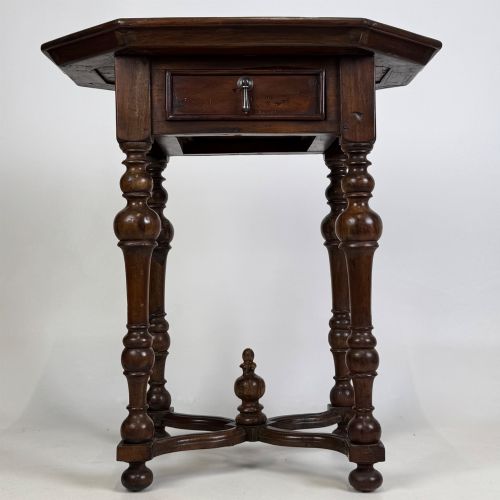
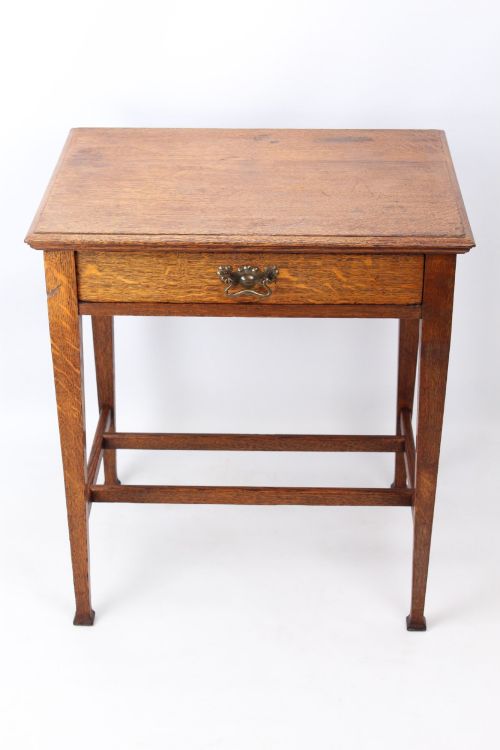
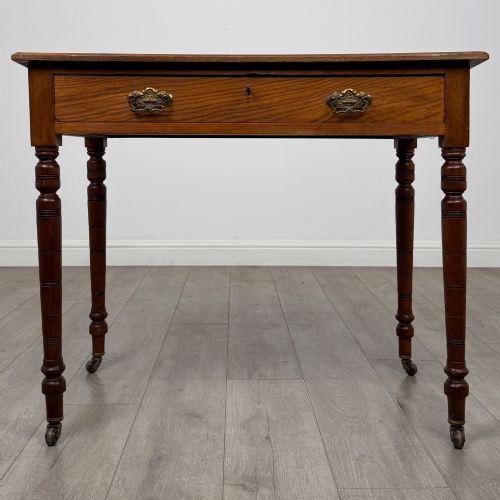
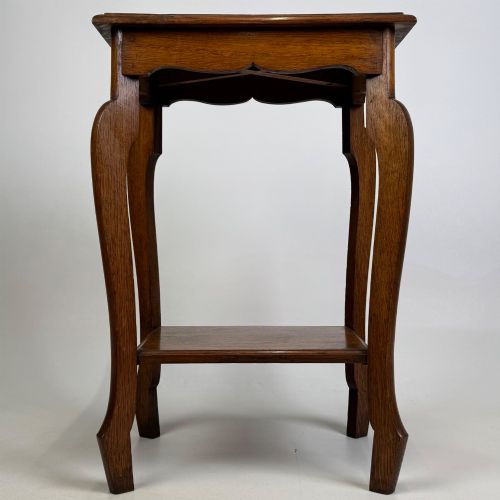
Small Hall Table
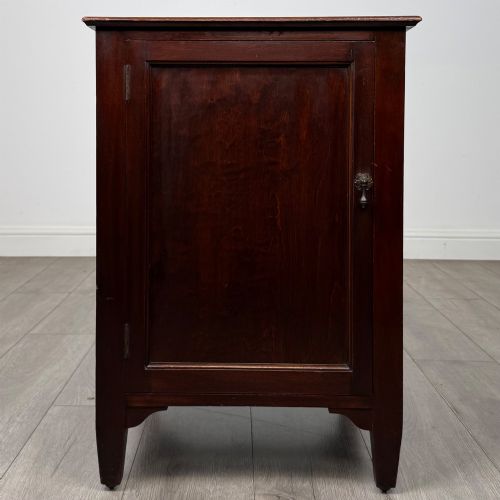
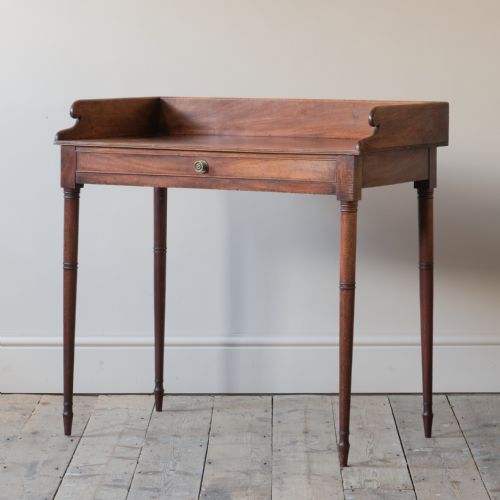
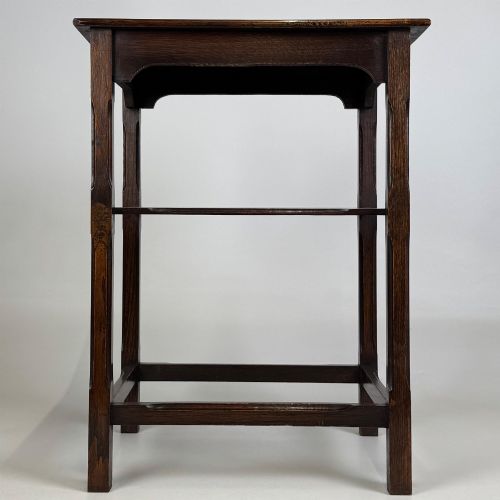
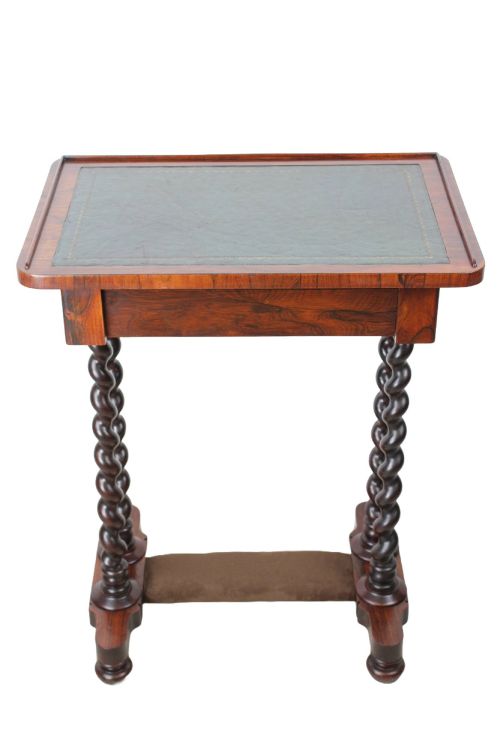
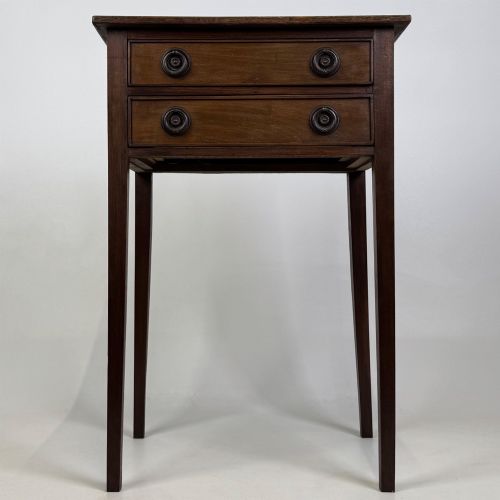
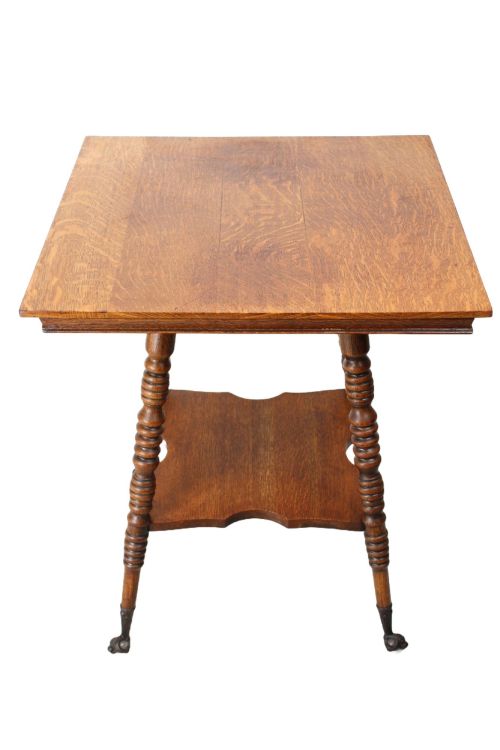
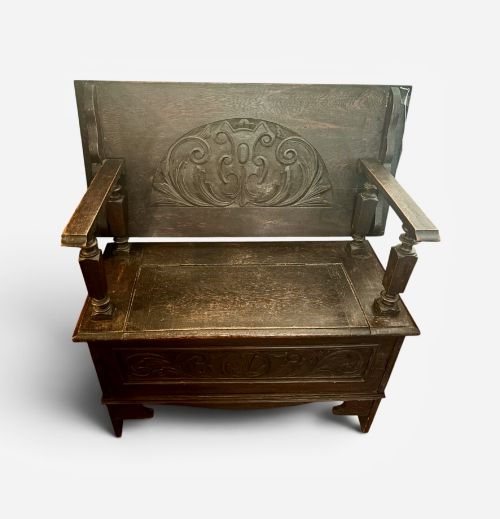
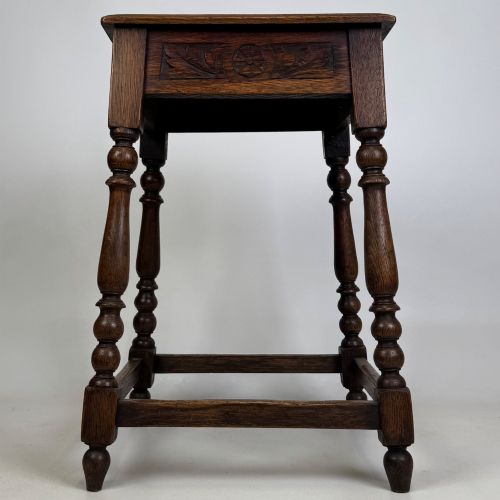
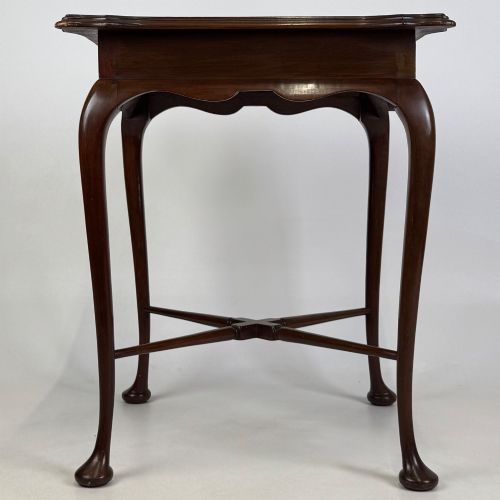
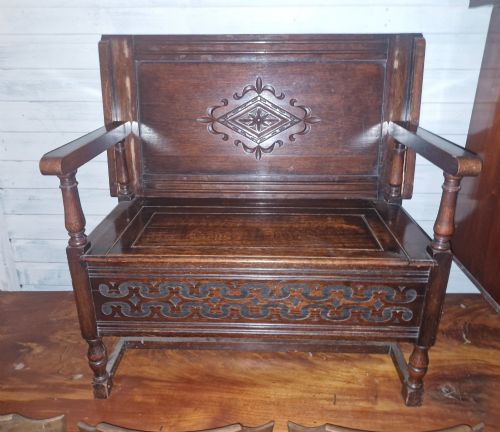
A small antique hall table provides a surface for letters and keys while anchoring a narrow entranceway with period timber.
Small Hall Table
When you search for a small antique hall table, you encounter compact side tables, console tables, lowboys, and desks designed for circulation spaces. The inventory spans the eighteenth century, the Victorian and Edwardian eras, and the early twentieth century.
Edwardian oak side tables and nineteenth-century mahogany pieces appear most frequently in this category. These forms serve practical functions in hallways while displaying period craftsmanship through carved details, turned legs, and folding tops.
How they were made
Cabinet makers built these tables primarily from solid timber such as oak, mahogany, and walnut, frequently selecting figured veneers for visual depth. Secondary materials like brass handles, marble tops, and iron brackets provide structural contrast and functional utility.
Joinery methods rely on traditional techniques including mortise and tenon joints for stability in daily use. Carving, inlay work, and turning define the decorative surface treatments applied across different stylistic revivals.
Several items double as fold-over card games tables, proving ancestors loved a quick wager right by the front door.
What varies in quality
The standard of timber selection and figuring distinguishes ordinary examples from superior ones, particularly in walnut and mahogany surfaces. Finely executed carving and crisp joinery reflect the workshop time invested in each piece.
Proportion and scale dictate how successfully a table sits within a narrow corridor or landing. Pieces retaining original hardware and untouched patination command greater interest among collectors.
Gillows
The Small Hall Table Glossary
- Lowboy
- A small oak or walnut table with drawers, originating in the early eighteenth century and often used as a dressing or side table.
- Console table
- A wall-mounted or freestanding table designed for narrow spaces, frequently featuring a marble or wood top.
- Demilune
- A half-moon shape characteristic of console and side tables designed to stand flush against a wall.
- Jacobean Revival
- A nineteenth or twentieth-century style imitating seventeenth-century English furniture, known for heavy oak construction and geometric mouldings.
- Figured walnut
- Timber cut to reveal intricate grain patterns, utilised on drawer fronts and table tops for decorative effect.
Small Hall Table: Frequently Asked Questions
Where should I place a hall table?
Position the piece against a flat wall in an entrance hall or narrow landing where floor space is restricted. A shallow depth allows free movement past the furniture.
Keep the surface clear for everyday items like post or keys, utilising any fitted drawers for small loose objects.
How do I identify an Edwardian table?
Edwardian tables often feature light oak or inlaid mahogany construction with restrained decorative carving. They typically date from the period around 1900 to 1910.
Examine the secondary woods and internal drawer construction to confirm the early twentieth-century manufacturing methods.
What is a lowboy used for?
A lowboy functions as a compact side table or writing surface equipped with one or more drawers beneath the top. Eighteenth-century examples were originally used in bedchambers or parlours.
In modern settings, they serve well in hallways as small writing desks or display surfaces for lamps.
How do I care for antique wood?
Maintain the timber surface by applying natural beeswax occasionally to nourish the grain and protect the finish. Avoid placing antique tables in direct sunlight or near heat sources.
Use dry cloths for routine dusting and keep liquids away from unsealed wooden or leather surfaces.