
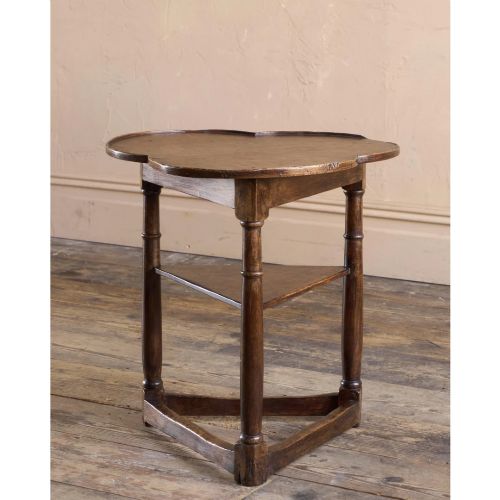

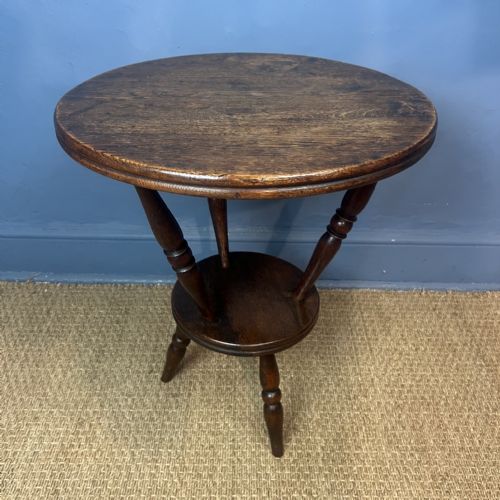

Oak Tripod Side Table
An oak tripod side table offers sturdy three-legged utility, combining practical surface space with traditional craftsmanship.
Form and Period
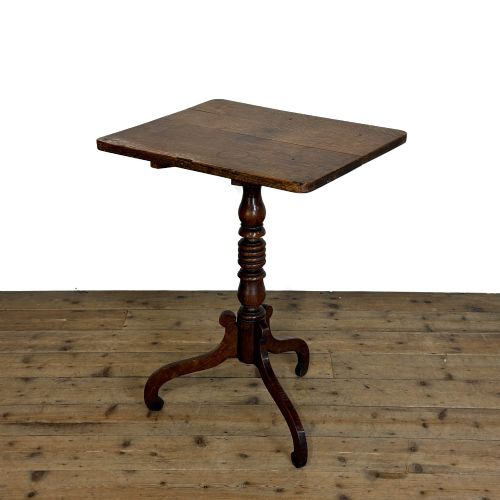
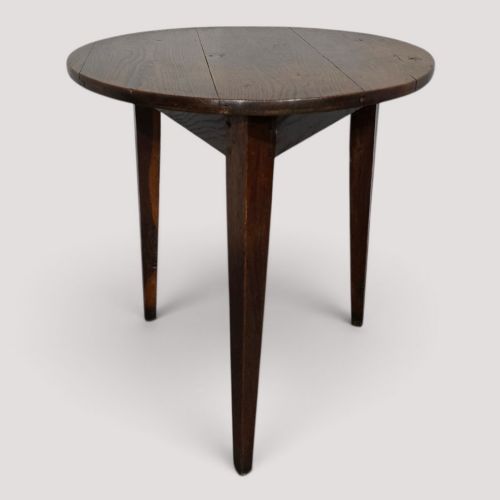
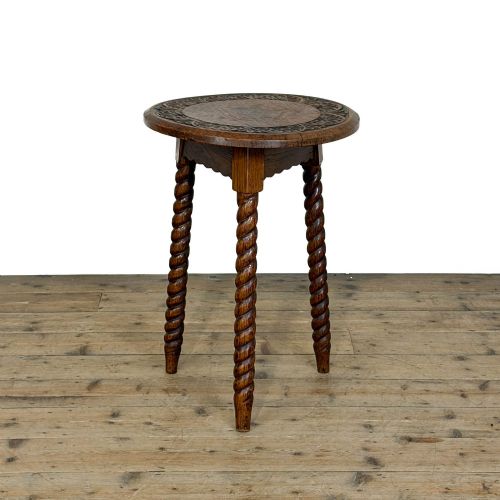
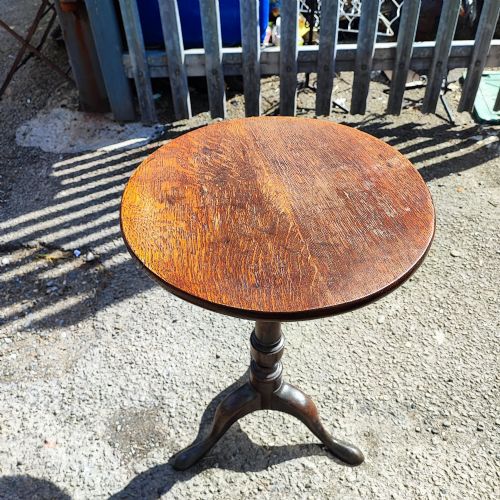
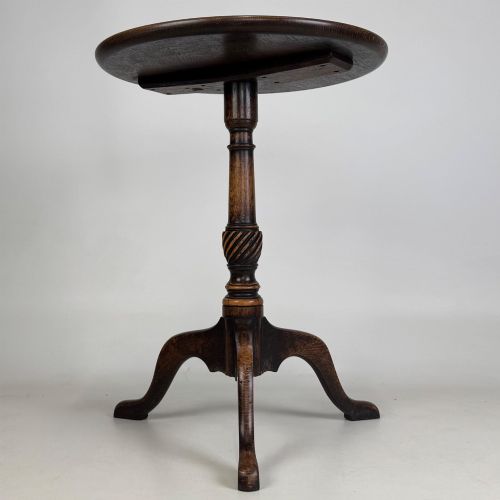
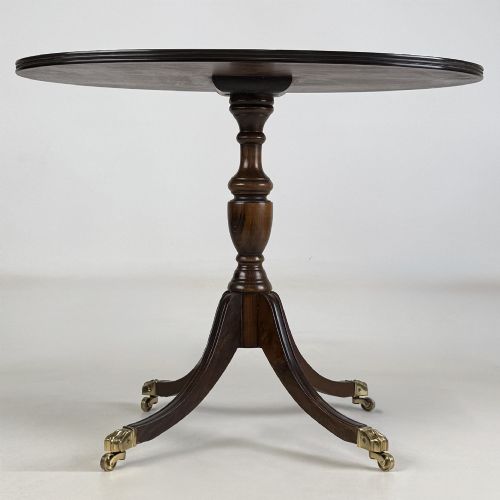
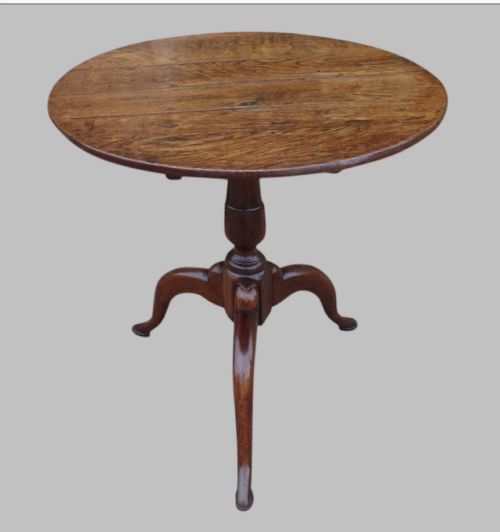
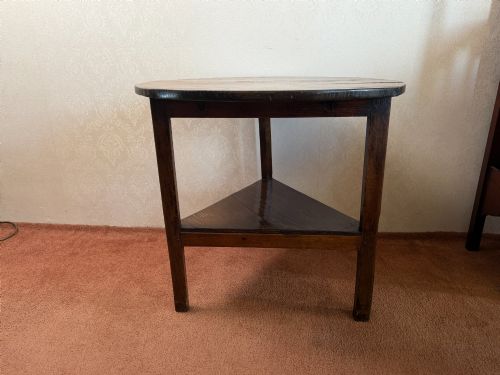
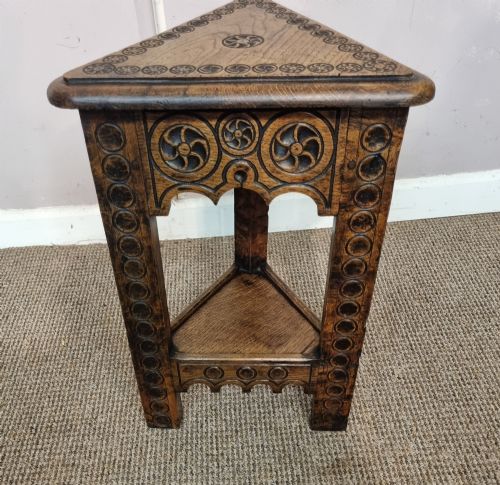
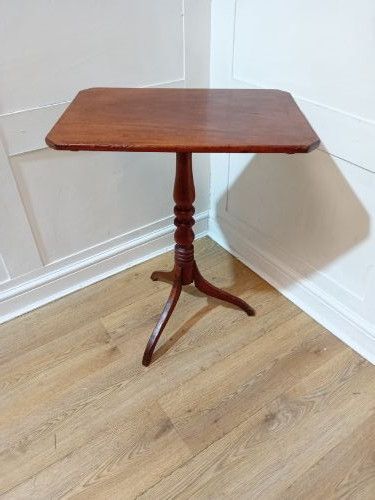
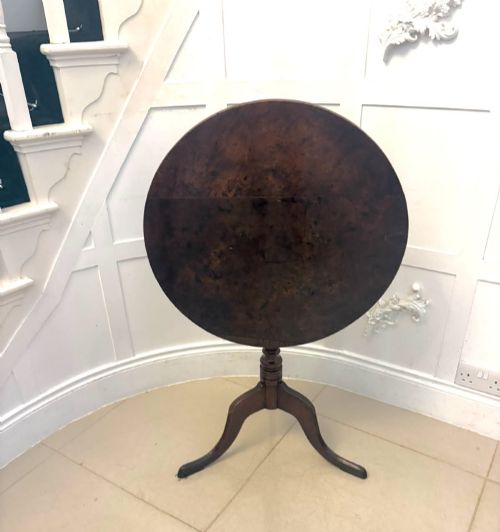
The oak tripod side table appears across several distinct eras, spanning the eighteenth century through to the Edwardian period. These pieces function as occasional, wine, and lamp tables, often featuring circular tops supported by three splayed legs.
Georgian examples demonstrate country vernacular styles, sometimes incorporating tilt-top mechanisms for storage. Later Victorian and Edwardian iterations continue this tradition, alongside occasional rustic farmhouse and Jacobean revival interpretations.
Materials and Technique
Construction relies primarily on solid oak, occasionally paired with elm for secondary timbers or accented with burr wood and brass fittings. Workshops utilised traditional joining methods, turning central pedestals on lathes and shaping individual legs to fit into the base.
Many examples incorporate tilt-top mechanisms using iron catches and wooden blocks, allowing the circular top to fold flat when not in use.
Retail Price Guide 2026
Typical UK retail prices for oak tripod side table, calculated from the Sellingantiques database of over a million retail prices indexed since 2003. This retail price guide relies exclusively on Sellingantiques data; no external sources or auction records are used, so the figures do not describe the wider market.
Materials recorded across the inventory include solid oak, elm, burr wood, and brass components.
Proportion and Material Selection
Quality rests upon the selection of timber figures and the balance of proportions between the top and the supporting base. Superior pieces display thoughtful grain matching on the circular surface and neatly turned pedestals that taper cleanly toward the feet.
Construction details such as the tightness of the birdcage or block mechanism and the integrity of the leg joints dictate the structural stability of each piece.
The Oak Tripod Side Table Glossary
- Tripod table
- A small freestanding table supported by a central pillar resting on three legs. This design prevents rocking on uneven floors.
- Tilt-top
- A mechanism allowing the table surface to pivot into a vertical position. This saved floor space in domestic interiors when the table was idle.
- Cricket table
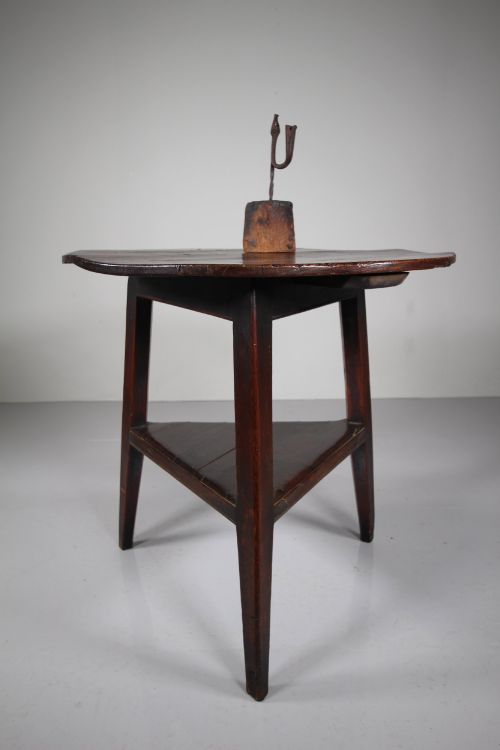
- A small three-legged round table usually associated with early vernacular furniture. The simple leg arrangement offers rigid support.
- Occasional table
- A light, movable table intended for specific, temporary uses such as holding drinks or lamps. These pieces move easily around a room as needed.
Frequently Asked Questions
What is a tilt-top table?
A tilt-top mechanism allows the circular surface to pivot ninety degrees on its base. This lets the table store flat against a wall when unused.
Craftsmen joined the top to the pedestal using a wooden catch or metal latch to secure the surface horizontally during use.
How do I date an oak table?
Dating relies on construction marks, timber selection, and leg turning styles. Eighteenth-century pieces often show hand-tool marks and pegged joints.
Victorian and Edwardian examples tend to use standardised fixings and display different wear patterns on the central pedestal block.
Where were these tables used?
These tables served primarily in sitting rooms and parlours for holding wine, tea, or lighting. Their compact footprint suited placement beside chairs.
Country houses utilised them as flexible surfaces that could move easily from room to room depending on daily requirements.
Are elm and oak mixed?
Cabinetmakers frequently combined timbers within a single piece, using elm for table tops and oak for the structural base. Elm provides a tough, interlocking grain resistant to splitting.
This practical combination maximised the working properties of available regional hardwoods.