
Small Drop Leaf
These small antique drop leaf tables offer clever space-saving folds with traditional timber character.
Small Drop Leaf
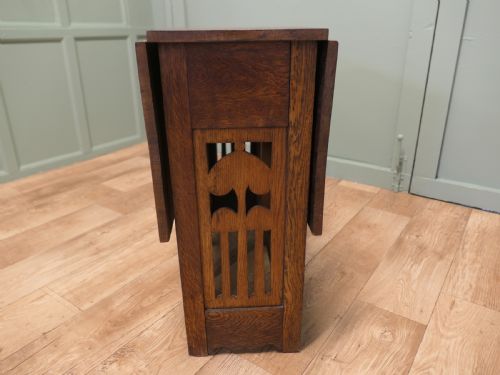
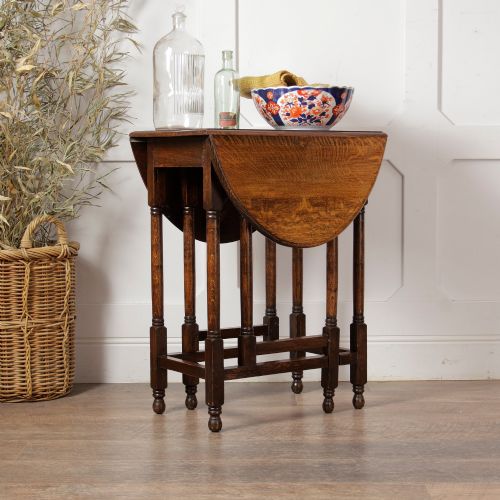
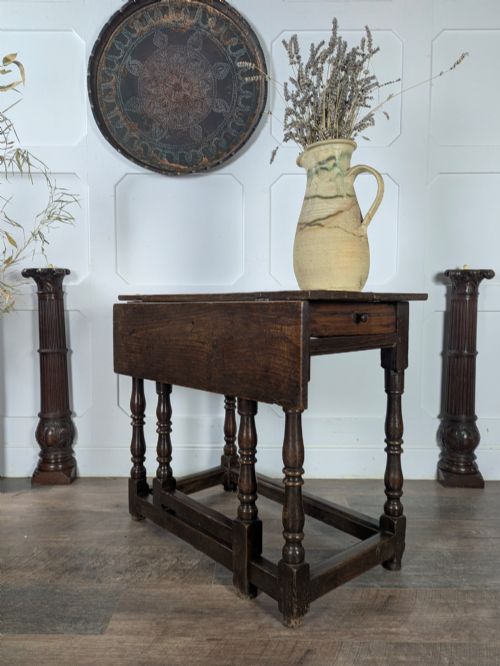
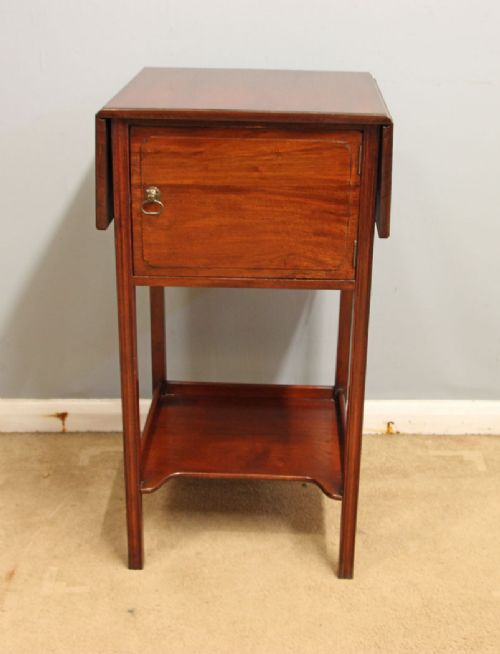
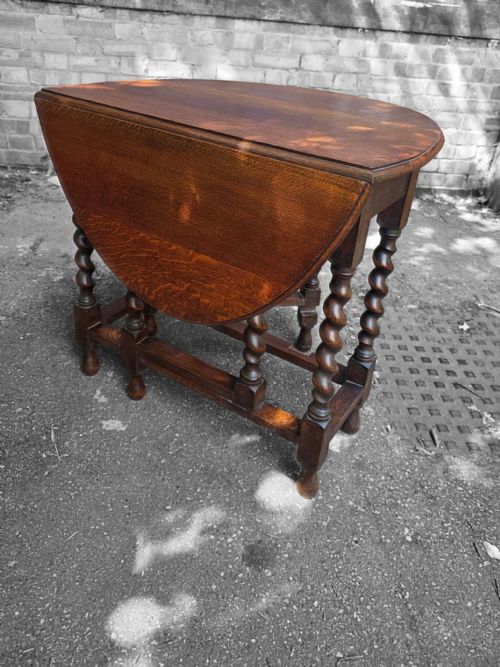
A small antique drop leaf table is a versatile piece featuring folding flaps supported by hinged legs, gates, or swing brackets. Buyers seeking this phrase encounter compact dining tables, bedside cabinets, and occasional side tables designed to expand only when needed.
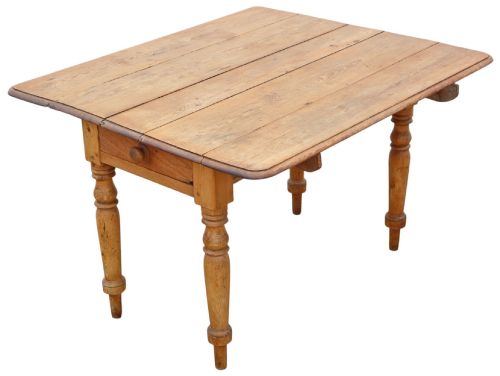
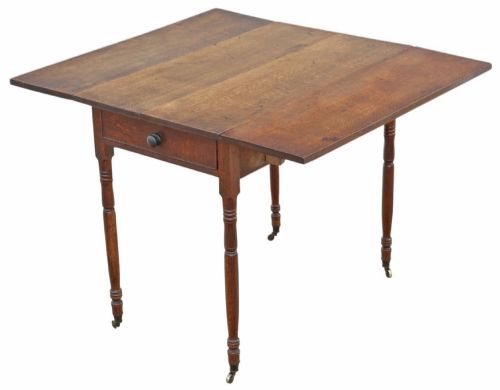
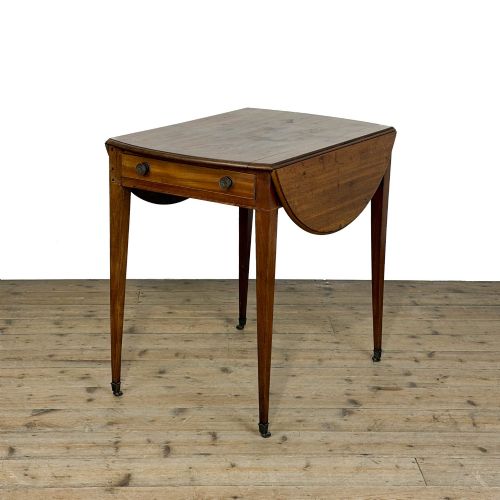
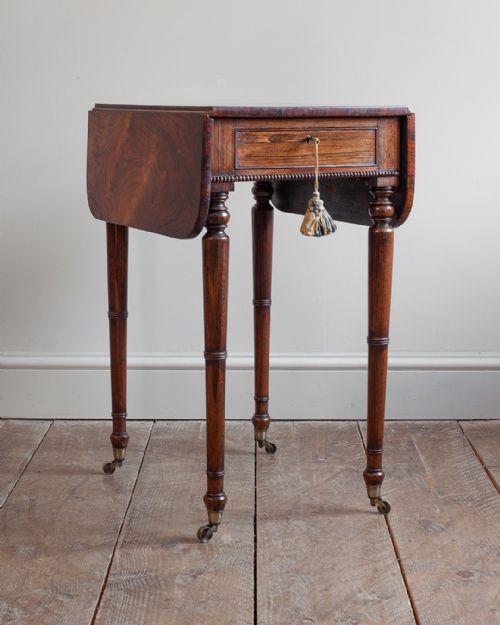
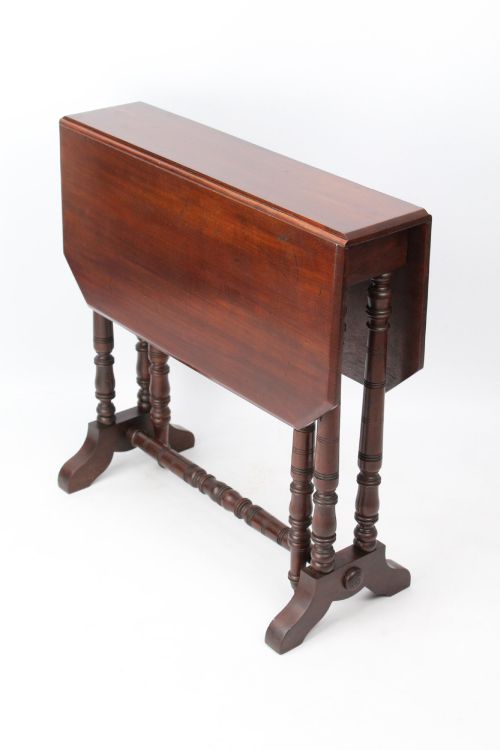
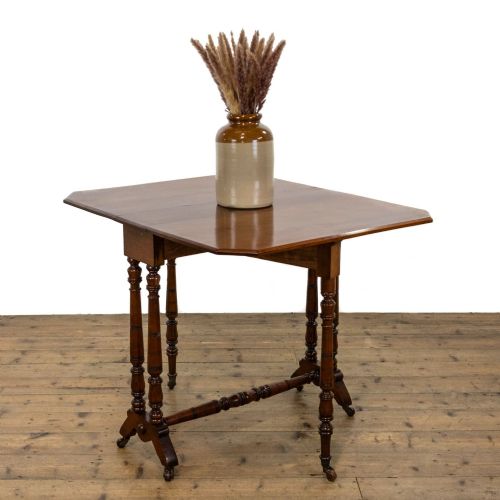
The selections span centuries of British craftsmanship, running from seventeenth-century oak gateleg forms to Victorian and Edwardian mahogany or walnut Sutherland tables. Pine kitchen variants and satinwood or rosewood Pembroke tables also appear frequently across the periods.
Originating primarily from domestic British workshops, these tables served dining rooms, bedrooms, and parlours where floor space was at a premium. The common thread among them remains the hinged leaf mechanism that transforms a narrow console into a functional surface.
How they were made
Makers relied heavily on dense hardwoods such as mahogany, oak, and walnut, frequently selecting figured veneers or solid planks for the top leaves. Turnery techniques ranged from simple bobbin and barley twist legs on early oak pieces to slender bamboo-turned or pillar supports on later mahogany examples.
Cabinetmakers utilised sturdy framing methods like pegged joints for seventeenth-century gateleg tables and precise rule joints for Pembroke leaves to ensure smooth folding action. Drawer components incorporated hand-cut dovetails, while brass hinges and castors provided durable operational hardware.
Listings span seventeenth-century oak through to Edwardian mahogany, showcasing diverse forms including Sutherland, Pembroke, and gateleg tables.
What varies in quality
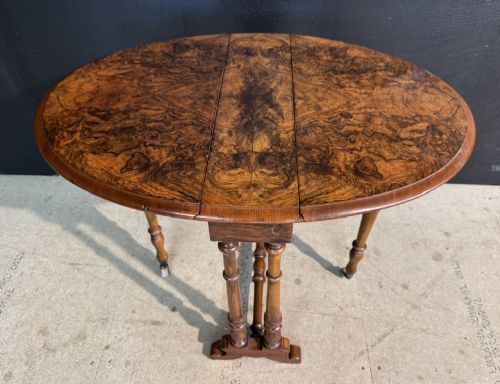
Quality rests in the choice of timber figure, such as highly decorative burr walnut or rich red mahogany, paired with the crispness of turned leg details. Superior examples exhibit balanced proportions and untouched patination built up over generations.
Construction integrity distinguishes finer pieces, visible in tight joints, warp-free leaves that meet flush when extended, and smooth-operating swing gates or drop-flap brackets. Original brass hardware and well-fitted drawer linings further elevate the standing of an individual table.
The Small Drop Leaf Glossary
- Drop leaf
- A table with a fixed centre section and hinged flaps that fold down when not in use. These flaps extend on brackets or swing legs to create a larger surface.
- Gateleg table
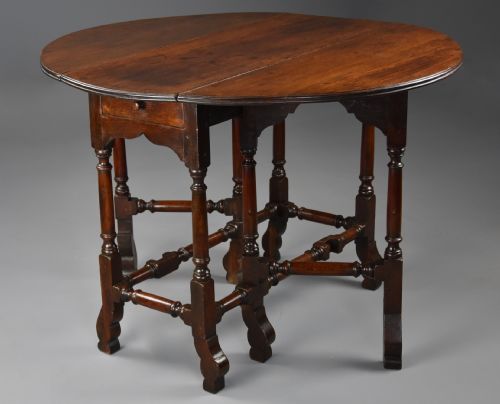
- A table featuring hinged legs that swing outward like a gate to support the dropped flaps. This construction provides robust support for solid oak leaves.
- Pembroke table
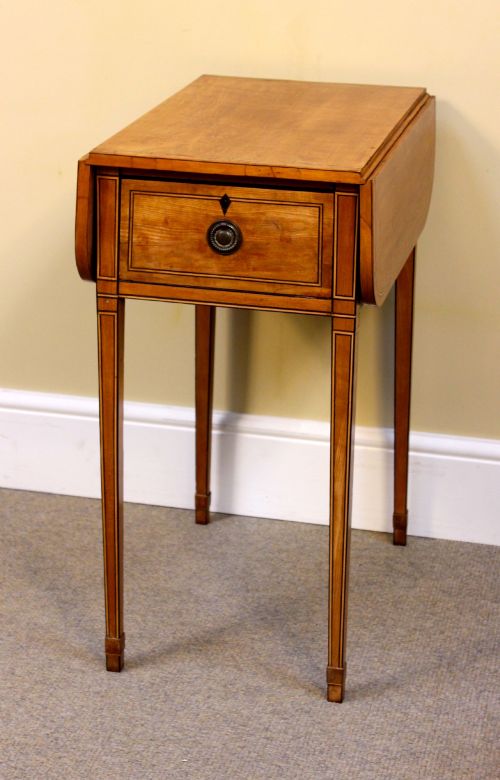
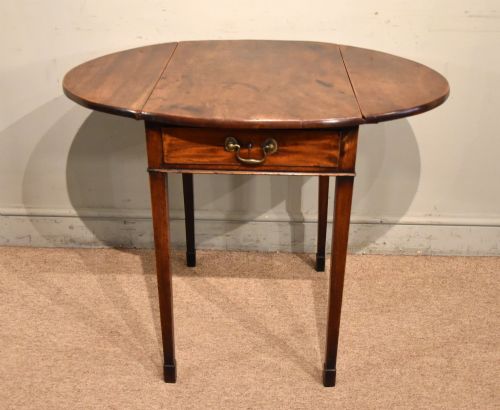
- A small rectangular table equipped with two short drop leaves on opposite sides and usually featuring a single drawer. They gained popularity during the eighteenth century as breakfast or writing tables.
- Sutherland table
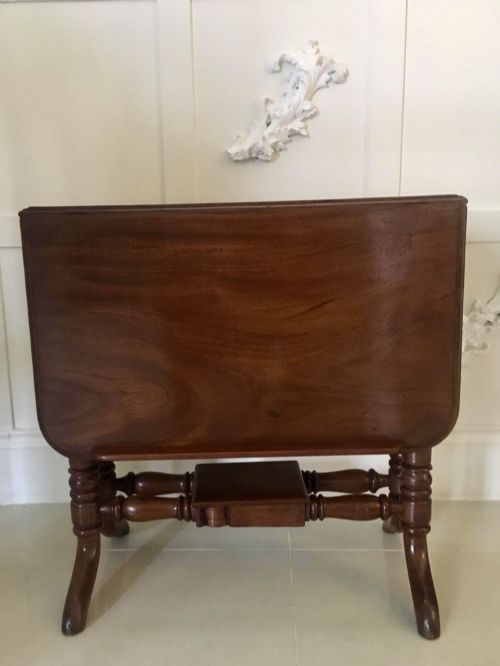
- A narrow table with exceptionally slender drop leaves that hang almost vertically when lowered. They often rest on trestle-like floor supports with swing legs.
- Rule joint
- A moulded joint connecting a table top to its drop leaf, designed to hide the gap between the boards when opened. It provides a neat, finished edge in both positions.
- Patina
- The deep surface sheen and mellow colour developed by aged wood through handling and waxing over centuries. Original finishes display this characteristic depth.
Small Drop Leaf: Frequently Asked Questions
How were small drop leaf tables used originally?
These tables served flexible daily functions in compact rooms, functioning as breakfast surfaces, bedside stands, or side tables tucked against walls.
Owners raised the leaves only during meals or writing tasks, returning them to a flat drop position afterward to free up floor space.
How do I distinguish an 18th-century gateleg from a Victorian one?
Seventeenth and eighteenth-century gateleg tables typically feature heavy solid oak construction with pegged joinery and hand-turned bobbin or barley twist legs.
Victorian and Edwardian versions often employ mahogany or walnut with lighter turned or pillar supports and more refined edge mouldings.
Where should I place a drop leaf table in my home?
A drop leaf table fits well in narrow hallways, tight corners, or behind sofas with one or both leaves folded down against the wall.
When extra surface area is needed, simply pull the table into the room and swing the gate legs out to support the folding flaps.