

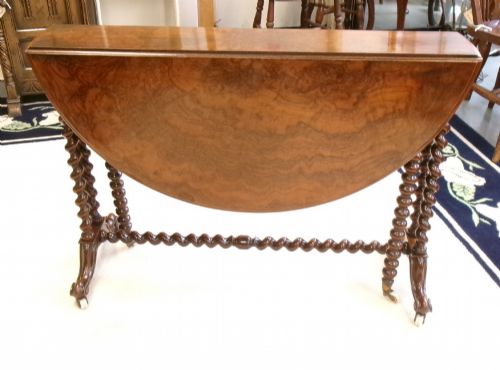
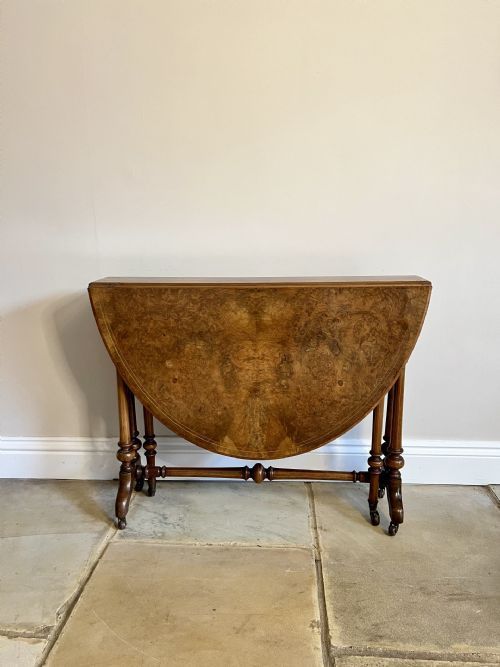

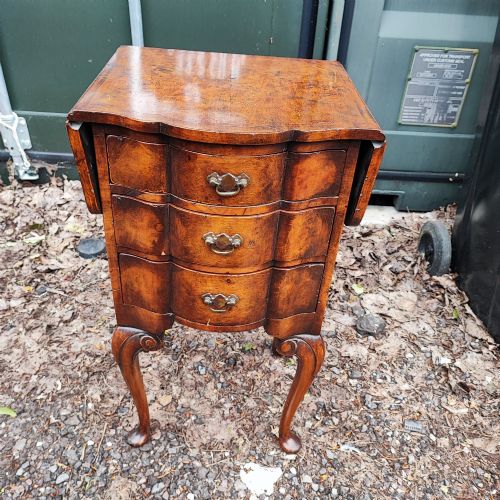


Burr Walnut Drop Leaf
Burr walnut drop leaf tables bring rich, figured timber and clever folding function together in compact pieces made for flexible domestic spaces.
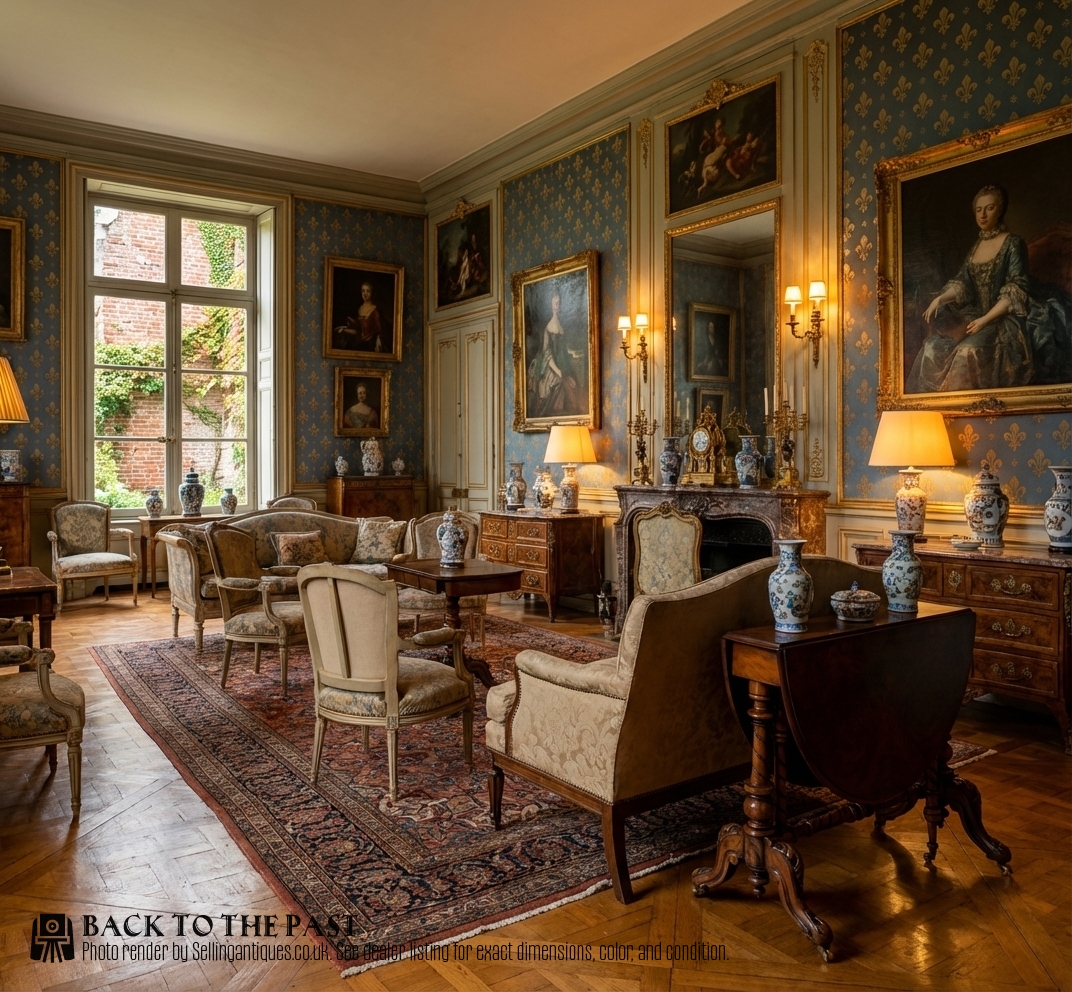
Burr Walnut Drop Leaf
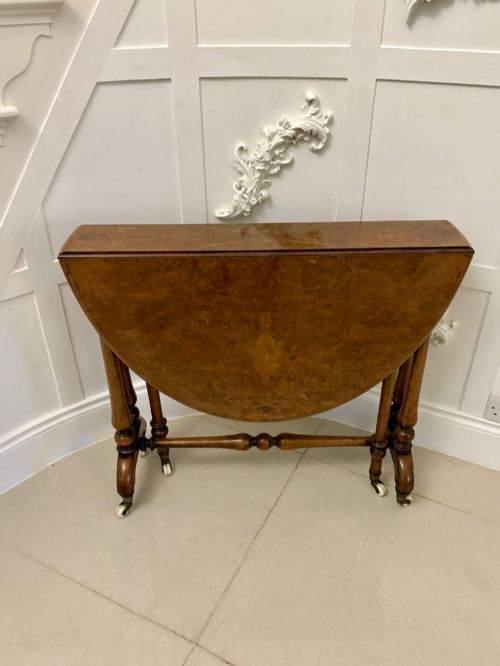
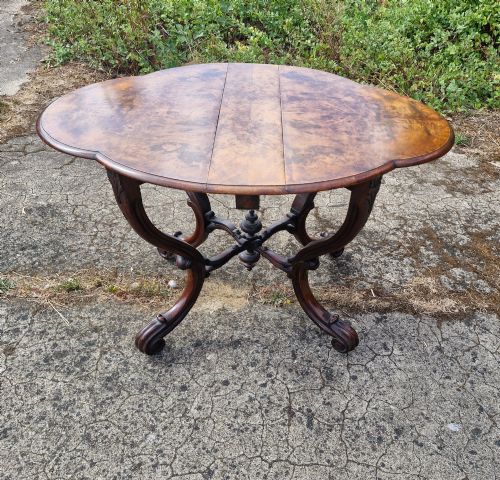
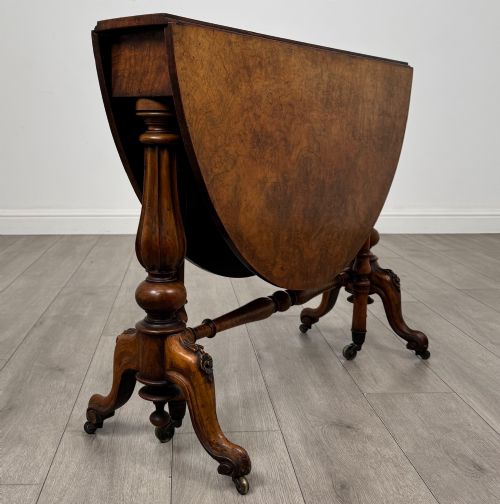
When you search for burr walnut drop leaf pieces, you encounter a selection centred heavily on Victorian Sutherland tables alongside sofa tables, bedside cabinets and occasional tables. These items emerged predominantly during the nineteenth century, with examples extending into Edwardian and later twentieth-century revivals.
The Sutherland table dominates the offerings, appearing in varying scales from standard afternoon tea sizes down to small baby versions. Alongside these folding designs, related drop-leaf occasional and coffee tables provide surfaces that expand when needed and tuck away tightly.
Periods represented stretch from Georgian and Victorian eras through to the early decades of the twentieth century, often drawing on Queen Anne styles and revival aesthetics. The core utility remains consistent: timber surfaces supported by folding leaves designed to adapt to smaller rooms.
Materials and construction methods
Cabinet makers utilised walnut timber, specifically selecting burr walnut for its highly figured, swirling grain patterns across the primary surfaces. Secondary timbers like mahogany and general wood frames provide structural stability beneath the decorative veneer.
Detailing often incorporates brass fittings, ceramic elements, and intricate floral marquetry or wood inlay. Construction relies on drop-leaf hinges, scissor actions, and pivoting supports that allow the hinged leaves to drop smoothly down or lock firmly into place.
Burr Walnut Drop Leaf Retail Price Guide 2026
Typical asking prices for burr walnut drop leaf among the pieces listed under this phrase on Sellingantiques today, from the lower quarter to the upper quarter. They describe what is for sale here now, not the wider market.
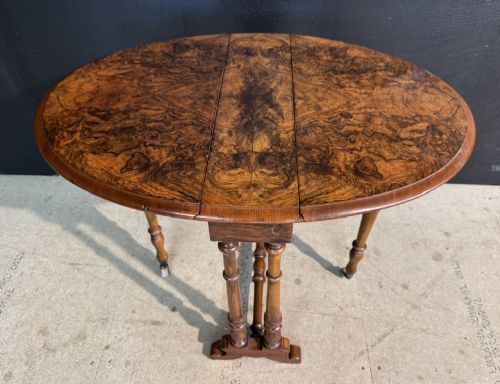
Some Victorian tables are small enough to be designated as baby models, proving that earlier generations also had a soft spot for miniature furniture.
Distinctions in construction and finish
Quality rests significantly on the selection and matching of the burr walnut veneer across the top leaves and drop flaps. Superior examples display symmetrical grain patterns that flow evenly when the table is opened.
The integrity of the folding mechanism dictates daily usability, where tight joints, smooth scissor actions, and sturdy hinges separate refined cabinet work from more utilitarian production.
Waring and Gillow
The Burr Walnut Drop Leaf Glossary
- Burr Walnut
- A specialised timber cut from the abnormal growth or burl of a walnut tree, prized for its swirling, highly decorative grain patterns. It provides the distinctive visual richness found on the top surfaces of these tables.
- Drop Leaf
- A table top featuring hinged side flaps that can be folded down to save space or raised and supported when extra surface area is required. This mechanism defines the core utility of the furniture.
- Sutherland Table
- A narrow style of drop-leaf table featuring exceptionally slender folding leaves supported by swing-out gate legs. Invented in the nineteenth century, it folds down to a very slim profile.
- Marquetry
- Decorative inlay work where pieces of various coloured woods are fitted into a veneer to form geometric or floral designs. Victorian examples frequently apply this technique to the table tops.
- Sofa Table
- A long, narrow occasional table traditionally placed in front of a sofa, equipped with drop leaves on either end. These pieces often feature trestle bases or twin pedestals.
Burr Walnut Drop Leaf: Frequently Asked Questions
What is a baby Sutherland table?
A baby Sutherland table is a scaled-down version of the traditional narrow folding tea table. These compact pieces offer the same gate-leg drop-leaf mechanism in a miniature footprint suitable for smaller rooms.
They were utilised as occasional, coffee, or lamp tables where full-sized furniture would overwhelm the space while retaining the decorative burr walnut finish.
Where were drop leaf tables placed in Victorian homes?
These versatile tables sat primarily in parlours, drawing rooms, and bedrooms as tea tables, work tables, or bedside surfaces. Their folding leaves allowed households to clear floor space quickly between social calls.
In modern interiors, they function effectively as lamp tables, small side tables, or compact coffee tables that adapt easily to changing spatial needs.
How do you identify a Victorian burr walnut table?
Victorian examples display rich, variegated walnut veneers with deep figuring, often complemented by hand-cut marquetry or inlay work. The construction frequently employs mahogany as a secondary wood alongside traditional brass hardware and ceramic castors.
Dating relies on architectural clues in the turning of the legs, the design of the folding mechanism, and stylistic revivals leaning toward Queen Anne or Georgian forms.