


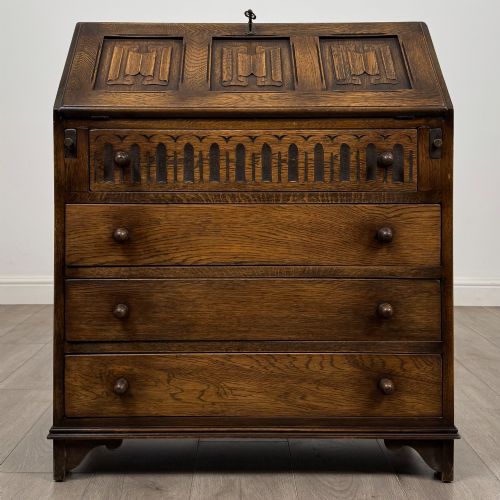
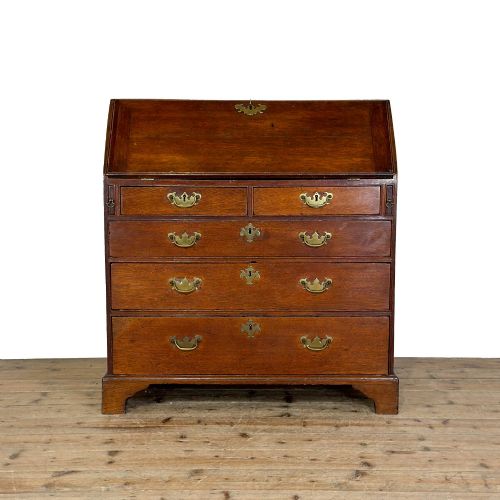
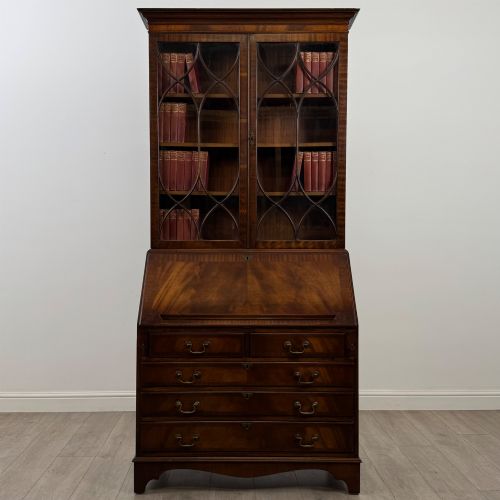
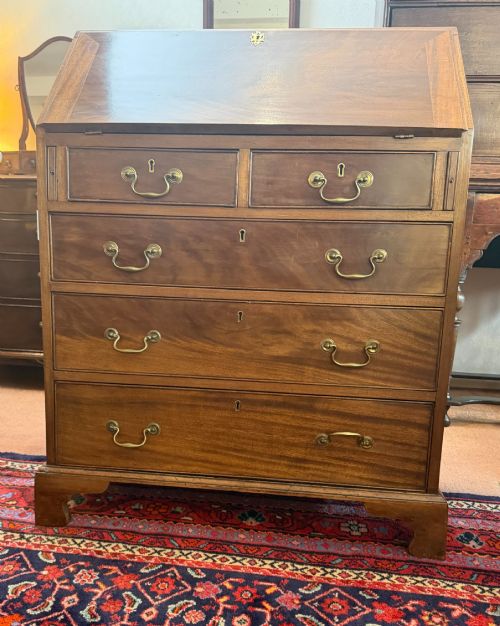
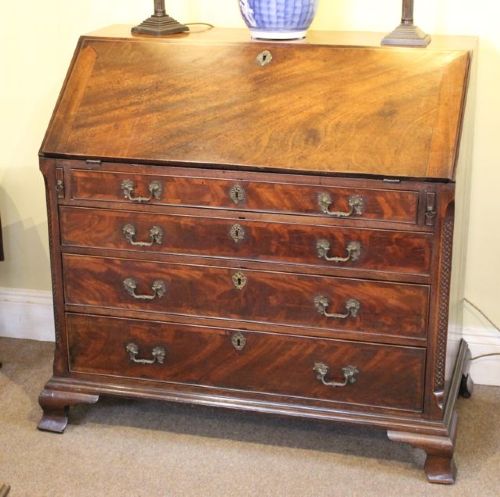
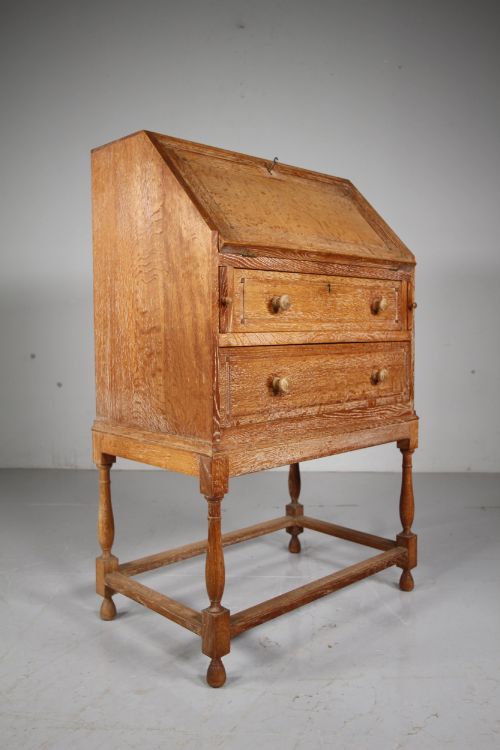
Slope Front Bureau
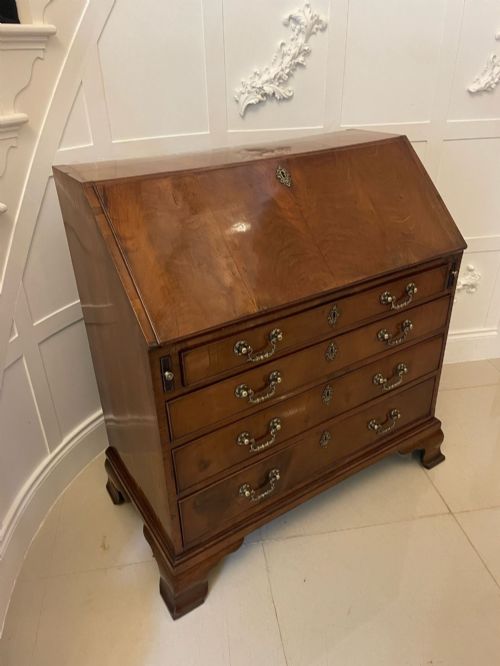
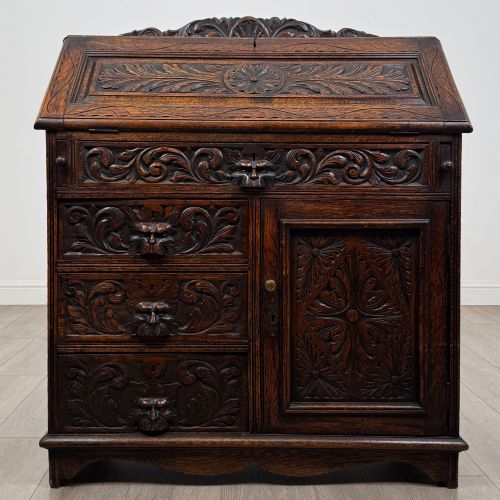
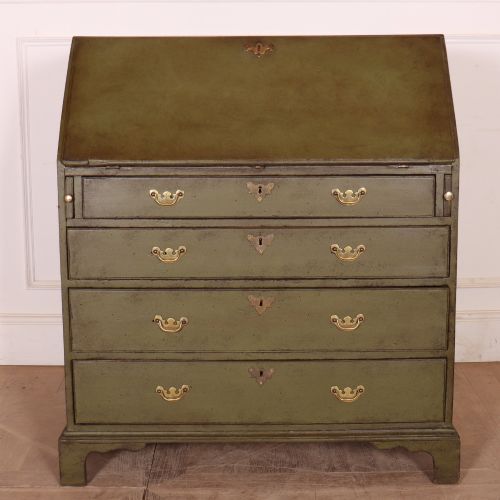
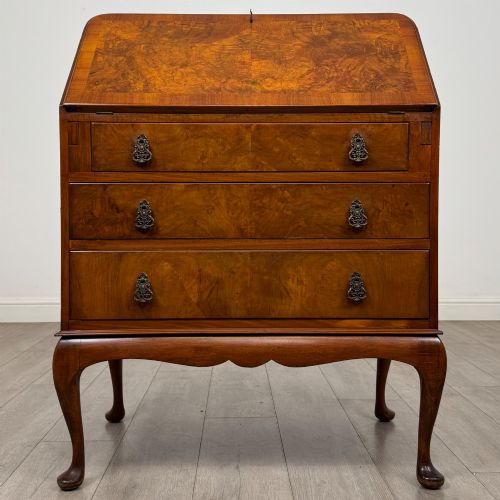
A slope front bureau offers a hinged writing flap that drops to form a desk surface above storage drawers, combining practical workspace with classic cabinetry.
Slope Front Bureau
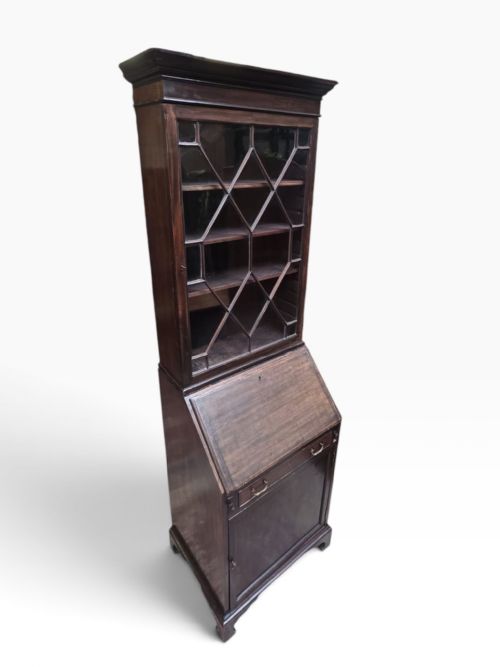
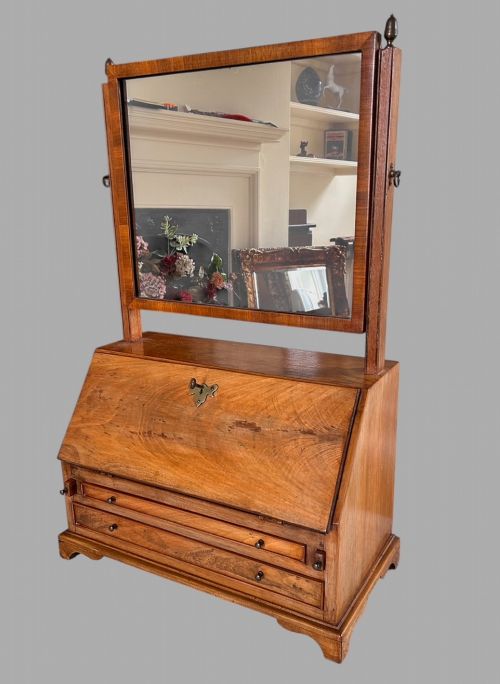
A slope front bureau provides a dedicated writing surface that conceals internal pigeonholes and small drawers when closed. This form appears frequently in eighteenth-century periods as well as later Edwardian and Victorian incarnations.
The layout typically combines a slant lid with a chest of drawers beneath. Mahogany and oak serve as primary timbers, whilst bureau bookcases add upper shelving or glass cabinets.
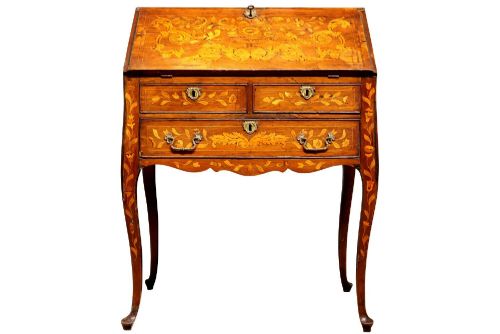
Buyers encounter variations ranging from compact walnut writing desks to larger bureau bookcases. Regional examples incorporate marquetry or painted finishes alongside traditional timber grains.
How they were made
Cabinet makers constructed these pieces using solid timbers and veneers such as walnut, mahogany, and oak. Brass hardware supports hinges, escutcheons, and drawer pulls across different periods.
Joinery techniques involve dovetailed drawer construction and framed panels to stabilise the fall front. Secondary woods like cedar and fruitwood appear inside internal compartments.
Slope Front Bureau Retail Price Guide 2026
Typical asking prices for slope front bureau among the pieces listed under this phrase on Sellingantiques today, from the lower quarter to the upper quarter. They describe what is for sale here now, not the wider market.
Some bureaus conceal hidden compartments behind internal pigeonholes for keeping secret letters safe.
What varies in quality
The selection of timber grain, particularly figured walnut or finely grained mahogany, distinguishes superior examples. Figured veneers require precise matching across the fall front and drawer faces.
Internal compartment arrangement influences desirability, with fitted nests of secret drawers and carved details showing higher craftsmanship. The condition of brass mounts and structural joints indicates the level of original execution.
Heals of London·Stanley Webb Davies
The Slope Front Bureau Glossary
- Fall front
- The hinged sloping panel that drops forward to create a writing surface. This component conceals the interior stationery compartments.
- Bureau bookcase
- A piece combining a sloping desk base with an upper cabinet section featuring shelves or glass doors. These tall items provide both writing space and display storage.
- Marquetry
- Decorative inlay work using various woods and veneers to create floral or geometric patterns. Dutch examples frequently employ this technique on walnut surfaces.
- Davenport desk
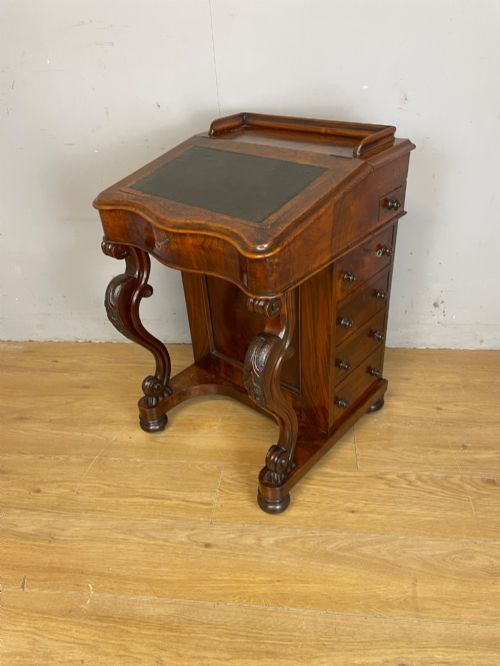
- A compact Victorian writing desk featuring a sloping top and side drawers. These smaller forms serve as alternative writing furniture.
- Linenfold
- A carved wood panel motif resembling folded cloth. This style appears on oak pieces from revival periods.
Slope Front Bureau: Frequently Asked Questions
What is a slope front bureau?
A slope front bureau is a writing desk featuring a slanted hinged flap that opens to reveal compartments, sitting above a set of drawers.
Cabinet makers produced these pieces across several centuries in woods like mahogany, oak, and walnut to provide both storage and a flat writing area.
How do I use a bureau desk?
You lower the sloping front panel until it rests horizontally on support arms to form the desktop. This action grants access to internal letter slots and small drawers for paperwork.
When finished writing, you lift the flap back into place and secure it, hiding the stationery from view.
How do I tell an 18th century bureau apart from an Edwardian one?
Eighteenth-century examples rely on solid construction, hand-cut dovetails, and dense native or imported timbers like early mahogany and oak. They display proportion and joinery typical of Georgian cabinet making.
Edwardian pieces often utilise lighter construction methods, machine-sawn elements, and distinctive veneers such as figured walnut or golden oak influenced by earlier revival styles.
Where should I place a bureau in my home?
A bureau fits well in a living room, study, or bedroom where its dual function as a cabinet and a desk can be utilised. The enclosed storage keeps clutter hidden when the writing flap is closed.
Keep the timber away from direct heat sources and strong sunlight to protect the polished wood finish and prevent veneer lifting.