
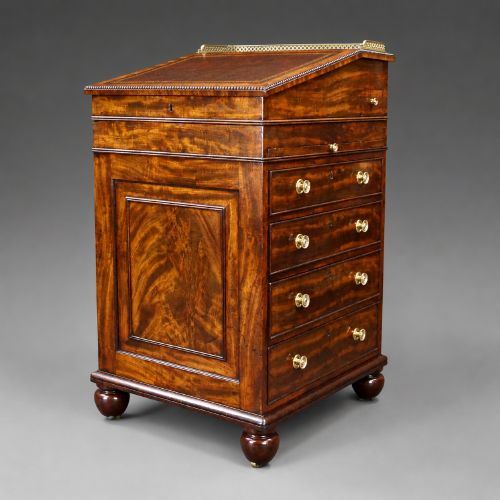


Slant Front Writing Bureau
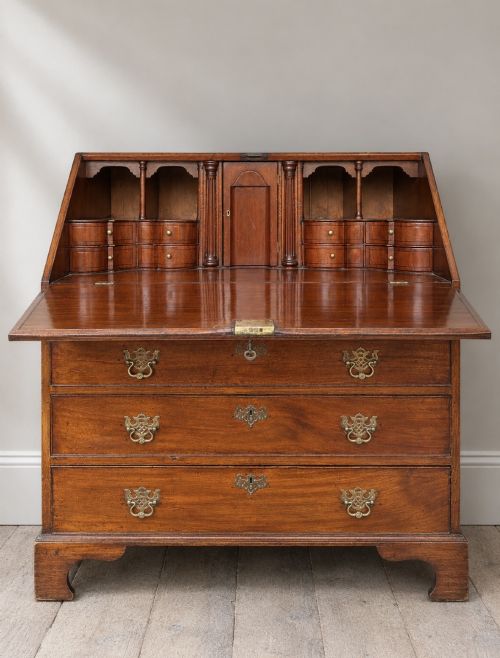
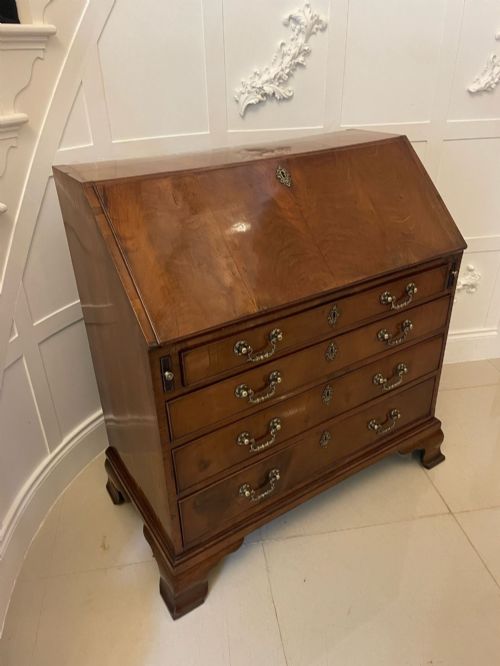
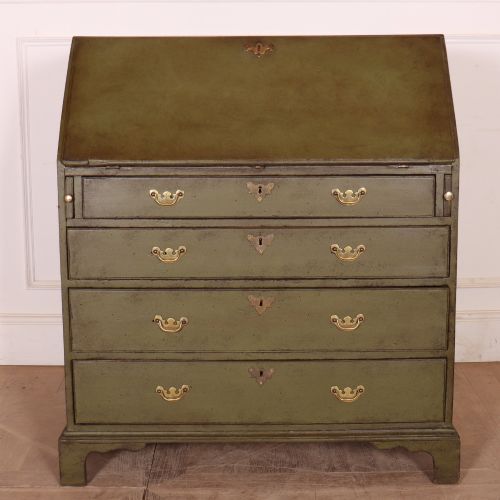
A slant front writing bureau offers a hinged writing flap that opens to reveal a fitted interior of drawers and pigeonholes.
Slant Front Writing Bureau
When you search for a slant front writing bureau, you encounter compact writing furniture designed for domestic correspondence and document storage. The form spans several centuries, appearing in periods from the seventeenth century through to the Edwardian era and the 1920s.
The most common versions met on this page are eighteenth-century mahogany and walnut pieces, alongside twentieth-century oak examples. These pieces combine a slanted writing surface with functional storage compartments below.
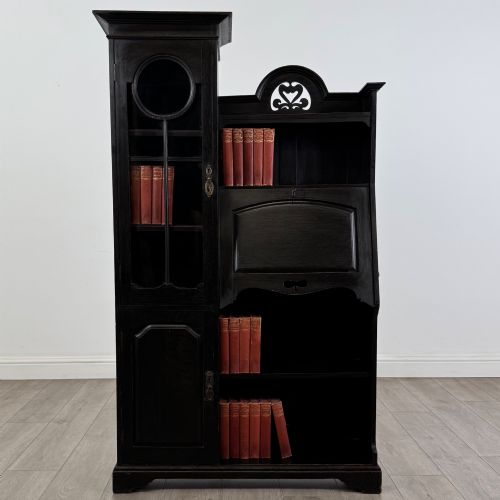
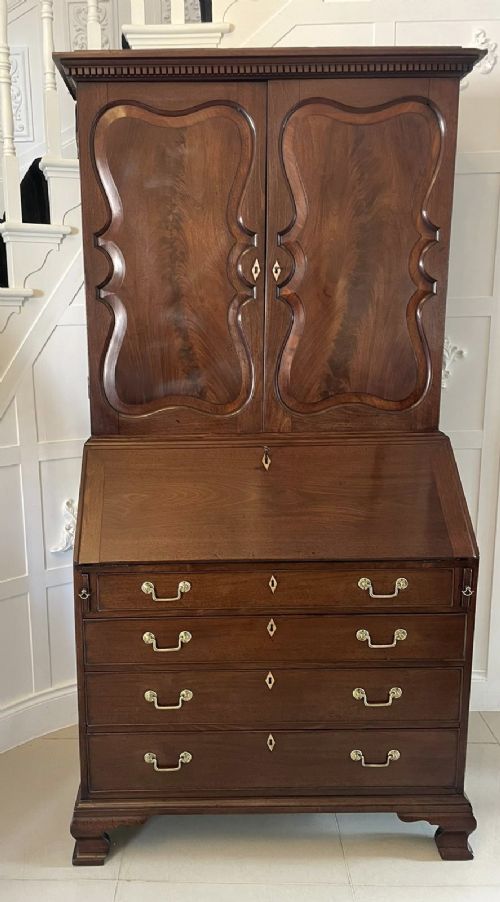
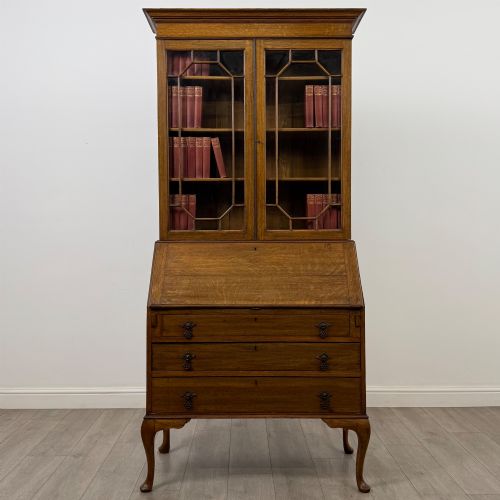
Object types range from simple desks to tall bureau bookcases featuring glazed upper sections. Regional variations include English, French, and Dutch constructions.
Materials and construction
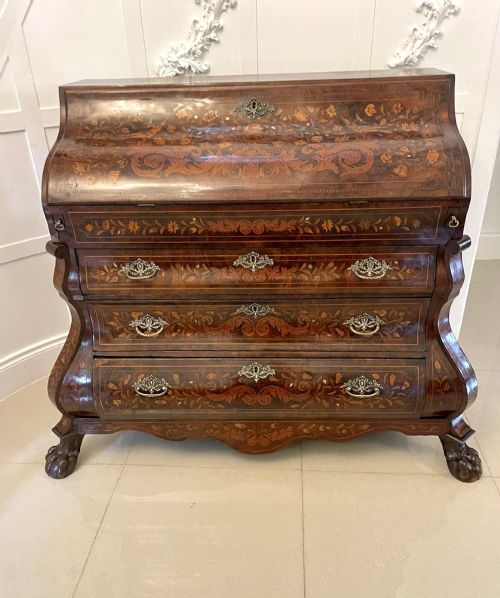
Cabinetmakers utilised hardwoods such as mahogany, oak, and walnut, frequently selecting figured veneers and burr walnut for decorative effect. Inlays of satinwood and floral marquetry add ornamentation to select panels.
Brass hardware, including bracket feet, handles, and escutcheons, secures the structural joints and drawers. Leather inserts occasionally line the interior writing surfaces.
Secret compartments hidden within the stepped interior pigeonholes provide a secure hiding place for family secrets.
Judging quality in these desks
The sophistication of the internal compartments separates standard examples from superior pieces. Fine items feature stepped pigeonholes, secret drawers, and complex small compartments hidden behind sliding panels.
Timber selection dictates overall visual appeal. Matched grain patterns, careful marquetry work, and figuration in walnut and flame mahogany indicate skilled craftsmanship.
Gillows·Heals of London
The Slant Front Writing Bureau Glossary
- Slant front
- The angled hinged flap that closes to conceal the writing desk interior. It serves as a flat writing surface when lowered.
- Bureau bookcase
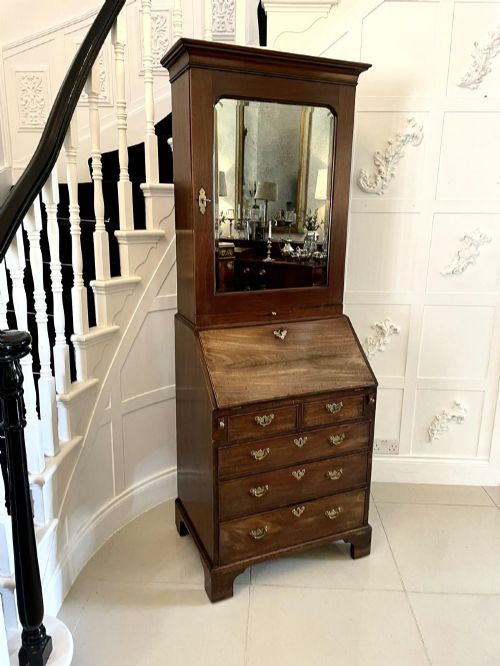
- A piece combining a lower writing bureau with an upper glazed shelving cabinet. These tall units provide dual storage and display functions.
- Bombe
- A swelling, convex curved profile found on the front and sides of certain continental pieces. This shaped outline requires advanced woodworking skill.
- Bracket foot
- A simple architectural foot supporting the corners of the case. It often takes a shaped or ogee profile.
- Marquetry
- Decorative veneer patterns formed from pieces of various woods. Floral and geometric designs are inlaid into the primary surface.
Slant Front Writing Bureau: Frequently Asked Questions
What is a slant front writing bureau?
A slant front writing bureau is a desk featuring a hinged board that tilts outward to provide a flat writing surface. Inside, it contains small drawers and pigeonholes for letters and stationery.
Beneath the writing flap, standard drawer configurations provide storage for household papers and ledgers.
How do I date an oak bureau?
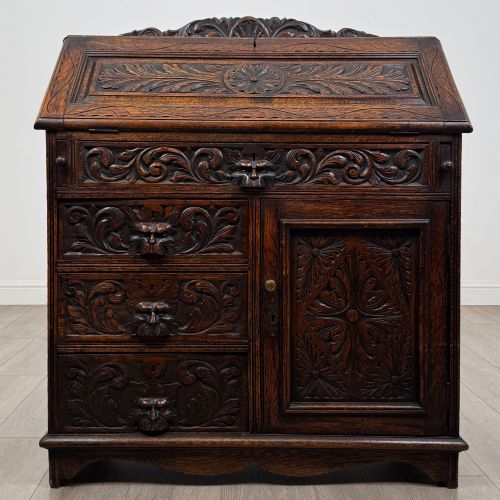
Dating relies upon construction methods, hardware styles, and timber choices seen across different centuries. Seventeenth and early eighteenth-century pieces often display heavy oak framing and panel construction.
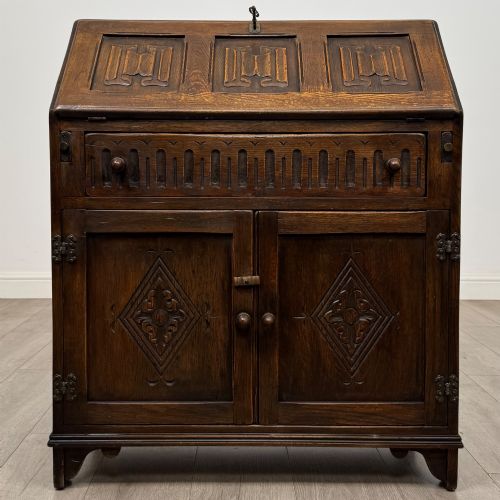
Later Edwardian and 1920s interpretations utilise machine-sawn timbers and different decorative motifs like linenfold carving.
What is a bureau bookcase?
A bureau bookcase combines a slant front desk base with an upper cabinet enclosed by glass doors. This tall form served as a dual-purpose piece for reading and writing.
Bookcase sections typically house adjustable shelving for library storage.
Where were these desks placed?
These desks served as private workspaces in principal rooms such as studies, libraries, and bedrooms. Their enclosed writing surfaces kept correspondence private when the flap was locked shut.
Compact proportions allowed them to fit into domestic spaces without overwhelming the room.