


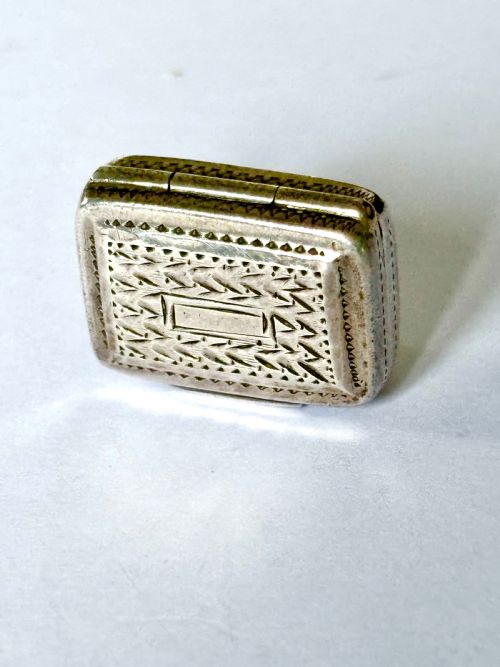

Silver Vinaigrette Box
When you search for a silver vinaigrette box, you are looking at small portable containers designed to hold a sponge soaked in aromatic vinegar.
Silver Vinaigrette Box
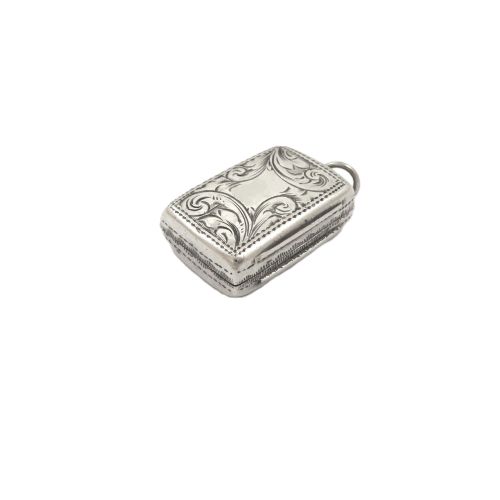
A silver vinaigrette box is a pocket-sized receptacle engineered to mask unpleasant odours through a perforated internal grille that releases scented vinegar. These delicate objects date primarily from the Georgian and Victorian periods, reflecting an era when portable deodorisers were social necessities.
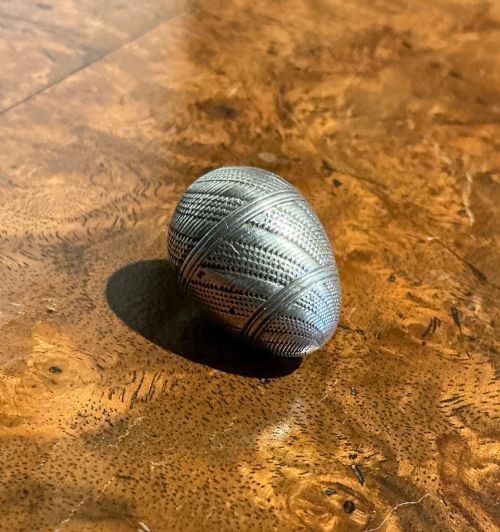
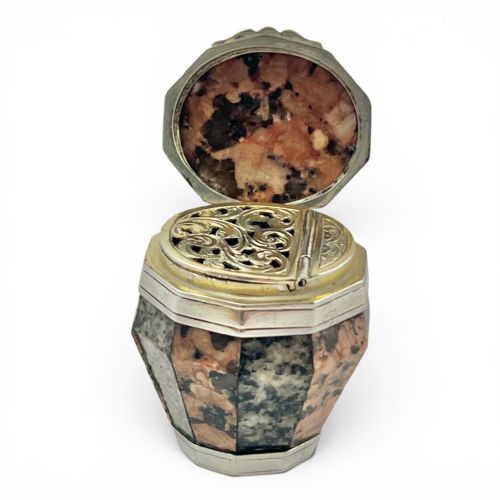
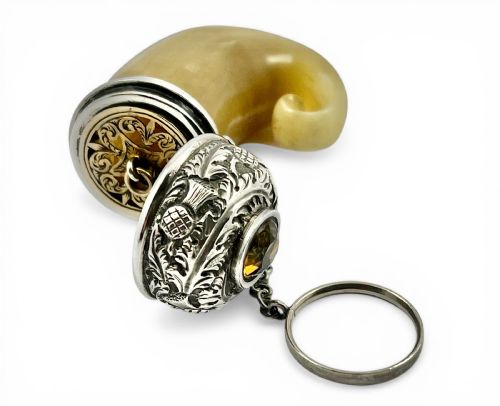
Collectors encounter numerous geometric forms alongside naturalistic novelty shapes such as walnuts, eggs, fish, and barrels. Many examples originate from Birmingham silversmiths, while others incorporate Scottish granite, agate, horn, or enamel panels into the metal frame.
How they were made
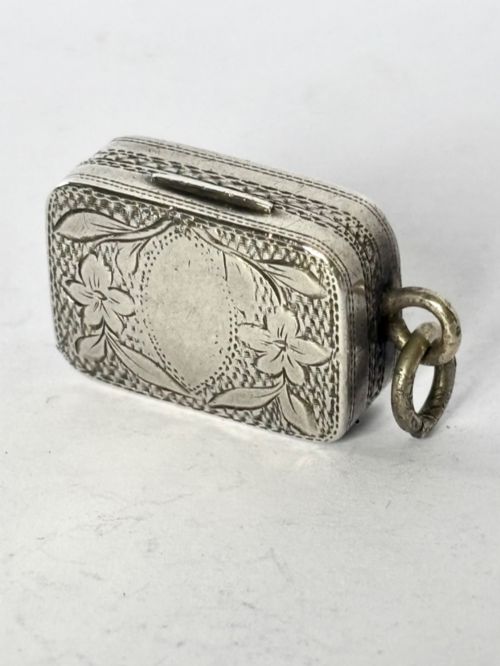
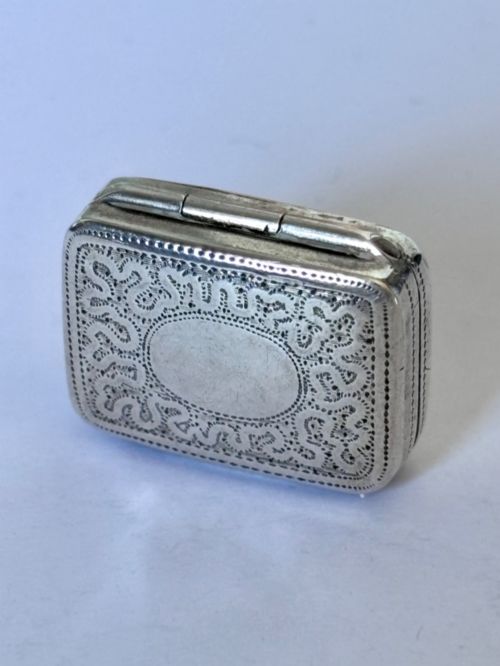
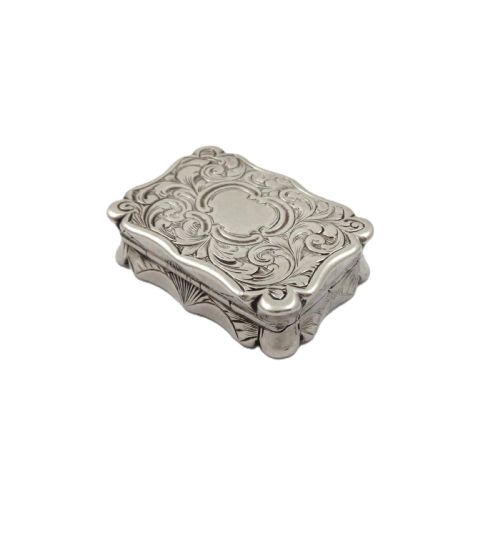
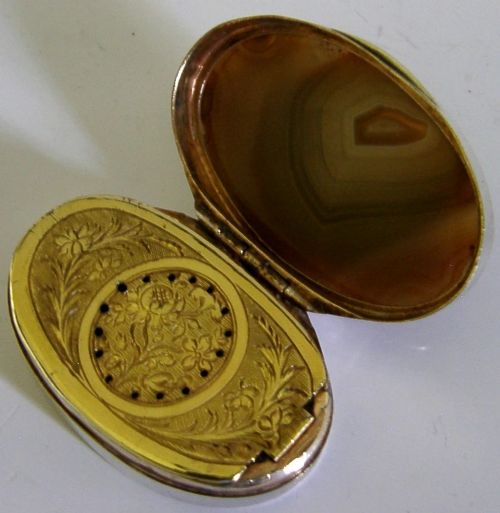
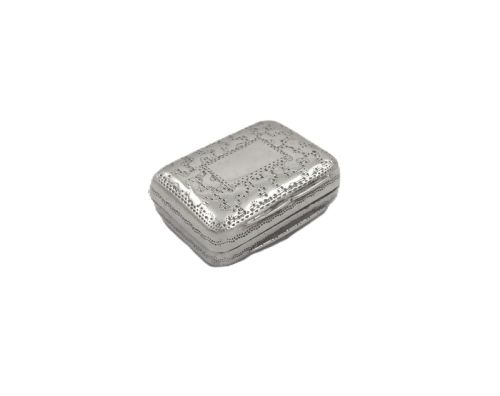
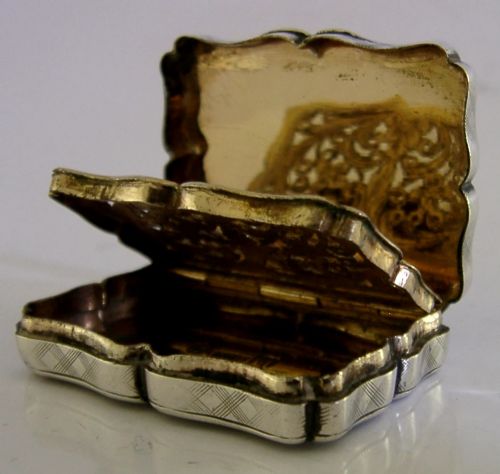
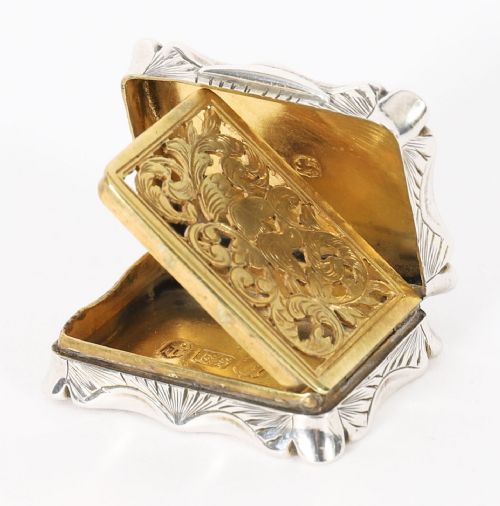
Makers fashioned these pieces from sterling silver, frequently applying gold gilt to the interior surfaces to protect the metal from the corrosive acetic acid of the sponge. Exterior decoration relied on bright-cut engraving, cast relief details, and engine-turned patterns.
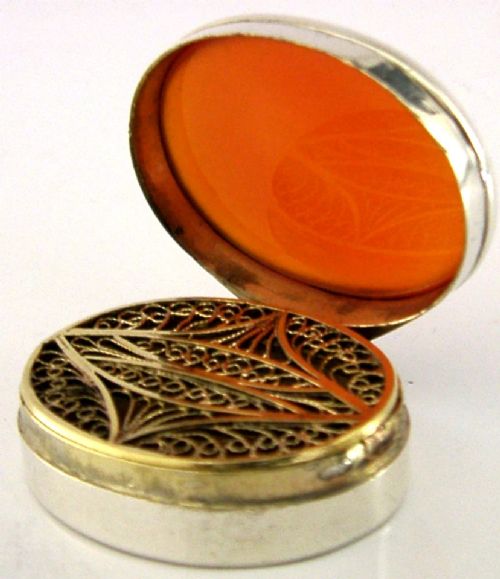
The defining internal feature is a hinged or sliding grille, pierced and engraved with floral, geometric, or heraldic motifs. Natural hardstones such as agate and citrine were sliced and bevelled to fit flush into the lid or base mounts.
Silver Vinaigrette Box Retail Price Guide 2026
Typical asking prices for silver vinaigrette box among the pieces listed under this phrase on Sellingantiques today, from the lower quarter to the upper quarter. They describe what is for sale here now, not the wider market.
What varies in quality
Quality rests heavily on the crispness of the piercing within the internal grille and the tightness of the box hinge. Finer pieces display meticulous hand-engraving and heavy gauge silver rather than thin, pressed sheet metal.
The presence of uncommon natural materials like coloured agate, or elaborate architectural decoration such as castle tops, elevates an item above standard production. Original fitted leather cases also add a layer of preservation that collectors value.
Samuel Pemberton·Thomas Johnson·Nathaniel Mills·Edward Smith·Samson Mordan·John Bettridge·Reily And Storer·Gervase Wheeler
The Silver Vinaigrette Box Glossary
- Vinaigrette
- A small hinged box containing a perforated grill and a sponge soaked in vinegar for masking foul odours. These portable containers were essential personal accessories during the eighteenth and nineteenth centuries.
- Silver Gilt
- Sterling silver that has been coated with a thin layer of gold. This technique prevented the acidic vinegar from tarnishing and corroding the interior of the box.
- Bright-Cut Engraving
- A surface decoration technique using faceted cuts to create geometric patterns that reflect light. It was widely employed by Georgian silversmiths on small boxes.
- Castle Top
- A specialised relief-engraved or cast lid depicting a recognizable building or landmark. These pictorial scenes represent peak craftsmanship among Victorian makers.
- Grille
- The internal pierced plate that sits above the vinegar-soaked sponge. The perforations allowed aromatic vapours to escape while holding the sponge securely in place.
Silver Vinaigrette Box: Frequently Asked Questions
What is a silver vinaigrette box?
A silver vinaigrette box is a miniature pocket container designed to hold a sponge soaked in aromatic vinegar. These items were carried in pockets or reticules to help individuals cope with unpleasant street smells.
Most surviving examples feature a hinged outer lid and a secondary internal pierced grille. This clever double-lid design kept the damp sponge contained while allowing scented air to filter through.
How were vinaigrettes used?
Owners used these boxes by placing a vinegar-saturated sponge beneath the internal grille. When foul odours arose in crowded public spaces, the owner opened the outer lid to release the fragrance.
They functioned as personal deodorisers and medical safeguards against contagion in unhygienic environments. The miniature scale made them easy to operate discreetly with one hand.
How do you date a silver vinaigrette?
Dating relies on the hallmarks stamped into the silver, which typically include a maker's mark, a standard mark, a town mark, and a date letter. Comparing these official assay office stamps against historical records pinpoints the exact year of manufacture.
Stylistic shifts also help establish age, as bright-cut engraving dominates Georgian pieces while naturalistic novelty shapes and heavy cast motifs become prevalent during the Victorian era.
Are all vinaigrettes made of solid silver?
While the majority are sterling silver, many feature gold gilt interiors to protect the metal from vinegar corrosion. Some regional and novelty pieces incorporate base metals or gilt metal alongside silver components.
Additionally, many boxes integrate non-metal materials into their construction, including Scottish granite, cowrie shells, horn, and hardstones like agate.