
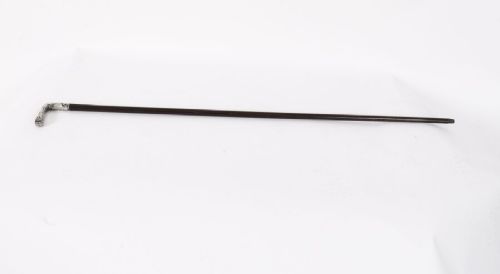
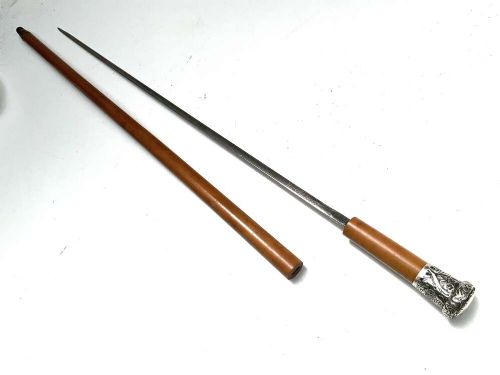

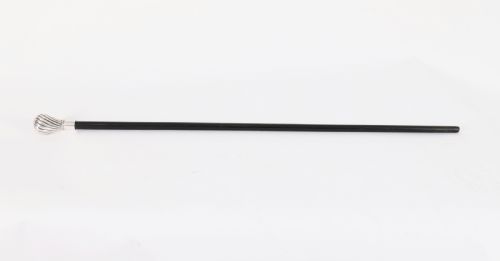


Silver Topped Cane
A silver topped cane is an elegant accessory combining metalwork and timber, prized by collectors for its craftsmanship and period style.
Understanding the Silver Topped Cane
A silver topped cane brings together a decorative metal handle and a slender wooden shaft, serving historically as both a support and a mark of social standing. These pieces appear frequently from the nineteenth century, including Victorian and Edwardian examples alongside continental French designs.
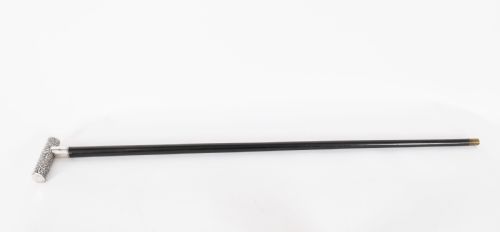
The items listed on this page encompass standard walking sticks alongside specialised forms such as sword sticks and watch walking sticks. Shaft materials vary from malacca and ebonised wood to palm wood, paired with handles fashioned from silver, sterling silver, or brass.
Origin points span English and French workshops, with distinct styles ranging from nineteenth century traditional work to French Belle Epoque and Art Nouveau movements. Buyers encounter both plain and engraved handles, occasionally featuring exotic or chalcedony details.
Materials and Construction
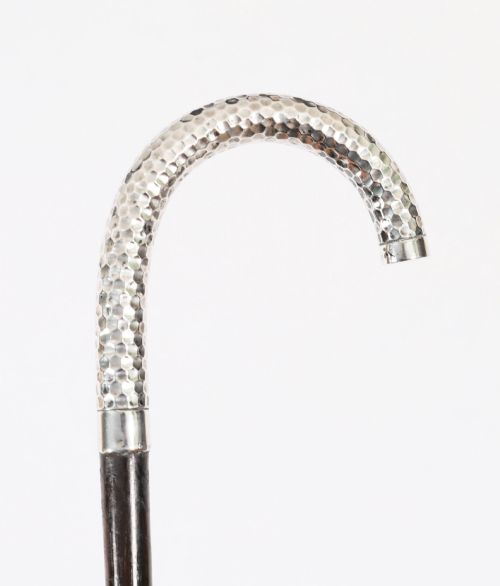
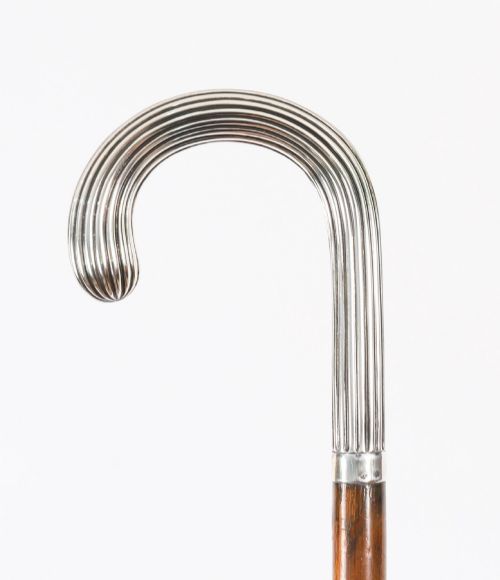
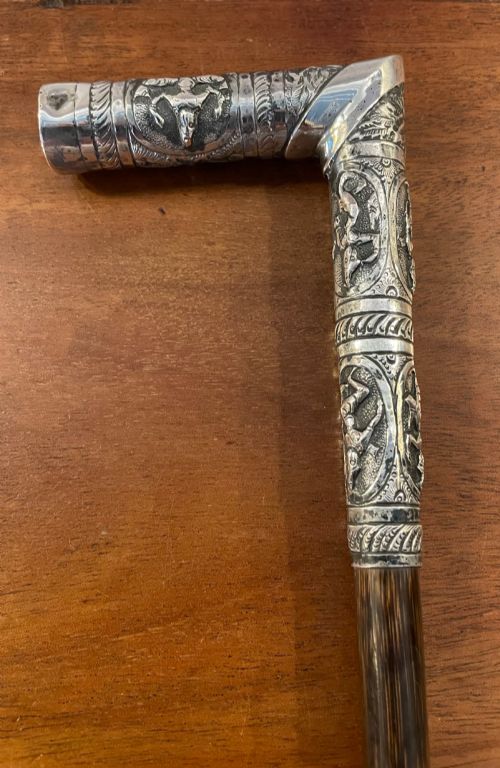
Handles are formed from silver or sterling silver, often shaped as hand grips or round tops, and secured to timber shafts. Metals are frequently embossed, chased, or engraved with decorative motifs.
Shafts rely on resilient woods such as malacca, palm wood, and ebonised wood to provide durability and flexibility. Some examples incorporate internal steel blades or watch mechanisms within the wooden structure.
Retail Price Guide 2026
Typical UK retail prices for silver topped cane, calculated from the Sellingantiques database of over a million retail prices indexed since 2003. This retail price guide relies exclusively on Sellingantiques data; no external sources or auction records are used, so the figures do not describe the wider market.
The inventory records silver topped cane examples featuring malacca, palm wood, and ebonised wood shafts.
Markers of Quality
Quality rests in the weight and thickness of the silver handle, together with the crispness of any engraved or chased decoration. Hallmark presence provides clear dating and origin.
The choice and straightness of the timber shaft dictate overall balance and desirability, particularly with premium materials like malacca or palm wood. Integrated mechanical elements like watch movements or concealed blades require superior internal engineering.
The Silver Topped Cane Glossary
- Malacca
- A sturdy rattan cane imported from Southeast Asia, prized for its mottled brown finish and strength. It forms the preferred shaft material for many nineteenth century walking sticks.
- Hallmark
- An official stamp applied to precious metals indicating purity, maker, and assay office. English silver pieces often bear these marks for precise dating.
- Ebonised wood
- Timber treated to resemble ebony through staining and polishing. It offers a smooth, deep black finish popular on Victorian walking sticks.
- Sword stick
- A walking cane containing a concealed steel blade within the wooden shaft. These dual-purpose items combined personal defence with daily attire.
- Chalcedony
- A microcrystalline variety of quartz occasionally used for decorative handle inserts. Its translucent quality adds colour and texture to the top of the cane.
Frequently Asked Questions
How do I date a silver topped cane?
Dating relies on reading silver hallmarks for specific assay years or recognising stylistic indicators such as Victorian and Edwardian design traits.
Maker marks and registration numbers stamped on the metal mounts provide further clues to the exact period of production.
What woods are used for shafts?
Common shaft timbers include malacca, palm wood, and ebonised wood, chosen for their resilience and distinctive grain patterns.
Each material offers a different weight and flexibility, contributing to the overall balance of the cane.
Are sword sticks legal to own?
Ownership regulations for concealed blade items vary by jurisdiction, so buyers must check local laws regarding antique weapons.
Historically, gentlemen carried these combination pieces for personal security during the nineteenth century.
How should I clean a silver handle?
Gentle dusting with a soft cloth preserves the antique finish without stripping the original patina from the metal.
Harsh metal polishes should be avoided, especially around engraved details or mounted stones.