


Silver Plated Beer Tankard
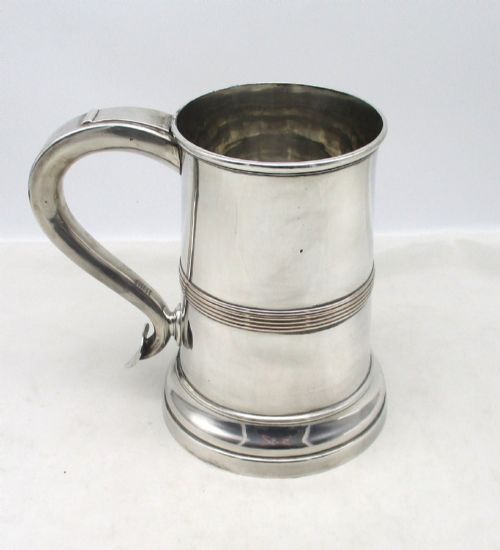
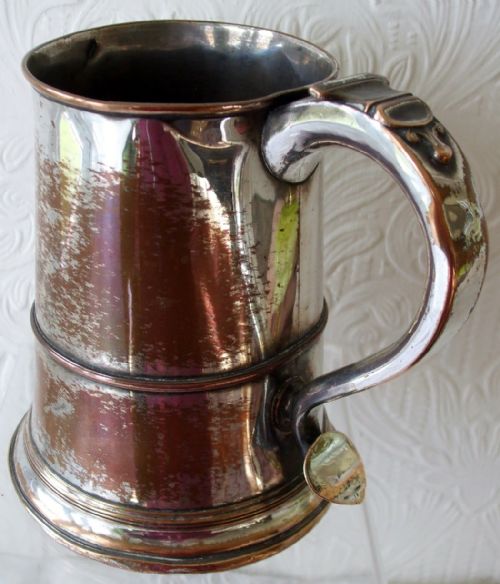
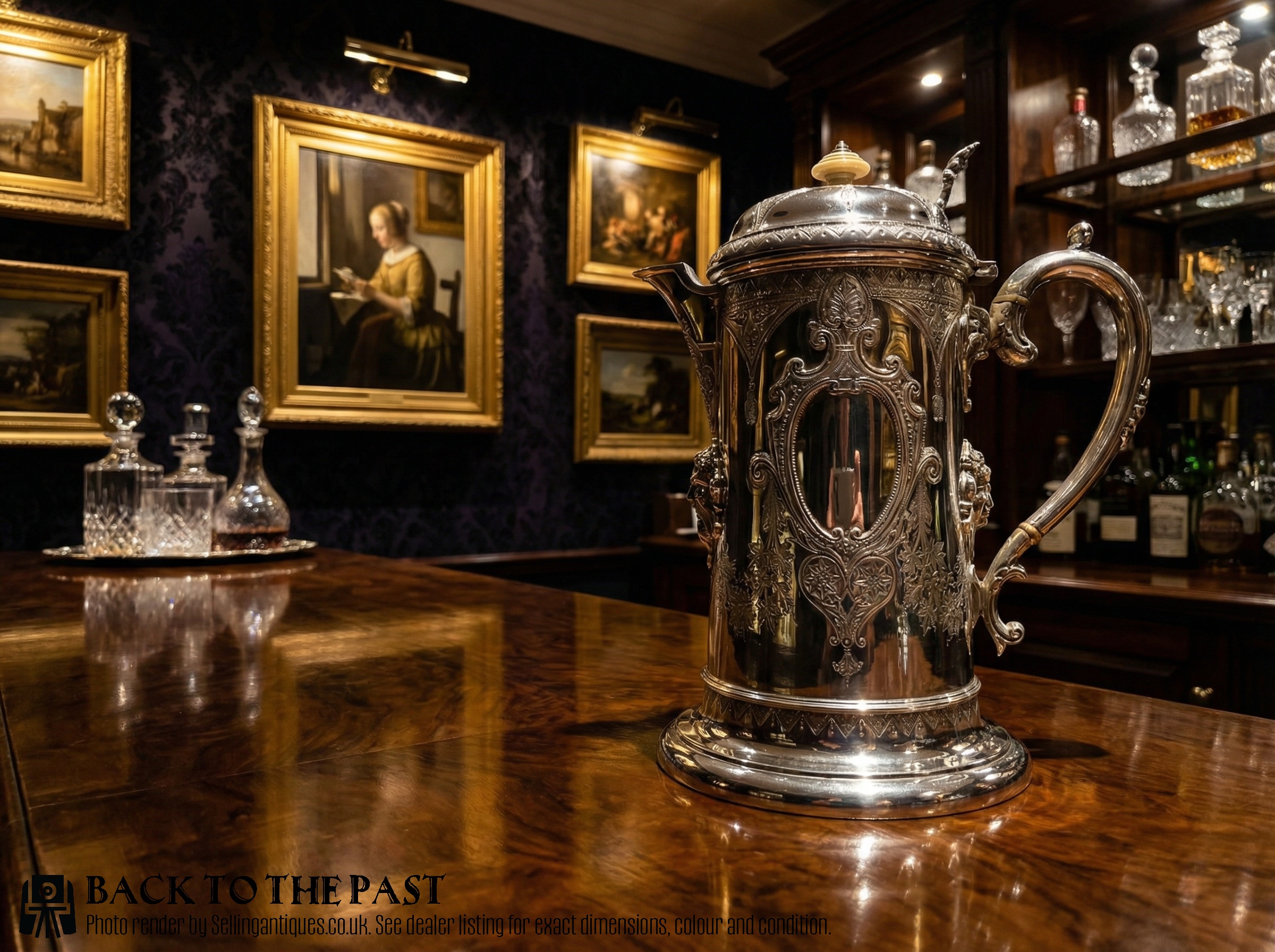
These silver plated beer tankard examples are robust drinking vessels crafted in copper, silver plate and Old Sheffield Plate from the eighteenth and nineteenth centuries.
Silver Plated Beer Tankard
A silver plated beer tankard represents a sturdy tradition of domestic and tavern drinking vessel production spanning the Georgian, Victorian and Edwardian eras. These pieces range from pint and quart tankards to larger beer jugs and lidded vessels designed for practical daily use.
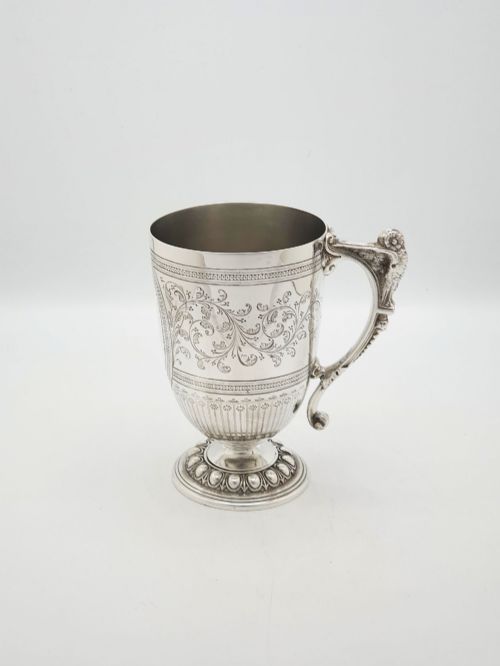
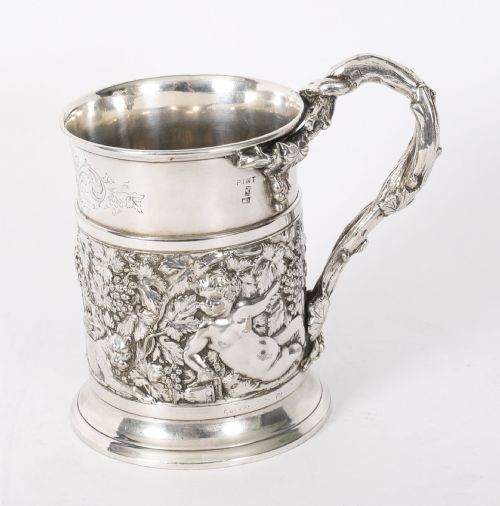
The most common discoveries on this page date from the late eighteenth century into the nineteenth century, often utilising Old Sheffield Plate or later electroplating methods. Buyers encounter simple mugs alongside elaborate embossed and engraved pieces featuring glass bottoms or figural handles.
Materials and construction methods
Makers fused a thin layer of silver to a copper base, particularly in Old Sheffield Plate items created around the turn of the nineteenth century. This technique required precise heat management to bond the metals before forming the cylindrical body of the vessel.
Later Victorian workshops turned to electroplated nickel silver and standard silver plate over base metals, applying surface decoration through embossing and engraving. Handles and lids were cast separately and soldered into place, with certain vessels incorporating glass inserts.
Assessing quality in historical drinking vessels
Quality rests upon the preservation of the original plating layer and the crispness of any embossed or engraved ornamentation. Early Old Sheffield Plate pieces display a distinct warmth where the underlying copper shows subtly through wear at the edges.
Construction weight and the balance of the handle dictate the tactile merit of a vessel. Superior examples exhibit clean soldering joints, sturdy hinges on lidded variants, and clear early marks from known makers.
G R Collis·Richard Morton
The Silver Plated Beer Tankard Glossary
- Old Sheffield Plate
- A fused composite material made by heating a sheet of silver and a sheet of copper together until they bonded. This technique preceded modern electroplating.
- Electroplated Nickel Silver
- A base metal alloy of copper, nickel and zinc coated with a layer of silver via an electrical current. This method became widespread during the nineteenth century.
- Quart Tankard
- A large drinking vessel holding a full quart of liquid, frequently fitted with a hinged lid. These pieces served communal drinking needs in domestic and public spaces.
- Glass Bottom
- A transparent insert fitted into the base of a tankard. This feature allowed drinkers to see their surroundings while holding the vessel.
- Queen Anne Revival
- A design style drawing inspiration from the early eighteenth century, characterised by clean proportions and smooth curved surfaces.
Silver Plated Beer Tankard: Frequently Asked Questions
How do I clean a silver plated beer tankard?
Wash the vessel gently using warm water and a mild dish soap with a soft cloth. Avoid abrasive pastes or harsh chemical dips that strip the historical plating layer.
Dry the metal thoroughly with a soft towel to prevent water spots. Regular gentle dusting maintains the natural lustre of the silver surface.
Can I still drink beer from these tankards?
Most historical vessels remain structurally sound for holding cold beverages like beer or cider. Ensure the interior surface is clean and check that any soldered joints hold liquid without leaking.
Old Sheffield Plate pieces with heavy wear on the interior base should be used with caution. Many collectors prefer to display these items rather than use them daily.
What is the difference between Old Sheffield Plate and silver plate?
Old Sheffield Plate involves physically fusing a sheet of silver to a copper block through heat and pressure before rolling it into sheets. This creates a distinct material structure compared to later methods.
Standard silver plate relies on an electrical current to deposit a coating of pure silver onto a base metal such as nickel silver or copper.
How do I identify a Georgian tankard?
Georgian pieces typically display simpler, heavier forms with minimal surface decoration, often relying on the quality of the Old Sheffield Plate itself. Look for proportions common to the late eighteenth and early nineteenth centuries.
Handle shapes and baseline proportions offer clues to the manufacturing period. Early makers stamps near the rim can also verify the date of origin.