

Vintage Silver Plated Server
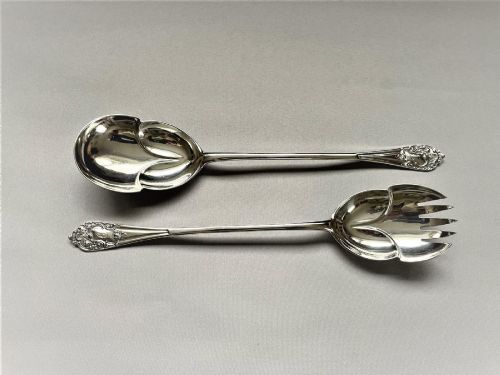
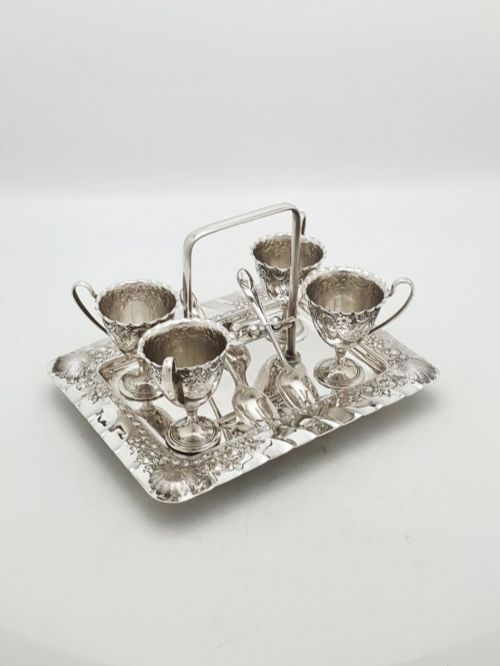
A vintage silver plated server brings formal dining history to the modern table through functional serving dishes, trays and utensils.
Vintage Silver Plated Server
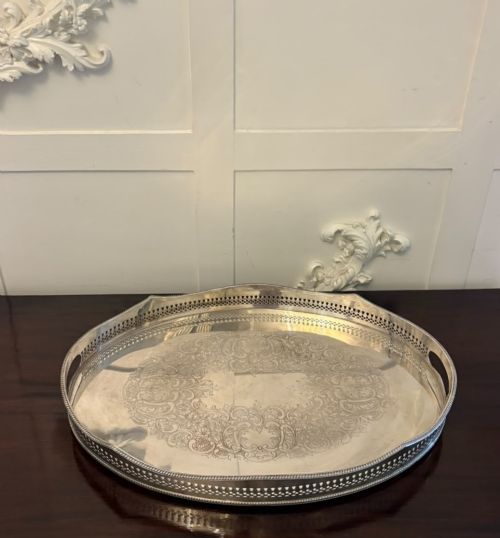
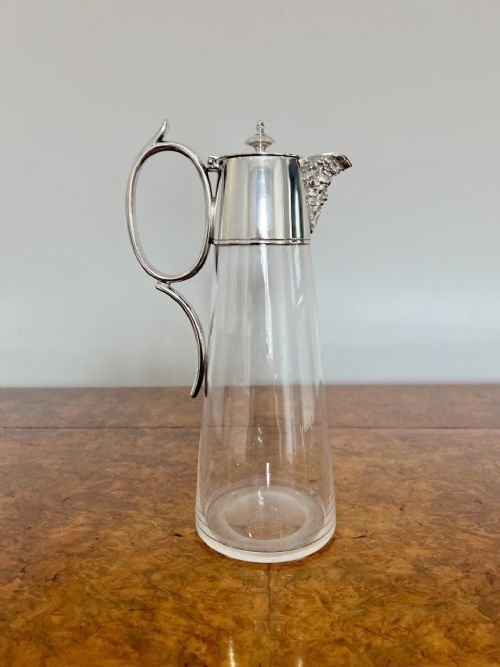
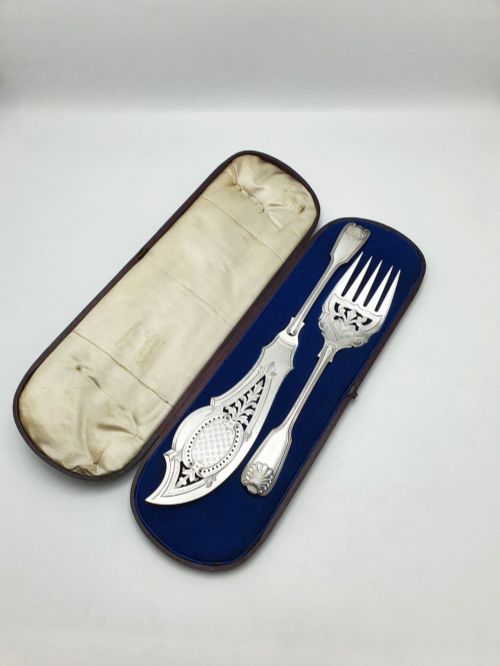
A vintage silver plated server encompasses a wide variety of dining table accessories and serving utensils produced across the nineteenth and twentieth centuries. The selection available ranges from Edwardian entree dishes and tea services to Victorian fish servers, claret jugs and complex cruet sets.
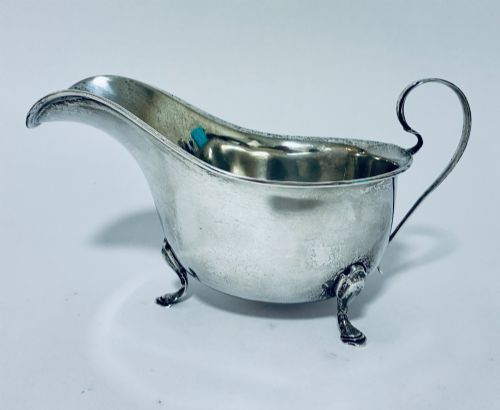
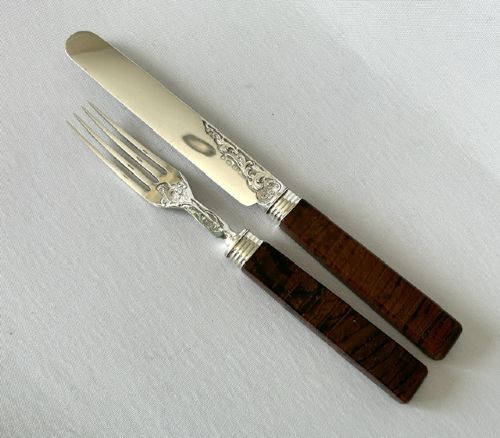
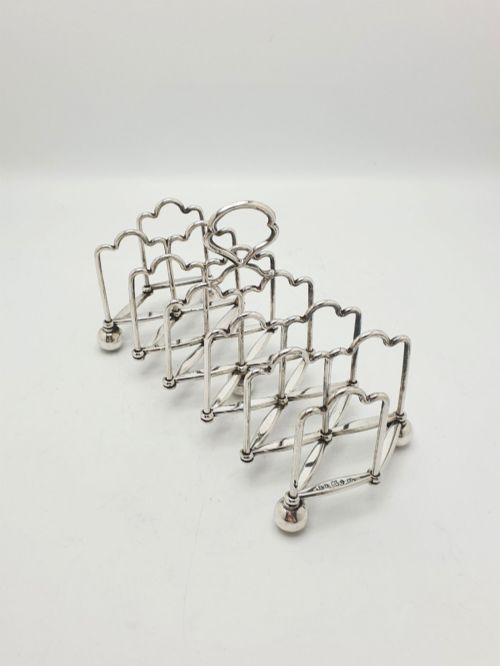
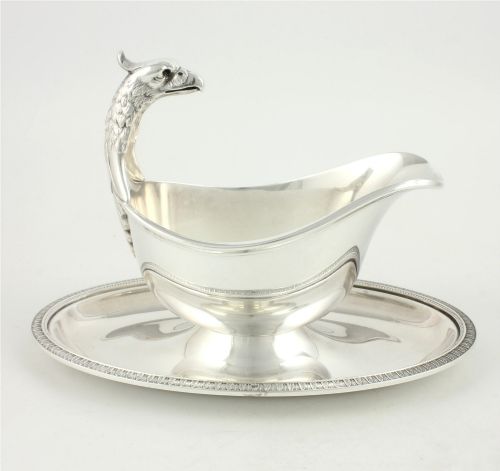
Buyers encountering this search phrase find functional tableware originally designed for carving, portioning or presenting food and drink. Common forms include toast racks, sauce boats, butter dishes, tea urns and specialised cutlery such as fish serving knives and forks.
Examples stem from multiple distinct design periods including the Victorian, Edwardian and Art Deco eras, with occasional Georgian and older items represented. The construction utilises base metals covered in a layer of silver, combining the visual appeal of solid silver with practical durability.
How they were made
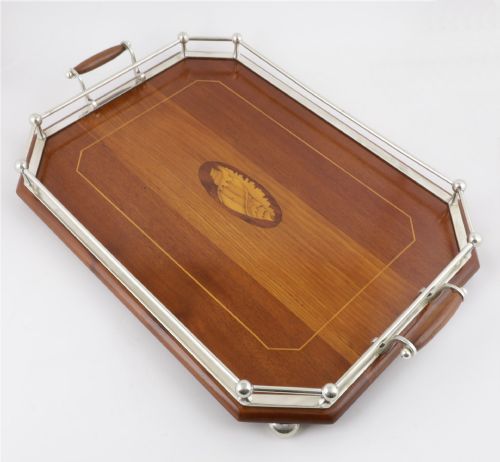
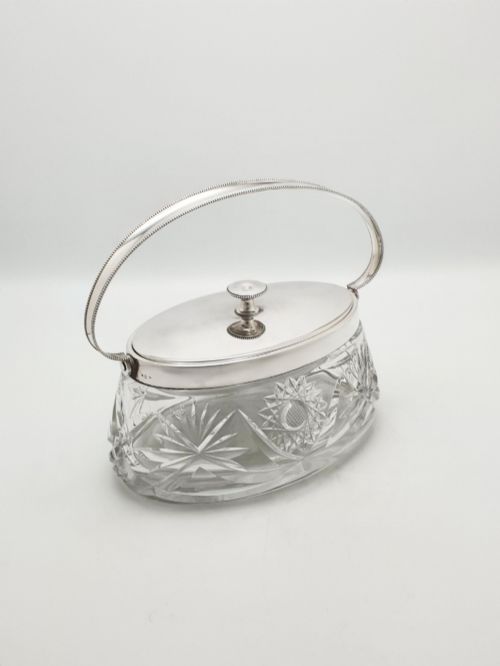
Makers formed the body of these serving pieces from base metals such as nickel silver, copper, or Britannia metal, applying silver through electroplating or older techniques like Old Sheffield plating. Many hollowware items incorporated fitted glass inserts, cut crystal, ceramic bodies or wooden elements like oak galleries.
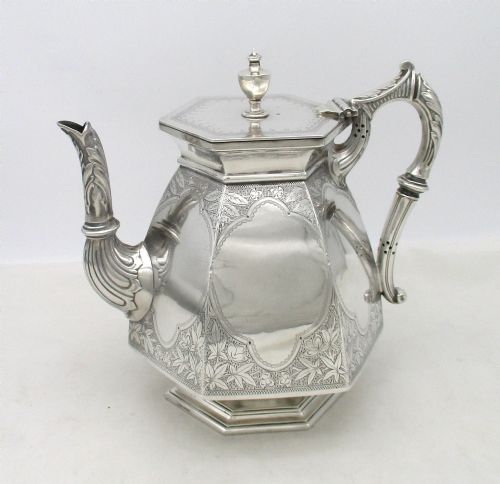
Surface decoration relied on hand-engraving, embossing, piercing and applied decorative borders, often reflecting prevailing design movements like Art Nouveau, Aesthetic Movement or Sheraton Revival. Handles frequently integrated organic materials including bone, antler and ivory, or utilised cast metal with ornate scrollwork.
Listings span from the 19th century through the Art Deco period, incorporating glass, wood, ceramics and silver plate.
What varies in quality
The standard of production depends heavily on the thickness of the applied silver layer and the crispness of the chased or engraved decorative detailing. Heavier gauge base metals provide greater physical rigidity to large serving trays and entree dishes, preventing warping over decades of use.
Makers known for superior output invested heavily in robust hinges for revolving lidded dishes, secure glass fittings, and well-balanced handles. The distinction between standard commercial production and premier manufacturing shows in the depth of engraving and the precise alignment of fitted components.
Roberts Cadman·Mappin And Webb·Elkington·Christofle Gallia·WMF·Padley Parkin·Roberts And Belk
The Vintage Silver Plated Server Glossary
- Silver Plate
- A method where a thin layer of pure silver is bonded to a base metal substrate.
- EPNS
- Electroplated Nickel Silver, a common alloy base used beneath the silver coating in nineteenth and twentieth-century tableware.
- Old Sheffield Plate
- An older manufacturing technique fusing a sheet of silver to a copper core before shaping the item.
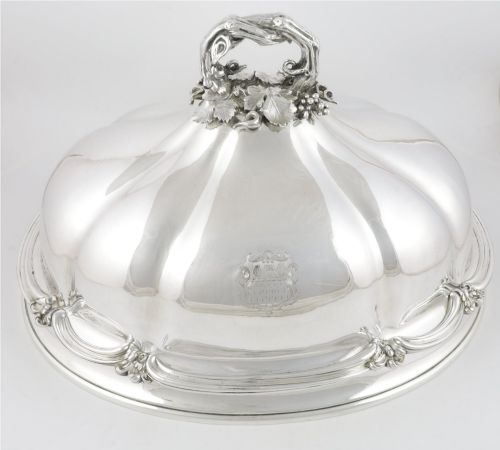
- Entree Dish
- A lidded serving vessel used at the dining table for presenting main courses or side dishes.
- Cruet Set
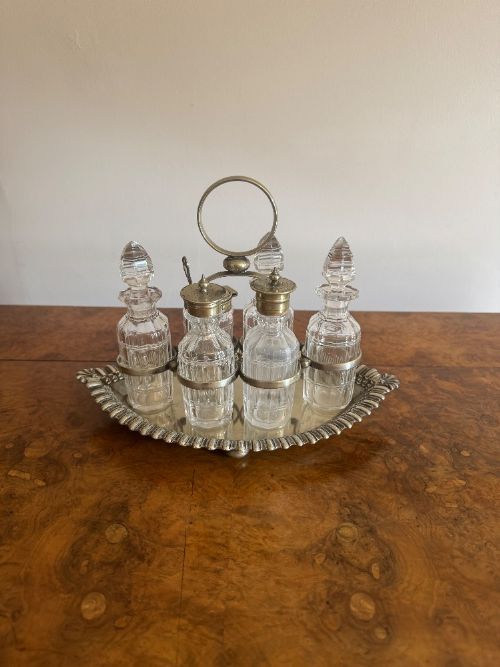
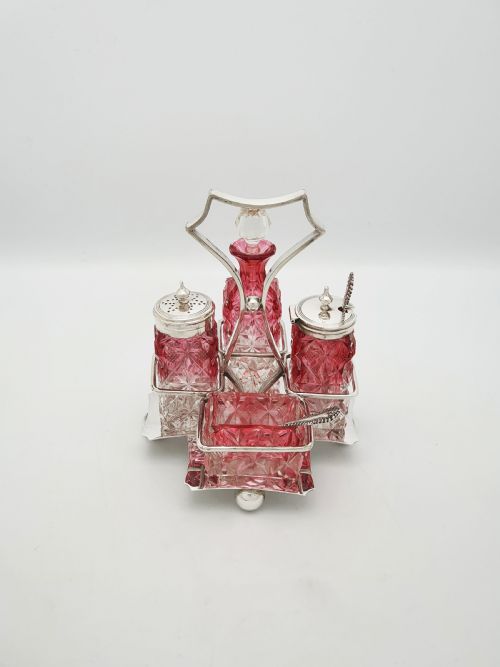
- A matched collection of bottles, jars or castors held in a stand for condiments, oil, vinegar or eggs.
- Claret Jug
- A specialised pouring vessel featuring a glass body with a metal mount, handle and hinged lid.
Vintage Silver Plated Server: Frequently Asked Questions
What is a silver plated server used for?
These items serve specific roles in food and drink presentation, ranging from portioning fish and cake to holding condiments or hot dishes at the table.
Many pieces were designed for formal dining rituals, such as cruet sets for eggs or sauces and claret jugs for serving wine.
How do I care for silver plated tableware?
Gentle cleaning with appropriate silver care products preserves the thin metal coating without wearing through to the base metal underneath.
Store items away from damp environments and avoid harsh abrasives that can permanently damage engraved surface details.
How do I identify the period of a serving piece?
Stylistic indicators such as Aesthetic Movement geometry, Art Nouveau curves or Edwardian embossing provide clear clues to the manufacturing decade.
Maker marks, registry stamps and structural materials like cut glass or oak also help narrow down the production era.
Are these items safe to use for food?
Most serving dishes, trays and cutlery remain entirely functional for modern dining provided the silver coating is intact.
Items with delicate mechanisms, such as revolving butter dishes or internal warming chambers, require careful handling during use.