





Silver Metal Ale Mug
These silver metal ale mug examples are drinking vessels built for hearty toasts, offering sturdy Georgian and Victorian charm for your table.
Silver Metal Ale Mug
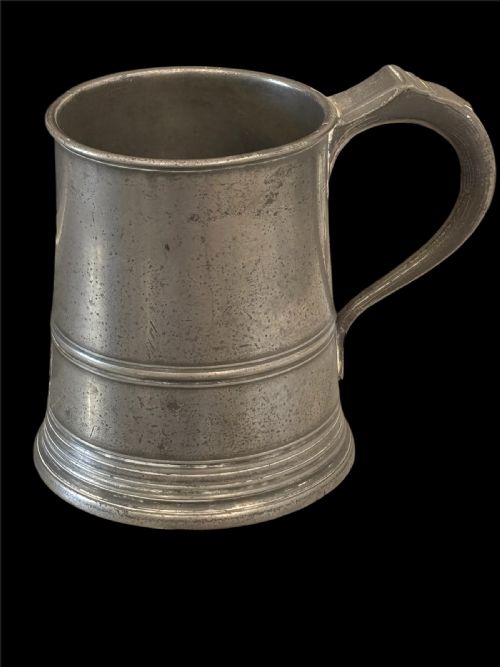
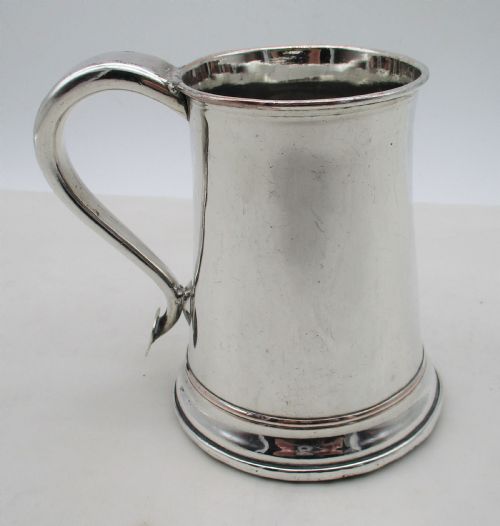
When you search for a silver metal ale mug, you encounter solid pewter and plated drinking vessels designed for traditional taverns and homes. The selection on this page leans heavily towards Old Sheffield Plated tankards and traditional pewter mugs from the Georgian and Victorian eras.
Most items you meet here take the form of sturdy pint and quart tankards. These robust vessels served ale daily in past centuries, carrying the weight of British social history in their heavy walls and simple handles.
How they were made
Many of these pieces utilise Old Sheffield Plate, a technique fusing a thin layer of silver onto a copper base. This method produced durable vessels that imitated solid silver at a fraction of the cost.
Other examples consist of pewter, a malleable metal alloy cast into thick moulds and finished by hand. Makers shaped these materials into functional tankards designed to withstand heavy daily use.
Tankards were built so solidly in the Georgian era that they doubled effectively as blunt instruments during tavern disputes.
What varies in quality
The distinction between standard tavern ware and finer vessels lies in the crispness of the handle attachment and the thickness of the metal. Better examples display clean soldered joints and balanced proportions that feel substantial in the hand.
The preservation of the plated surface determines the visual character of Old Sheffield pieces. Uniform coverage without excessive wear through to the underlying copper marks a superior specimen.
Richard Morton·Watts and Harton
The Silver Metal Ale Mug Glossary
- Old Sheffield Plate
- A composite metal formed by fusing silver to a copper ingot. This early plating method created rich, layered surfaces before electroplating became common.
- Pewter
- A durable metal alloy of tin mixed with copper and antimony. It was cast to create practical household vessels with a soft, grey lustre.
- Quart
- A traditional measure of volume equivalent to two pints. Quart tankards are substantially larger and heavier than standard drinking vessels.
- Tankard
- A tall, cylindrical drinking vessel typically featuring a single scroll handle. Many historical examples include hinged lids, though open forms are also common.
Silver Metal Ale Mug: Frequently Asked Questions
What is a silver metal ale mug?
A silver metal ale mug is a historical drinking vessel typically fashioned from pewter or Old Sheffield Plate. These sturdy tankards served ale in domestic and public settings during the eighteenth and nineteenth centuries.
They combine practical utility with traditional metalworking craftsmanship. Collectors prize them for their connection to historical dining customs and their robust aesthetic.
How do I clean my tankard?
Cleaning requires mild soap and warm water with a soft cloth to preserve the historical surface. Avoid harsh abrasive polishes that can strip thin plating or damage soft pewter.
Dry the vessel thoroughly after washing to prevent spotting. Proper maintenance keeps the metal stable and maintains its natural appearance over decades of display.
Are these pieces safe for drinking?
Many historical pewter and plated vessels contain traces of lead or show worn surfaces from centuries of use. Modern usage is generally discouraged for antique drinking vessels.
Instead, these items serve best as decorative display pieces or handsome containers for dried flowers and desk implements. Enjoy their history visually rather than practically at the dining table.
How do I date a pewter tankard?
Dating relies on stylistic shifts in the handle shape, body profile, and maker marks stamped into the base. Earlier Georgian pieces often feature simpler, heavier forms than later Victorian examples.
Examining the construction methods underneath provides further clues to the manufacturing period. Subtle shifts in weight and solder techniques help distinguish eighteenth-century items from nineteenth-century work.