


Antique Sheffield Plated Hollowware
Antique sheffield plated hollowware pieces are fused copper and silver serving vessels offering genuine Georgian weight and period presence.
Antique Sheffield Plated Hollowware
When you search for antique sheffield plated hollowware, you encounter domestic vessels and serving pieces originating in the eighteenth and nineteenth centuries. These items date primarily from the Georgian, Regency, Grand Regency, and Victorian eras, spanning the eighteenth century through to the nineteenth century and the year eighteen hundred and forty-three.
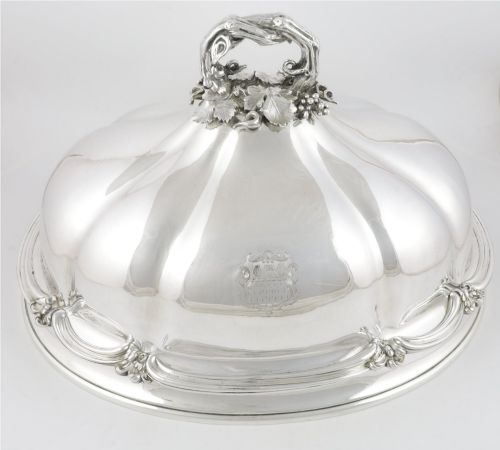
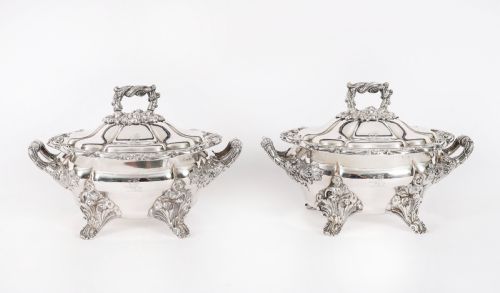
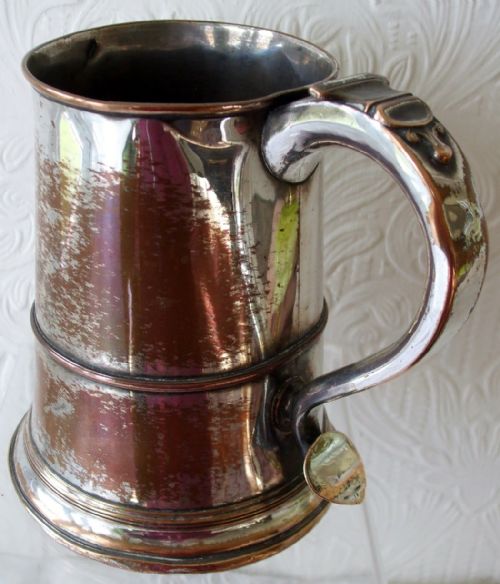
The forms on this page include coffee pots, meat domes, sauce tureens, mugs, tankards, communion chalices, gravy warmers or argyles, cake baskets, and sauce boats. These serveware items represent the practical dining and ceremonial vessels produced during the height of the Old Sheffield plate manufacturing period.
How they were made
Makers fused a thin sheet of silver to a thicker copper ingot through a process of heat and pressure before rolling the combined metals into sheets. This fused material, known as Old Sheffield plate, formed the basis for hollowware items such as coffee pots, meat domes, and tureens.
Workmen shaped the rolled metal plates into bodies and soldered on details such as mounts, handles, and shields, sometimes incorporating wood, bone, and gilding. Selected pieces exhibit the underlying copper where the outer silver layer has worn thin through decades of use and cleaning.
Listings feature items spanning the eighteenth and nineteenth centuries, including Georgian, Regency, and Victorian styles made from copper, silver plate, and Old Sheffield plate.
What varies in quality
The quality of antique sheffield plated hollowware rests on the crispness of the applied mounts and the degree of original silver remaining over the copper base. Items with intact decorative borders and minimal base metal exposure display superior preservation.
Form and utility also distinguish pieces, as complex vessels like argyles and meat domes require advanced silversmithing compared to simpler mugs and tankards. The balance of the form and the integrity of soldered joints determine the overall standard of each piece.
Roberts Cadman
The Antique Sheffield Plated Hollowware Glossary
- Old Sheffield plate
- A composite material made by fusing silver and copper together, invented in the eighteenth century. This technique preceded electroplating and produced distinctive layered metal sheets.
- Argyle
- A vessel designed to keep gravy warm at the table using an internal compartment for hot water. Also known as a gravy warmer, this form appears in eighteenth and early nineteenth century inventories.
- Meat dome
- A large, domed cover used to keep roasted joints warm on the serving table. These heavy pieces often feature substantial handles and decorative borders.
- Communion chalice
- A cup used for sacramental wine during church services. Examples in this category display specific ecclesiastical forms dated to the nineteenth century.
- Sauce tureen
- A covered serving dish intended for table sauces and gravies. They are frequently found in matching pairs from the Regency and Georgian periods.
Antique Sheffield Plated Hollowware: Frequently Asked Questions
What is old sheffield plate?
Old Sheffield plate is a fused combination of silver and copper created by heating and rolling the metals together. This method differs from later nineteenth-century electroplating by using a mechanical bond.
The resulting sheet metal allowed makers to produce hollowware with the appearance of solid silver at a lower cost. Over time, friction and polishing can reveal the reddish copper layer beneath the silver surface.
Are these pieces made of solid silver?
No, these items consist of a copper core fused with a thin layer of sterling silver. This manufacturing technique was standard before the invention of electroplating.
Examine the edges and wear points to observe the characteristic copper showing through the silver surface. This layering confirms the traditional Old Sheffield plate construction method.
How were gravy warmers used?
Gravy warmers, or argyles, were filled with hot water through a dedicated compartment to maintain sauce temperature during meals. They prevented gravy from congealing on the dining table before serving.
Servants brought these lidded vessels to the table alongside roasted meats. The internal channel kept the boiling water separate from the gravy while transferring heat effectively.
How can I date an item?
Dating relies on stylistic markers such as the Georgian, Regency, or Victorian forms, alongside construction details. Earlier pieces from the eighteenth century often feature different base metal edges and hand-formed joins compared to later nineteenth-century items.
Design motifs like gadroon borders, shell mounts, and handle shapes align with specific decades between eighteen hundred and eighteen forty-three.