


Silver Condiment Spoons
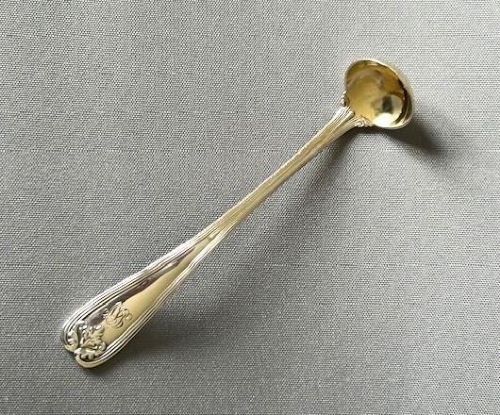
Silver condiment spoons are small, functional table implements designed for serving salt, mustard, and preserves, valued for their delicate form and tactile silver construction.
Silver Condiment Spoons
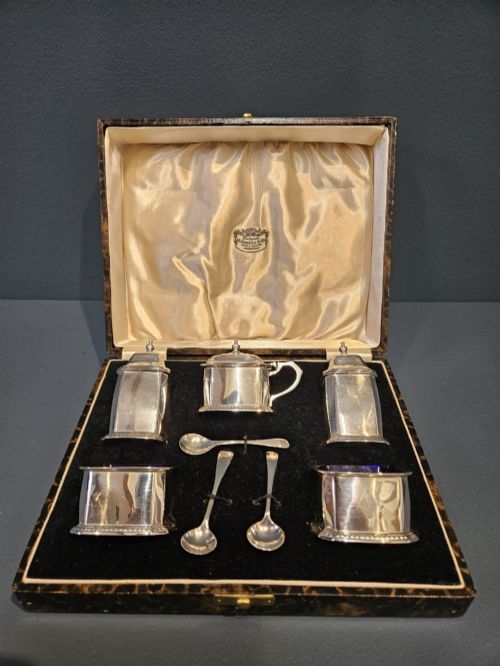
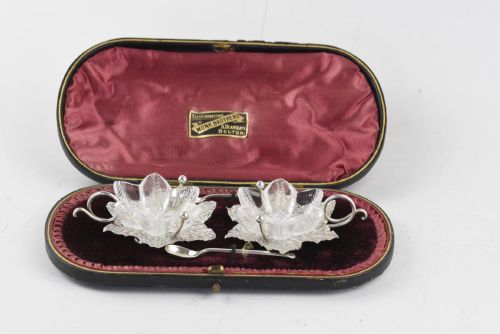
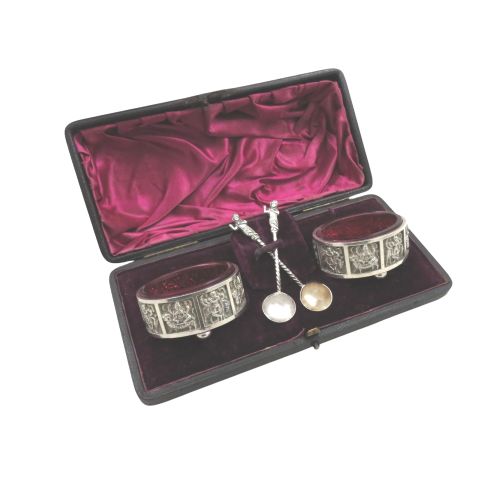
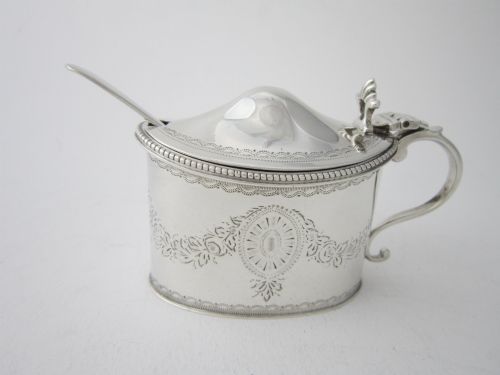
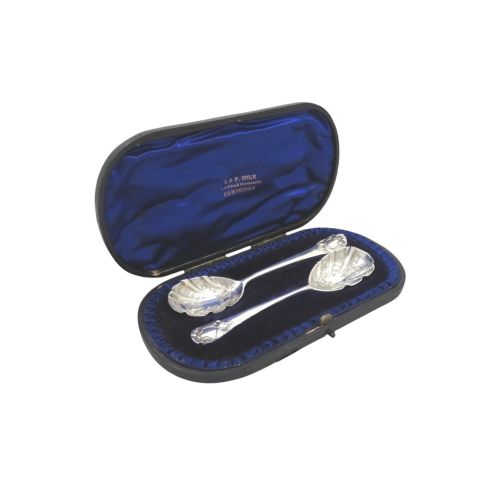
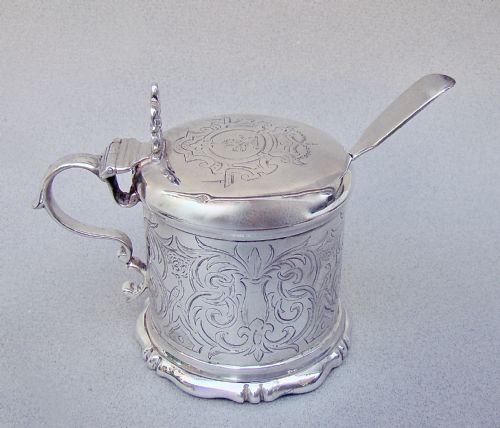
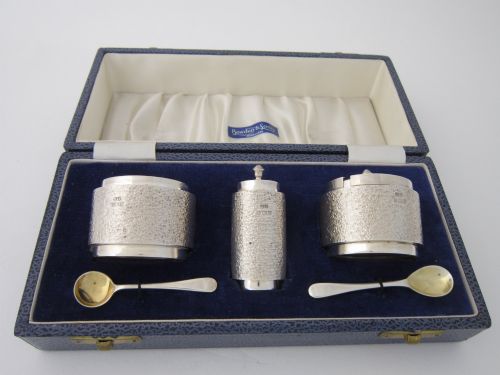
Silver condiment spoons form a specialised category of tableware created to accompany salt cellars, mustard pots, and jam jars on the dining table. When exploring this selection, buyers frequently encounter individual pieces, matched pairs, or matched sets housed within fitted presentation cases alongside glass liners.
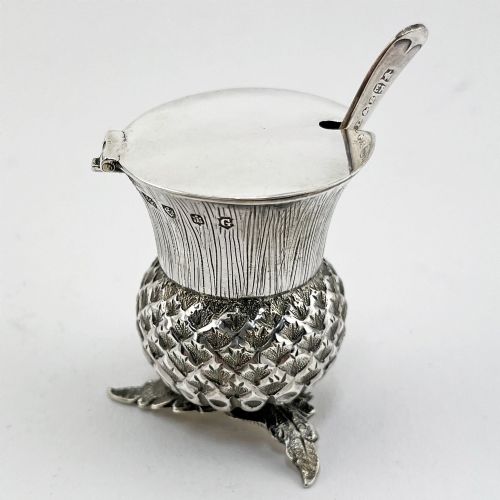
The objects span multiple periods, including the Victorian, Edwardian, and Art Deco eras, with George V and Georgian revival examples also appearing. Forms range from simple shovel bowls to figural designs shaped like birds, thistle heads, and trailing vines.
Originating predominantly from British workshops and silversmiths, these small spoons reflect the changing domestic dining habits of the nineteenth and twentieth centuries. They frequently incorporate regional assay office marks, such as those from London, Chester, Exeter, and Newcastle.
Materials and methods
The primary material across these listings is sterling silver, supplemented by silver plate and occasional silver gilt finishes. Metalworking techniques involve casting, piercing, and hand-hammering, which allow silversmiths to produce intricate patterns like the Onslow and Colonial styles.
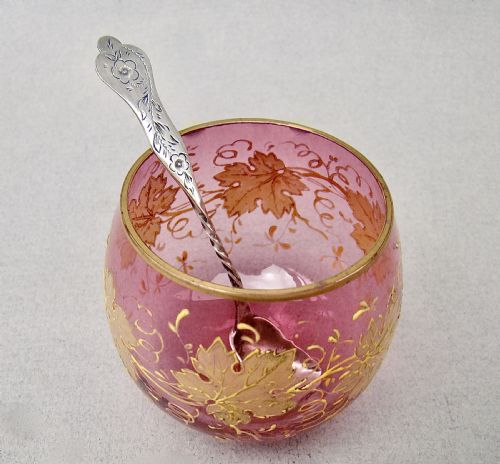
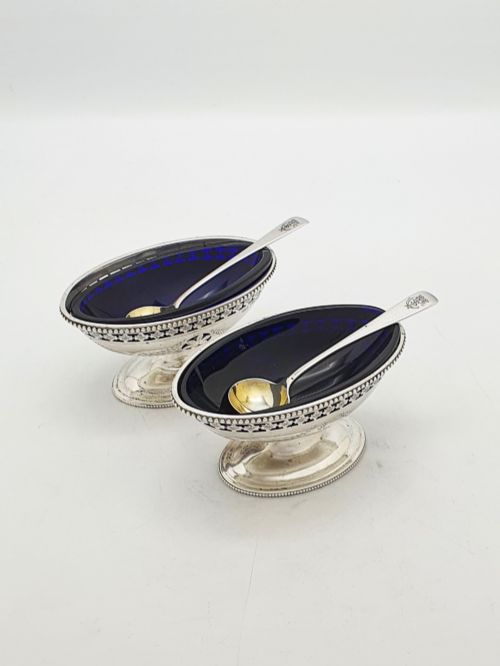
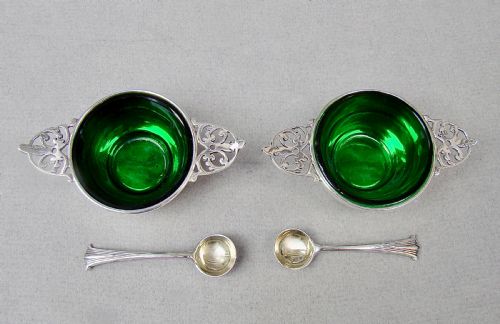
Many spoons are paired with complementary materials including cobalt glass, ruby glass, and cut glass liners housed within salt cellars and condiment pots. Silk and velvet linings are also found inside fitted presentation boxes accompanying cased sets.
Silver Condiment Spoons Retail Price Guide 2026
Typical asking prices for silver condiment spoons among the pieces listed under this phrase on Sellingantiques today, from the lower quarter to the upper quarter. They describe what is for sale here now, not the wider market.
Some Victorian salts take the whimsical form of double-headed swans ready to glide across the dining table.
Judging execution and design
Quality in silver condiment spoons depends on the crispness of the original stamping or chasing and the weight of the metal used in the handle. Pieces featuring detailed figural motifs, such as cherubs or birds, demand a higher level of artisan skill than plain utility patterns.
The presence of original associated glassware, such as matching cobalt or cranberry glass liners, adds to the integrity of a set. Maker marks that link a spoon to a notable silversmith firm further elevate the standing of the piece.
Tiffany·Alfred Marston·Charles and George Fox·Josiah Williams and Co·Hamilton and Inches·Bricks and Sons·William Neale and Son·Wilmot Manufacturing Co·Charles Stuart Harris·Georg Jensen
The Silver Condiment Spoons Glossary
- Sterling silver
- A silver alloy containing 92.5 percent pure silver and 7.5 percent other metals, usually copper, chosen for durability in tableware.
- Cruet set
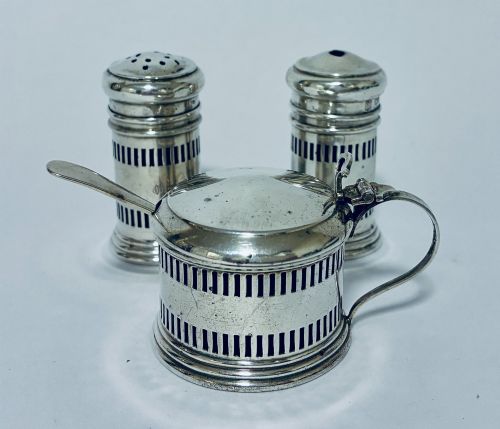
- A matched collection of small bottles, jars, or open pots intended for holding condiments, typically supplied with dedicated spoons.
- Salt cellar
- A small open bowl or tub designed to hold table salt, frequently fitted with a blue glass liner and accompanied by a small spoon.
- Silver gilt
- Silver that has been coated with a thin layer of gold on its surface, creating a warm two-tone appearance.
- Assay mark
- A stamped stamp indicating the purity of the metal, the town of testing, and the year of manufacture.
Silver Condiment Spoons: Frequently Asked Questions
What were silver condiment spoons used for?
These small utensils served mustard, salt, jam, and preserves from open table vessels during formal meals. Their compact bowls allowed diners to transfer precise amounts of seasoning to their plates.
They formed part of larger tableware services in dining rooms across the nineteenth and early twentieth centuries. Each specific spoon matched the depth and width of its corresponding pot or cellar.
How do I date a silver condiment spoon?
Dating relies heavily upon the hallmarked letters and symbols stamped directly into the metal by official assay offices. These marks reveal the exact year of testing and the city where the workshop operated.
Stylistic cues such as Aesthetic movement engraving or Art Deco geometry also help narrow down the period. Comparing the pattern to known silversmith registries confirms the era of production.
Are these spoons safe to use daily?
Solid silver is durable enough for regular handling during meals provided it is washed by hand using mild soap. Stored properly in lined boxes, the metal maintains its structural integrity over generations of use.
Silver plate items require gentler cleaning to prevent wearing away the thin precious coating. Using soft cloths preserves the original polish without scratching the surface details.
Why do some spoons come with glass liners?
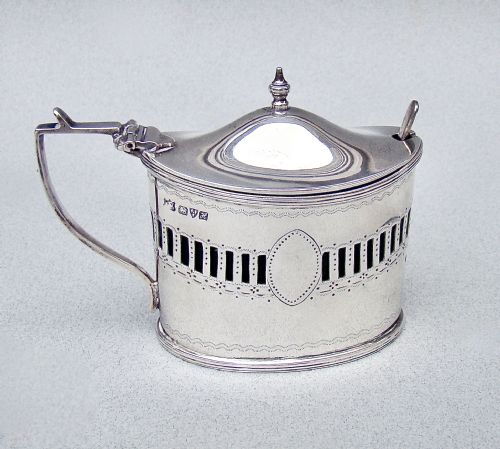
Salt and vinegar-based condiments corrode bare silver when left in contact for extended periods. Cobalt and cranberry glass liners protected the metal body of the salt cellar or mustard pot.
The matching spoons were then used to scoop the contents out of the glass insert rather than the metal frame. This combination kept the tableware functional and visually striking.