


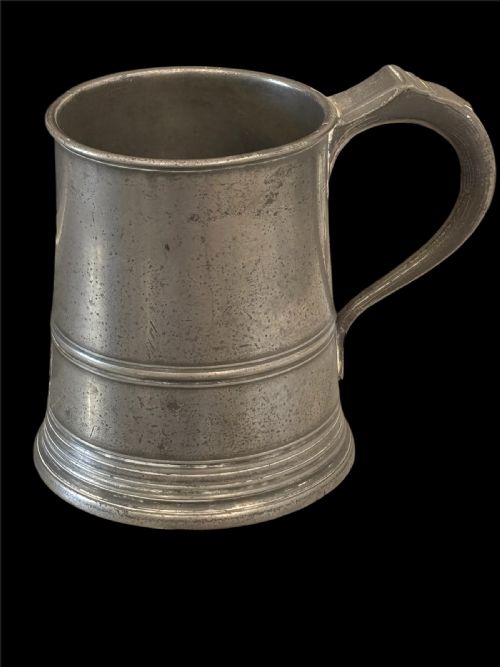


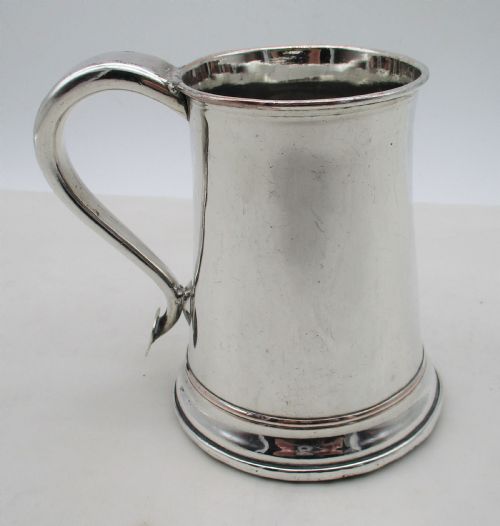

Silver Ale Vessel
A silver ale vessel is a sturdy drinking container designed for serving and consuming beer, prized for its tactile weight and historical charm.
Silver Ale Vessel
A silver ale vessel encompasses drinking forms such as tankards, mugs, jugs, and beakers used across multiple centuries for malt beverages. When searching for a silver ale vessel, buyers encounter pieces ranging from compact pint measures to large quart containers and capacious gallon jugs.
The selections span the Georgian and Victorian eras, alongside twentieth-century examples, reflecting shifting domestic habits in tavern and home hospitality. Forms alternate between open tops and lidded variants, sometimes incorporating handles and early maker marks.
Makers produced these functional items in standard capacities to serve ale efficiently at table. The predominant style is Georgian, though Victorian silver-plated iterations and twentieth-century interpretations also appear.
How they were made
Silversmiths utilised sterling silver and solid silver for high-status commissions, hammering and soldering metal sheets into cylindrical bodies with sturdy handles. Old Sheffield plate and silver plate offered a durable alternative by fusing a thin layer of silver over a base metal core.
Pewter and Doulton Lambeth stoneware provide alternative material options found among these drinkware forms, often featuring applied mounts and structural reinforcement. Makers shaped these substances to withstand regular handling while maintaining aesthetic balance through simple rims and bases.
Listings span several centuries, including the Georgian and Victorian periods, alongside items made in eighteen-eighty and nineteen-forty.
What varies in quality
The distinction between tiers rests upon the thickness of the metal and the integrity of the original construction methods. Superior pieces display clean joins, well-balanced handles, and crisp execution of early marks or maker stamps.
Subtleties in surface finish, such as the preservation of original plating on Old Sheffield items or the precise weight of solid silver, determine the overall desirability. Secondary materials like stoneware mounts and pewter alloys also show varying degrees of material purity and casting precision.
Richard Morton·Doulton Lambeth
The Silver Ale Vessel Glossary
- Tankard
- A tall, cylindrical drinking vessel featuring a single handle and often a hinged lid. They were principal items for ale consumption in domestic and tavern settings.
- Old Sheffield Plate
- A composite material formed by fusing a sheet of silver to a copper ingot. This technique preceded modern electroplating and produced durable tableware.
- Pewter
- A malleable metal alloy composed primarily of tin, combined with copper and antimony. It was widely utilised for utilitarian drinking vessels before silver became commonplace.
- Stoneware
- A dense, vitreous ceramic fired at high temperatures. It formed robust bodies for utilitarian beakers and jugs, frequently paired with metal mounts.
Silver Ale Vessel: Frequently Asked Questions
What is a silver ale vessel?
A silver ale vessel is a traditional drinking container designed specifically for serving beer, ale, or cider in domestic and public houses. These pieces include sturdy tankards, handled jugs, and cylindrical mugs.
Craftsmen produced them in various sizes, ranging from single-pint measures to large gallon vessels intended for communal table service.
How were old tankards used?
Historical tankards served as the primary vessels for measuring, holding, and drinking malt beverages before glass bottles and mass-produced ceramics became standard. People used them daily at home and in taverns for ale.
Lidded variants helped keep dust and insects out of the drink while retaining the temperature of the beverage during long meals.
What materials are common?
The listings show a variety of materials, with solid sterling silver, Old Sheffield plate, and standard silver plate appearing frequently. These metals provided both durability and a bright reflective surface.
Alternative materials like pewter and stoneware also occur, offering different textures and weight distributions for everyday drinking containers.
How do I care for silver?
Caring for historic drinking vessels involves gentle cleaning with specialised silver cloths and mild, non-abrasive detergents. Avoid harsh chemical dips that can strip away original patination or damage plate layers.
Store these objects in a stable environment away from excessive moisture and direct sunlight to preserve the metal finish over time.