




Signed French Bronze
Signed French bronze pieces capture the mastery of 19th-century and Art Deco ateliers, offering collectors authenticated figural artistry and classical elegance.

Signed French Bronze
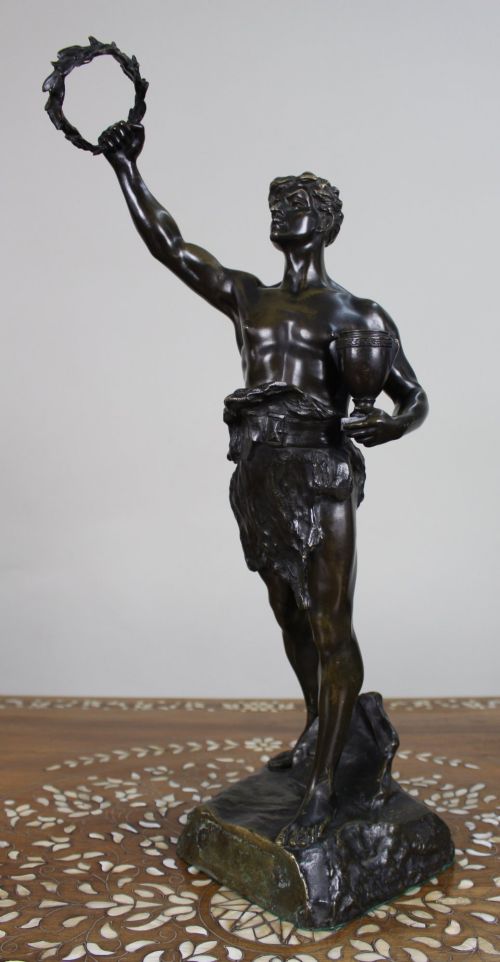
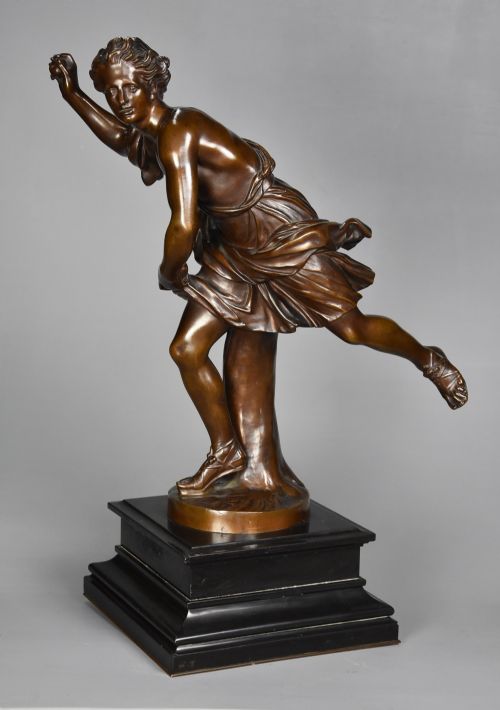
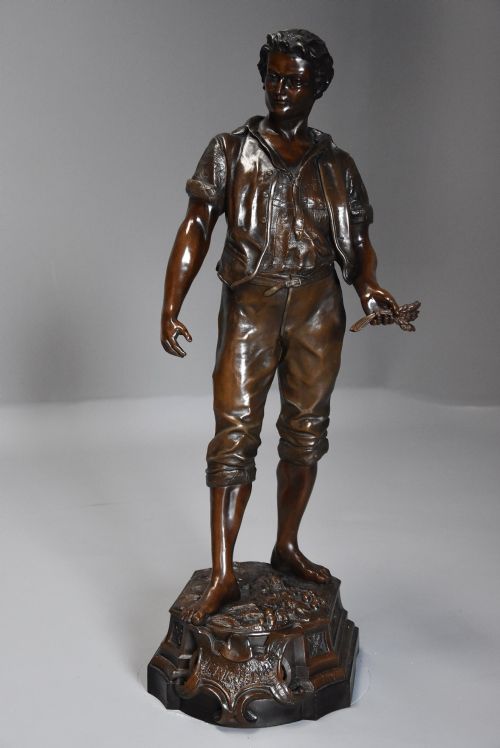
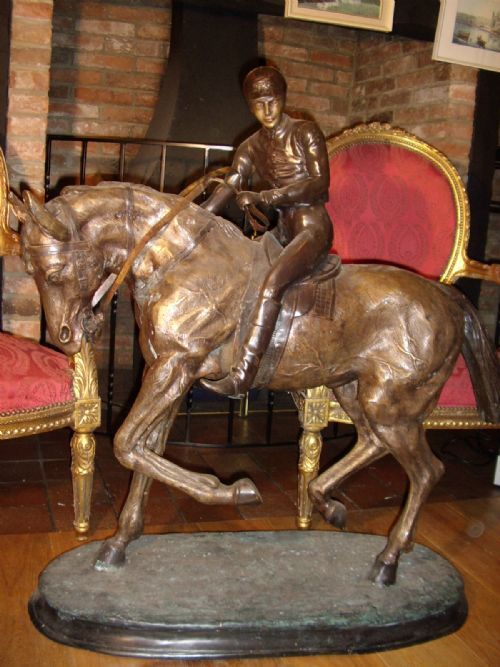
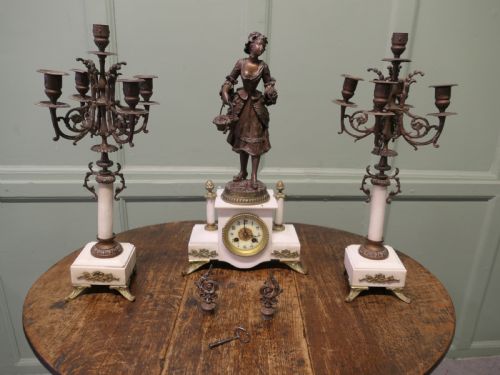
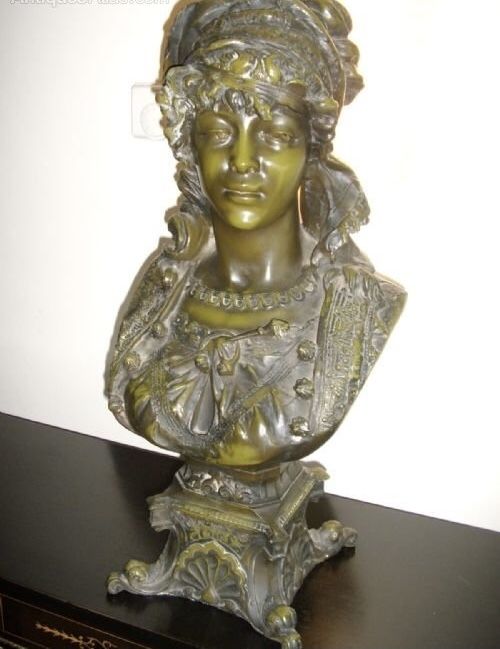
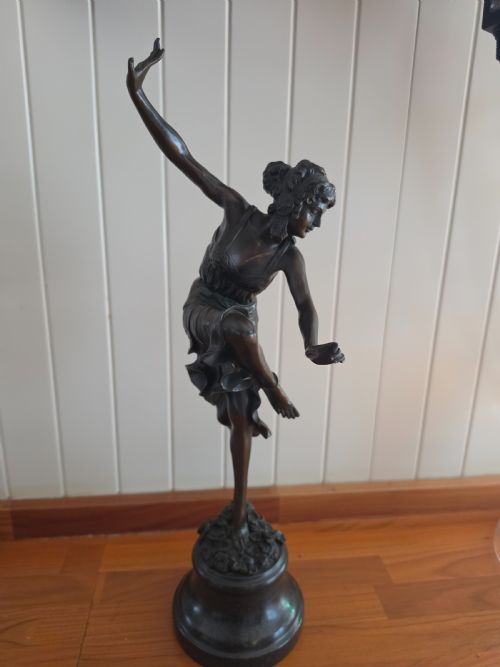
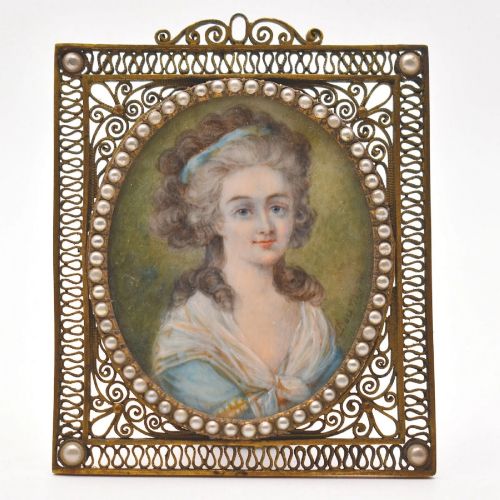
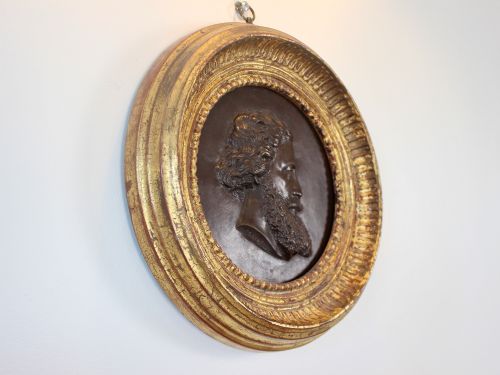
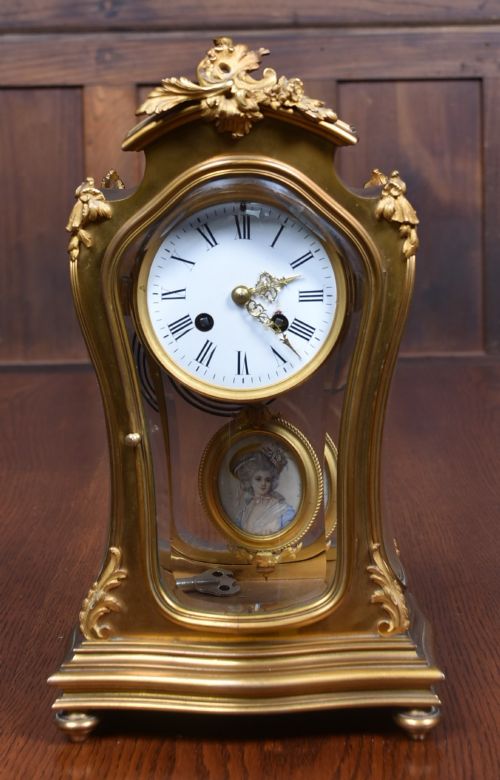
When searching for signed French bronze, buyers encounter an array of sculptures, figural lamps, clock garnitures, and portrait plaques spanning the nineteenth and early twentieth centuries.
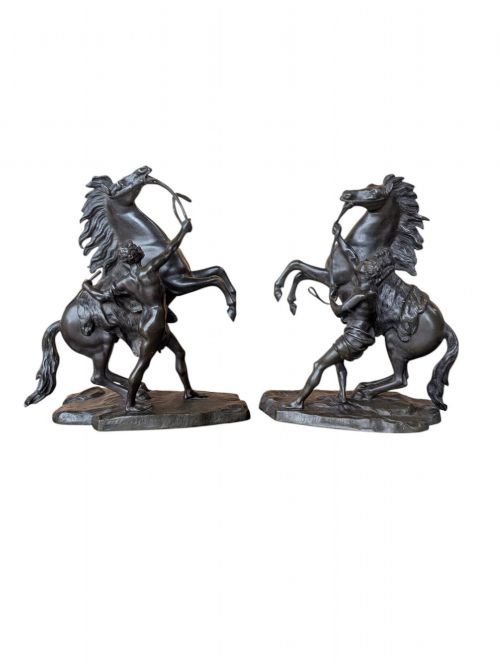
The selections range from neoclassical figures and animalier studies of wildlife to sleek Art Deco dancers and sleek modernist animals.
Most pieces originate from established French foundries or bear the individual signatures of celebrated sculptors active during the period.
Foundry Casting and Surface Finishes
Artisans employed the lost-wax casting method or sand casting to achieve intricate detail in molten metal before refining the surfaces by hand.
Makers applied chemical patination, gilding, or ormolu finishes to create rich tonal depths and protect the underlying copper alloy.
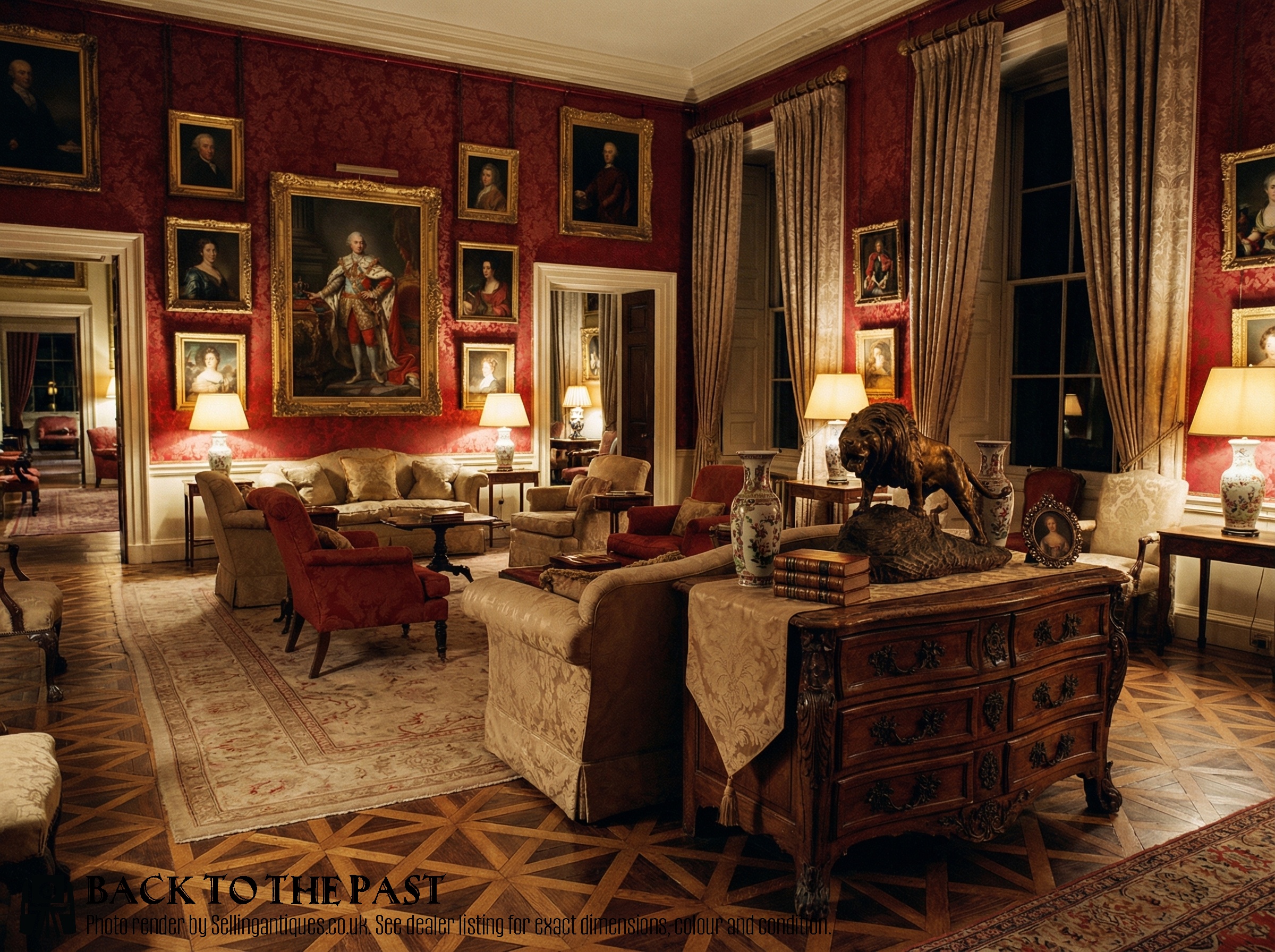
Heavier sculptures were frequently mounted onto carved marble or slate bases to provide structural stability and visual contrast.
Listings feature works spanning the nineteenth century through the Art Deco era, cast in bronze, patinated bronze, and ormolu.
Casting Fidelity and Chasing
Superior examples retain sharp foundry stamps and legible artist signatures without obscuring tool marks or softening fine lines.
The weight of the metal and the integrity of the patination distinguish masterworks from commercial reproductions.
Barbedienne·E. Villanis·D.H. Chiparus·Auguste Moreau·I. Rochard
The Signed French Bronze Glossary
- Animalier
- A nineteenth-century artistic movement focused on the realistic portrayal of animals, particularly predators in motion. Sculptors in this tradition studied anatomy closely at menageries.
- Patina
- The surface coloration achieved through chemical oxidation or natural ageing of the bronze. This finish protects the metal and adds tonal richness.
- Lost-wax casting
- A traditional technique where a wax model is melted out of a mould to create a hollow metal casting. This method allows for exceptional retention of fine detail.
- Ormolu
- Ground metallic gold applied to a bronze base through a mercury amalgamation process, or high-quality gilt bronze. The technique produces a brilliant golden lustre.
- Spelter
- A cheaper zinc-based alloy frequently used as a substitute for bronze in decorative figures. It is lighter and softer than true bronze.
Signed French Bronze: Frequently Asked Questions
How do I verify a signature?
Signatures are typically cast directly into the bronze during the moulding process rather than engraved afterward. Compare the script against known foundry examples from the same period.
Look for accompanying foundry marks or stamps, which often provide additional proof of authenticity and origin.
What is the difference between bronze and spelter?
Bronze is a heavy alloy of copper and tin that develops a stable, rich patina and accepts fine detail. Spelter is a softer zinc alloy that feels lighter and often shows flaking paint or grey metal beneath.
Many period pieces used bronzed spelter as an affordable alternative to solid cast bronze.
Why are some figures mounted on marble?
Marble bases provided necessary ballast for heavy metal sculptures, particularly tall or dynamic figures with shifted centres of gravity. They also offered an architectural plinth that enhanced the display of the artwork.
Art Deco sculptors favored contrasting Belgian black or veined marble to complement patinated or gilded metal.