


Golden Bronze Sculpture
These golden bronze sculpture pieces combine rich metallic lustre with animalier and figural subjects, offering collectors striking decorative centrepieces.
Golden Bronze Sculpture
When you search for golden bronze sculpture, you encounter figural works spanning the late nineteenth century through to the mid twentieth century. The selection ranges from realistic animal studies to human forms executed in styles including Art Deco, Art Nouveau, and Viennese Animalier.
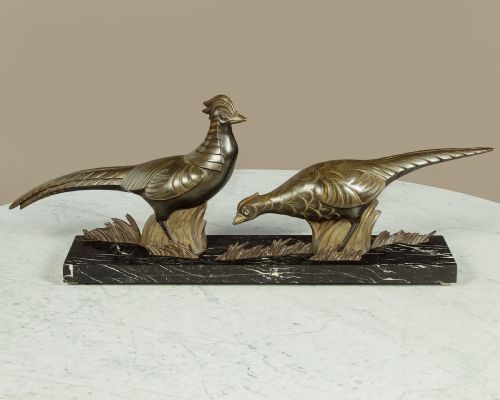
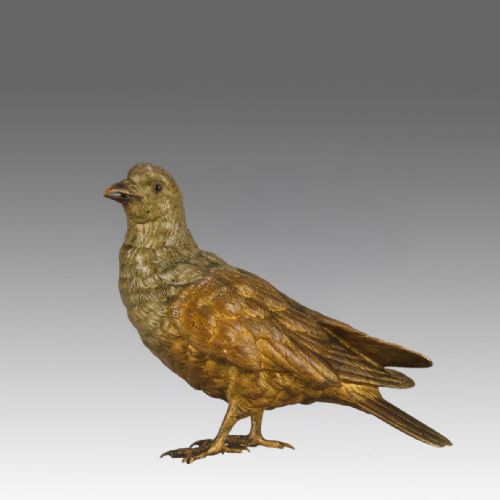
You are most likely to meet animal studies on this page, particularly birds such as golden pheasants, pigeons, and peacocks alongside canine and feline subjects. These pieces frequently incorporate marble bases or mounted plinths to support the weight of the metal.
The objects take the form of freestanding sculptures, busts, statuettes, and groups. Origins span European foundries, notably Austrian and French workshops, alongside examples from other regions.
Methods and materials
Marble and onyx serve as foundational materials for bases, anchoring heavier figural groups and busts. Foundries utilised traditional casting methods combined with hand-applied cold-painting techniques to achieve realistic colouration on specific surfaces.
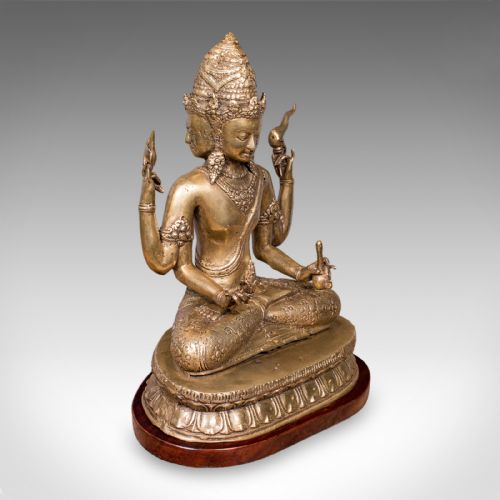
A sturdy four-kilogram statue of Ganesh stands ready to bless the collection alongside a dainty lineup of golden pheasants and standing pigs.
Judging the work
Quality separates through the crispness of the casting and the fidelity of the chasing work on the metal surface. Finer examples display meticulous feather or fur definition and careful hand-painting that remains intact across the contours of the subject.
The integration of the sculpture with its marble or onyx base indicates the overall standard of production. Superior pieces demonstrate balanced composition, secure mounting, and signatures or foundry marks that verify the origin of the casting.
Franz Bergman·Louis Riché
The Golden Bronze Sculpture Glossary
- Animalier
- A nineteenth-century artistic movement focused on the realistic depiction of animals. Sculptors in this tradition observed anatomy closely to capture creatures in natural postures.
- Cold-painted bronze
- A technique where bronze figures are painted with cold enamel paints rather than fired in a kiln. This method allows for vivid colouration on birds and figurative subjects.
- Gilt bronze
- Bronze that has been treated to apply a gold coating over the metal surface. It provides a warm, reflective finish distinct from standard dark patination.
- Vienna bronze
- Small, highly detailed Austrian bronzes produced around the turn of the twentieth century. They are predominantly cold-painted and often depict animals or human figures in whimsical scenes.
- Patinated metal
- Metal treated with chemicals or heat to alter its surface colour and texture. This process protects the material while establishing an aged appearance.
Golden Bronze Sculpture: Frequently Asked Questions
What is a cold-painted bronze?
A cold-painted bronze is a metal sculpture decorated with oil or enamel paints applied without heat firing. This technique produces vibrant surface details, particularly on animal subjects.
Over time, collectors learn to identify these finishes by their texture and adherence to the underlying metal surface.
How do I care for gilt bronze?
Gilt bronze requires gentle dusting with a soft, dry cloth to prevent the accumulation of abrasive particles. Avoid commercial cleaning liquids or polishes that can strip the gold layer.
Keeping the pieces away from direct sunlight and excessive humidity preserves the stability of both the metal and any attached marble bases.
What defines Art Deco sculpture?
Art Deco sculpture emphasises streamlined forms, geometric discipline, and stylised representations of human and animal figures. The movement flourished during the interwar period.
Works from this era often utilise contrasting materials like gilt bronze paired with polished marble or onyx plinths.
How can I identify a Vienna bronze?
Vienna bronzes are typically small, substantial statuettes characterised by meticulous cold-painted polychrome decoration. Many feature animal subjects rendered with naturalistic precision.
Finding small foundry marks or specific Bergman foundry stamps can help confirm the origin and period of manufacture.