



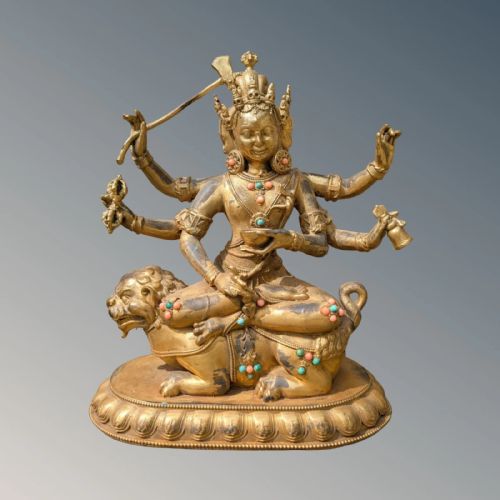

Antique Asian Deity Figure
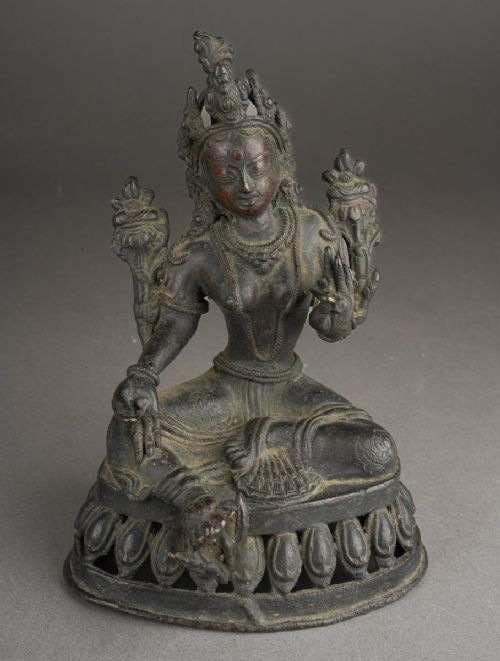
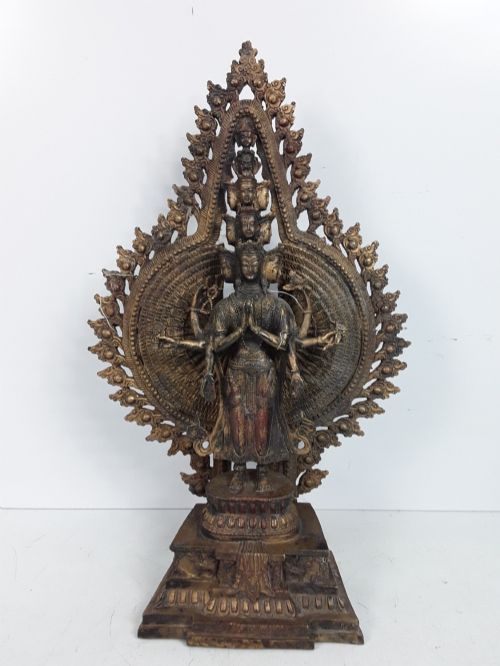
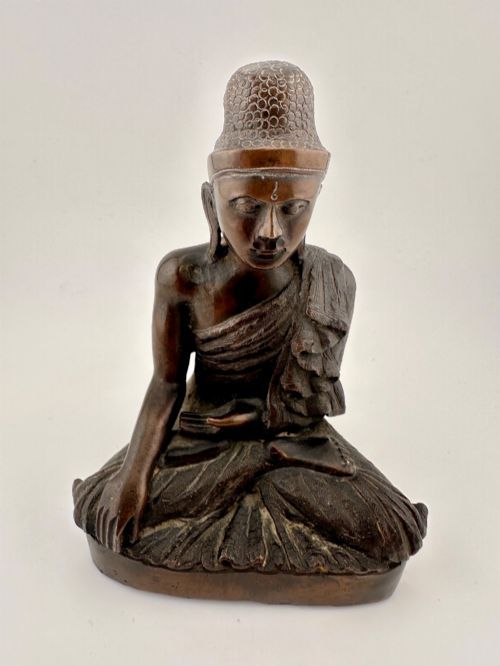
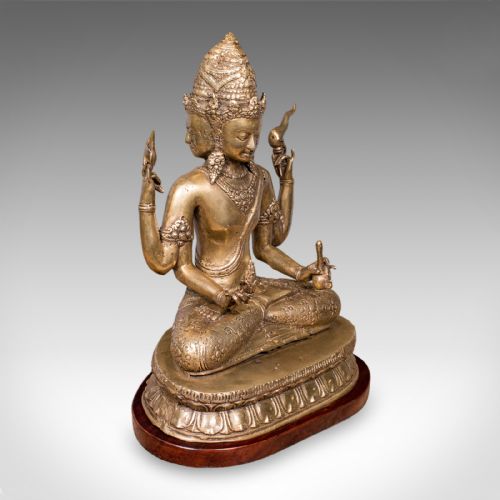
An antique asian deity figure brings centuries of ritual history and detailed craftsmanship into a room.
Antique Asian Deity Figure
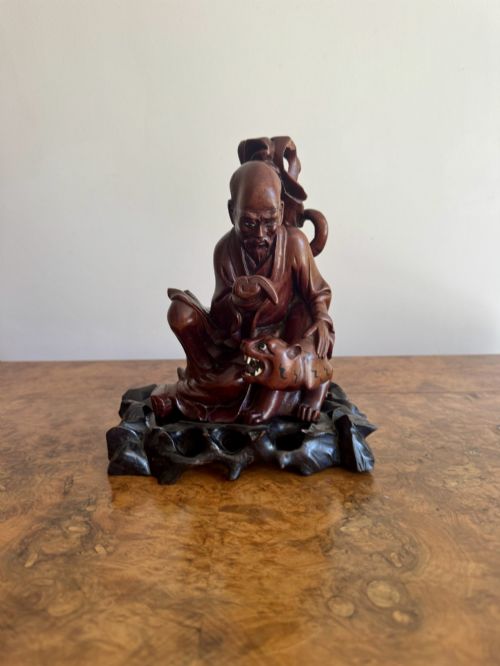
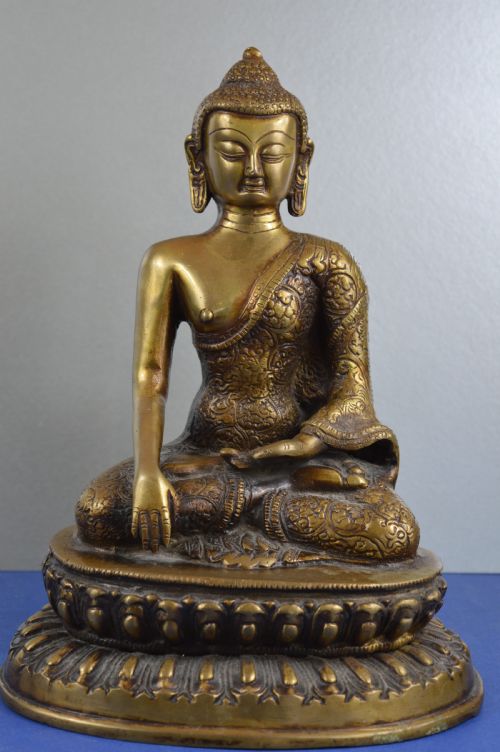
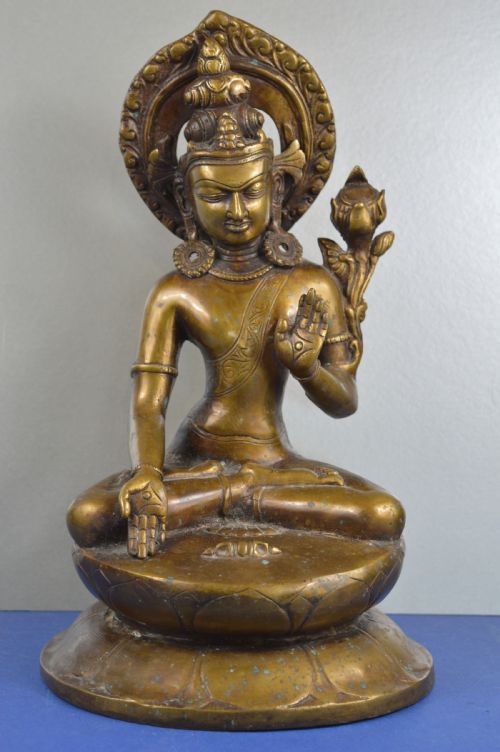
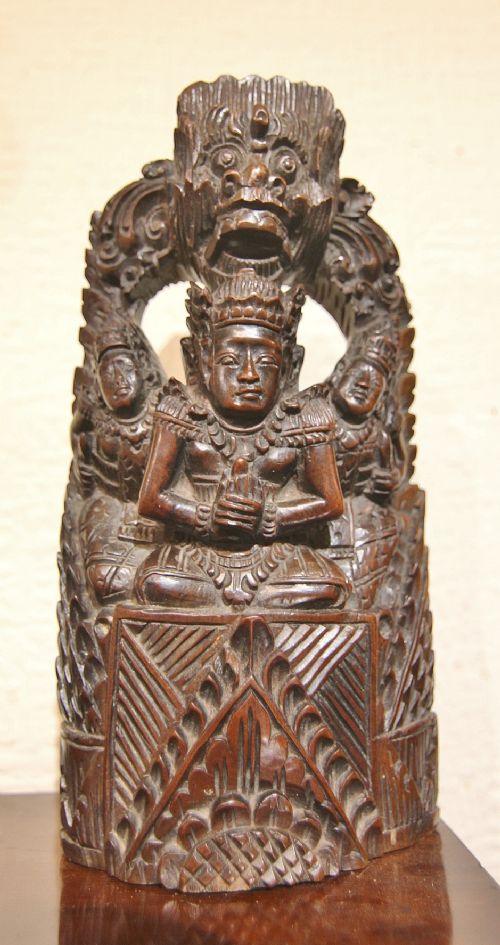
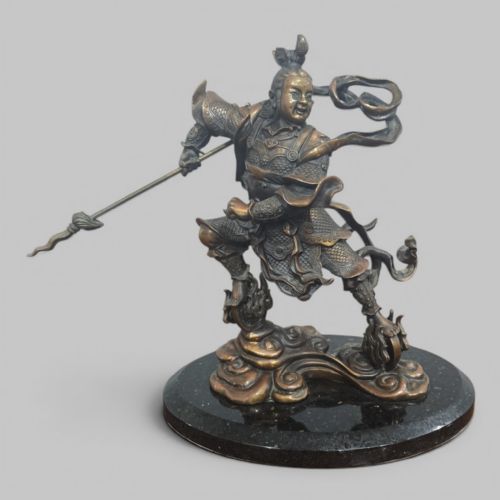
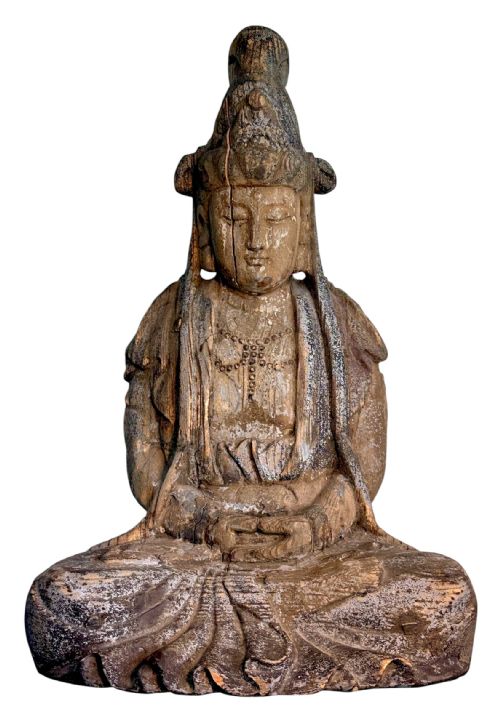
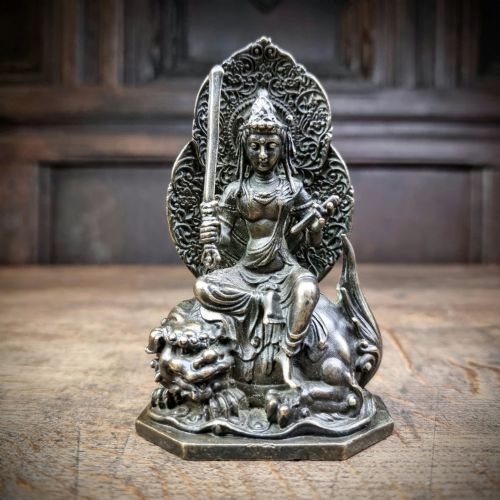
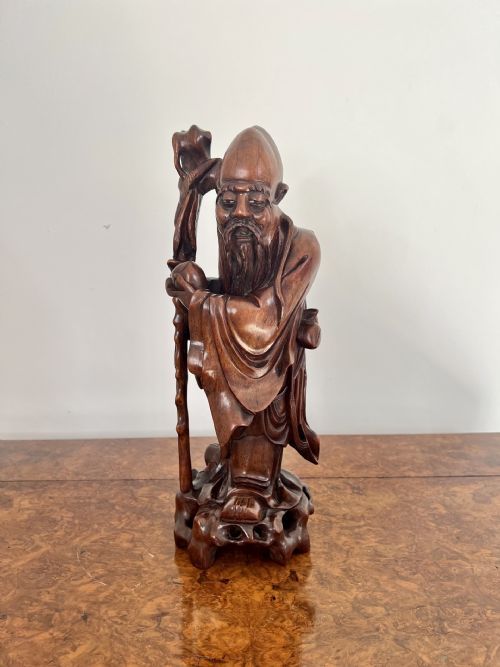
When you search for an antique asian deity figure, you encounter sacred sculptures originating from various regions including Tibet, China, Japan, Java, and Bali. These forms encompass Buddhist, Hindu, and regional spiritual icons rendered in multiple traditions such as Sino-Tibetan and Meiji period aesthetics.
The selections span numerous centuries, ranging from pre-16th century Javanese examples to 18th, 19th, and early 20th century statues. Bronze and copper alloy castings alongside carved wooden temple guardians and deities appear frequently across the current collection.
How they were made
Metal sculptures rely on bronze and copper alloy casting techniques, sometimes incorporating gold leaf, silver, or gilt surfaces to highlight sacred attributes. Artisans also utilised brass and patinated finishes to create depth and texture on the metal figures.
Wooden representations involve carved hardwood, boxwood, and root carving, frequently finished with polychrome paint or gilt wood applications. Certain pieces integrate bone or lacquer to construct intricate ritual objects and shrines.
Antique Asian Deity Figure Retail Price Guide 2026
Typical asking prices for asian deity figure among the pieces listed under this phrase on Sellingantiques today, from the lower quarter to the upper quarter. They describe what is for sale here now, not the wider market.
Materials represented in the current selection include bronze, copper alloy, carved wood, gilt wood, boxwood, bone, and lacquer.
What varies in quality
The standard of an antique asian deity figure depends upon the precision of the casting or the depth and fluidity of the woodcarving. Artisans who invested greater time in rendering facial expressions, hand gestures, and drapery produced pieces with superior visual presence.
Preservation of original surfaces, such as surviving gilt, polychrome paint, or natural patination, distinguishes the more accomplished examples. The weight of the metal and the complexity of the iconography, particularly in multi-armed or multi-headed deities, also reflect the maker's skill.
The Antique Asian Deity Figure Glossary
- Bodhisattva
- An enlightened being who assists others on the path to awakening. These figures frequently appear in Buddhist art holding specific symbolic attributes.
- Okimono
- A Japanese decorative statue designed for display in a domestic interior. These carvings often portray deities or figures associated with longevity and wealth.
- Patination
- The natural or induced ageing on the surface of metal or wood. A pleasing finish develops through handling and environmental exposure over decades.
Antique Asian Deity Figure: Frequently Asked Questions
Where were these deity figures made?
These sculptures originate from diverse cultural centres across Asia, including Tibet, China, Japan, Burma, Thailand, and Indonesia.
Each region developed distinct stylistic traditions and material preferences, reflecting local religious practices and artistic methods.
How do I care for a wooden deity figure?
Keep wooden and polychrome statues away from direct sunlight and sudden humidity changes to protect the surface pigment and wood.
Dust gently with a soft, dry cloth without applying modern polishes or cleaning agents that might harm the historical finish.
What is the difference between bronze and copper alloy?
Bronze is an alloy primarily composed of copper combined with tin, while copper alloy is a broader term encompassing various copper mixtures used in metalwork.
Both materials yield durable castings capable of holding fine ritual details and developing deep patinas.
How can I tell the age of a bronze statue?
Dating relies on stylistic markers, casting characteristics, iconographic details, and the nature of the surface patination.
Comparing the garment style, hair arrangement, and base construction with dated examples helps establish the period of creation.