
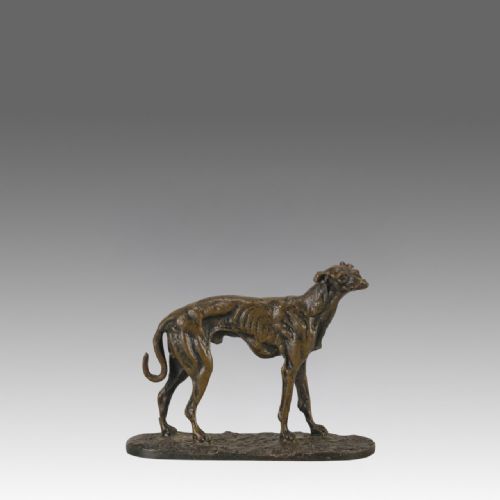
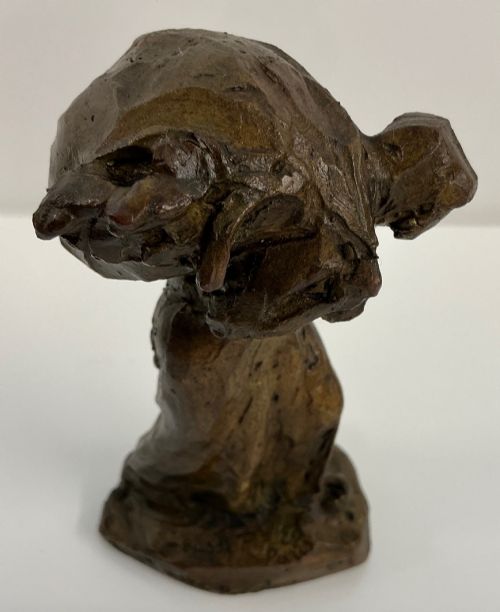


Collectable Bronze Figure
A collectable bronze figure brings animal studies and human statuettes into your room with real weight and substance.

Collectable Bronze Figure
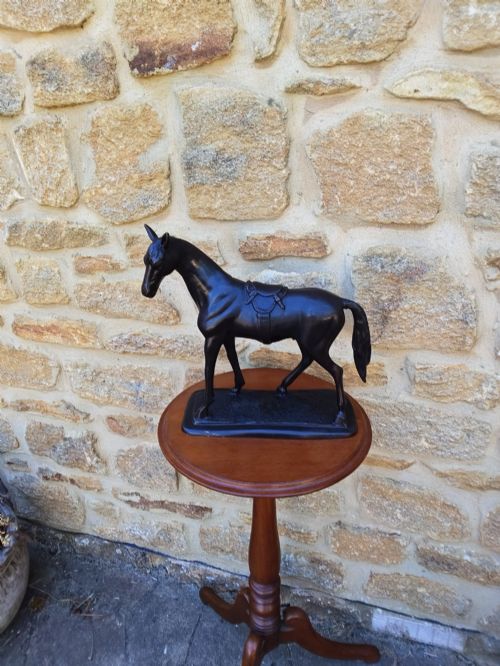
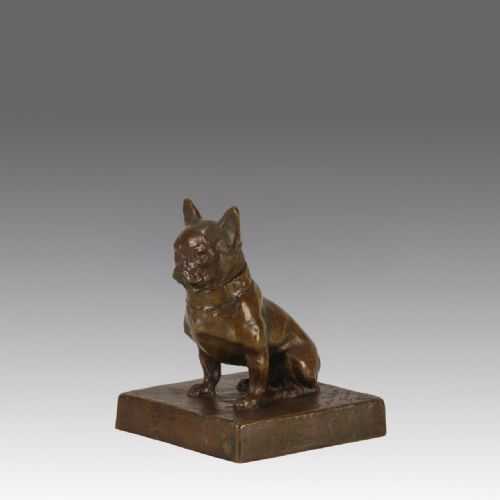
When you search for a collectable bronze figure, you encounter works spanning the Victorian, Edwardian, and early twentieth-century periods, alongside French nineteenth-century examples. The selection ranges from animalier studies of dogs, horses, and wild animals to human statuettes, classical deities, and modernist forms.
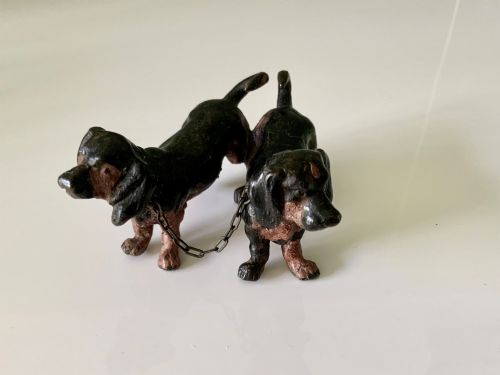
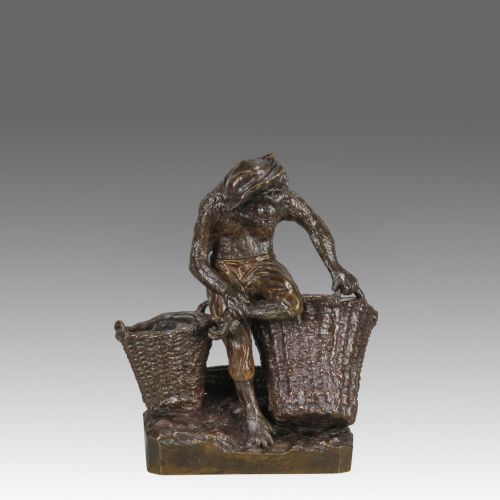
You are most likely to meet French animalier bronzes depicting hounds, bulls, and primates, alongside cold-painted Viennese animal figures and early twentieth-century domestic pets. These objects appear as sculptures, statuettes, and figurines, often mounted on marble or stone bases.
Materials and methods
These pieces utilise cast bronze, brass, and metal, frequently enhanced by applied patinas, cold-painted enamel, silvering, and vermilion pigment. Founders employed traditional casting techniques, sometimes working with specialised foundries like Barbedienne to produce crisp details.
Many sculptures incorporate contrasting plinths made from marble or stone to support the metalwork. Cold-painted surfaces receive manual colour application over the metal base, while patinated finishes rely on chemical treatments to age the surface tone.
Among the menagerie of hounds, horses, and deities, a tiny bronze mouse stamped Geschützt keeps watch over the collection.
Distinctions in execution
The degree of anatomical precision and the crispness of the chasing set finer casts apart from simpler productions. Master modellers capture musculature and movement with distinct accuracy, whereas lesser works blur fine textures and hairlines.
Foundry signatures, artist stamps, and clear cold-painted enamel preservation elevate certain pieces significantly. The quality of the underlying metal casting and the integration with marble or stone bases complete the assessment.
Christophe Fratin·Antoine L Barye·Dora Heber·P J Mêne·Jules Dalou·Julien Lorieux·Aristide Maillol·Edith Parsons·Elizabeth Anna Clapp·Joseph Francois Victor Chemin·Franze Bergman·Antoine Bofill·Claire Colinet
The Collectable Bronze Figure Glossary
- Animalier
- A nineteenth-century artistic movement focusing on the realistic portrayal of animals. Practitioners studied anatomy closely to capture creatures in motion or repose.
- Cold-painted
- A technique where paint is applied to a cold bronze object rather than fired in a kiln. This method is particularly associated with Austrian animal bronzes from Vienna.
- Patina
- The chemical colouration developed on the surface of bronze over time or through artificial ageing. It protects the metal and adds depth to the sculptural form.
- Geschützt
- A German term meaning protected or registered, often stamped on metal goods to indicate a registered design. It appears frequently on small Austrian and European bronzes.
- Cast
- The solid or hollow metallic object created by pouring molten bronze into a mould. The fidelity of this process determines how closely the metal matches the original model.
Collectable Bronze Figure: Frequently Asked Questions
What is an animalier bronze sculpture?
An animalier bronze is a nineteenth-century sculpture focused specifically on the realistic depiction of animals. These works capture creatures in naturalistic poses, ranging from domestic dogs to wild beasts.
Artists studied living animals intently to render musculature, texture, and movement with high precision. These pieces form a major part of nineteenth-century European sculpture.
How do I care for a bronze figure?
Bronze requires minimal maintenance, needing only gentle dusting with a soft, dry cloth. Avoid using chemical cleaners, polishes, or water, as these can strip away the applied patina.
Keep the pieces away from direct sunlight and damp environments to protect both the metal surface and any associated marble bases. Proper placement ensures the patina remains stable over decades.
What does cold-painted bronze mean?
Cold-painting refers to a process where enamel paint is applied directly to an unheated bronze casting. This technique gained widespread popularity in Austrian workshops producing small animal figures.
Because the paint is not fired at high temperatures, these surfaces require careful handling to prevent flaking. Surviving examples with intact paintwork are particularly prized by collectors.
How do I identify the period of a bronze?
Dating relies on stylistic markers, artist signatures, foundry stamps, and the type of base used. Nineteenth-century pieces often feature rigorous anatomical realism, while Art Deco and modernist works embrace streamlined geometry.
Material details such as early cold-painted enamel or specific foundry marks help narrow the timeline. Comparing the casting quality to documented works by known makers clarifies the era.