



Signed Landscape Picture
A signed antique landscape picture brings the topography and weather of past centuries directly into a room through the artist's hand.
Signed Landscape Picture
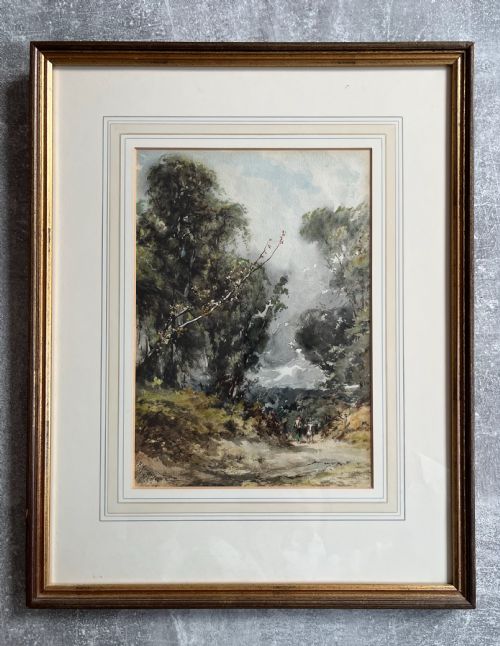
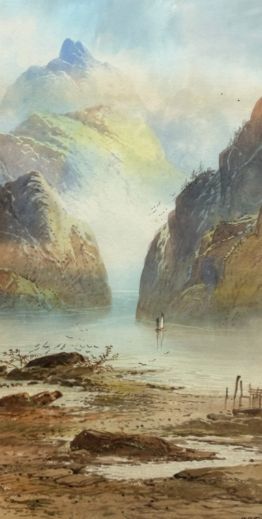
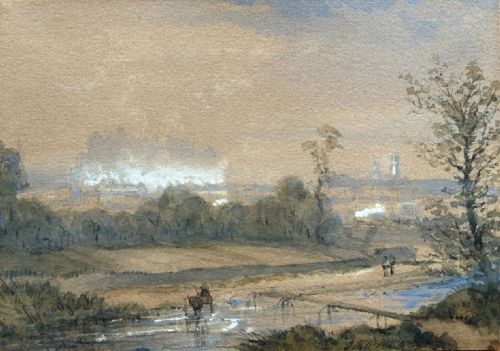
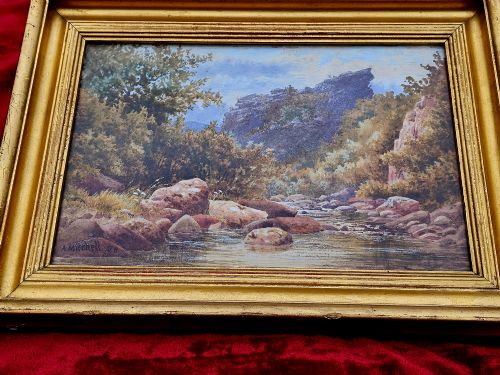
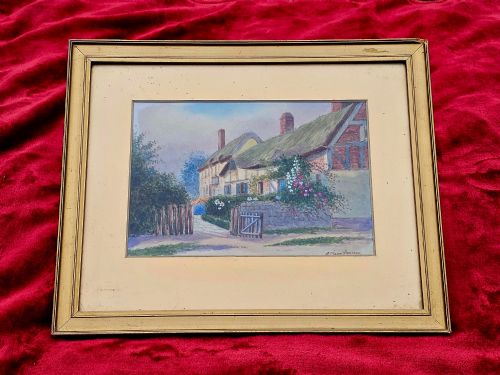
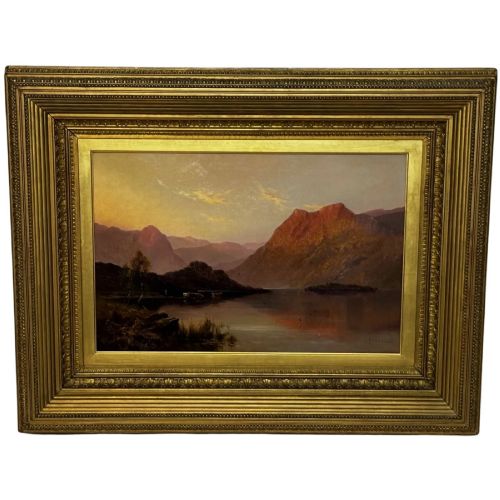
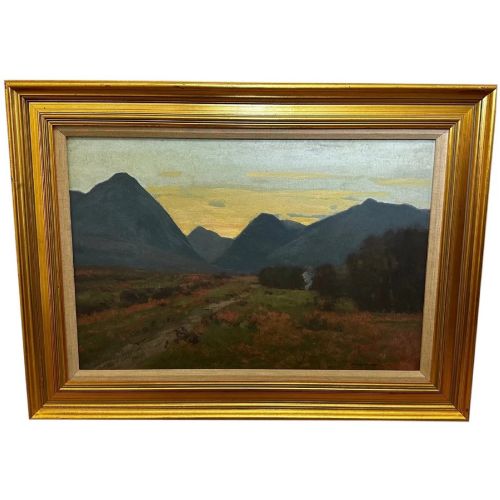
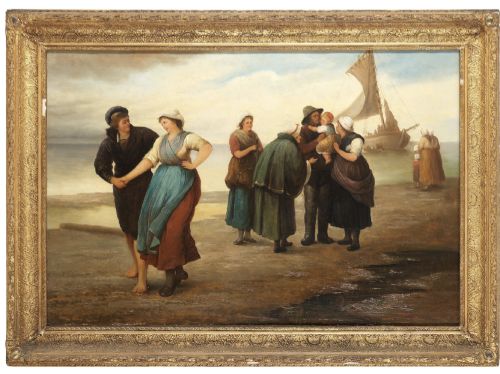
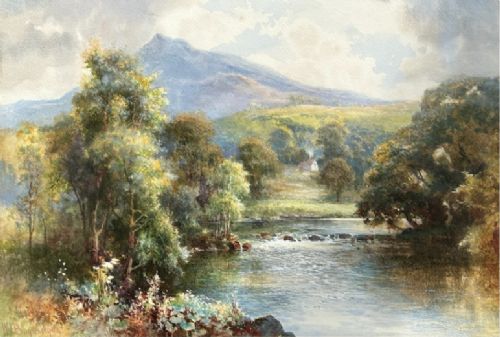
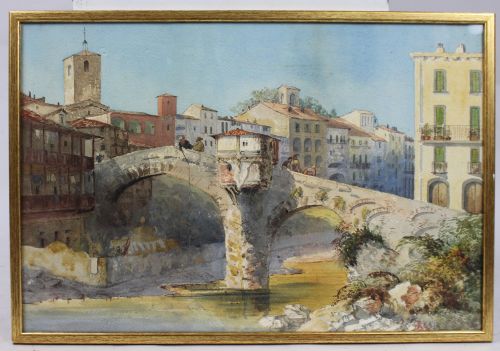
A signed antique landscape picture captures scenes of rivers, mountains, and rural life from the nineteenth and early twentieth centuries. These works record specific locations across Britain and Europe, ranging from Scottish highlands to Welsh valleys and Dutch frozen canals.
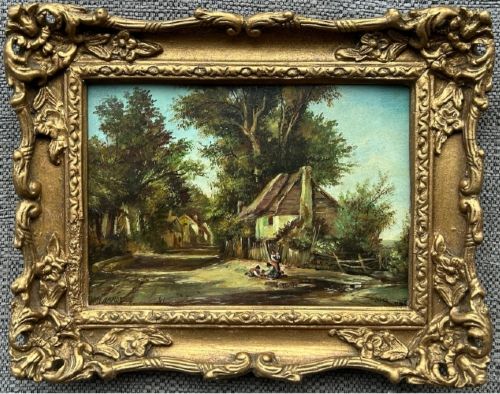
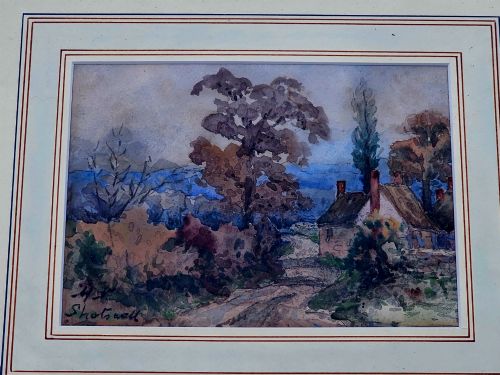
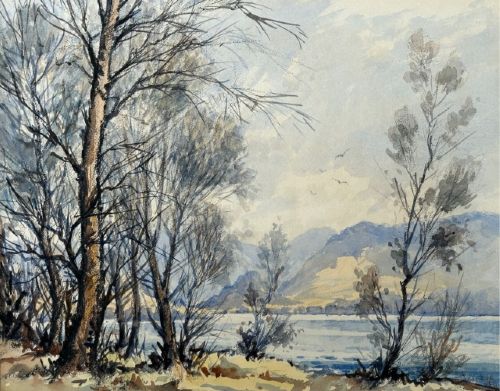
The most common examples on this page are watercolours and oil paintings on canvas, panel, or paper. Many bear visible signatures or initials from the artists who painted them during the Victorian and Edwardian periods.
Framed artwork in this category includes both intimate watercolours intended for domestic interiors and larger oil paintings depicting cattle, woodlands, and coastal harbours. Each piece reflects the prevailing schools of landscape painting from its era.
How they were made
Artists painted these works using oil or watercolour applied to stretched canvas, wooden panels, heavy paper, or card. Oil paints offered rich texture and depth, particularly when layered upon wood panels or textured canvas.
Watercolour pigments were washed onto paper to achieve luminous skies and translucent water, often finished with delicate pen or pencil work. Works on paper were typically protected beneath glass within gilt or wooden frames.
Many panels and canvases received protective varnishes after completion to seal the oil paint and preserve the intensity of colours over generations.
Periods represented stretch from the nineteenth century through the Edwardian era up to the 1940s.
What varies in quality
The distinction between ordinary and exceptional works rests in the dexterity of brushwork and the confidence of composition. Skilled artists handled light and atmosphere with precision, creating convincing depth in skies and foliage.
Condition plays a part in the standing of a piece, particularly the preservation of the original paint surface or watercolour pigment without heavy fading or excessive intervention. Original framing also contributes to the integrity of the object.
George Fotherly Hargitt·William Henry Earp·John R Prentice·William H Myers·W Klombeck·William Howard Hardy·A Mitchell·A Marie Parsons·Alfred Fontville de Breanski Jr·George Houston·William Joseph Boyes·T Bergman·John Emms·William George Tennick·Alfred George Morgan·Thomas Sidney Cooper·Harry Wanless·Arthur Herbert Rigg·Cuthbert Crossley·J Phipps·William Tuck·F J Aldridge·Henry Bailey·H Wallace·T S Wallis
The Signed Landscape Picture Glossary
- Watercolour
- A paint consisting of water-soluble pigments used to create translucent washes on paper. This medium was widely favoured by British artists for capturing changing weather and light.
- Oil on Canvas
- Pigment mixed with drying oil applied to a woven fabric support stretched over a wooden frame. This combination allowed artists to build rich textures and deep tones.
- Wood Panel
- A rigid wooden support used by painters instead of canvas. Panels provided a smooth, stable surface for detailed nineteenth-century landscapes.
- Gilt
- A thin layer of gold leaf applied to wooden frames or decorative elements. It added warmth and brilliance to the presentation of the artwork.
- Impressionism
- A style of painting emphasising spontaneous brushstrokes and the shifting effects of light. It influenced numerous landscape artists working around the turn of the twentieth century.
Signed Landscape Picture: Frequently Asked Questions
How do I know the signature is genuine?
Signatures on these pictures are typically contemporaneous with the paint and paper, written in ink, pencil, or artist's pigment. Comparing the hand to known examples from the same artist helps confirm authenticity.
Examine the margins and brushwork around the signature to ensure it integrates naturally with the surrounding composition.
Are these paintings cleaned or restored?
Many nineteenth-century works have undergone minor conservation over their lifetimes to remove accumulated dust or discoloured varnish. Such work preserves the readability of the original pigments.
Gentle cleaning stabilizes the painting without altering the artist's original surface touches.
How should I frame and hang a watercolour?
Watercolours require mounting behind glass with acid-free board to prevent humidity damage and fading from direct light. This barrier protects the paper and pigments from atmospheric moisture.
Hang these delicate works away from direct sunlight and damp environments to maintain their condition.
What subjects are most common?
British and European rural views dominate these listings, featuring rivers, Scottish highlands, Welsh valleys, and coastal harbours. Artists frequently recorded everyday agricultural scenes, livestock, and changing weather.
Topographical accuracy was prized, allowing viewers to identify specific lakes, abbeys, and towns from the past.